
The Linux Mint team has published its report for January 2026, detailing things like improvements to input methods, a new system administration tool handling user details, and a completely new screensaver built for Wayland.
Starting with the input method improvements, the team realized some users like to use logical keyboard layouts that do not match their physical keyboards, especially when working with different input methods.
I spoke with someone who writes in both French and Japanese. I do this myself on an ANSI keyboard using French/US and Mozc.
He has different keyboards on different machines, some ISO/French, some Japanese, and he doesn"t care about the physical layout. He just wants the logical layout to be French when writing French and Japanese when using Mozc.
This isn"t something we anticipated, but we want to support it going forward
In the next release of Linux Mint, the mintsysadm Administration Tool will take over user administration and account details. This change addresses a problem: most desktop environments roll out their own user tools, which often lack proper maintenance and support for modern use cases.
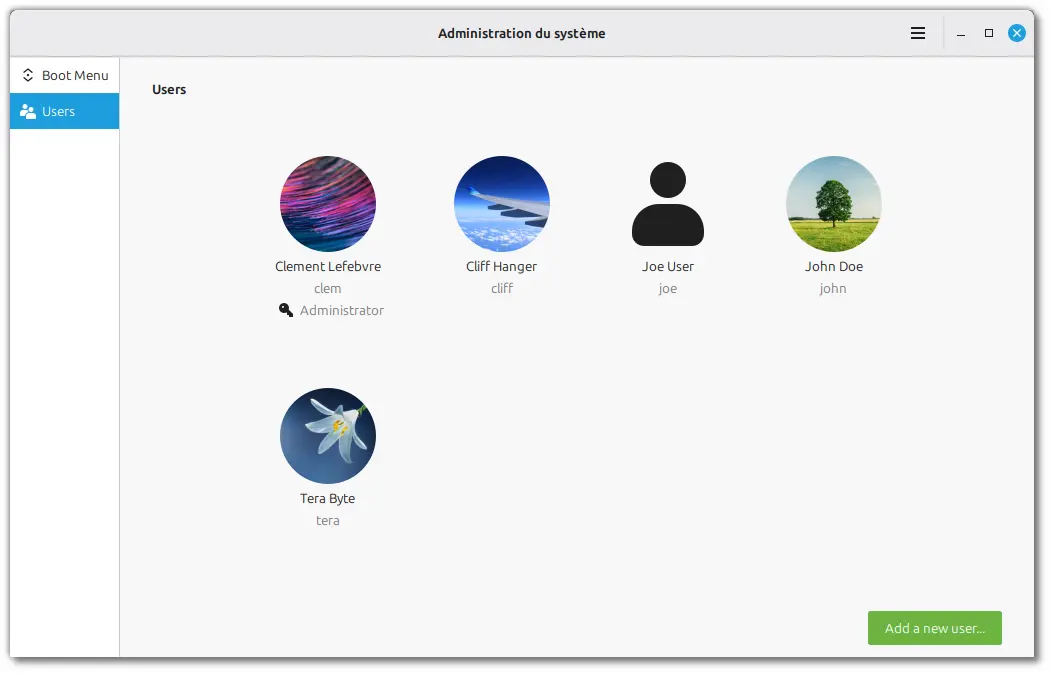
mintsysadm focuses on the most common tasks, letting users set up passwords and finalize accounts without needing an administrator to hover over them. Home directory encryption, previously only supported during OS installation, now works fully when you create new user accounts, and webcams now fully work when you take selfies for your avatar, allowing you to see yourself and mirror the image before snapping it.
Work is well underway on a new Wayland-friendly screensaver that will replace the current one. The existing screensaver runs as a separate app, relies on X11, and sits on top of Cinnamon"s window manager to hide open windows when the screen locks. The plan is to replace this with a screensaver natively rendered by Cinnamon"s compositor, promising smoother transitions and animations when you lock your screen.
The team is also "very interested" in adopting a longer development cycle. They noticed a pattern over the last ten years: with a new release every six months plus LMDE, they spend "more time testing, fixing, and releasing than developing."
This constant cycle, while effective for incremental improvements, limits their ambition for bigger development projects. A longer cycle could free up resources for more substantial development, allowing them to tackle projects with more depth.