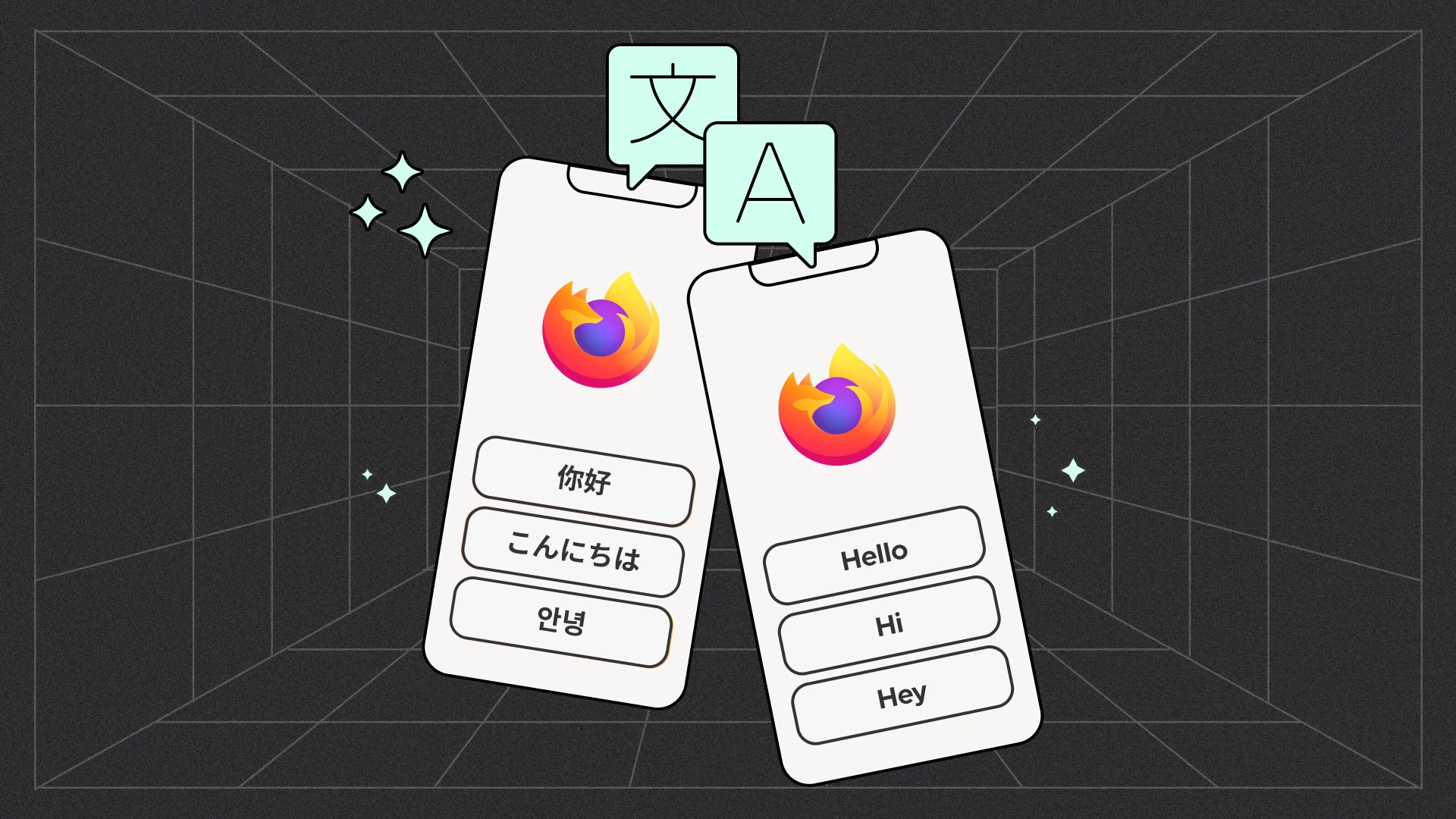
Mozilla has added support for Chinese, Japanese, and Korean (CJK) translation on both desktop and Android following user requests. This update allows millions of users to translate web content without sending their data to the cloud. This is done via an on-device translation model and helps Mozilla achieve its mission of user privacy.
The translation models download automatically once and then work entirely offline on the user’s device. Mozilla says that Firefox doesn’t track the content users translate with this tool.
The team of developers who worked on this feature had to overcome some technical challenges to make on-device translation for CJK languages work efficiently on mobile devices with limited resources. Mozilla said that earlier algorithms couldn’t handle the character-based scripts of these languages and the lack of open-source data for training CJK models made development even harder. The team upgraded their machine learning models and optimized performance, especially for low-end Android devices. Specifically, the new algorithms prioritize translating only the visible parts of the web page to save memory and processing power.
One of the big issues when working with language translations is checking that translations are accurate. Mozilla said that its engineers do not speak every language they support, so have had to rely on community volunteers and internal colleagues to test the new features. Testers provided essential feedback on early versions, helping to refine the models and ensure accurate, real-world translations.
One specific example given was a restaurant menu item translating “stuffed mushrooms” as a plush toy, which a tester pointed out. The company also noted that automated tools used for measuring accuracy were no substitute for native speakers’ feedback.
Since making these languages available to translate in Firefox for the desktop (it was made available previously), the number of active translation users in Asia has doubled. With the rollout on Android ongoing now, the company hopes to expand this secure, private translation capability to even more people. Users can update Firefox and Android or desktop and tap the translate icon to begin using the new feature.