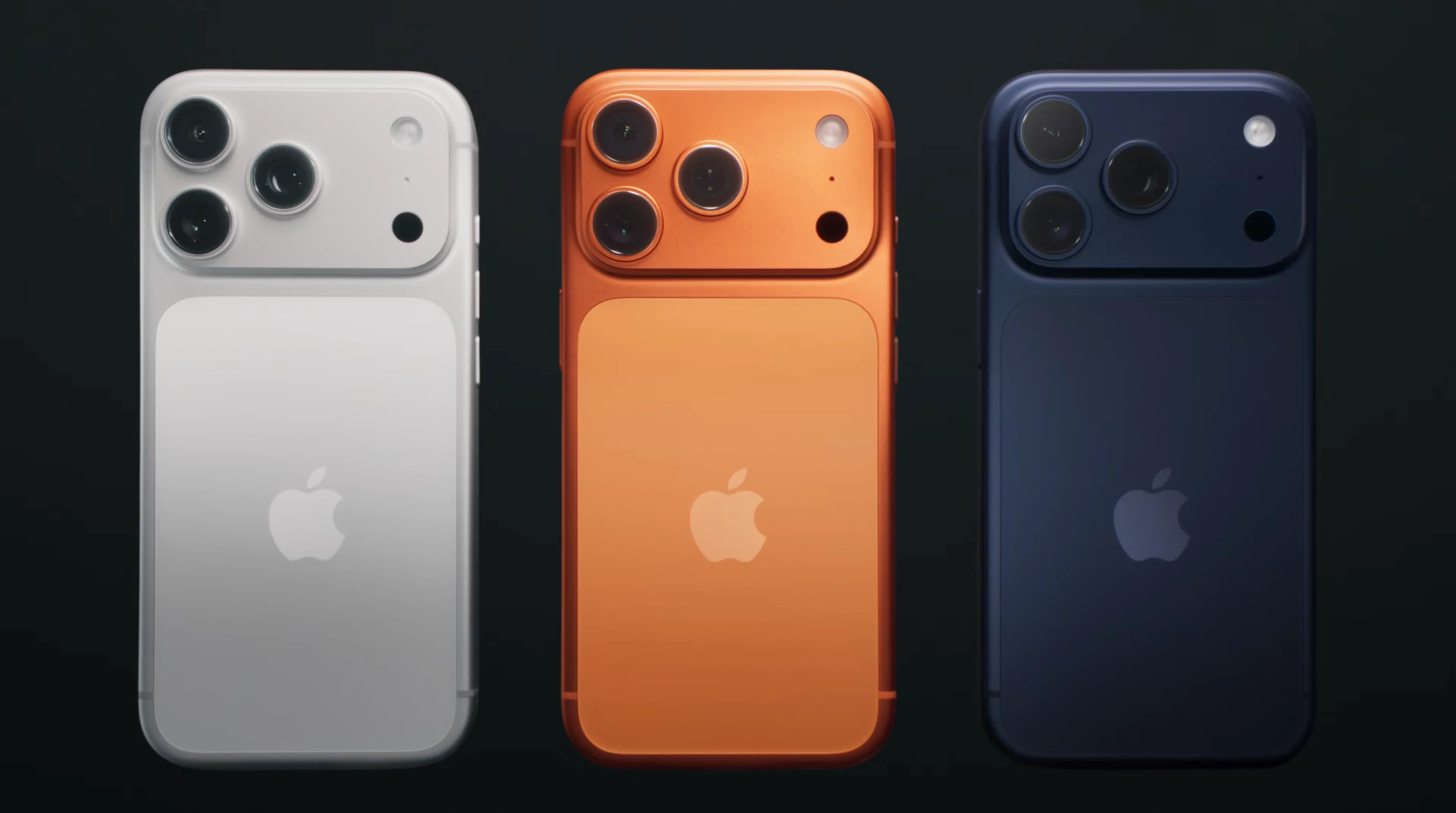
Apple unveiled its iPhone 17 series last week, marking a significant departure from previous generations in terms of design. The base model now features a larger display, while the Pro variants come with a completely redesigned back panel. Additionally, there"s a new Air model that emphasizes slimness and portability.
Apple"s design strategy has changed since Jony Ive left the company in 2019. However, the iPhone 17 series represents the cornerstone of Apple"s revamped hardware strategy, laying the foundation for a new generation of iPhones that are more durable and designed around customer needs.
As Mark Gurman explains in this week"s Power On newsletter, Apple is "rethinking its hardware in a way that we haven"t seen in years." Gurman says the first major change to come to iPhones is a focus on durability.
Whenever a new iPhone is released, many YouTubers put it to the test—bending it or checking its screen resistance. While most iPhones in recent years have managed to survive these torture tests, Apple aims to make its best-selling product even more durable this time.
According to Gurman, we can expect fewer screen cracks and other major damage on iPhones, thanks to the stronger glass on both the front and back.
Another major change for the Pro variants comes in the form of enhanced features, including battery upgrades and camera improvements—sweetening the deal for customers. This could represent one of the most significant design shifts in recent years, as Apple has traditionally aimed to make iPhones slimmer and lighter. At the same time, a larger battery could jeopardize those efforts.
Previous reports suggest that Apple is planning at least three years of major iPhone redesigns, with the iPhone 17 serving as the first step. We can expect Apple"s first foldable iPhone in 2026, followed by a glass-centric model in 2027, coinciding with the iPhone"s 20th anniversary.