Meta introduced Instagram Teen Accounts in September last year, and today it has announced a major overhaul to these accounts, changing how Instagram handles content for teenage users, introducing new age-appropriate settings guided by PG-13 movie ratings. The change, which begins rolling out today across the US, UK, Australia, and Canada, aims to make Instagram’s teen experience more closely resemble what would be deemed suitable for a 13+ audience on the big screen.
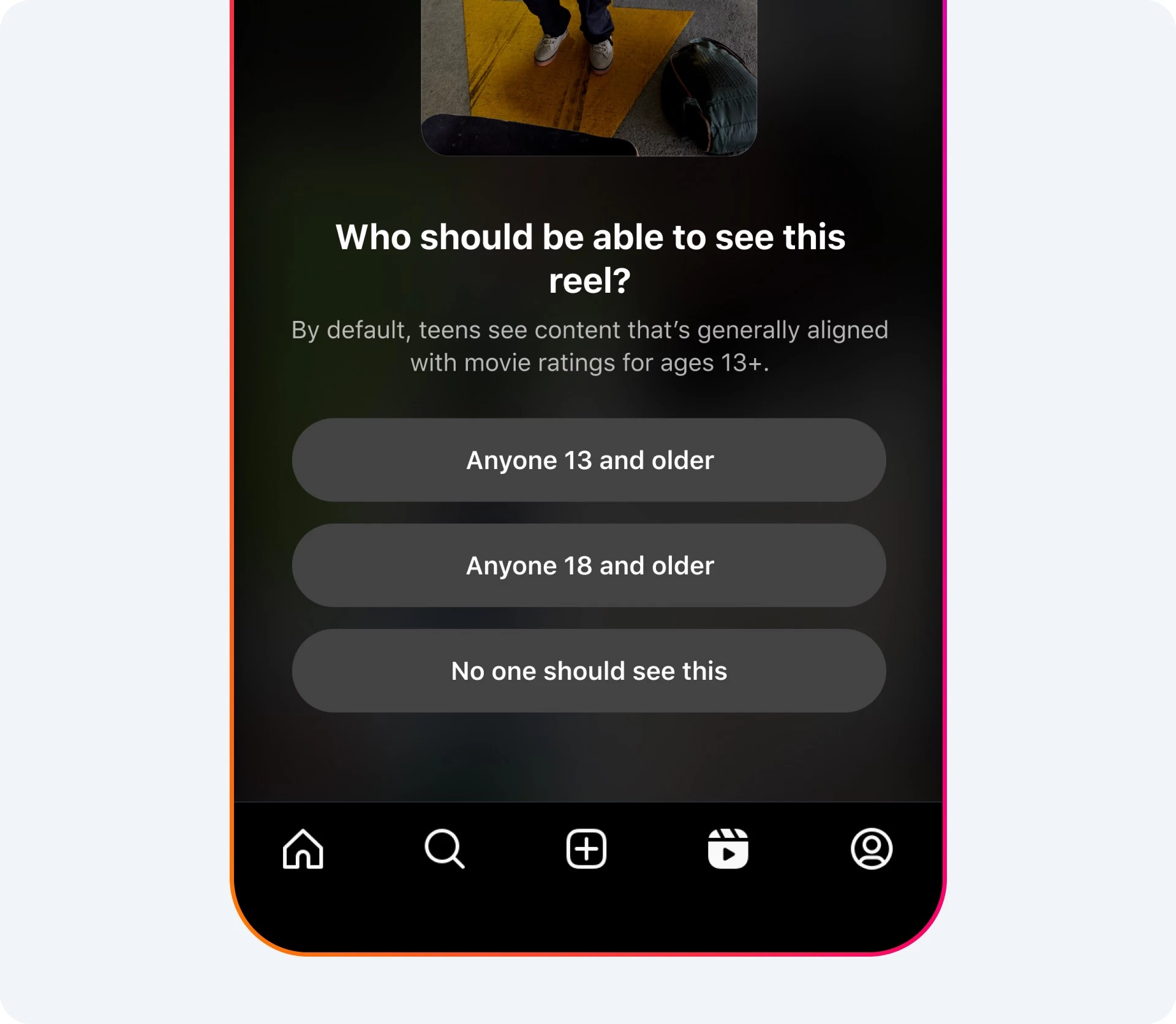
Under the new system, all users under 18 will automatically be placed in a 13+ content setting, restricting exposure to mature or sensitive material. Teens won’t be able to opt out of this default without parental approval. The company says the change is designed to ensure that teens encounter only content similar in tone and maturity level to what they might see in a PG-13 film.
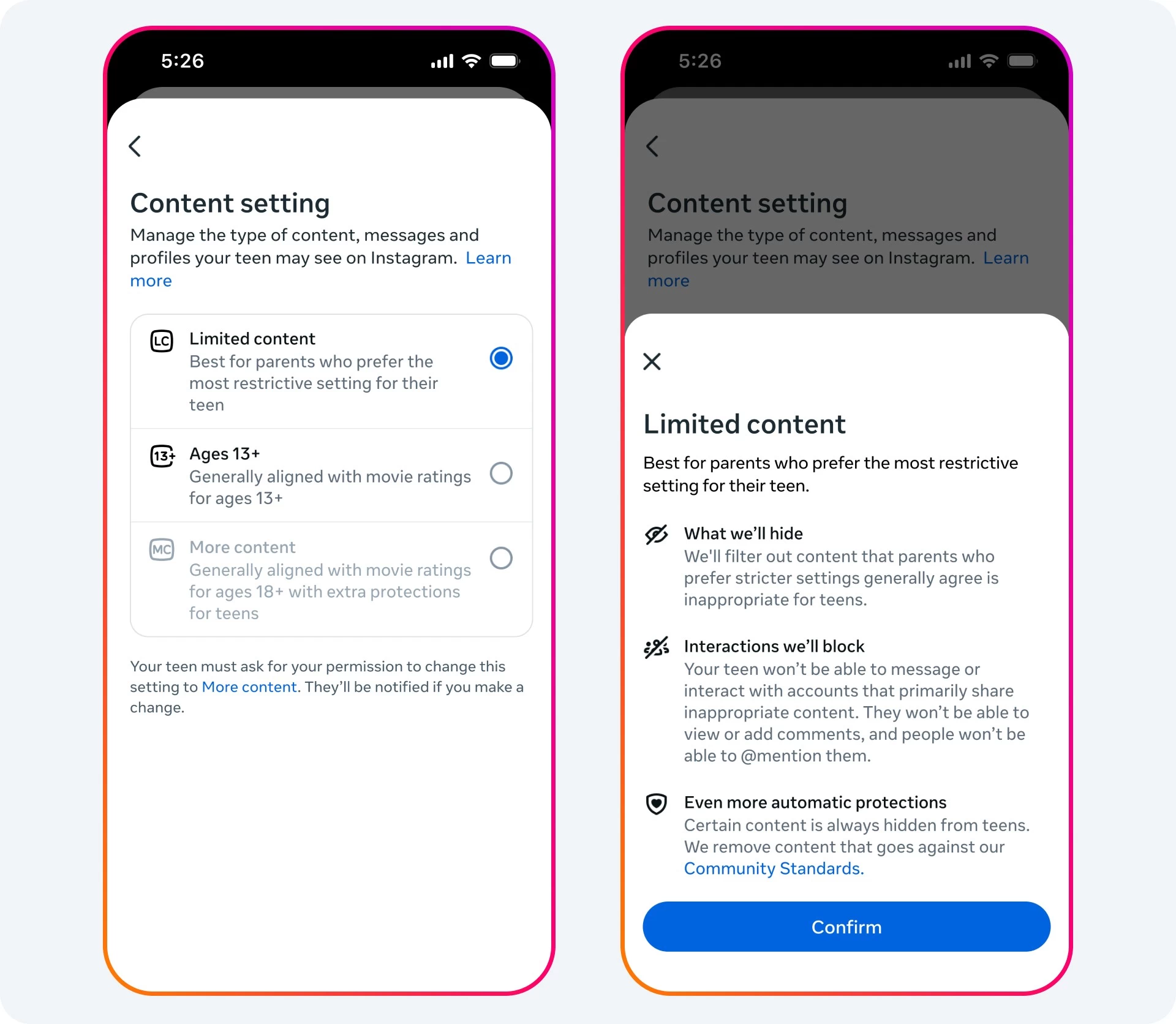
For parents seeking stricter oversight, Instagram is introducing an optional "Limited Content" mode; an even more restrictive setting that hides a wider range of posts and removes the ability to comment or receive comments. Starting next year, this mode will also further limit AI-based interactions for teens.
Meta says the PG-13 framework serves as a familiar, independent benchmark for parents. While acknowledging that social media and cinema are inherently different, the company reviewed its existing guidelines to align them more closely with the rating system’s principles.
Instagram’s updated policies will now hide or stop recommending posts containing strong language, risky stunts, or content that could encourage harmful behaviour, such as drug-related material. The changes build on existing protections that already restrict sexually suggestive imagery, violent or graphic visuals, and promotions of alcohol or tobacco.
The update also expands Instagram’s detection systems and age-verification measures. The tech giant says it has refined its age prediction technology to help identify teens attempting to bypass restrictions by claiming to be older.
Teenagers will also no longer be able to follow or interact with accounts that frequently share age-inappropriate content, nor will those accounts be able to message or comment on teen profiles. Furthermore, search filters will block a wider range of mature terms, including references to alcohol or gore, and AI interactions will also adhere to PG-13 guidelines, avoiding age-inappropriate responses.
Meta emphasised that parental input played a major role in shaping the update. The company invited thousands of parents worldwide to rate real Instagram posts for age suitability, gathering over 3 million content ratings in total. In follow-up surveys, fewer than two percent of reviewed posts were deemed inappropriate by most parents.
In addition, an Ipsos survey commissioned by Meta found that 95 percent of US parents believe the new settings will be useful, and 90 percent said the changes will make it easier to understand the kind of content their teens are likely to see. To continue incorporating family feedback, the company will run regular in-app surveys and test tools that allow parents to flag posts they feel should be hidden from teens.
The updated teen content settings begin rolling out today and are expected to reach all eligible users in the initial launch countries by the end of the year. Meta says global expansion will follow, alongside additional protections for teens on Facebook.