Kawasaki has introduced a range of innovative mobility solutions designed to address humanity"s innate "instinct to move", an idea rooted in the belief that movement fosters happiness and well-being. These concepts are set to make their debut at the Osaka, Kansai Expo 2025, in five days, where Kawasaki aims to showcase technologies that adapt to societal changes while preserving the joy of mobility.
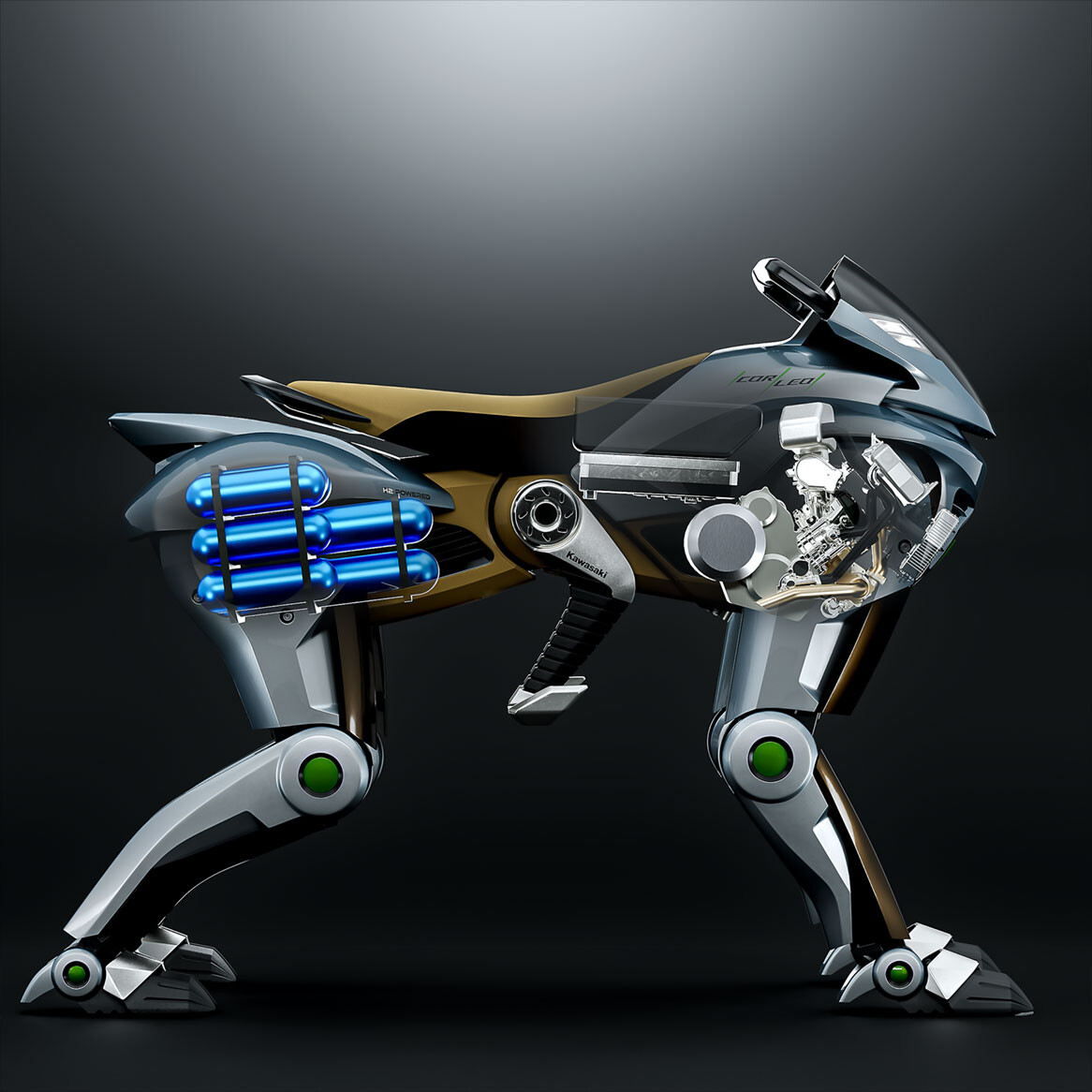
Among the highlights is CORLEO, a revolutionary off-road personal mobility device that blends robotic engineering with the stability and handling of Kawasaki motorcycles. CORLEO, which resembles a horse, promises to provide riders with safe access to previously unreachable terrains.
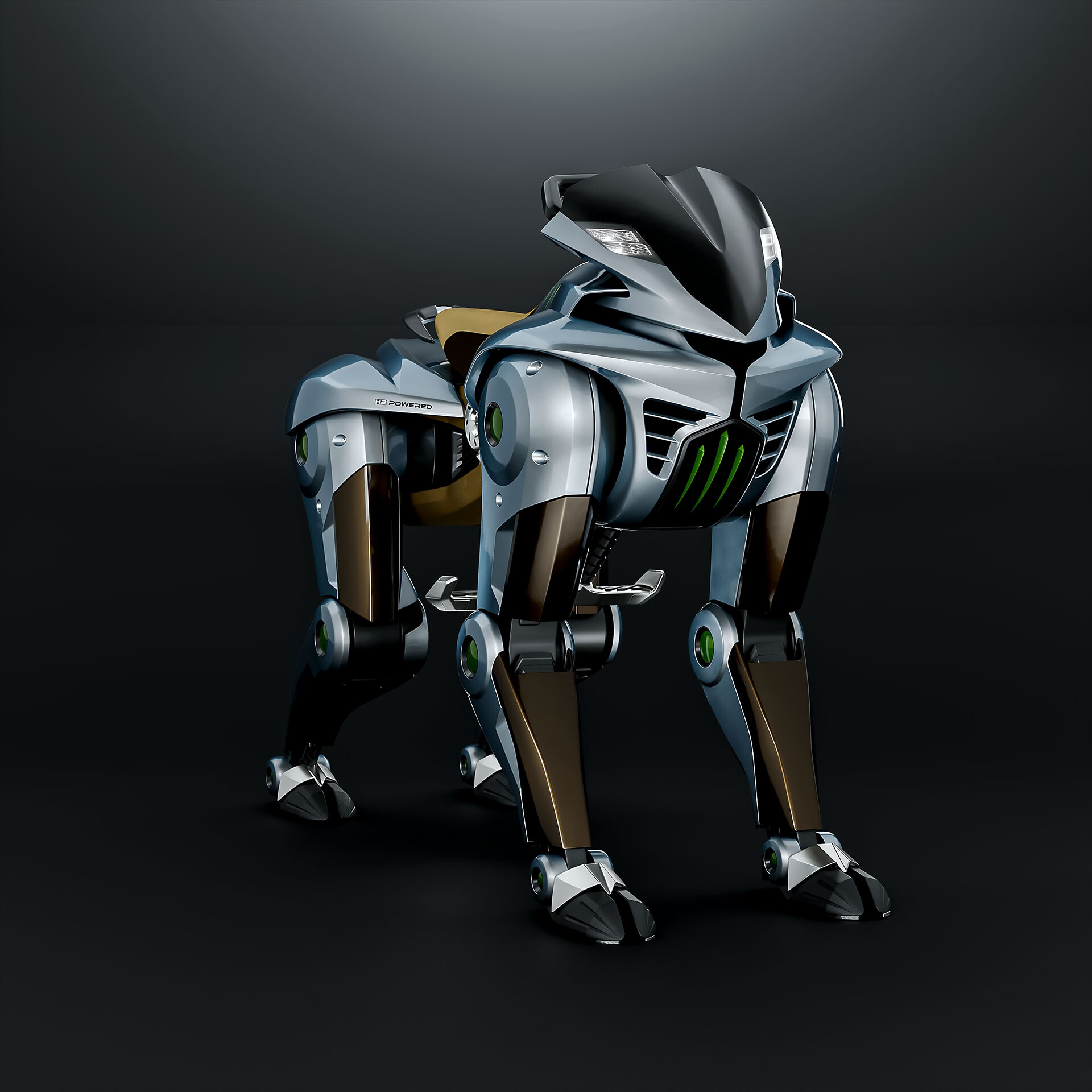
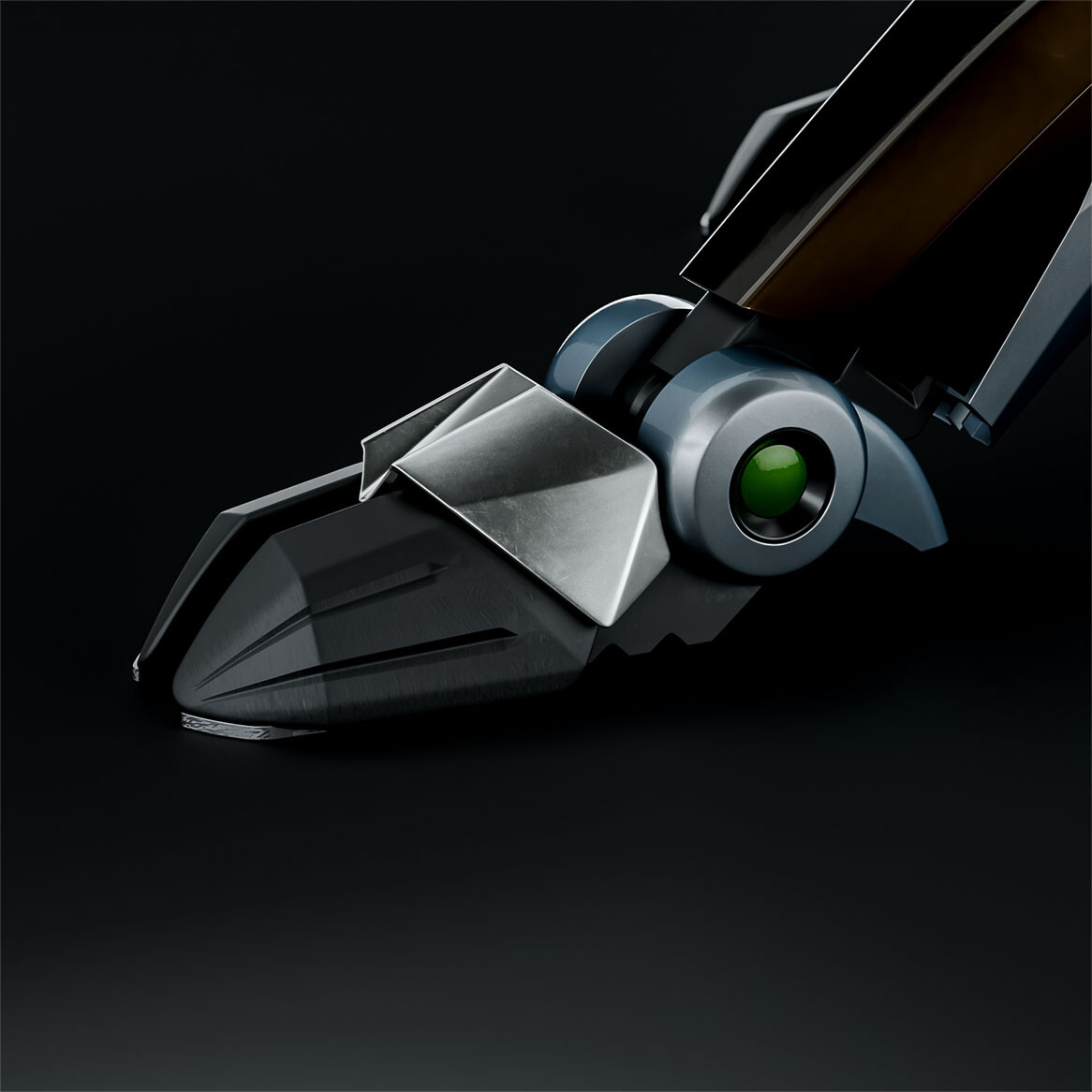
Powered by four robotic legs equipped with "slip-resistant" rubber hooves, the vehicle adapts to diverse surfaces such as grasslands, rocky paths, and rubble fields. Riders control the machine through weight shifts, detected by handlebars and stirrups, and can adjust posture for optimal comfort.
The power source for CORLEO is a 150cc hydrogen engine connected to a rear-mounted hydrogen canister. This engine generates electricity to drive motors embedded in each robotic leg. Riders are guided by an instrument panel displaying crucial information, such as hydrogen levels, center of gravity position, and navigation routes. For nighttime travel, the system projects markers onto the ground to illuminate the path ahead.
While Kawasaki’s concept aims to preserve the joy of riding, its practical implementation remains speculative. Questions linger regarding the feasibility of integrating robotic legs, hydrogen power, and off-road adaptability into a single system, especially in terms of cost and scalability.
In addition to CORLEO, Kawasaki plans to showcase the ALICE SYSTEM—a future public transportation concept that emphasizes comfort and accessibility for all travelers. Together, these innovations align with Kawasaki"s theme of movement as a human instinct, demonstrating a bold vision for advancing mobility technologies. There will also be a third concept designed dubbed O’CUVOID there, which is said to be an "affordable" hydrogen power generator for Kawasaki motorcycles.
As these ideas remain conceptual, their impact on personal and public transportation will depend on how Kawasaki addresses technological, environmental, and societal challenges.
This article was generated with some help from AI and reviewed by an editor.