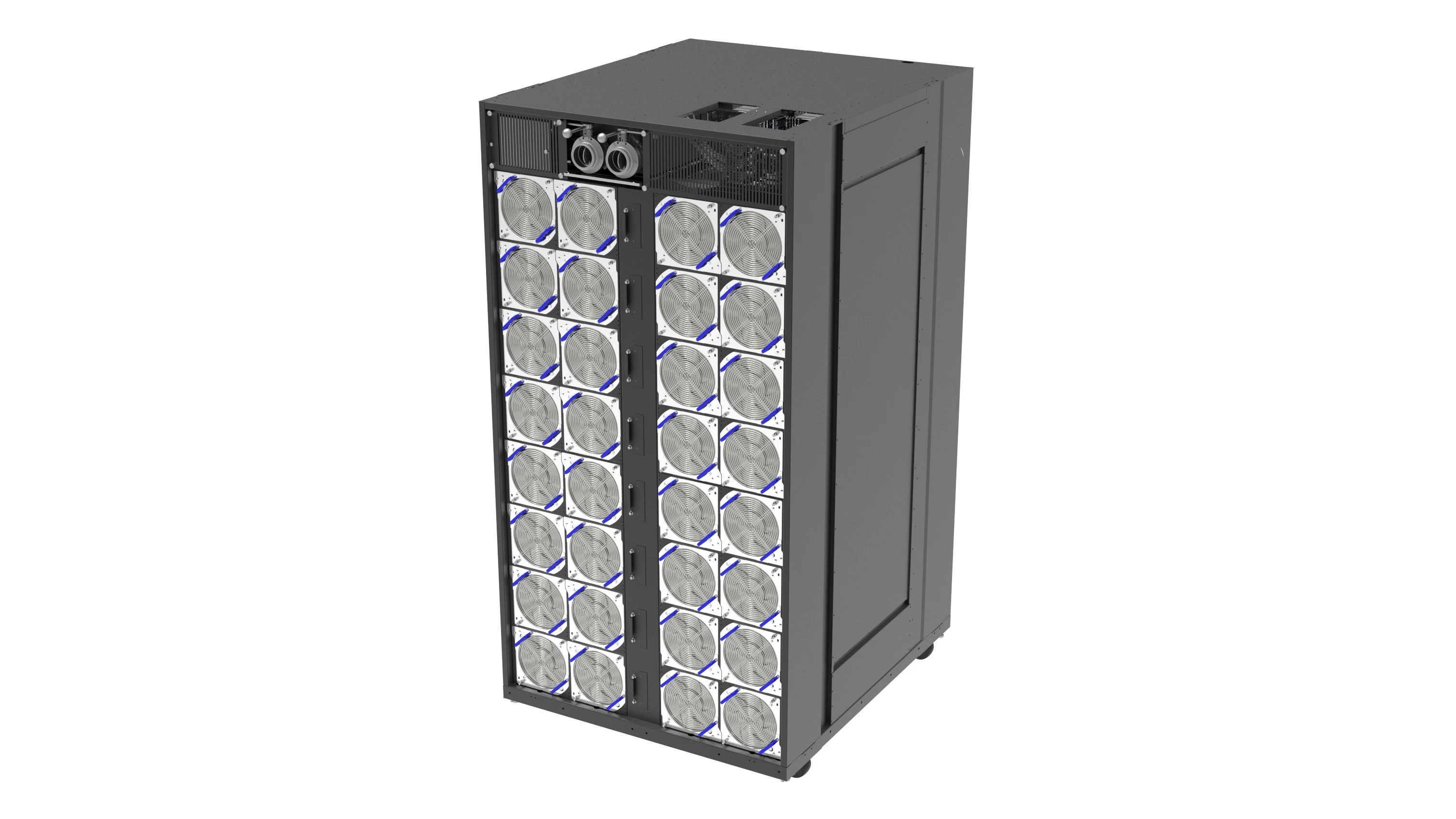
Microsoft has introduced its next generation Heat Exchanger Unit (HXU) which is designed to deliver 2x the cooling capacity within the same physical footprint as the first-generation unit. The Redmond giant said that modern AI accelerators can push rack power density beyond 200 kW, exceeding legacy air-cooled infrastructure limits.
Microsoft’s goal is to boost reliability for mission-critical AI deployments, as traditional air cooling cannot keep pace with hotter, denser AI workloads. This efficiency boost ensures that demanding workloads remain optimized.
The next generation HXU supports rack densities above 240 kW per rack, while having the same two-tile width form factor as the last generation HXU, allowing for easy deployment in existing air-cooled data center aisles. The design allows for the integration without requiring major facility overhauls.
Microsoft said that the reliability and availability of the HXU were core design elements, with a goal of achieving 99.9% uptime. This was achieved through component redundancy with multi-pump and dual-power configurations included. The design also includes leak detection and drip pans for enhanced coolant management. For firmware integrity, the unit is compliant with multiple security standards: secure boot, NISP SP 800-53, CIS controls, and ISO/IEC 27001.
This next-gen HXU has been built to scale with the future of artificial intelligence and Microsoft is also sharing the design contributions through the Open Compute Project Foundation (OCP) so that others can take advantage of high-density cooling in a sustainable way - this is important as AI is notoriously energy intensive.
Source: Microsoft