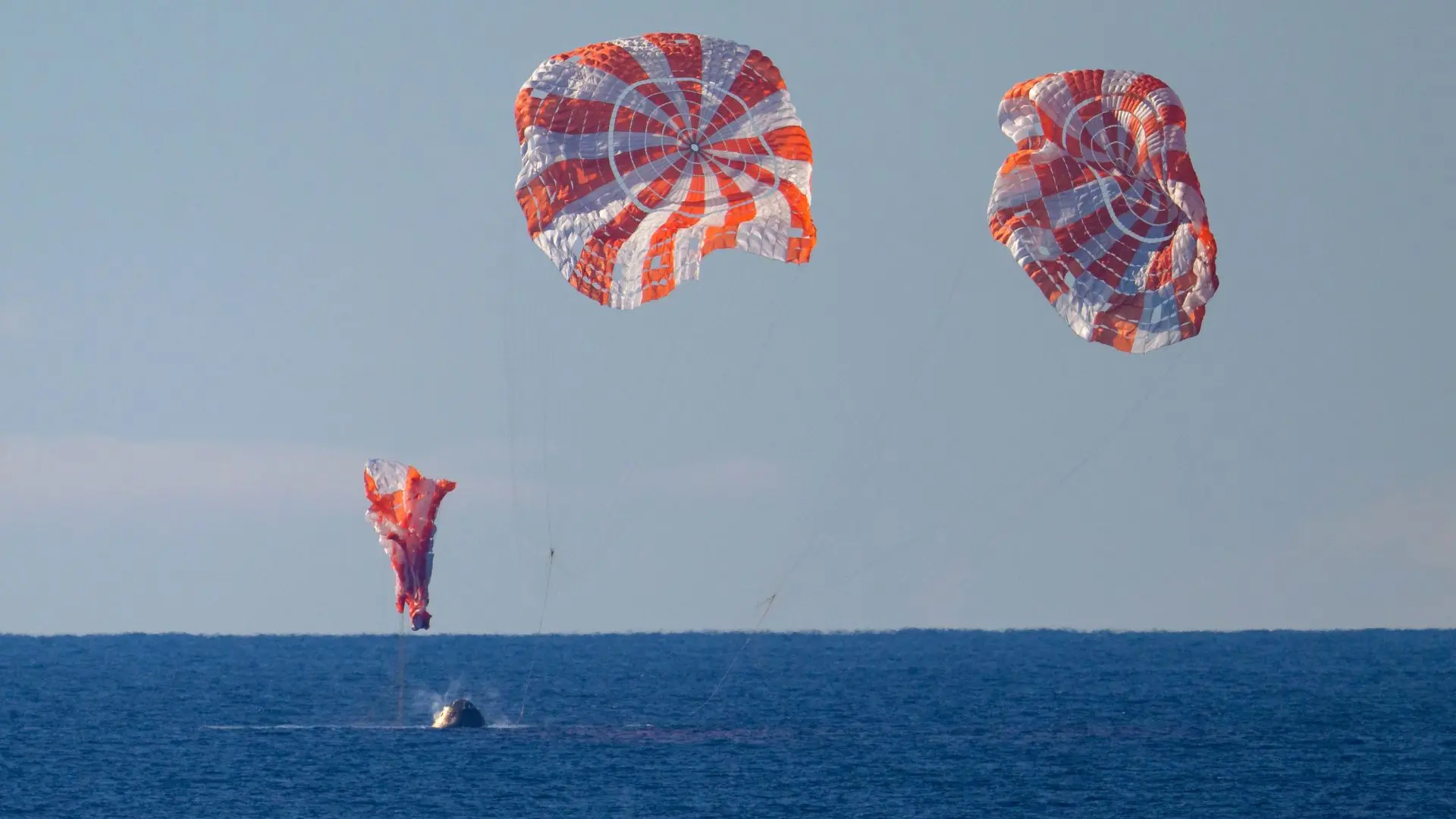
It"s not every day that you hop on a spaceship, do a lunar flyby, and come back to Earth. The four astronauts on the Artemis II mission did exactly that, finally setting foot on our planet again after a 10-day round trip to the moon.
Welcome home Reid, Victor, Christina, and Jeremy! 🫶
— NASA (@NASA) April 11, 2026
The Artemis II astronauts have splashed down at 8:07pm ET (0007 UTC April 11), bringing their historic 10-day mission around the Moon to an end. pic.twitter.com/1yjAgHEOYl
Their name is now part of space history for setting a new record. They have become the first humans to travel the farthest into space to date (252,756 miles), breaking the previous record set by Apollo 13 astronauts in 1970. During the mission, the Artemis crew flew 694,481 miles in total.
NASA astronauts Reid Wiseman, Victor Glover, and Christina Koch, along with the Canadian Space Agency"s Jeremy Hansen, splashed down in the Pacific Ocean off the coast of San Diego at 5:07 pm PDT on Friday.
A combined team from NASA and the US military assisted them out of the Orion spacecraft in the open water and gave them a helicopter ride to the USS John P. Murtha for initial medical checkups before their expected arrival at NASA’s Johnson Space Center on April 11. The space agency will hold a post-splashdown press conference at 10:35 pm EDT from the Johnson Space Center in Houston.
If you weren"t following the latest moon mission, the Artemis II crew launched on NASA"s SLS rocket carrying the Orion spacecraft at 6:35 pm on April 1 from Launch Pad 39B at the Kennedy Space Center in Florida. The situation took a dramatic turn when they hit an earthly snag: they had two versions of Microsoft Outlook on their system, but neither worked.
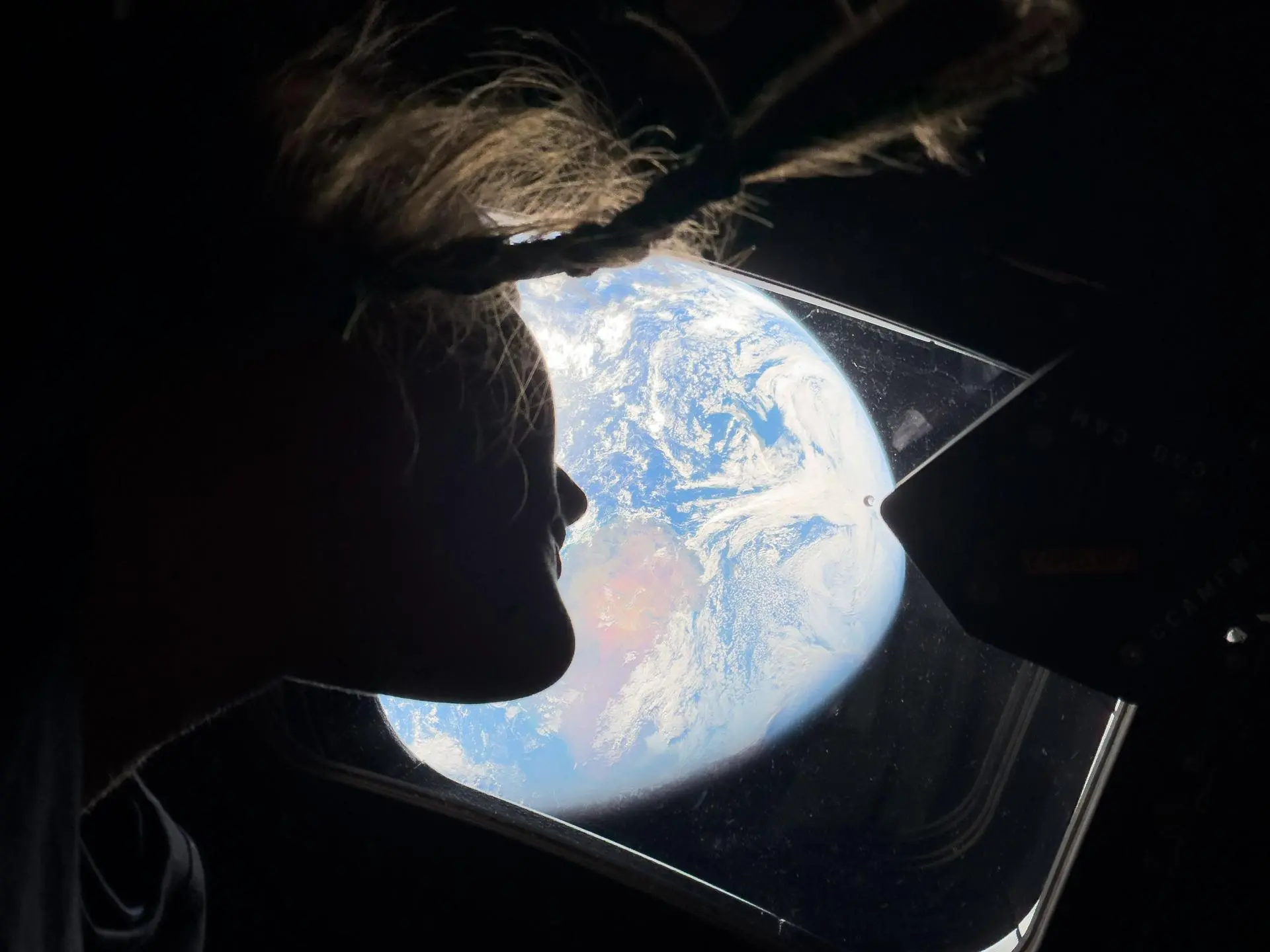
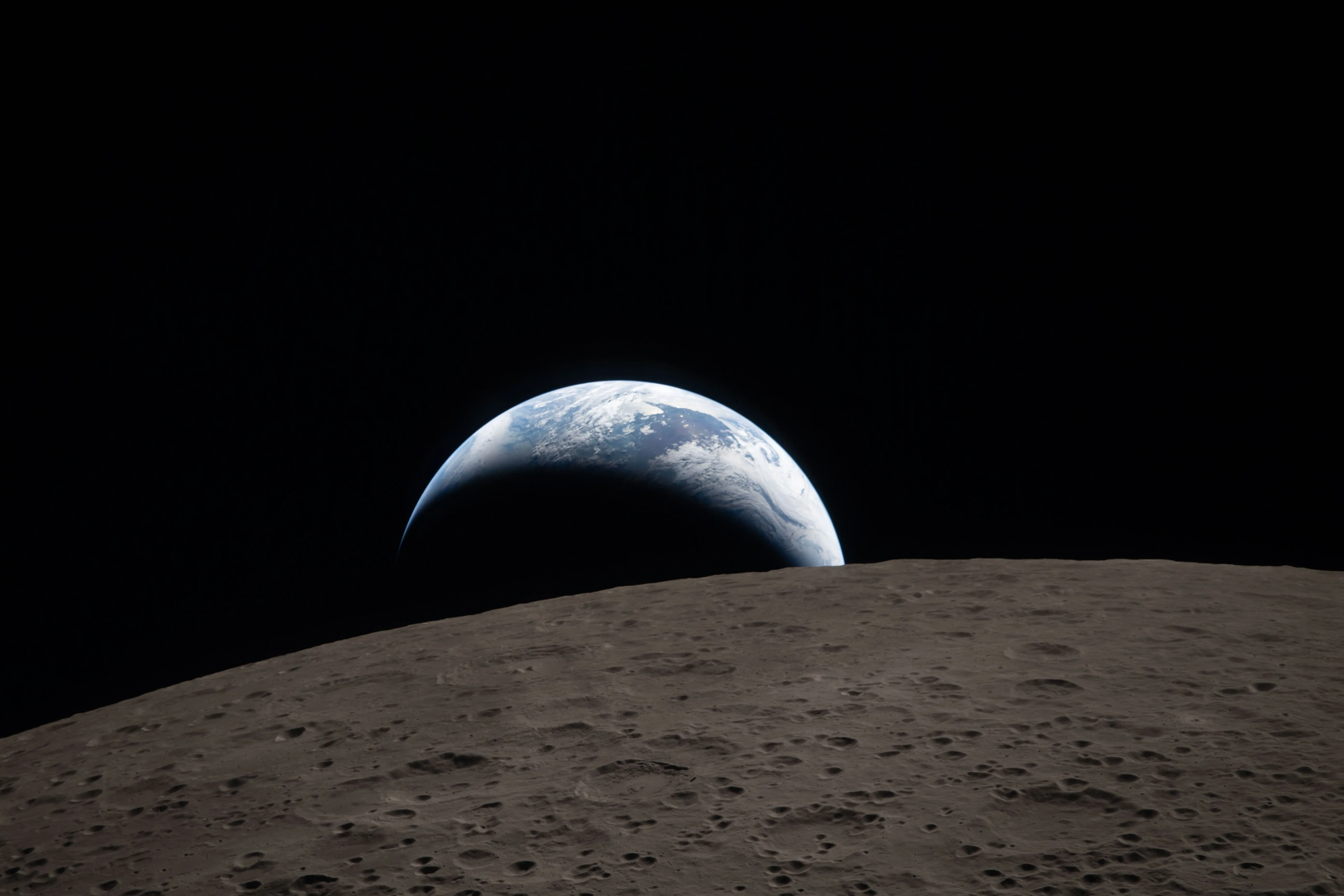
The astronauts kept the excitement high at their home planet by sharing high-quality images and videos from "above," including several photos shot using an iPhone 17 Pro (like the one above). They captured more than 7,000 images of the lunar surface and a solar eclipse during the lunar flyby on April 6. They also captured stunning views of the Earthset, ancient lava flows, impact craters, the Milky Way, and surface fractures and color variations across the lunar terrain.
Among various scientific explorations, the crew supported NASA"s scientific investigations to help the agency prepare astronauts to live and work on the Moon as it plans to build a lunar base. NASA wants to gather health data for long-duration missions, such as studying how human tissue responds to microgravity and the deep space radiation environment.
That said, NASA looks forward to the Artemis III mission for next year. The space agency will appoint a new Orion crew to test integrated operations with commercially built Moon landers in low Earth orbit.