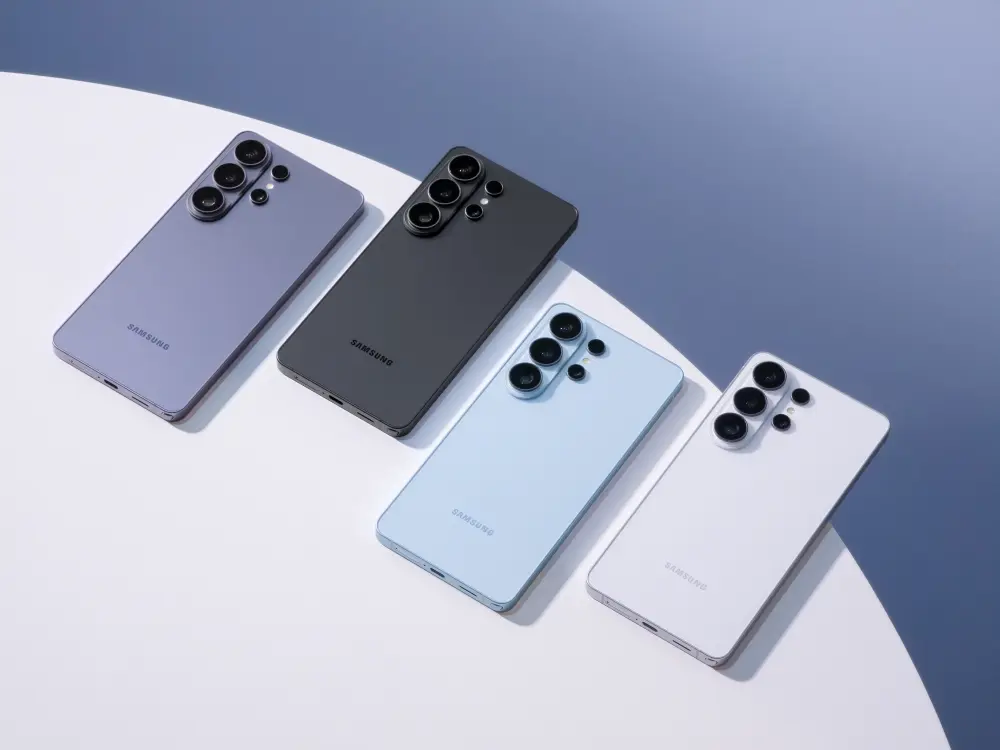
After months of swirling rumors, Samsung has finally pulled back the curtain on its Galaxy S26 series at the first Unpacked event of the year. The lineup includes the Galaxy S26, Galaxy S26 Plus, and Galaxy S26 Ultra. If you"re wondering why Samsung ditched the ultra-thin Edge model this year, it’s because the Galaxy S25 Edge underperformed.
Among them, the Galaxy S26 Ultra stands out as the crown jewel of Samsung’s latest flagship lineup. The starting price for the 256GB model is $1,299, unchanged from last year. And that’s good news for buyers. But the big question remains: Should you upgrade to the S26 Ultra if you already own an older Samsung flagship? Let’s find out.
The Galaxy S26 series is a modest upgrade
Not just the Ultra model, but the entire Galaxy S26 series feels like a modest spec refresh over last year’s S25 lineup. This has become a common pattern in the smartphone industry. With each new release, we typically see a slightly faster processor, incremental camera improvements, a handful of software tweaks, and plenty of AI features, many of which may not be particularly useful for the average user.
The Galaxy S26 Ultra is no exception, though it does bring a few meaningful upgrades over its predecessor. For instance, the phone now weighs 214 grams and measures just 7.9mm in thickness, making it more ergonomic and comfortable to hold.
Here are the key specifications:
- 6.9-inch Dynamic LTPO AMOLED display with a 120Hz refresh rate
- Qualcomm Snapdragon 8 Elite Gen 5 chipset paired with 12GB or 16GB of RAM
- Android 16 with up to seven major Android upgrades
- Quad-camera system: 200MP wide, 50MP ultra-wide, 50MP telephoto, and 10MP telephoto
- 5,000mAh battery with 60W wired and 25W wireless charging support
What’s new?
Privacy Display is arguably the most notable addition to the Galaxy S26 series and sits at the heart of Samsung’s marketing campaign. This feature prevents your screen from being visible to prying eyes in public spaces by intelligently controlling how pixels disperse light. It could prove especially useful for users who prioritize privacy while commuting or working in crowded environments.
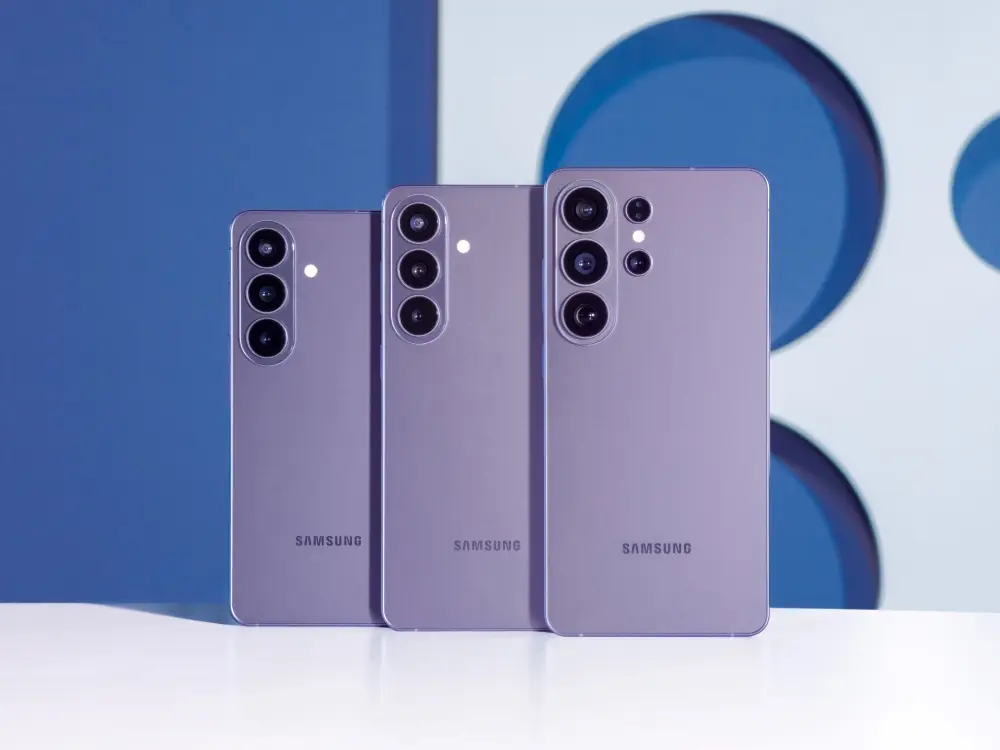
Additionally, the 200MP main camera on the S26 Ultra now features a wider f/1.4 aperture, allowing more light to reach the sensor and resulting in improved low-light photography. The Space Zoom system has also been enhanced with new AI-driven optimizations. Other camera-related upgrades include an improved Nightography Video mode, support for the APV (Advanced Professional Video) codec, and a new Photo Assist tool that enables AI-powered image editing through text prompts.
The Ultra model is powered by the Snapdragon 8 Elite Gen 5 for Galaxy chipset. According to Samsung, this custom-tuned processor delivers a 19% increase in CPU performance, a 24% boost in GPU performance, and an impressive 39% improvement in NPU capabilities compared to the previous generation.
Should you upgrade?
The Galaxy S26 Ultra introduces several improvements over its predecessor, including a faster processor, a vibrant display with the new Privacy Display feature, a main camera with a wider aperture, and a host of AI-powered enhancements. It’s a phone you could confidently recommend to an iPhone user looking to switch to Android without worrying about disappointing them.
However, for users who already own a recent flagship such as the S25 Ultra, or even models that are two or three years old, like the S24 Ultra or S23 Ultra, the Galaxy S26 Ultra may not deliver enough meaningful upgrades to justify the $1,299 price tag.
That said, if you"re a professional mobile photographer or videographer, the Galaxy S26 Ultra appears to be a compelling choice thanks to its camera refinements and powerful chipset. For more casual users, though, older Samsung flagships are still more than capable of delivering an excellent experience.
What do you think about the Galaxy S26 Ultra? Do you think it’s worth the upgrade? Let us know in the comments!