Following our reviews of the 2024 series of TerraMaster NAS for Home and Small Businesses, TerraMaster is back with another in its 2025 lineup of the same class NAS with the F4-425 Plus.
What you need to know is that it basically follows the design principles of the four-bay F4-424 series but with a new look, and some exciting changes.
Here are the most important specifications:
| TerraMaster F4-425 Plus | |
|---|---|
| CPU | Intel Core N150 (4x E Cores/Threads, Max burst up to 3.6 GHz) TDP: 6W |
| Graphics | Intel UHD Graphics 24 EUs |
| Memory | 16 GB DDR5 4800MT/s SODIMM |
| Disk Capacity | 120 TB (30 TB x 4) |
| Supported RAID Types | TRAID, TRAID +, RAID0, RAID1, RAID5, RAID 6, RAID 10 |
| Network | 2x RJ-45 5 GbE |
| Internal storage | 3x M.2 2280 NVMe Slot (PCIe 3.0 x1) |
| Bootloader | 2Gbit 256 GB NAND Flash card (MX30LF2G28AD) USB port (internal) |
| USB Ports | 1x Type-C 3.2 Gen 2 (10Gbps) 3x Type-A 3.2 Gen 2 (10Gbps) |
| HDMI | 1x (HDMI) |
| Hardware Transcoding Engine | H.264, H.265, MPEG-4, VC-1 |
| Size (H/W/D) | 219 x 181 x 150 mm |
| Weight | 2.9 kg |
| System Fan | 120 x 120 x 25mm |
| Power | 90W, 100V - 240V AC, 50/60 Hz, Single frequency |
| Power consumption (HDDs) | 45W (4x 4TB ST4000VN008 in read/write state) 14W (4x 4TB ST4000VN008 in hibernation) |
| Warranty | 2 Years |
| OS | TOS 6.0.783 |
| MSRP | $569.99 / €599.99 |
As you can see from the specs, this is no slouch. However, the clear difference with the F4-424 Pro is that it contains a much newer N150 Intel CPU, released in the first quarter of this year with support for DisplayPort 1.4, HDMI 2.1, WiFi 6E, Bluetooth .2, LPDDR5 (4800), DDR5 and DDR4, and a max TDP of just 6W. It also supports AV1 decoding, as well as H.264, VP8, VP9, H.265 (8 bit), and H.265 (10 bit).
| Processor | E-cores | L3-cache | Turbo clock | GPU | GPU-clock | TDP |
|---|---|---|---|---|---|---|
| Intel N355 | 8 | 6 MB | 3.9 GHz | 32 EUs | 1.35 GHz | 9-15 W |
| Intel Core i3-N305 | 3.8 GHz | 1.25 GHz | ||||
| Intel N350 | 3.9 GHz | 1.35 GHz | 7 W | |||
| Intel Core i3-N300 | 3.8 GHz | 1.25 GHz | ||||
| Intel N250 | 4 | 3.8 GHz | 1.25 GHz | 6 W | ||
| Intel Processor N200 | 3.7 GHz | 0.75 GHz | ||||
| Intel N150 | 3.6 GHz | 24 EUs | 1 GHz | |||
| Intel N97 | 1.2 GHz | 12 W | ||||
| Intel Processor N100 | 3.4 GHz | 0.75 GHz | 6 W |
The CPU is part of this year"s low end Twin Lake offering that replaces the N100, and sits just above Intel"s entry-level mobile processor, albeit with an impressive TDP for the features it offers. It is designed for low powered systems, and entry level laptops.
As before, we are seeing another NAS with an acceptable, if not great, amount of RAM. As a reminder, up until a couple of years ago, it was commonplace to only get 2 or 4GB max on a flagship Synology or QNAP home NAS. Ever since the likes of TerraMaster and more have entered the market with ample RAM sizes included in their NAS offerings, it has gone a long way in forcing the hands of the traditional makers to up their game a bit.
Before we dive in, you can view the different SKUs released so far for the 2025 series of Home and SMB users, with the most important specifications listed along with the MSRP listed below:
| SKU | CPU | Cores | Memory | Link | Price |
|---|---|---|---|---|---|
| F2-425 | Intel N5095 | 4 | 4 GB DDR4 | 2.5 GbE x1 | $249.99 |
| F4-425 | Intel N5095 | 4 | 4 GB DDR4 | 2.5 GbE x1 | $369.99 |
| F2-425 Plus | Intel Core N150 | 4 | 8 GB DDR5 | 5 GbE x 2 | $399.99 |
| F4-425 Plus | Intel Core N150 | 4 | 16 GB DDR5 | 5 GbE x 2 | $569.99 |
First impressions
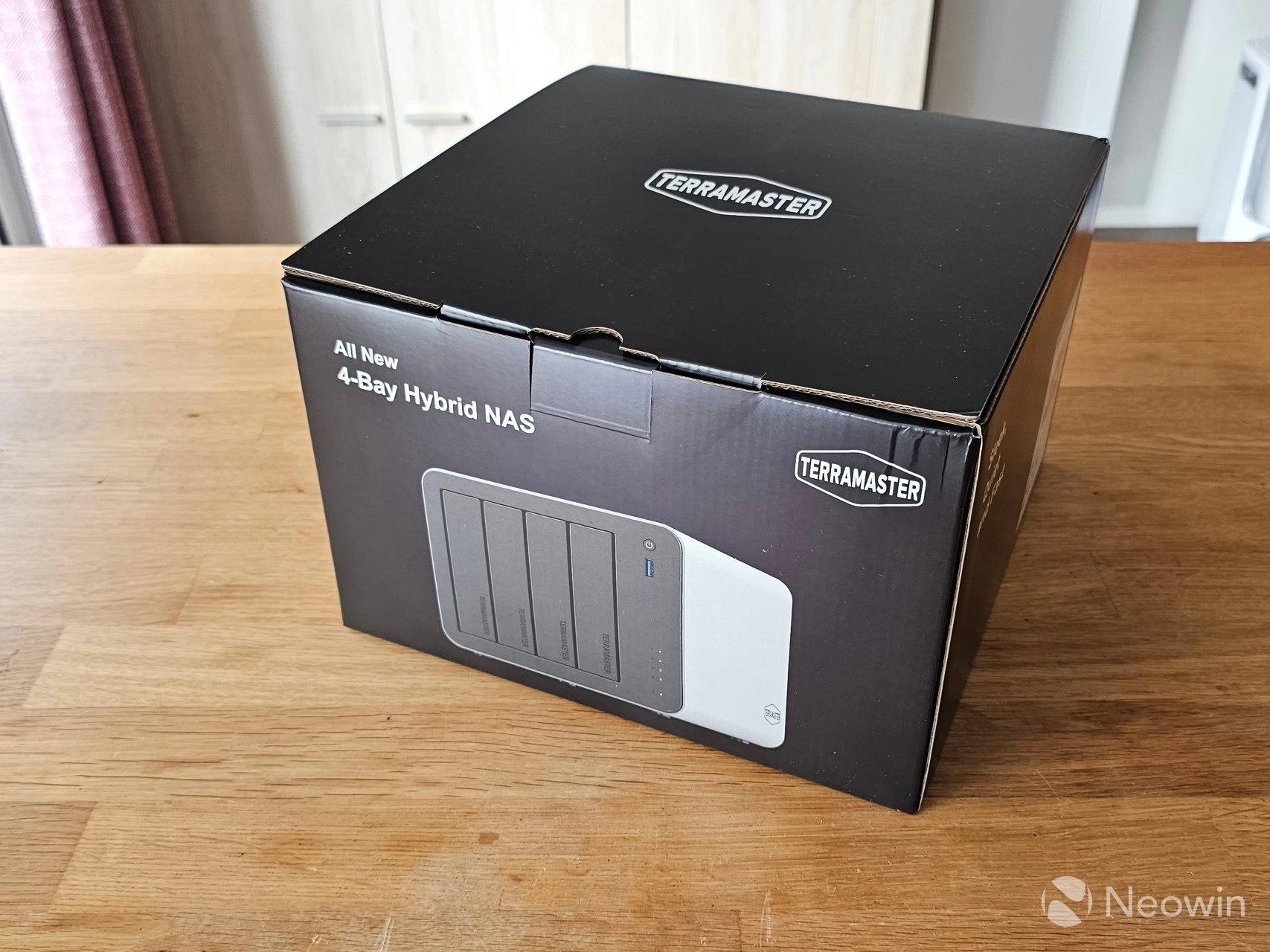
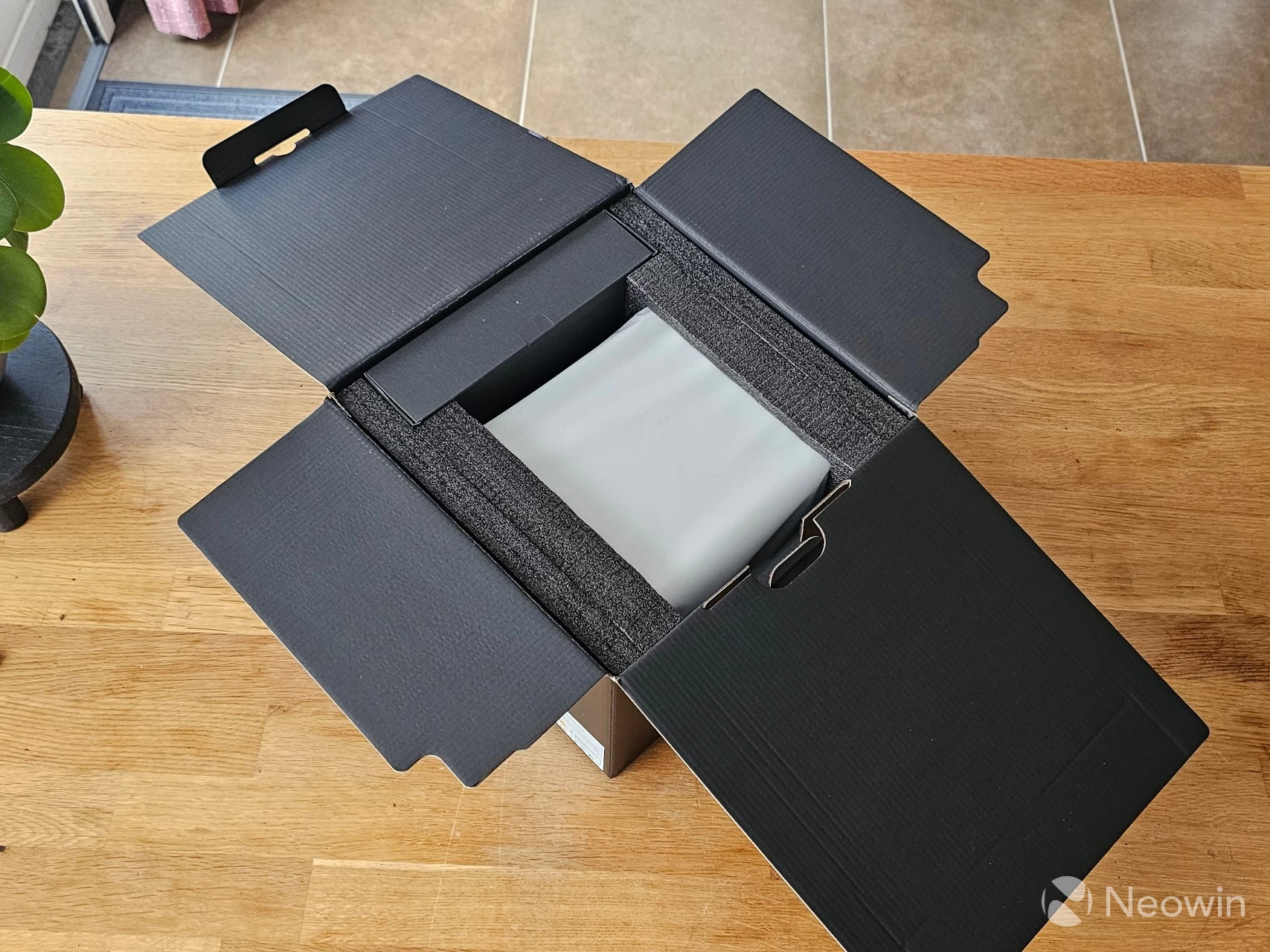
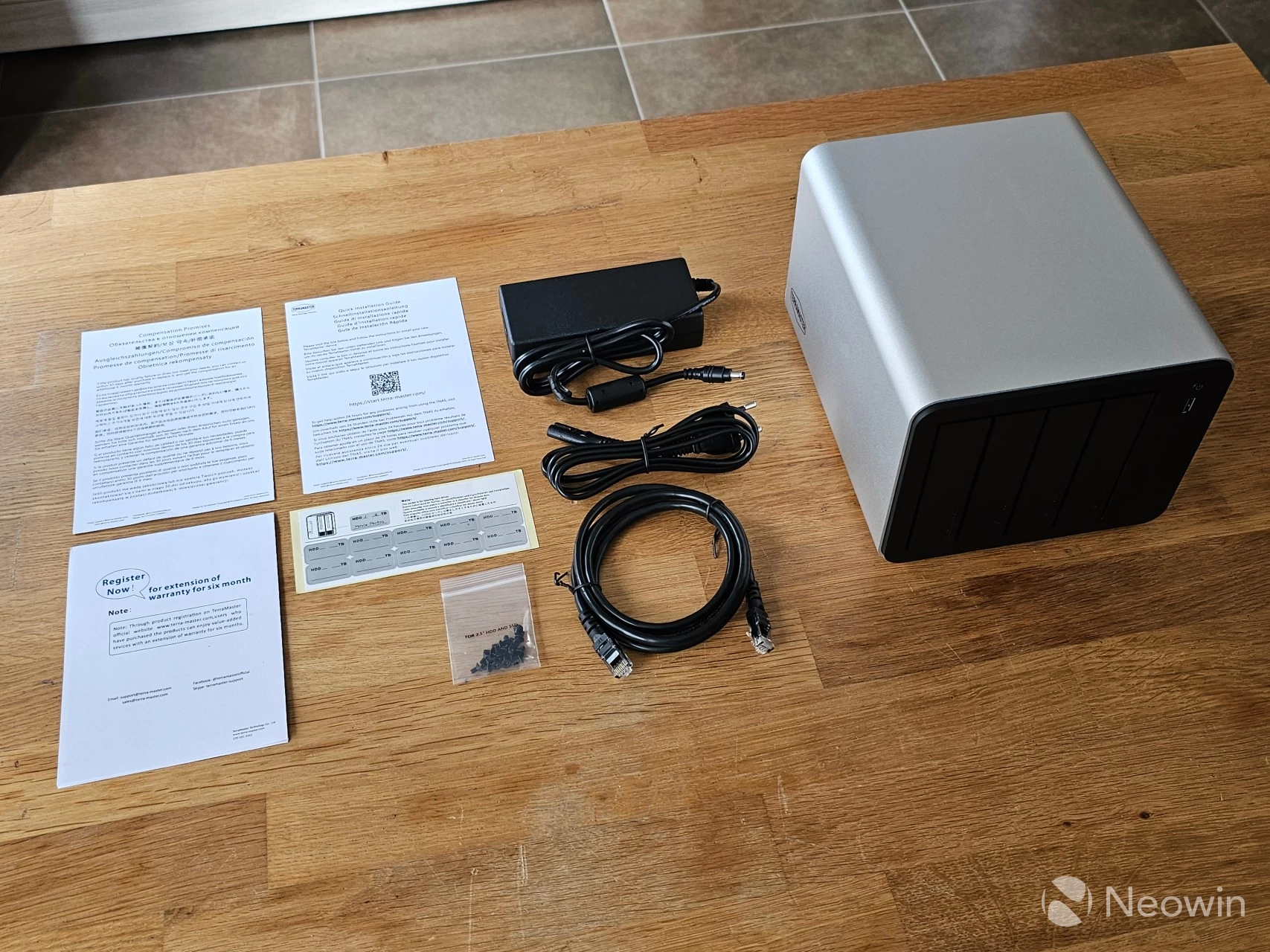

Like with the F8 SSD Plus packaging, the F4-424 Max is using the upgraded box materials, that certainly look better than a plain cream colored box with TERRAMASTER stamped on the sides. The box gives off a premium feel, and certainly adds a positive vibe to first impressions.
In the box
- F4-425 Plus TNAS device
- Power adapter
- LAN cable (CAT 6)
- Quick guide [full online guide]
- Limited warranty notice
- Screws (for HDD bays)
- Stickers
Design
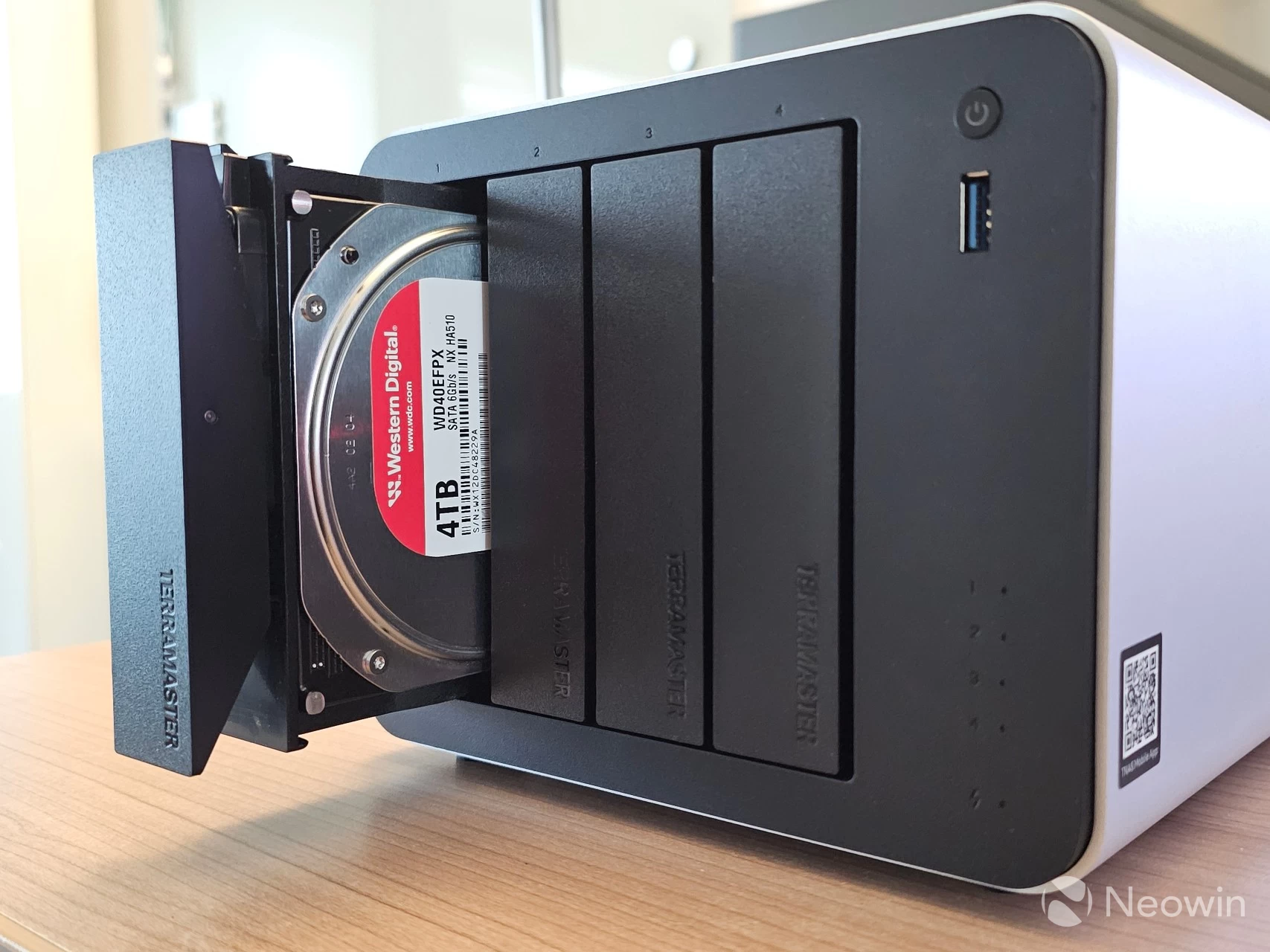
As has become kind of common with TerraMaster, certainly in the last three years, the 2025 F2- and F4-series have received a makeover that really adds to the premium feel of the NAS. Gone are the plastic shells, now replaced with an aluminum outer shell with the front and back retaining the textured black plastic we saw on the 2024 models.
Some key differences from the 2024 series include placing the power button back on the front, along with the addition of a Type A USB port. It"s not much bigger or heavier either; in fact it weighs 500 grams less than the F4-424 Pro. It"s slightly shorter in height and depth (length) but only by a few millimeters.
The front and back do retain a similar style to the 2024 series.
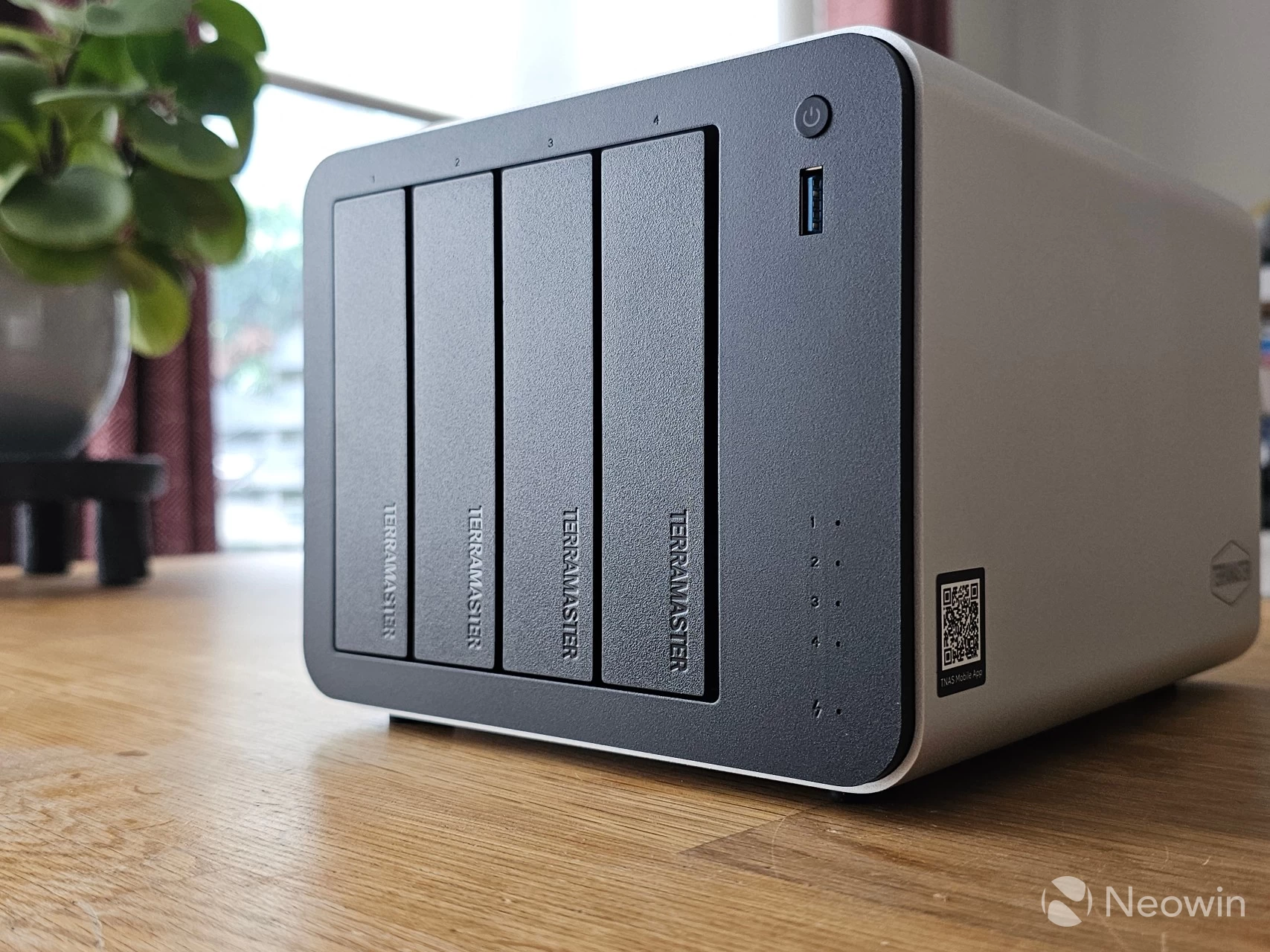
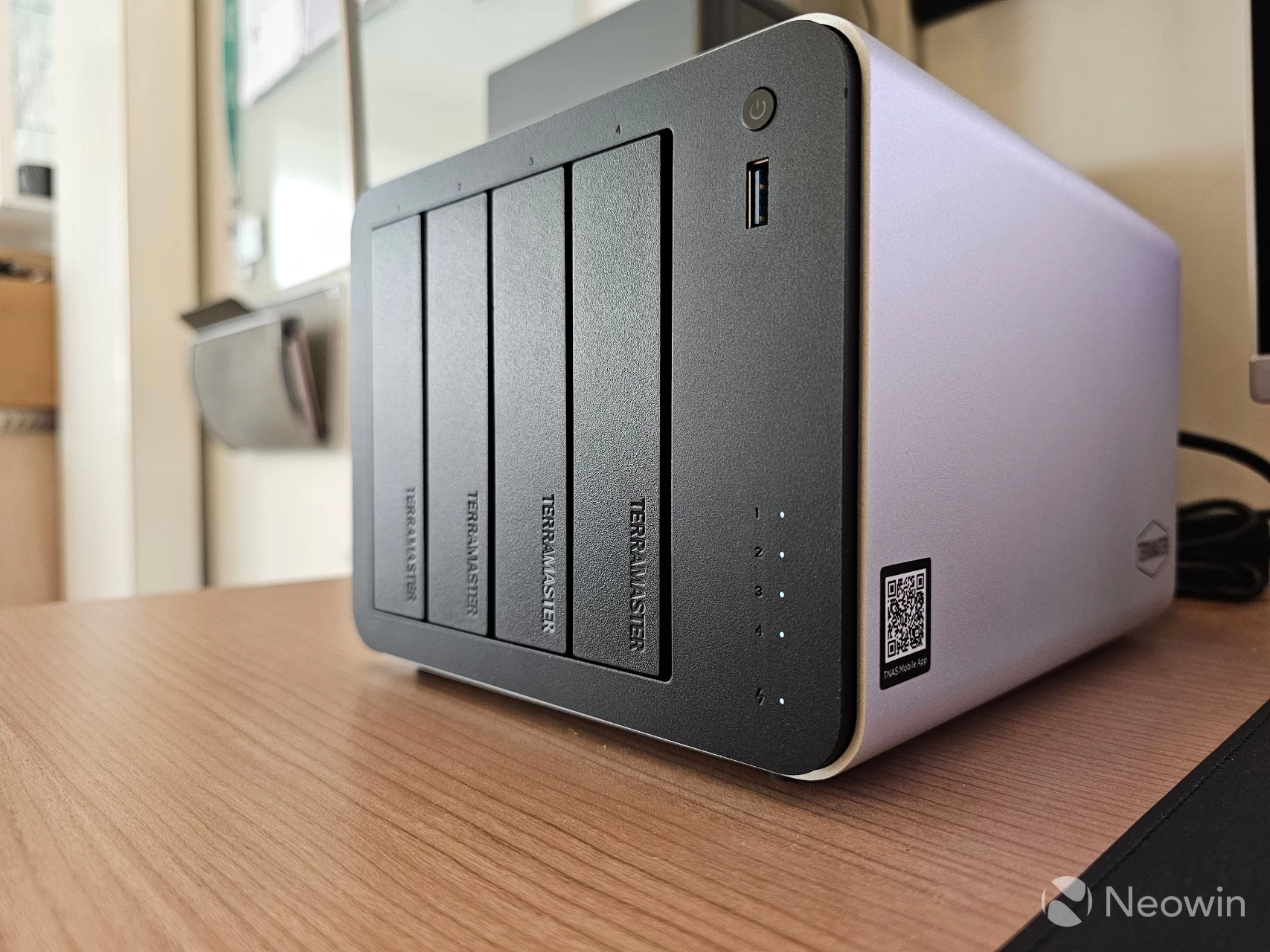
On the front, you just have your four bays along with LED indicators for the HDDs, and power. The welcomed change is having a USB port on the front for quick access, should you need to backup a USB drive for example.

Around the back, from top to bottom you have a reset pin hole, a HDMI port, two 5 GbE Ethernet ports, two USB 3.2 Gen 2 (10 Gbps) Type A ports with a Type-C port below them, and a connector for the barrel port power source. Again, there"s no Kensington Security Slot present which is a bit of a shame considering it"s a data storage device.
| Left side | Right side |
|---|---|
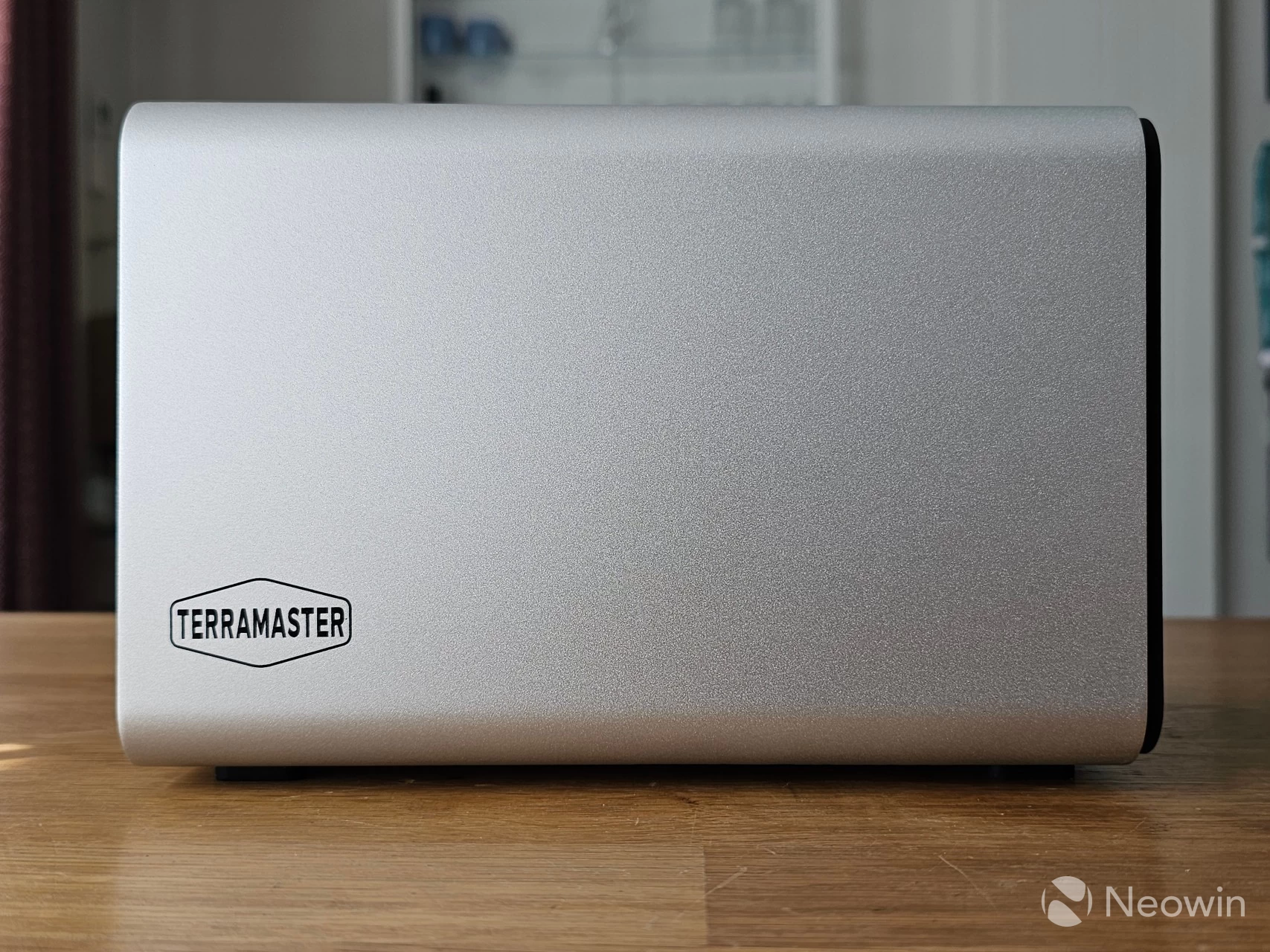
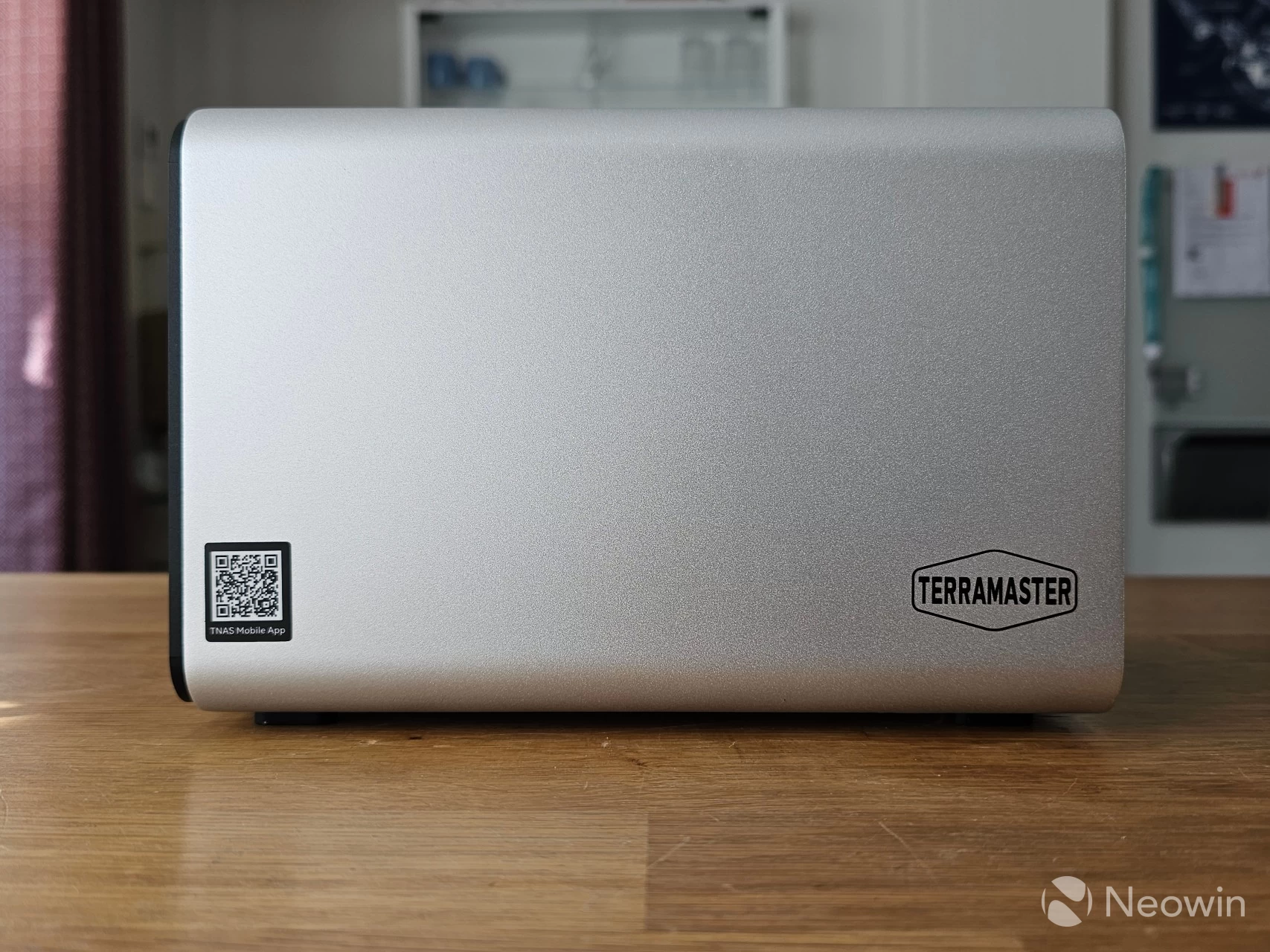
On the left and right of the F4-425 Plus it is completely smooth aluminum with a TERRAMASTER logo imprint on both sides.
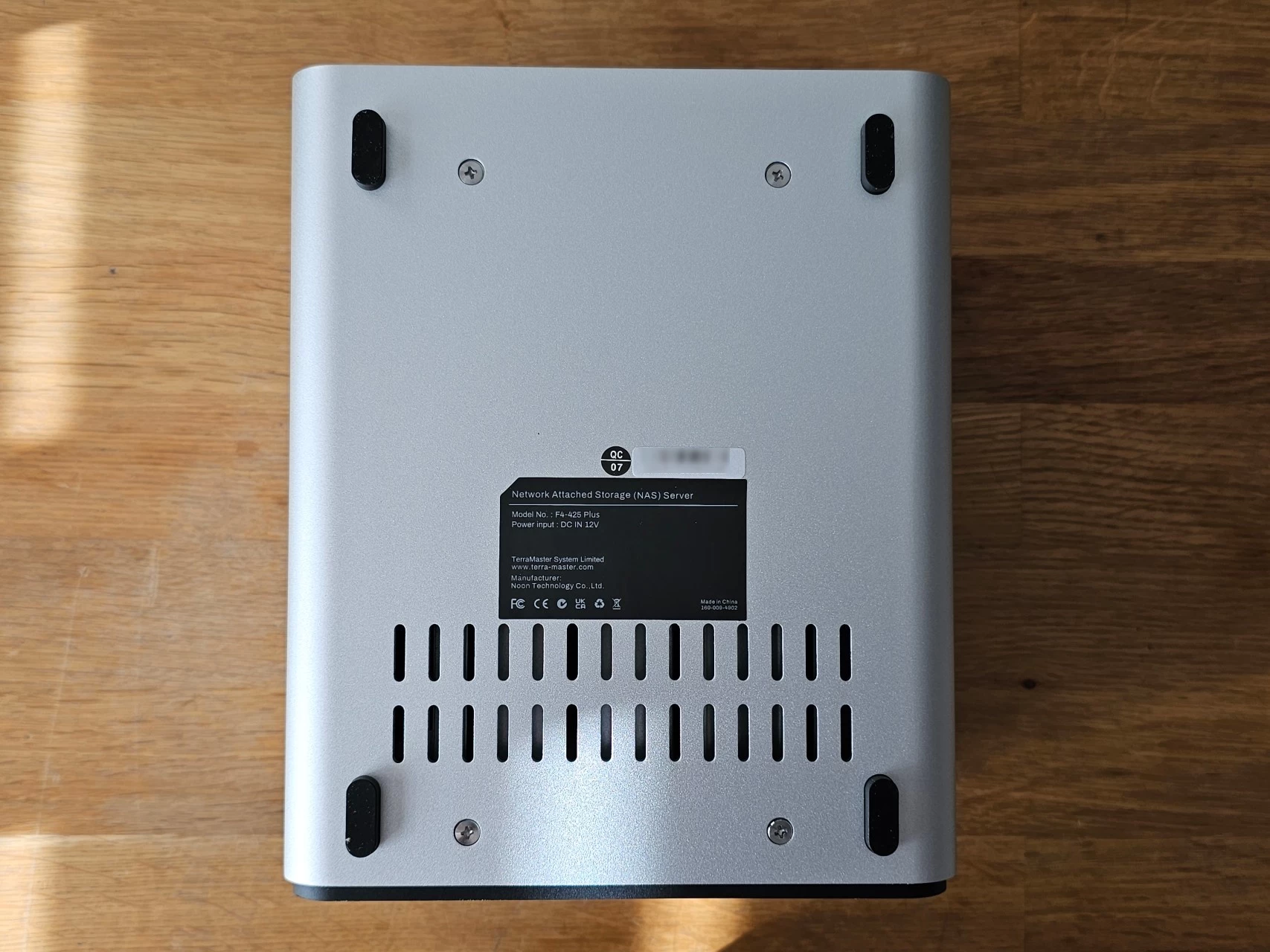
On the bottom, there are some holes to assist ventilation. The rubber feet are firmly placed, and did not come unstuck throughout my testing and shifting it around on my desk, which was an issue on the 2023 series. There are also four screws which must be removed in order to access the internals.
Teardown
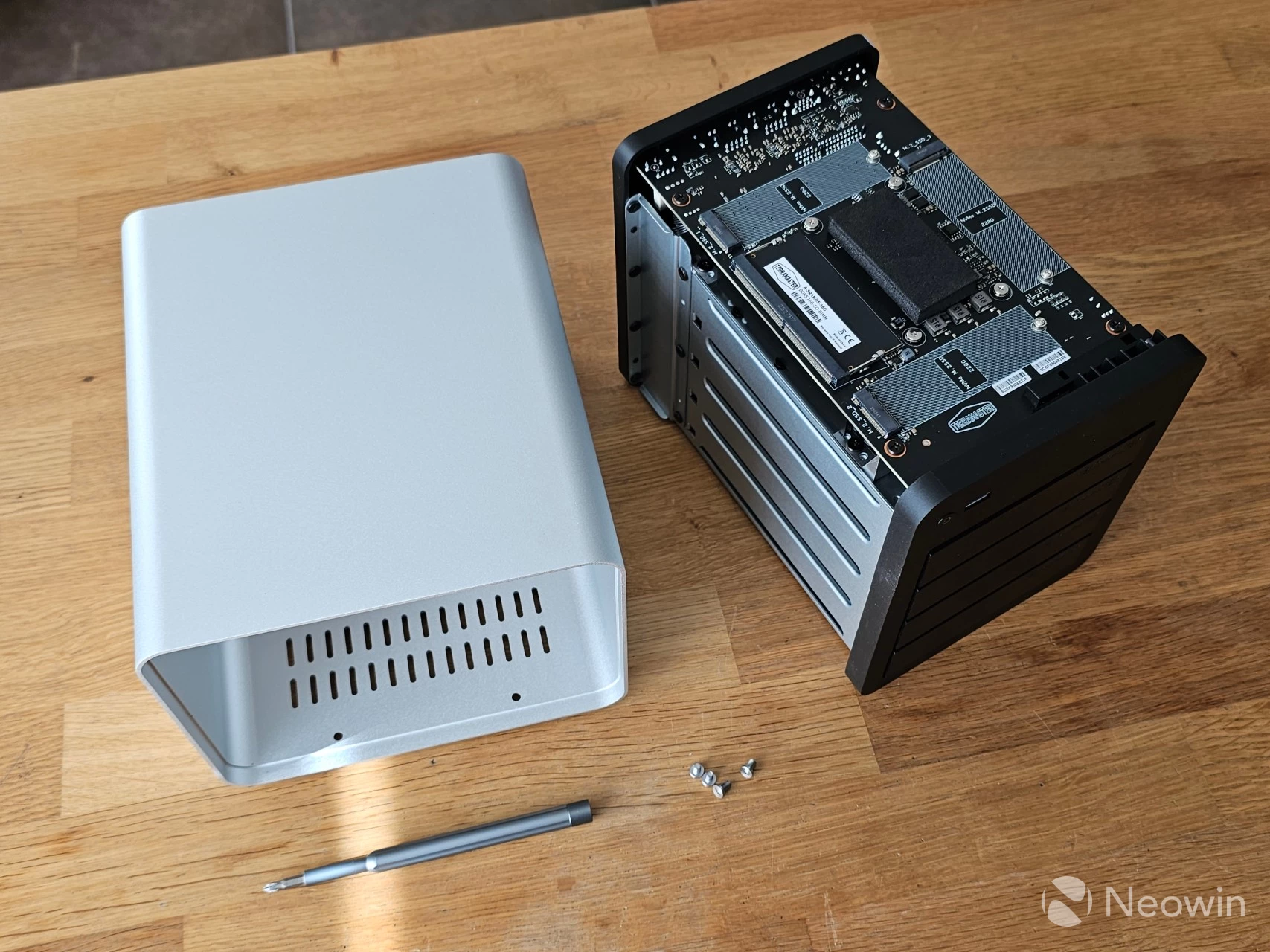
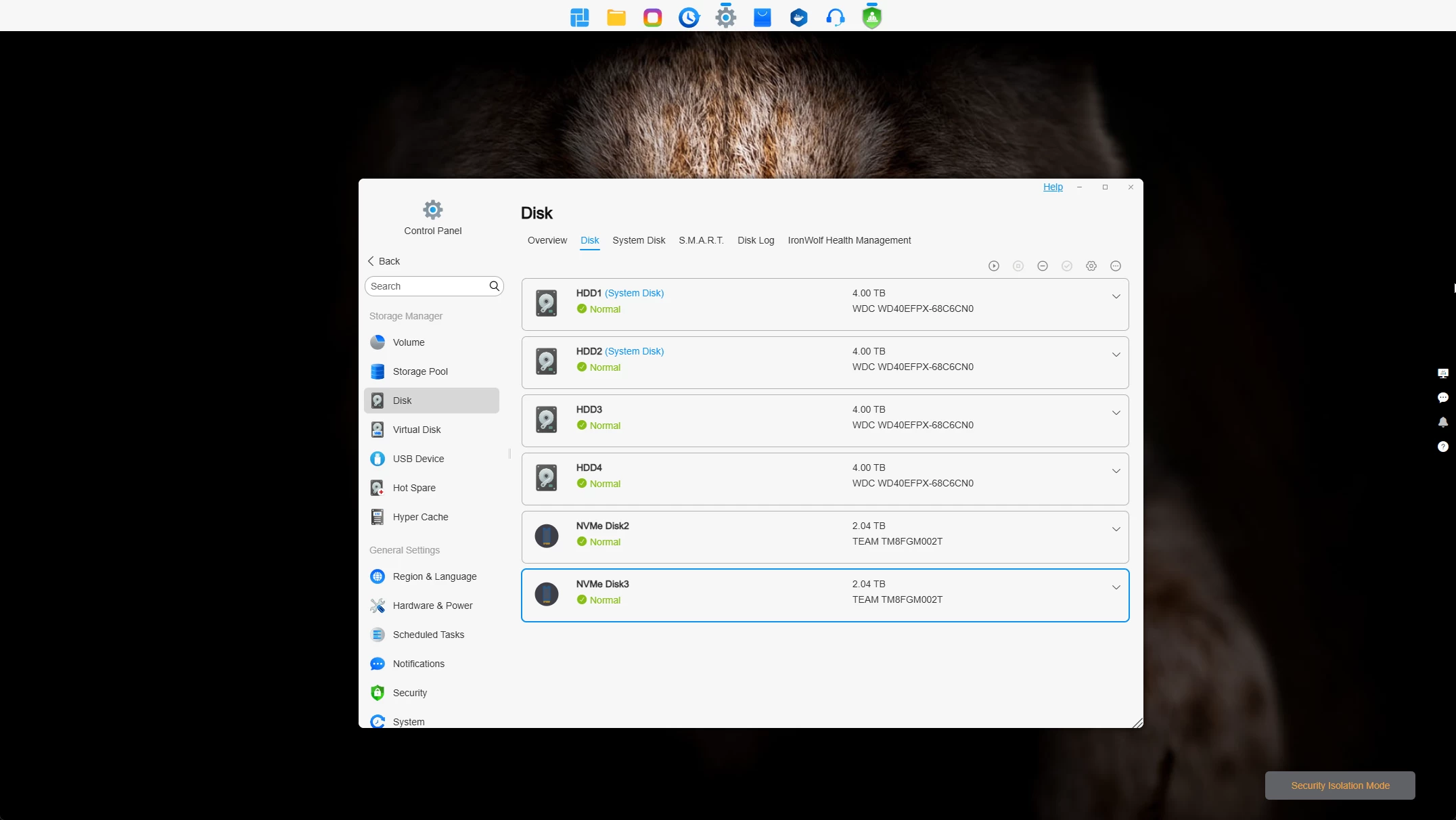
Upon removing the four screws, you can slide the device out of its shell to reveal the three NVMe M.2 slots and single SODIMM slot connector which is populated with a single 16GB DDR5 4800MT/s module. I added a couple of NV5000 M.2 PCIe 4.0 SSDs (2 x 2TB) that can be availed on Amazon for $124.99 that TEAMGROUP supplied us with.
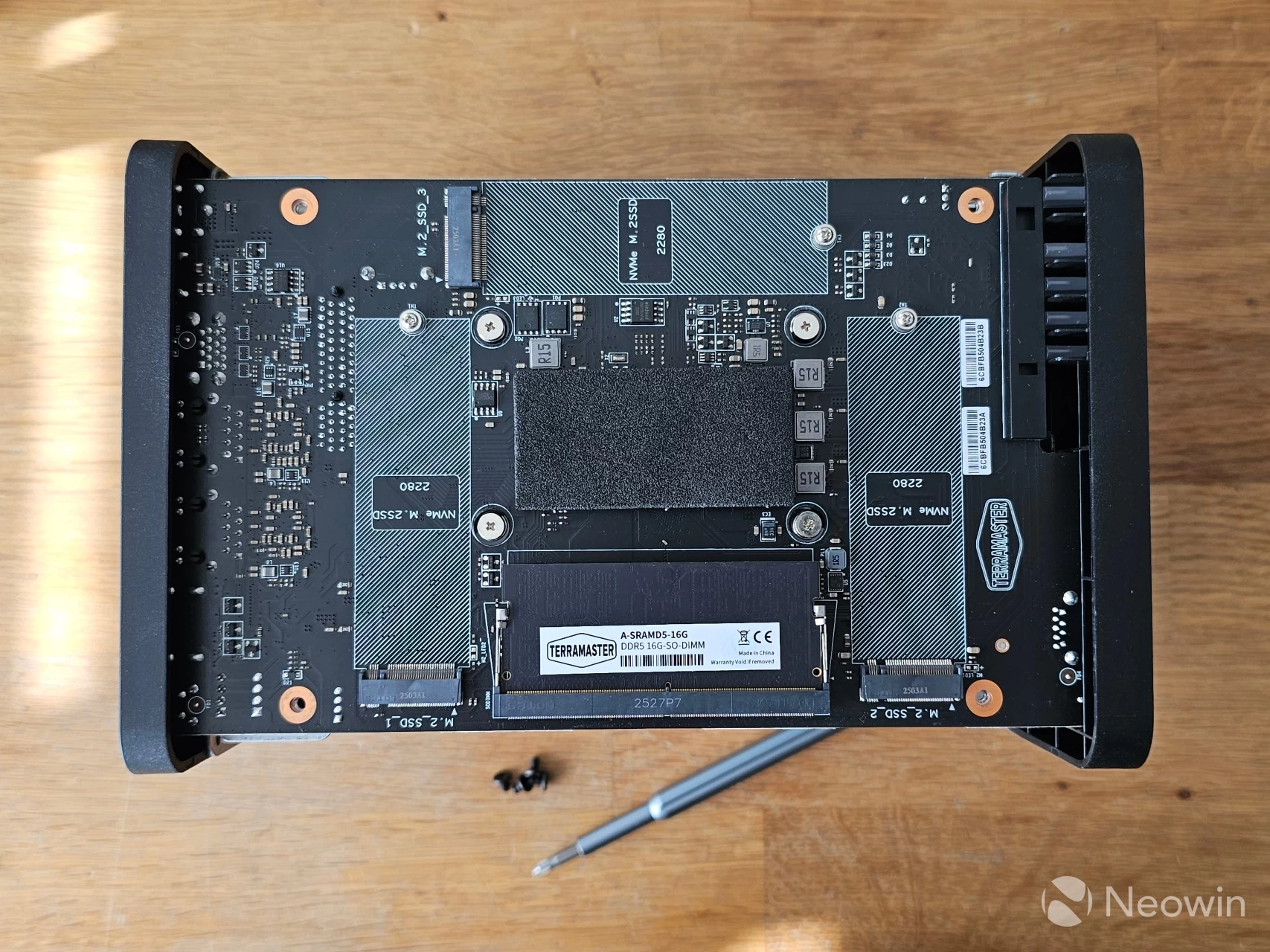
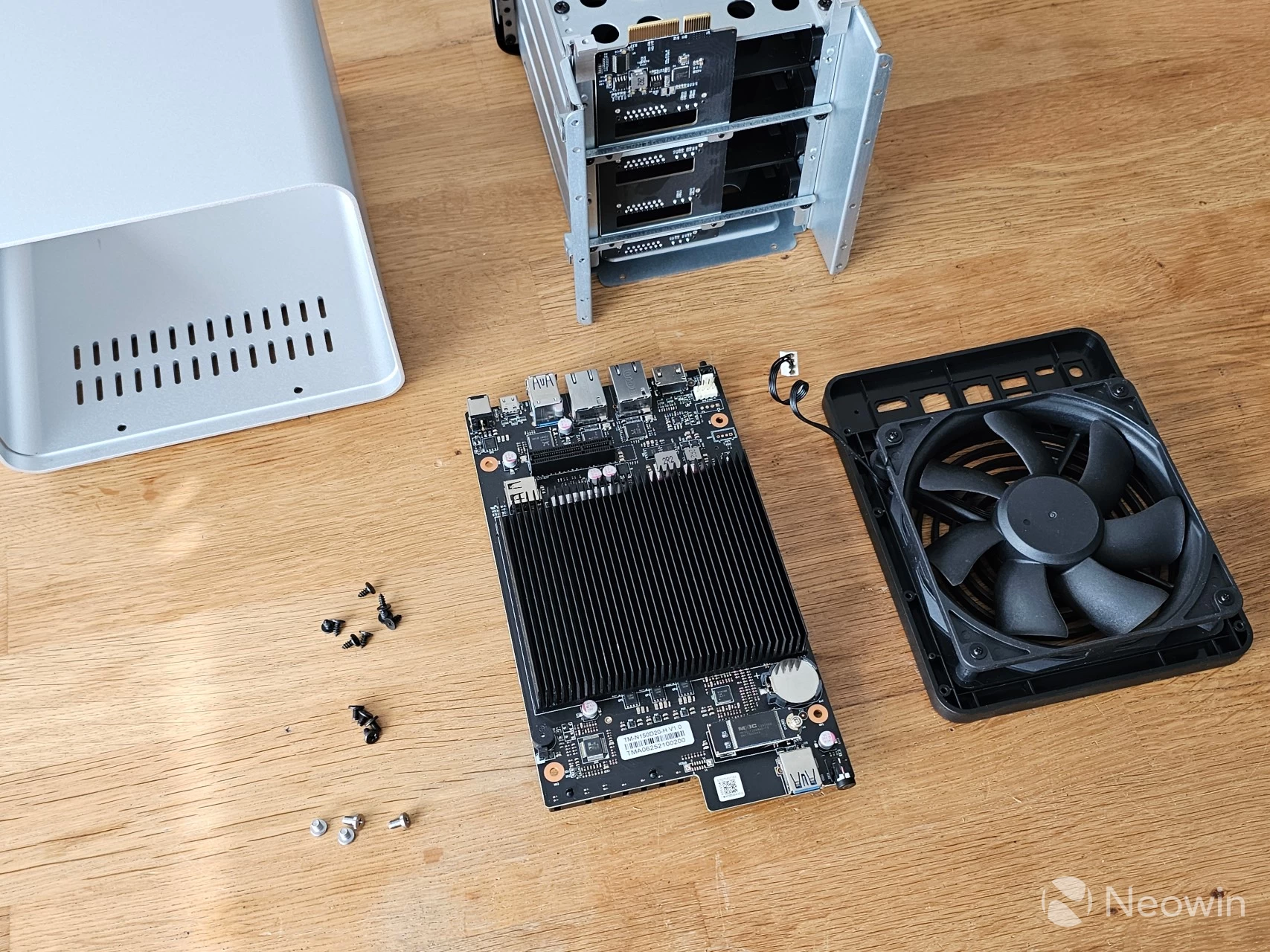
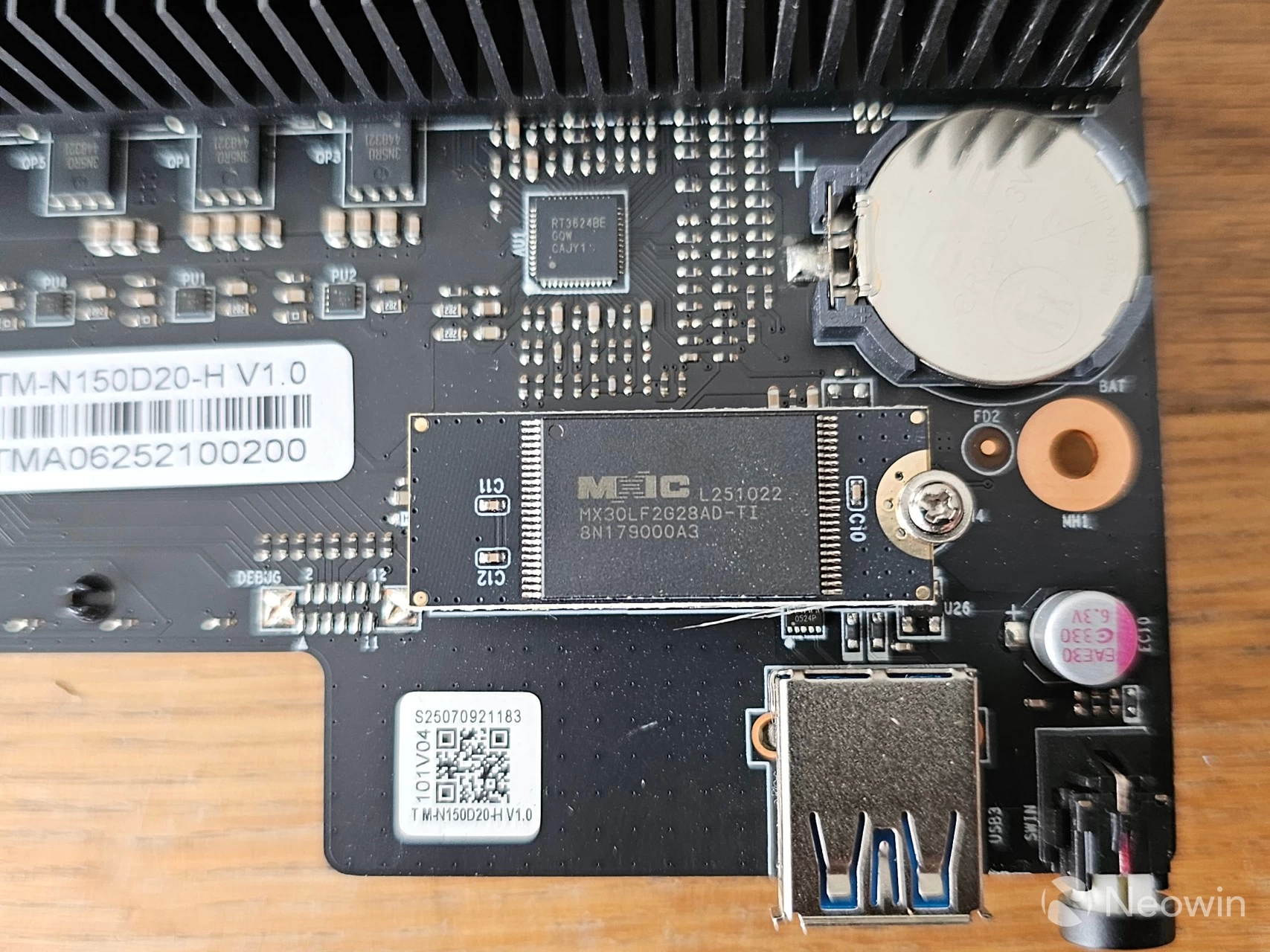
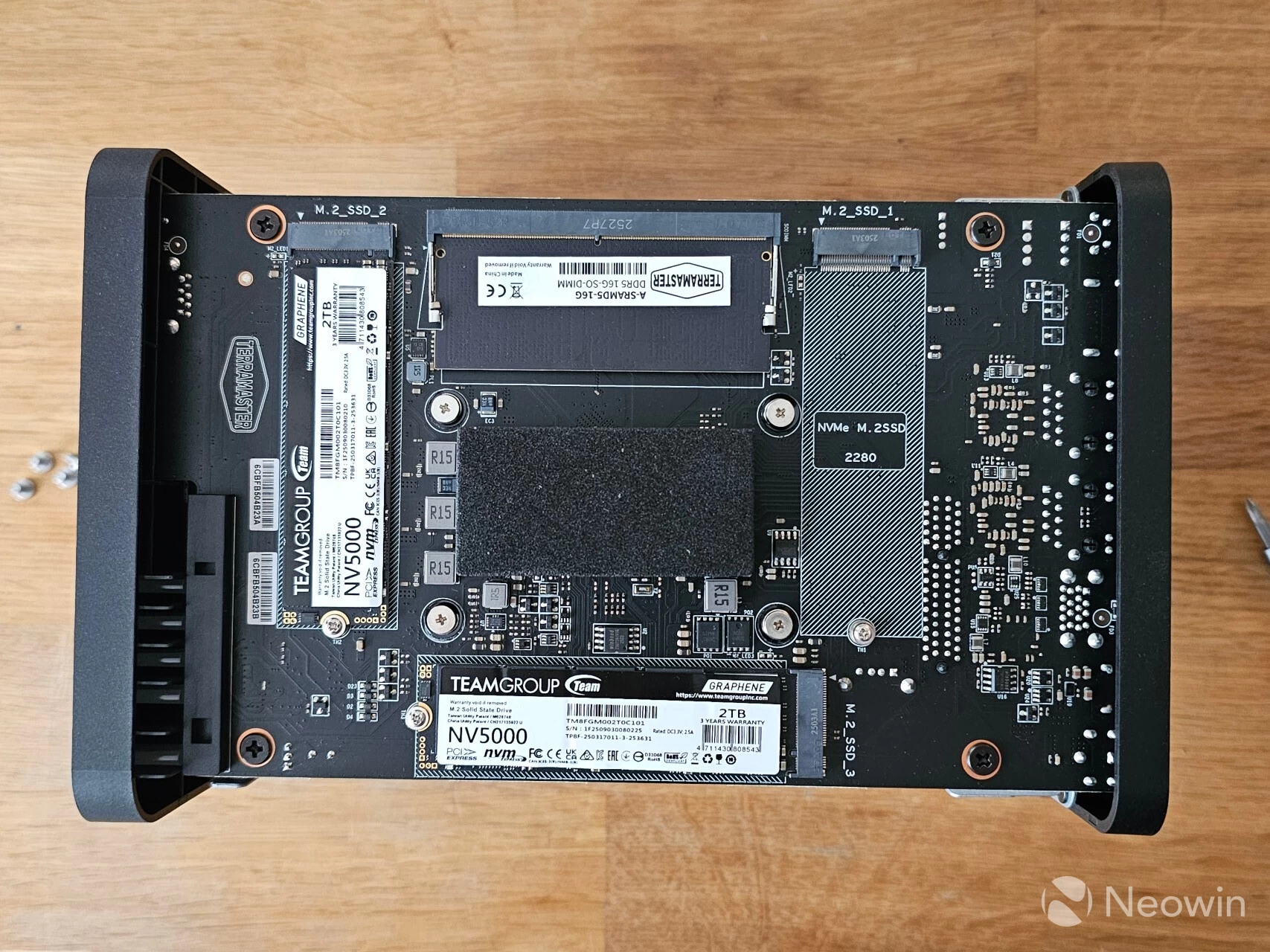
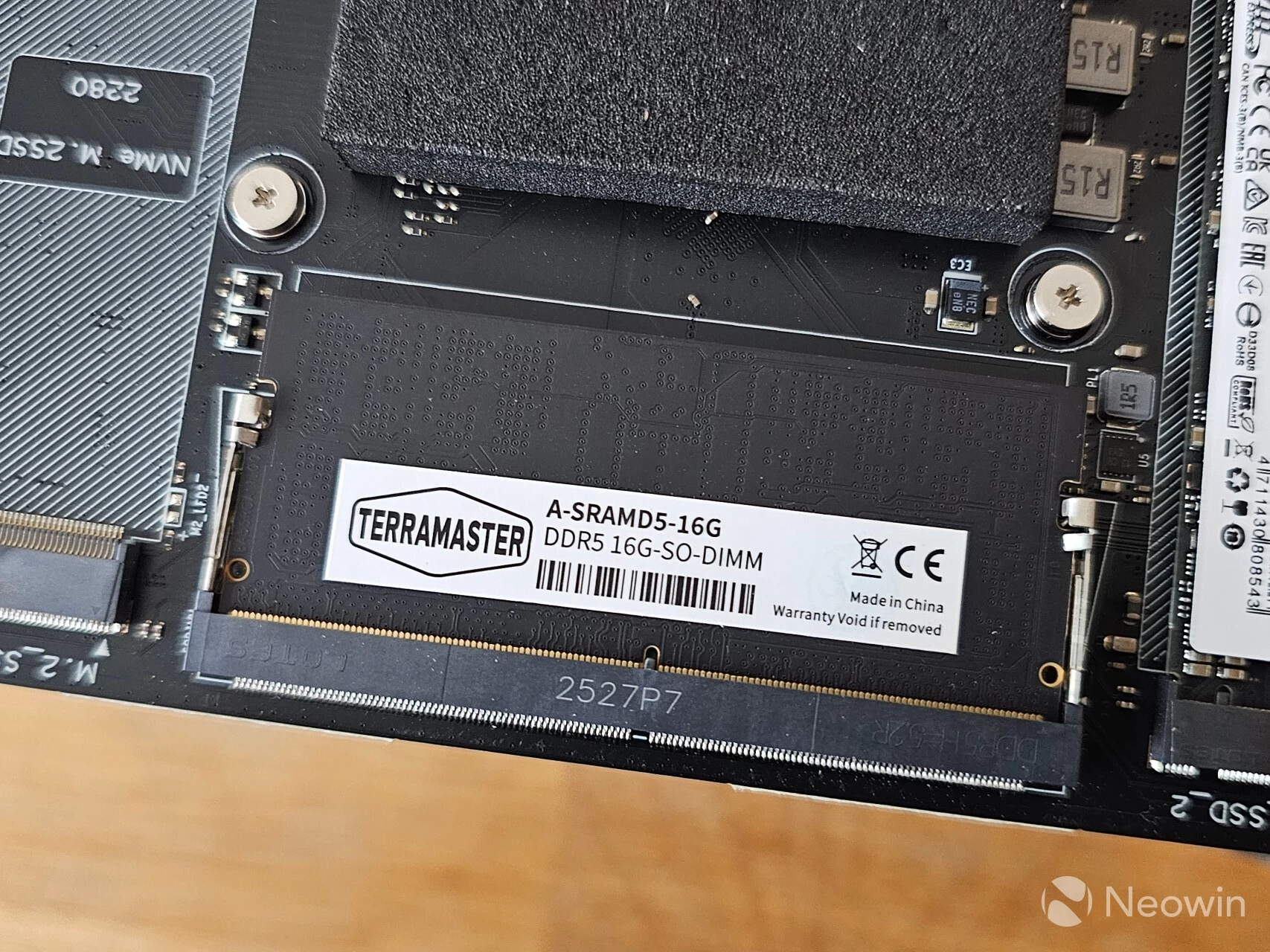
As I have said in previous reviews, TerraMaster support staff actually encourage installing whatever the hell you want on their devices, and happily, the USB port for the bootloader is now easily accessible should you want to use it for your own flavor of NAS OS, such as TrueNAS, Unraid, or maybe Xpenology. Yes, because although TerraMaster has now switched to a 256 GB NAND Flash card (3rd photo above) for the TOS bootloader. This is also replaceable, but you can also simply add a USB bootloader, access the BIOS and tell the F4-425 Plus to boot from that instead of the Flash card.
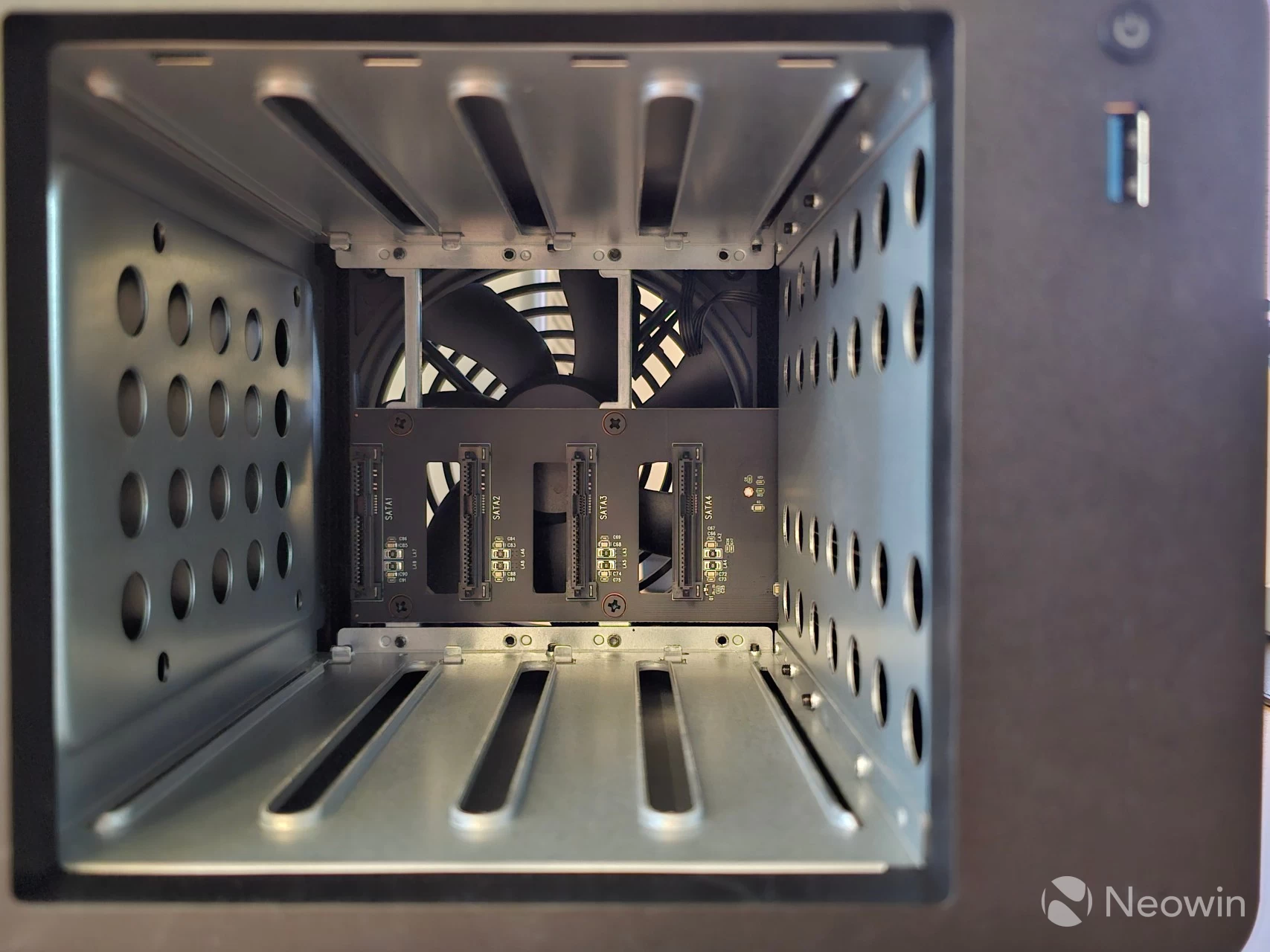
Unlike earlier iterations of TerraMaster NAS, you don"t have to tear this down any further than the four screws on the outer shell in order to be able to access and manage the memory, NVMe slots and USB bootloader. However if you need to access the NAND Flash card or CMOS battery, then eight more screws (four on each side) need to be removed in order to take off the rear panel with fan, then the motherboard can be lifted off and removed from the SATA connector PCB.
There"s also no risk of threading the screw holes, because the four that hold the shell in place are metal on metal, while the screws that hold the rear panel on, do screw into plastic. Either way, I was just happier to see larger screws being used. Overall there are some great improvements on build quality.
Setup
BIOS
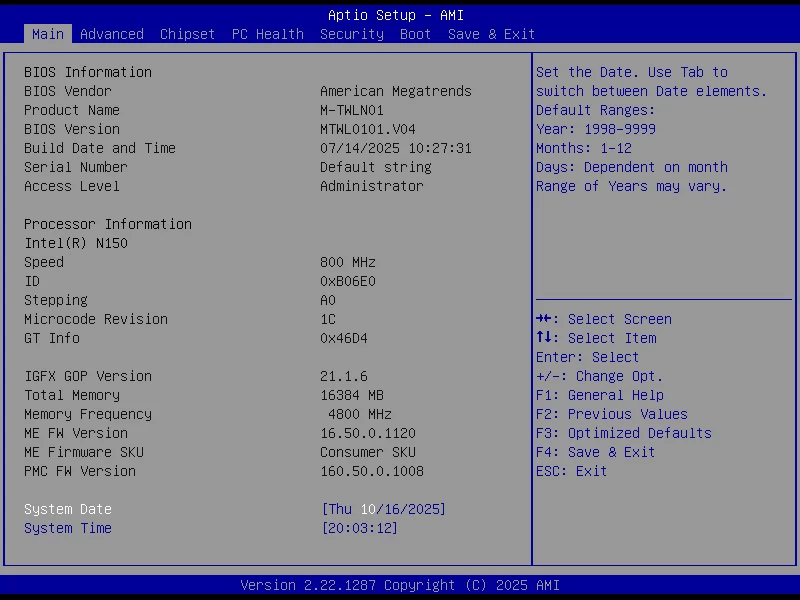
The F4-424 Max includes an Aptio BIOS from American Megatrends [1, 2, 3, 4], and you can setup pretty much everything here including the boot order, which is locked to the UEFI OS, however above that choice you can enable or disable booting to the USB bootloader so this would still allow you to switch to a USB stick with an alternative bootloader and boot from it, or disable it to instead always start from the first disk with an OS installed on it.
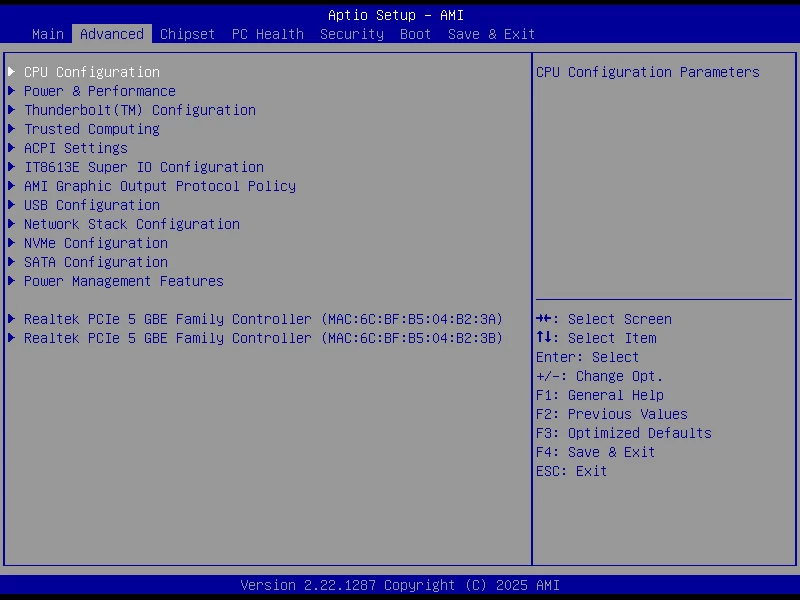
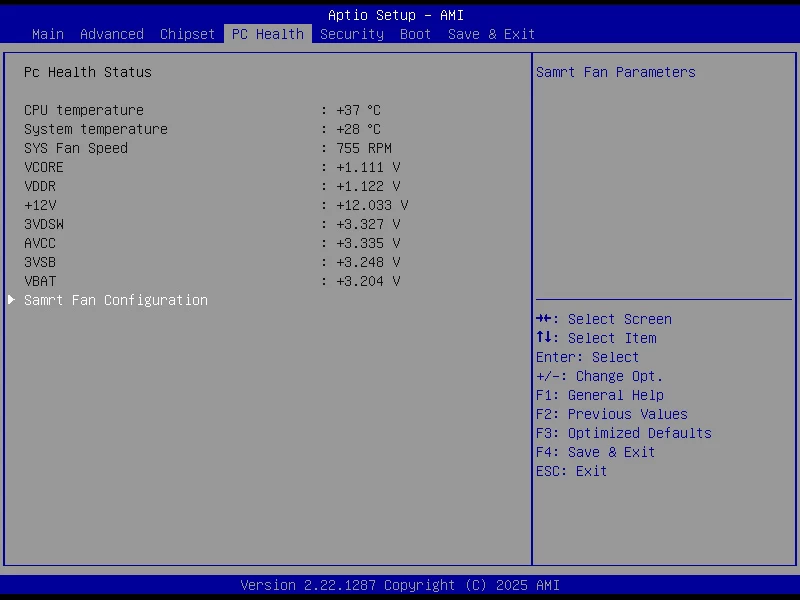
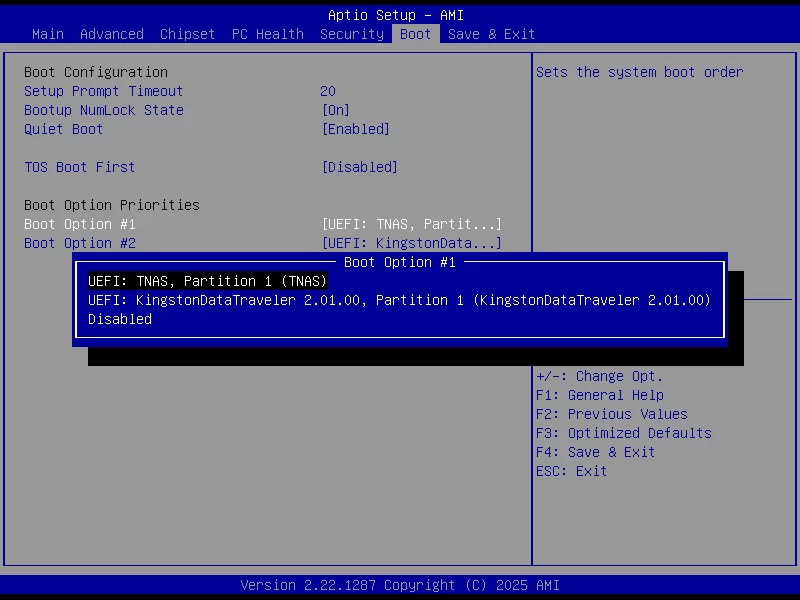
Initial Setup
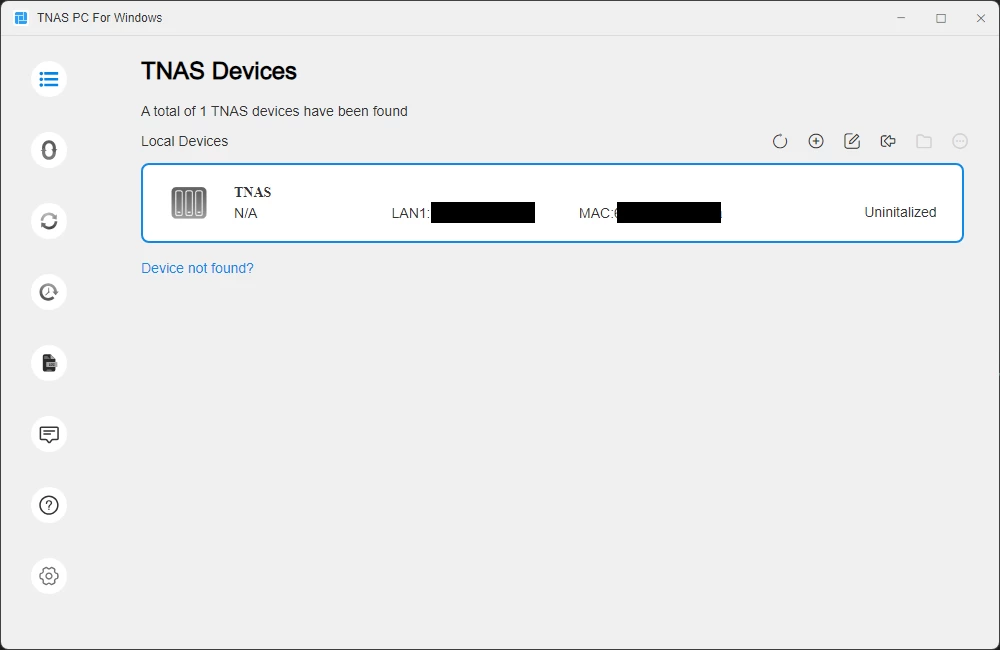
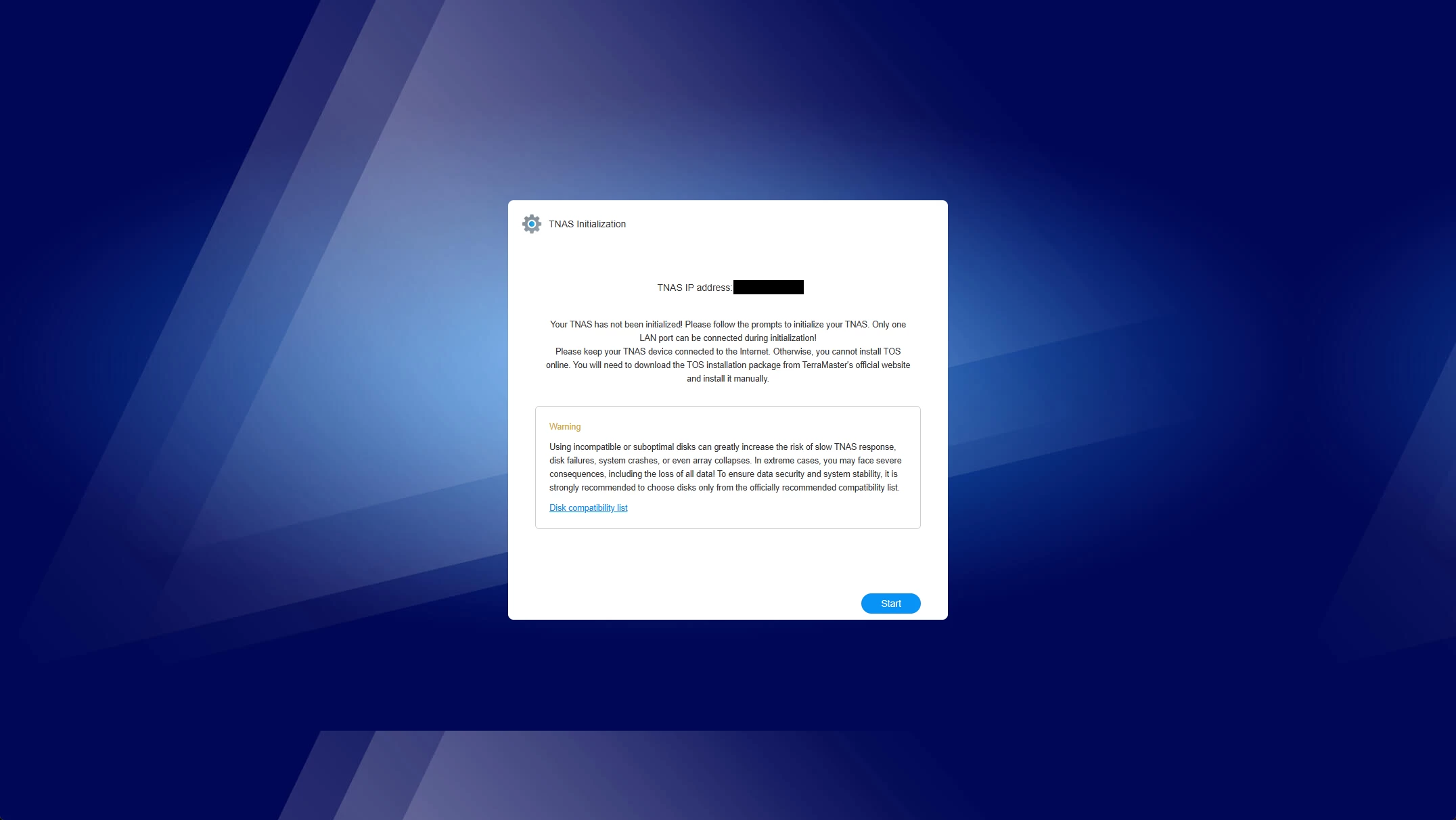
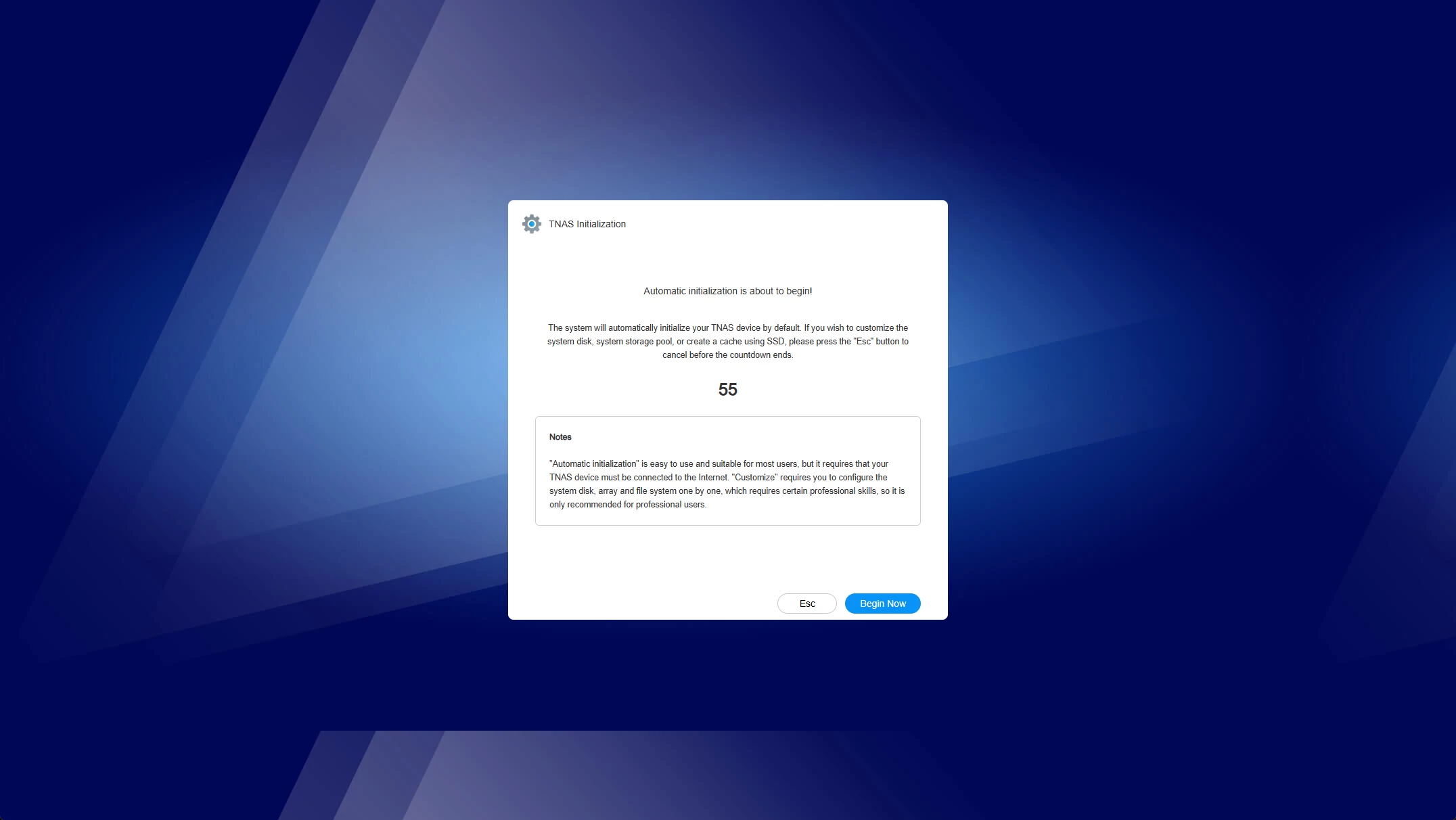
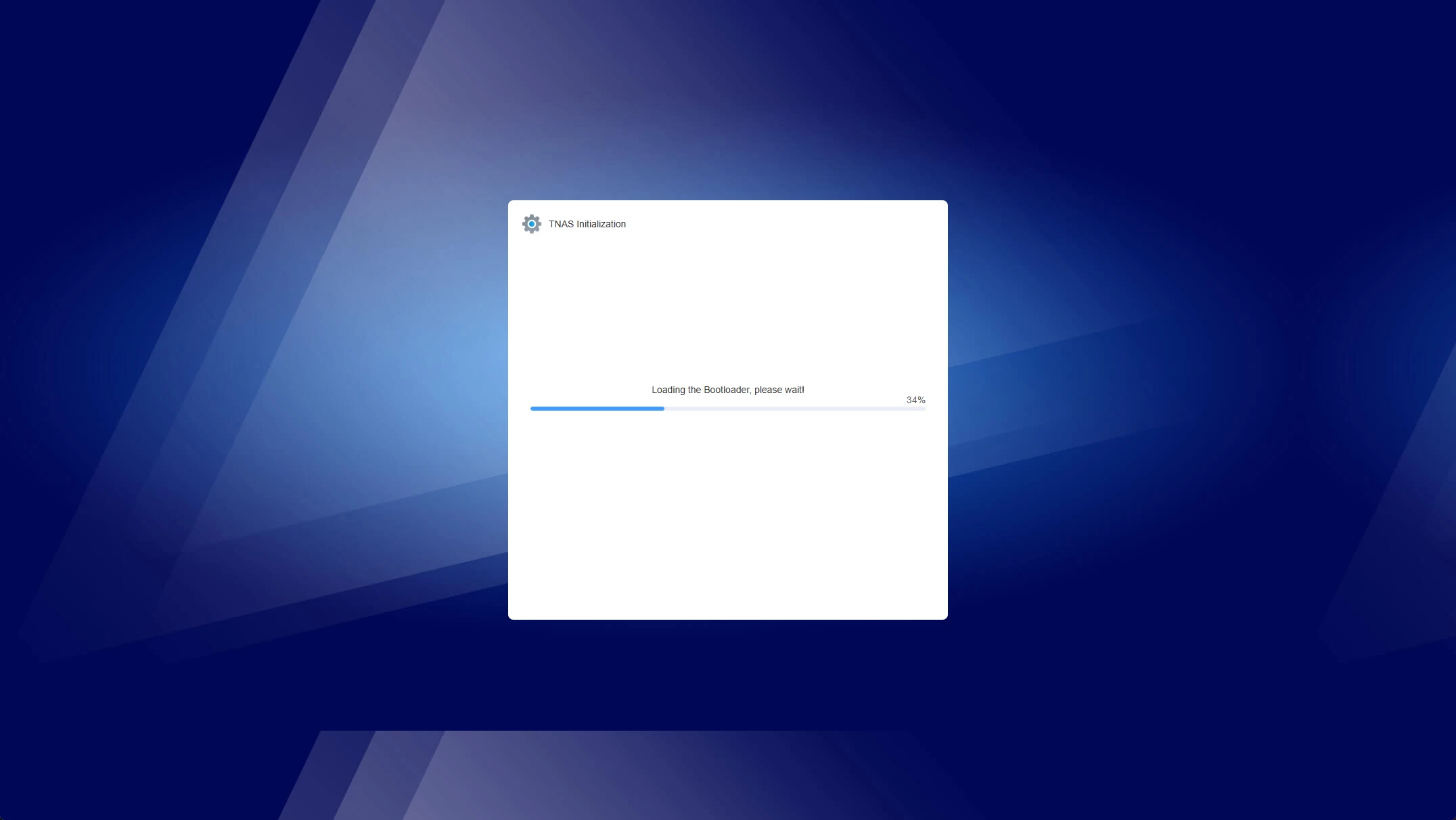
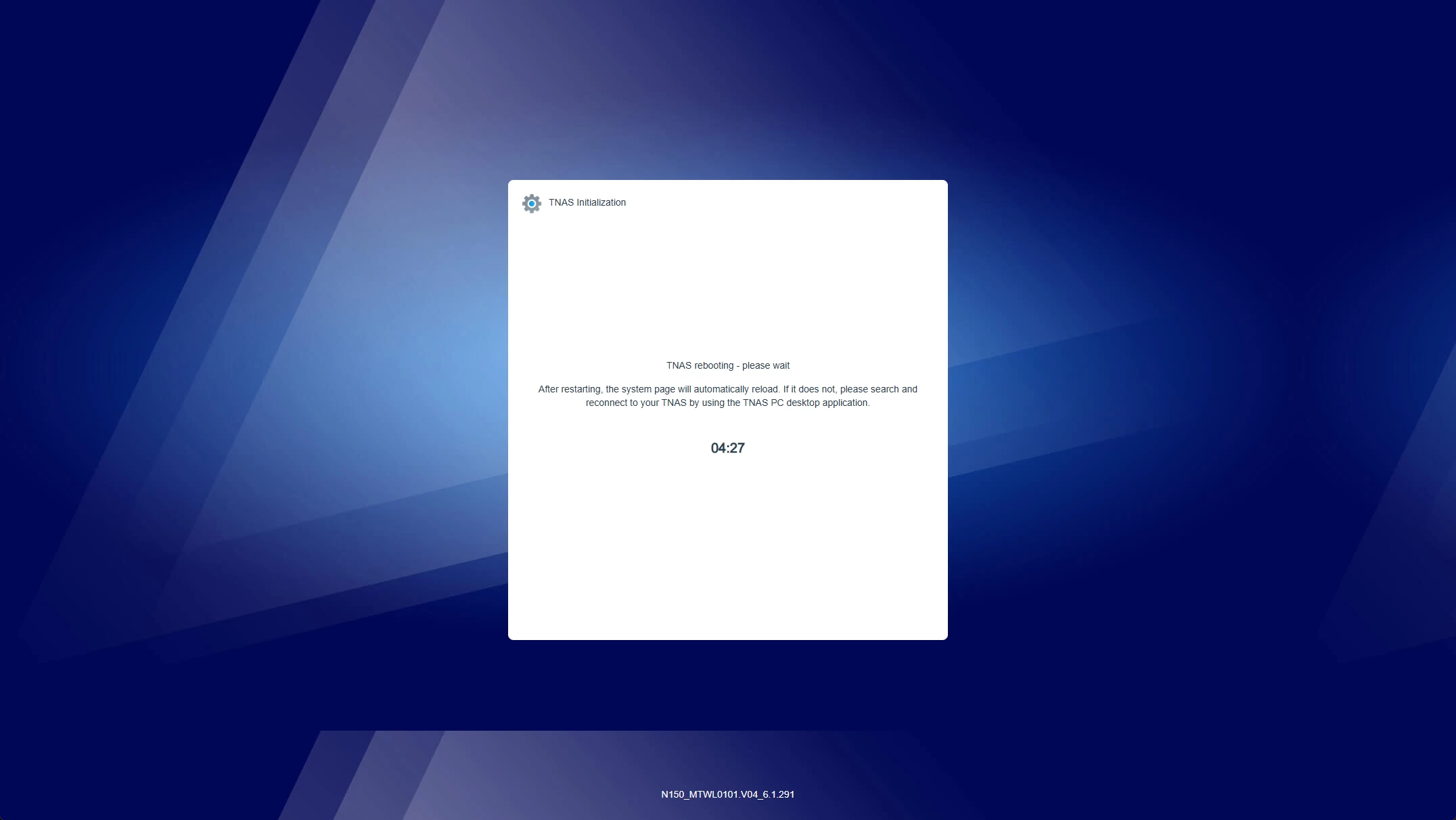
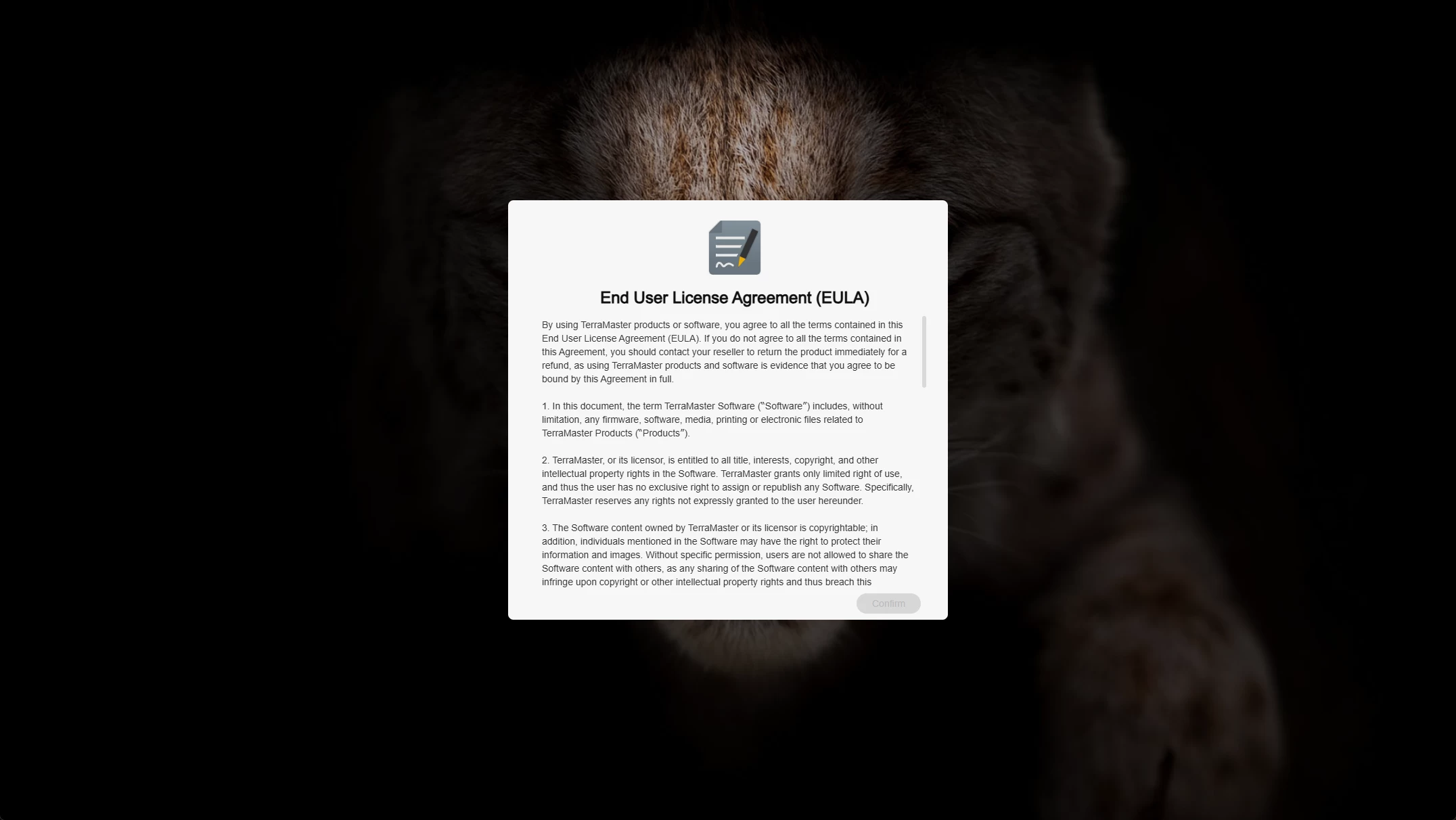
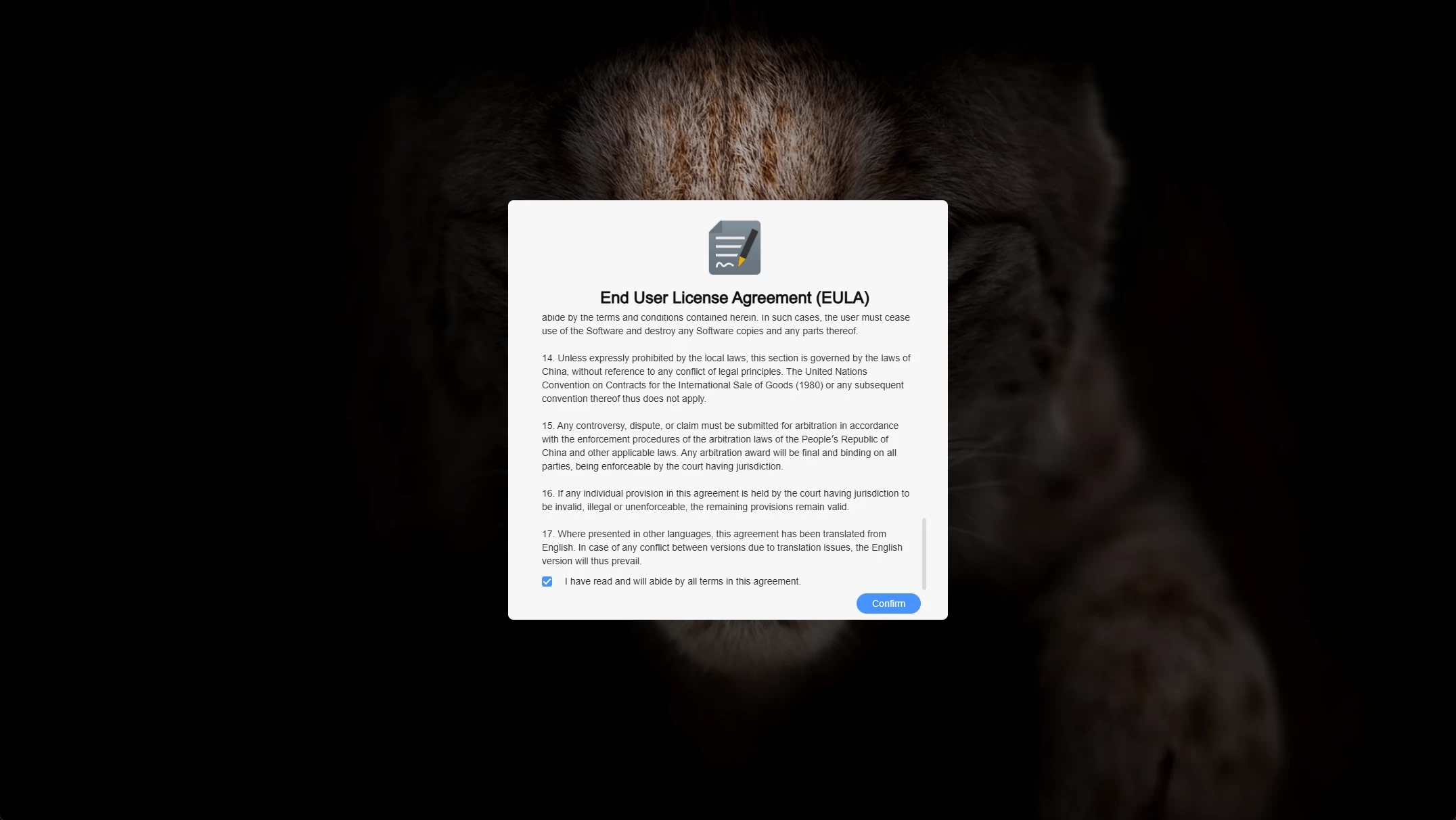
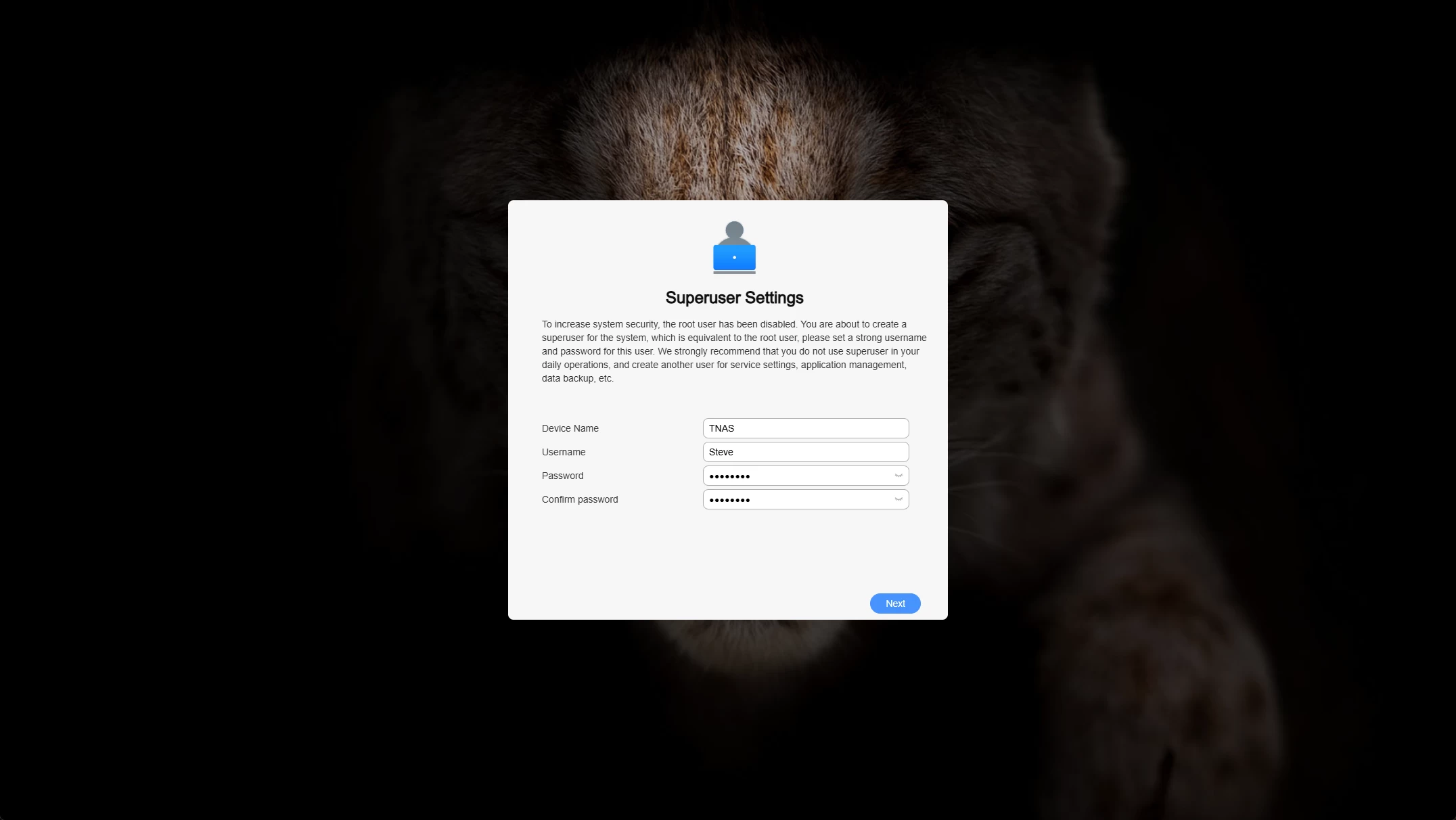
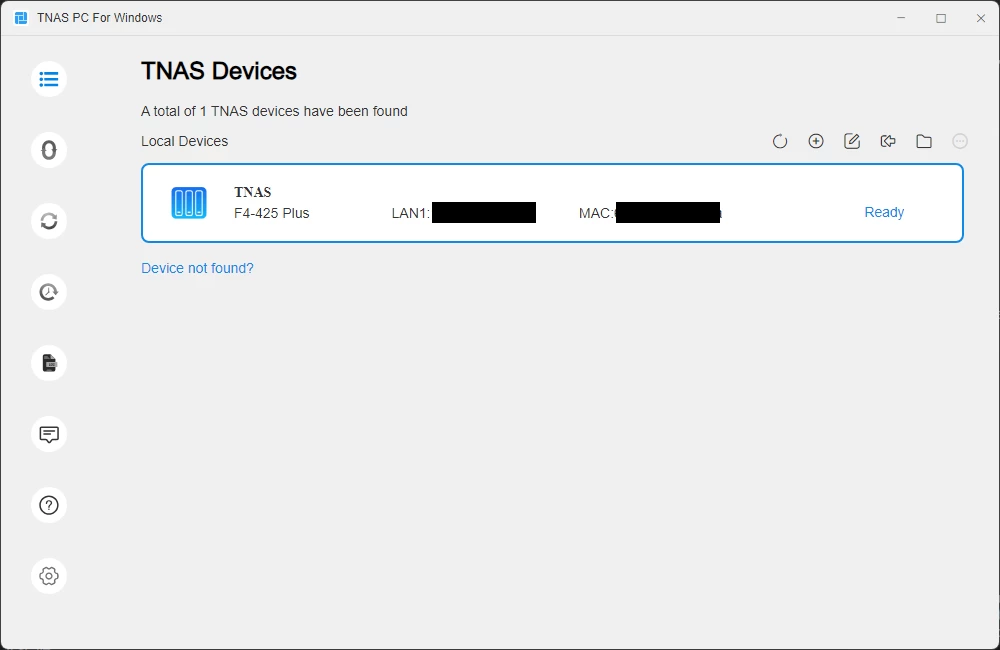
Setup is exactly the same as the F4-424 Max, so there will be no surprises here. Upon connecting to the LAN and booting up, the F4-425 Plus can be reached by navigating to http://tnas.local. If that doesn"t work, you can use the local address assigned via DHCP which you can find using the TNAS PC desktop application, which is essentially a TerraMaster NAS finder.
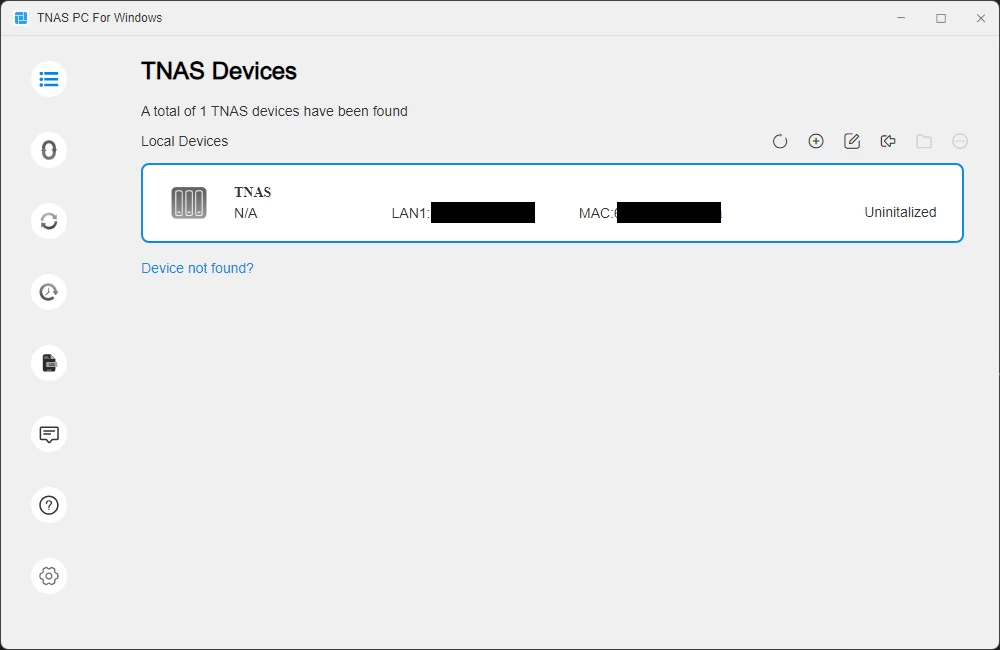
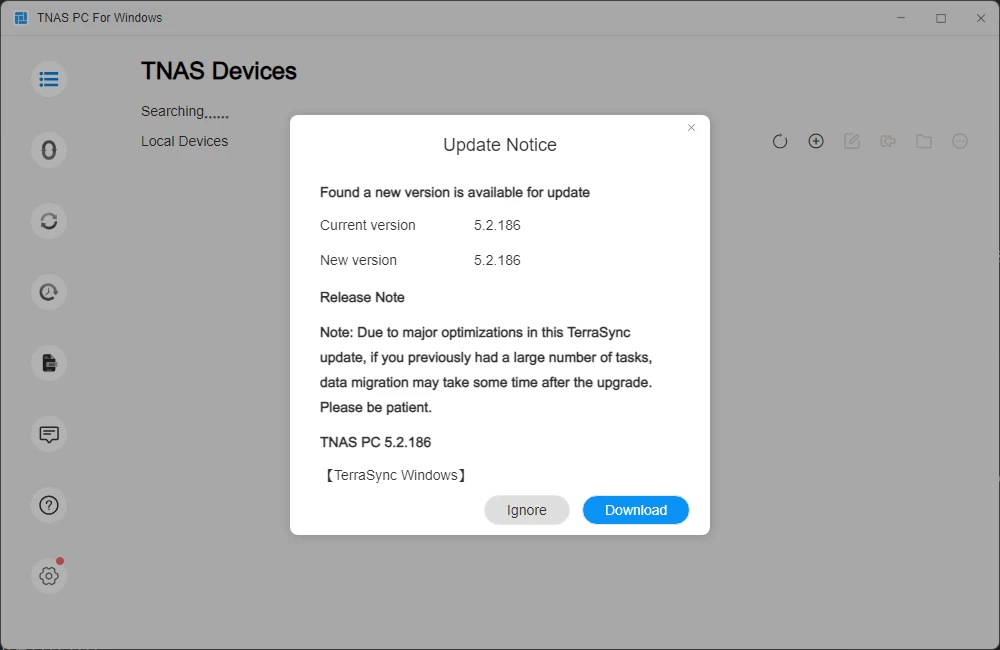
When I started the TNAS app, I was asked to update to ...the same version, however this was just a glitch in the software, because upon clicking on Download, it started downloading v 5.2.325. It"s a bug though, so I fed it back to my contact at TerraMaster.
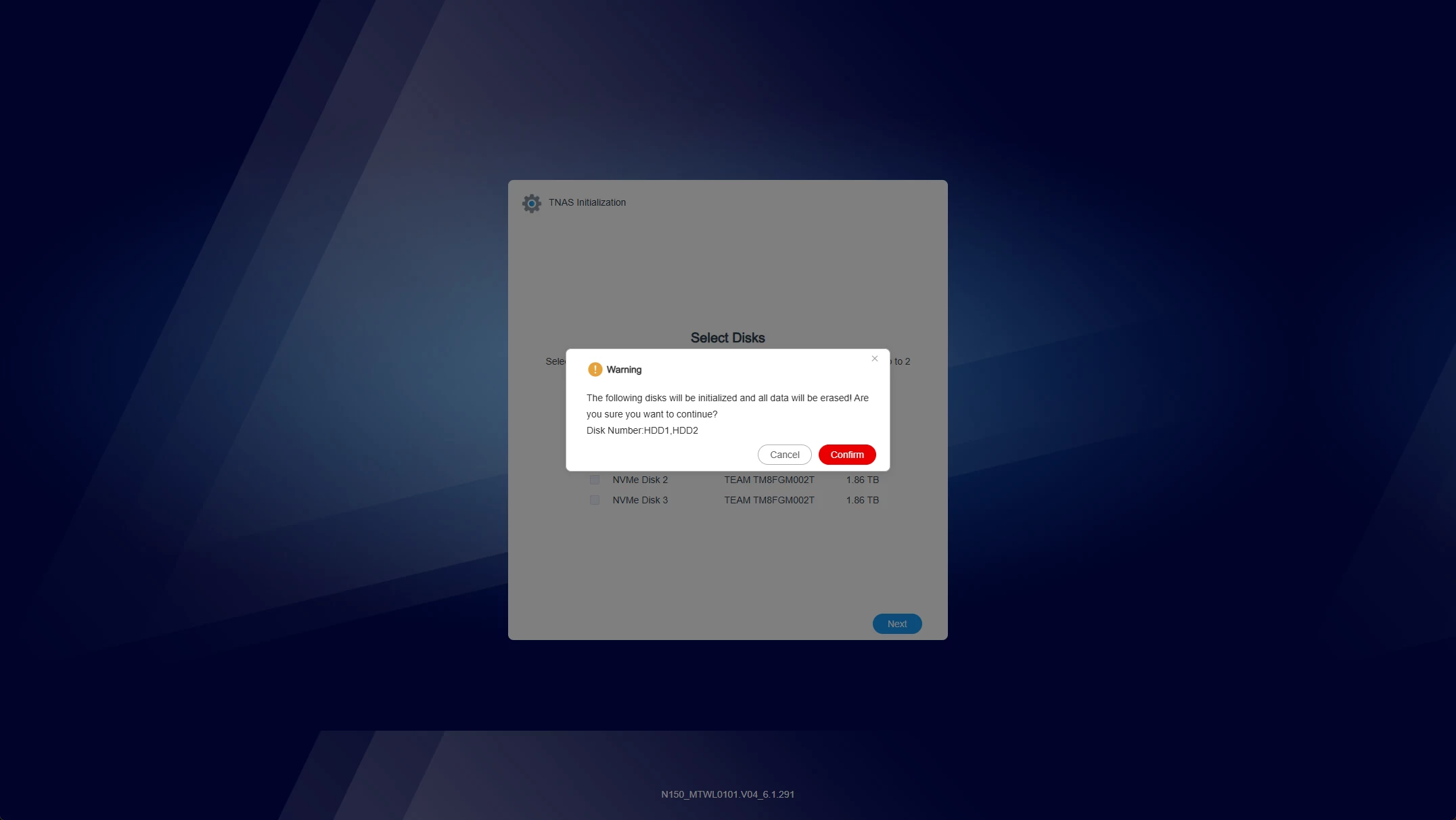
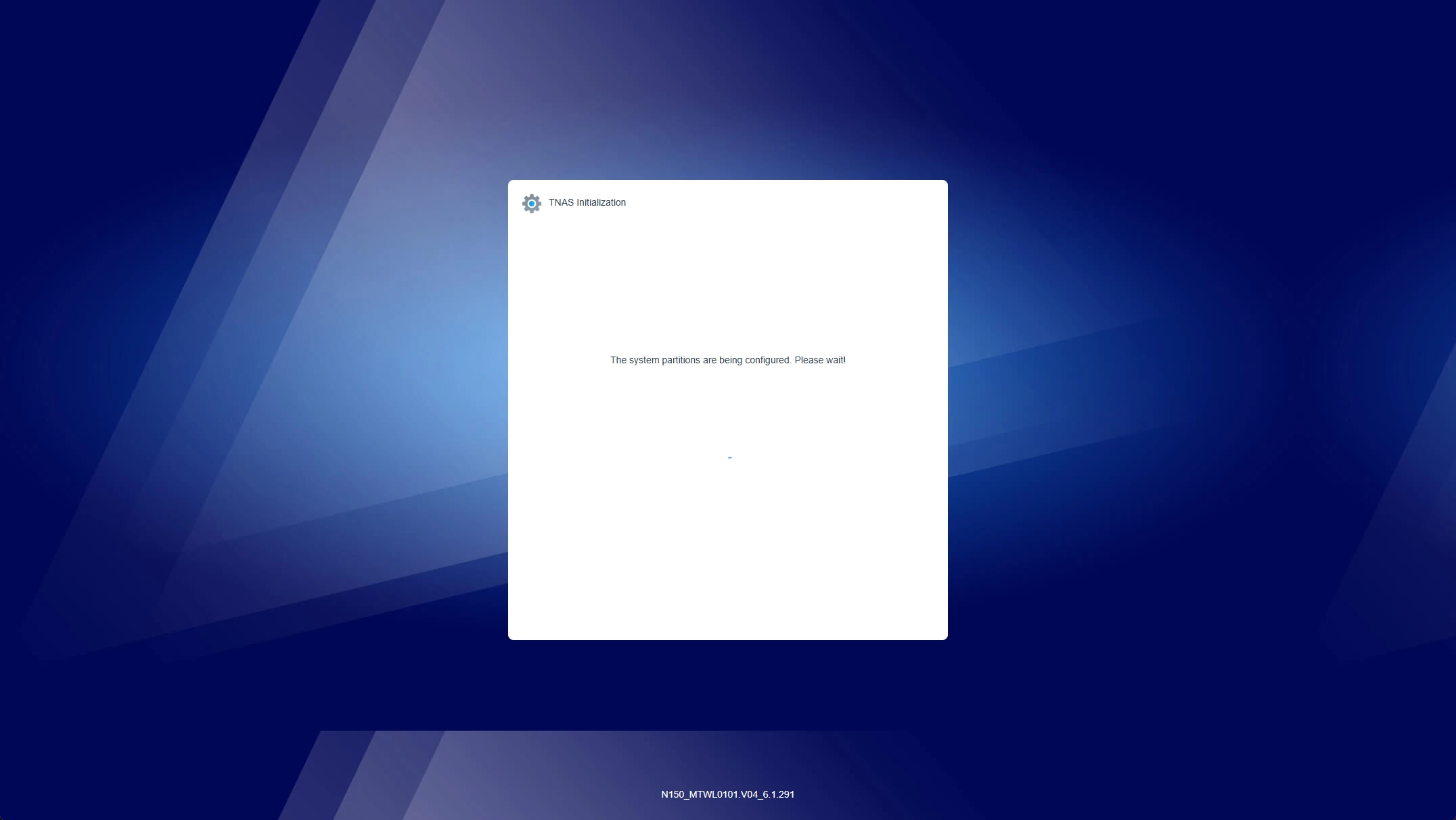
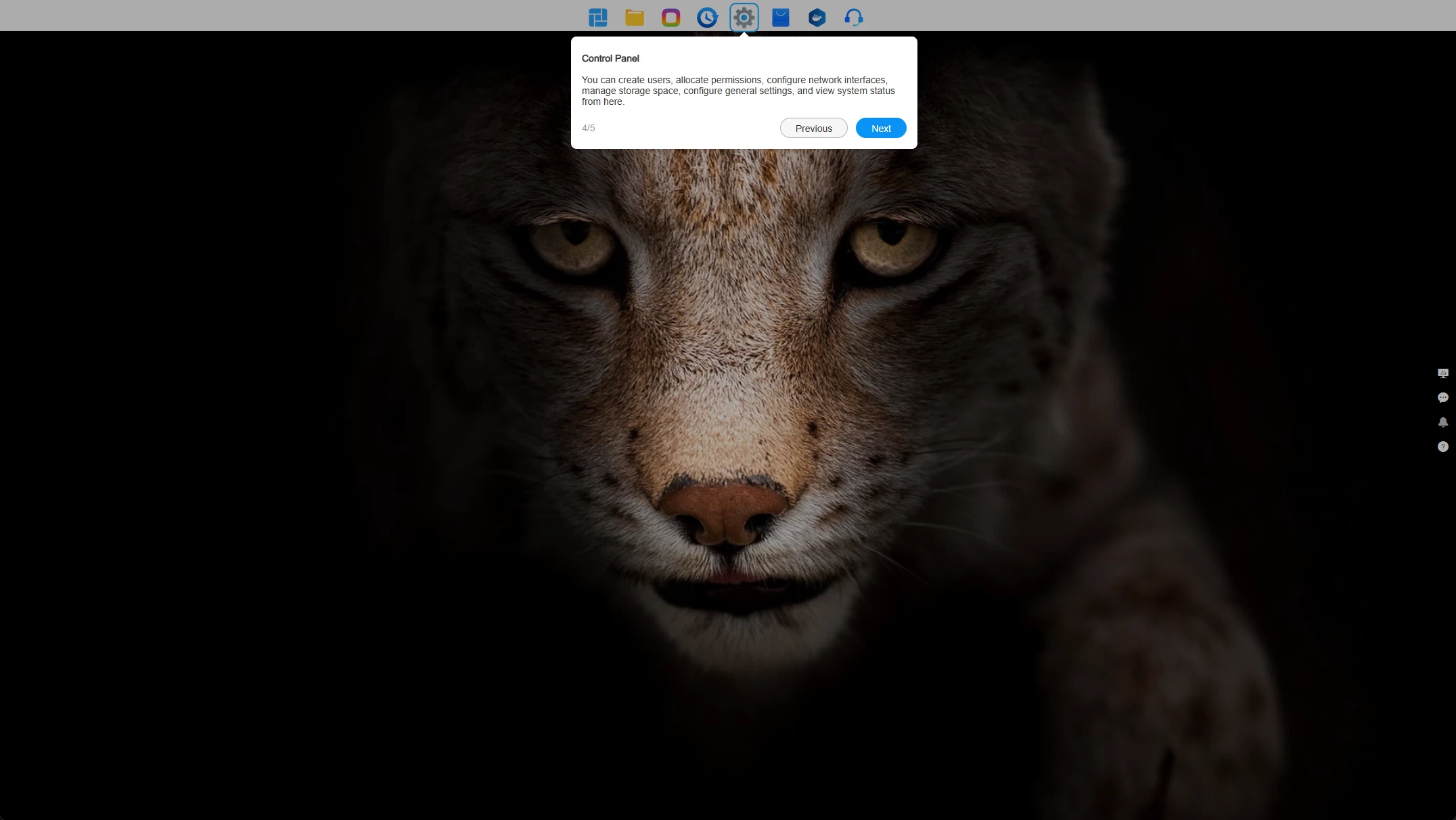
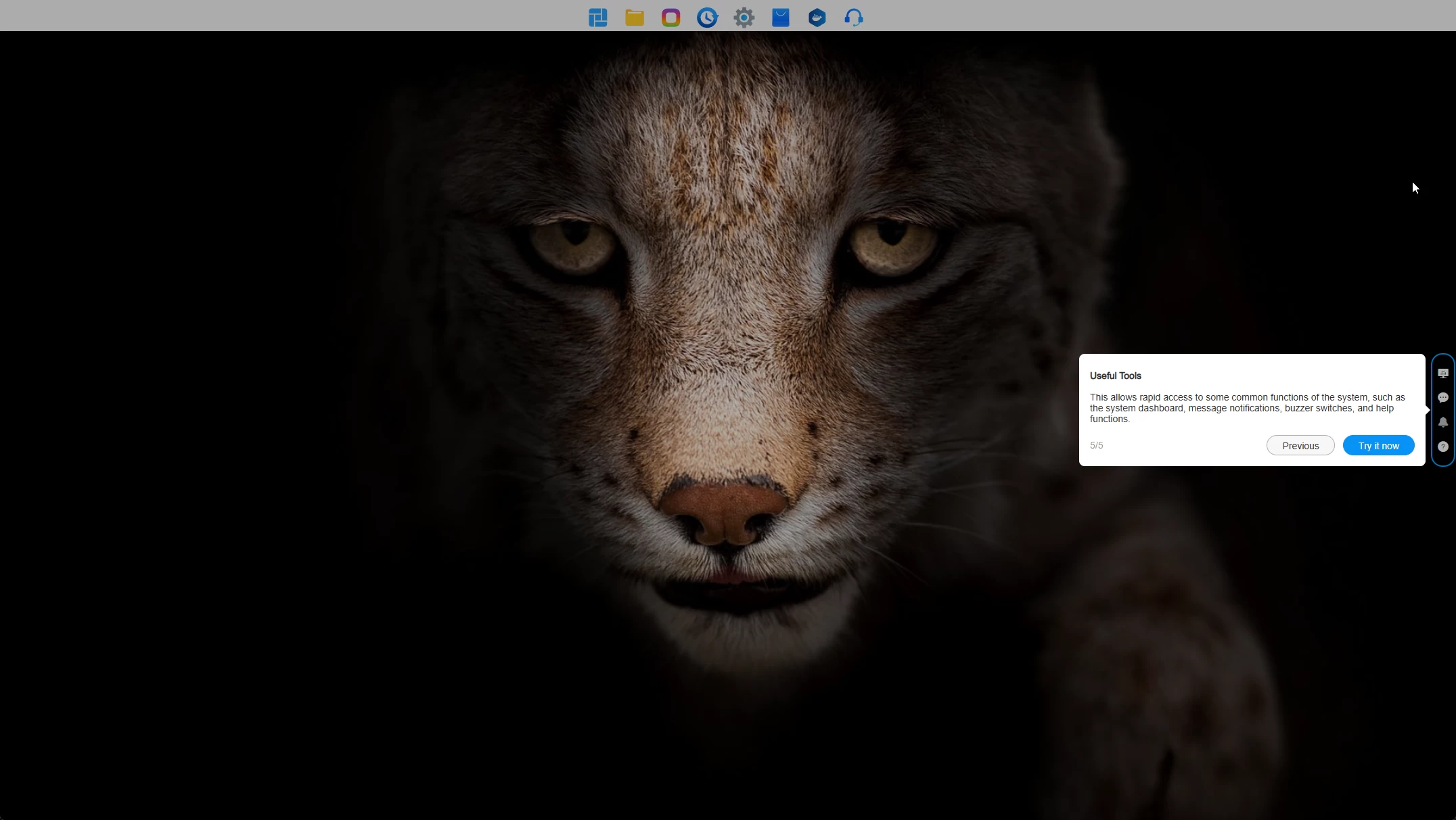
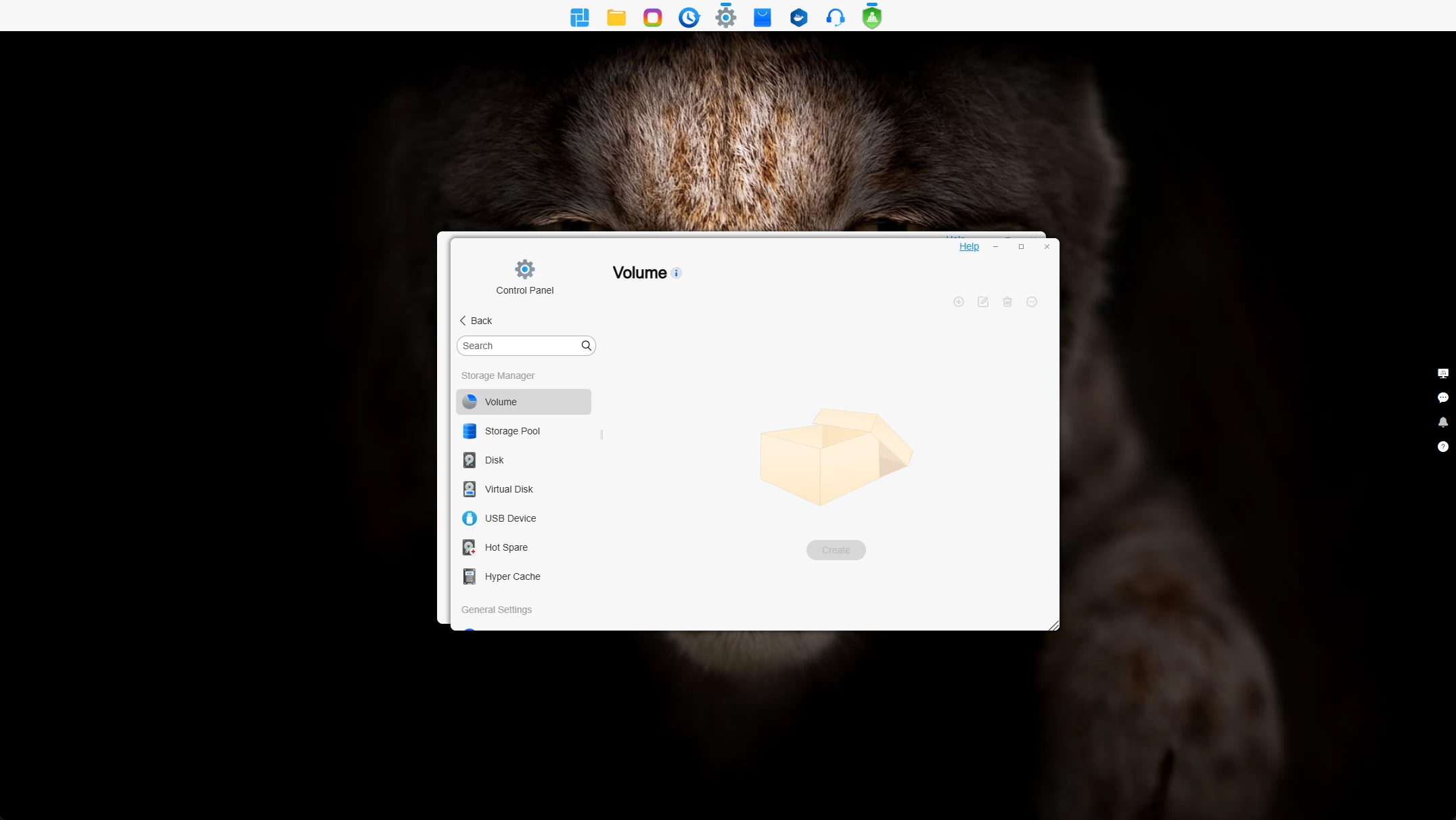
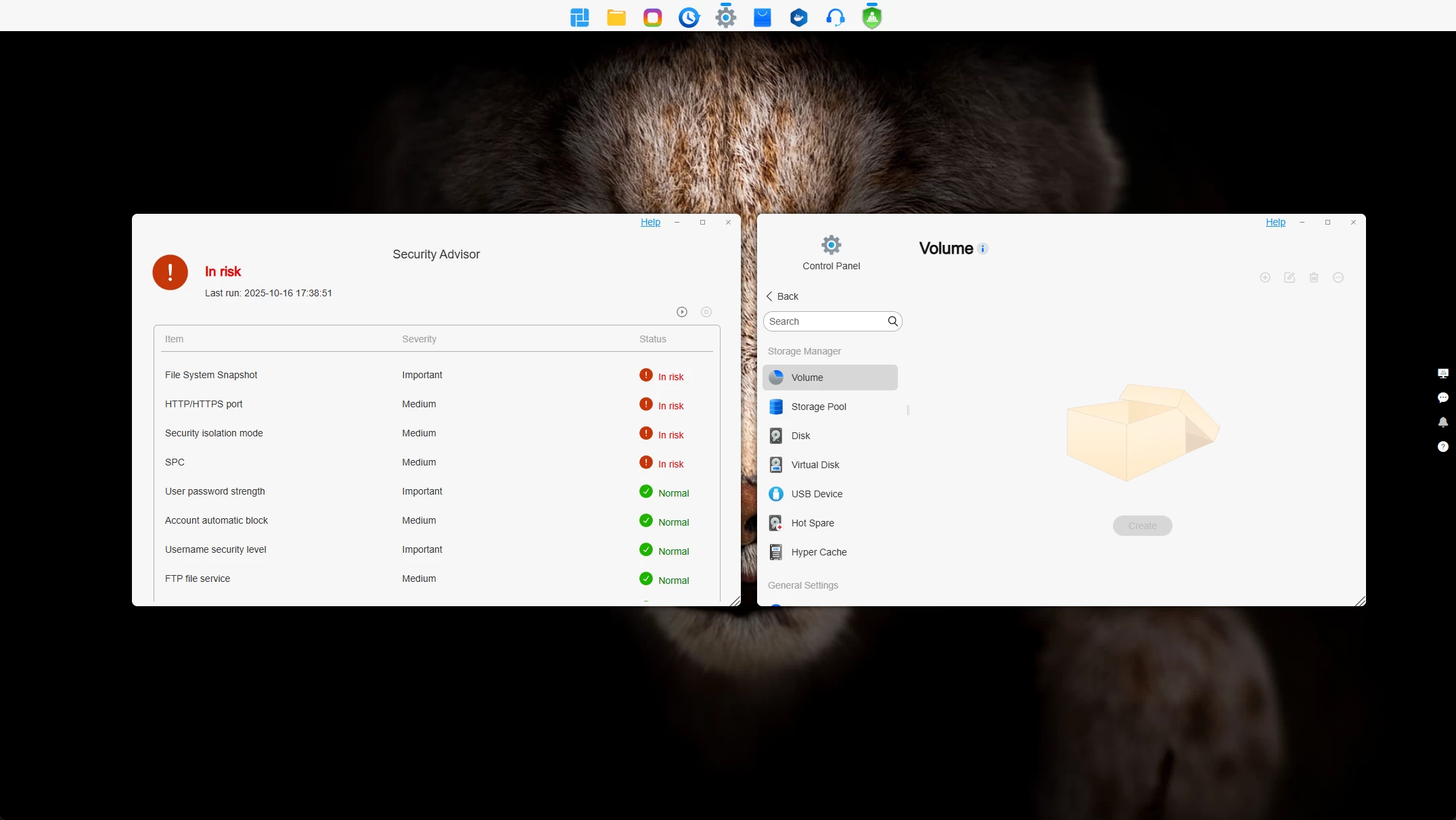
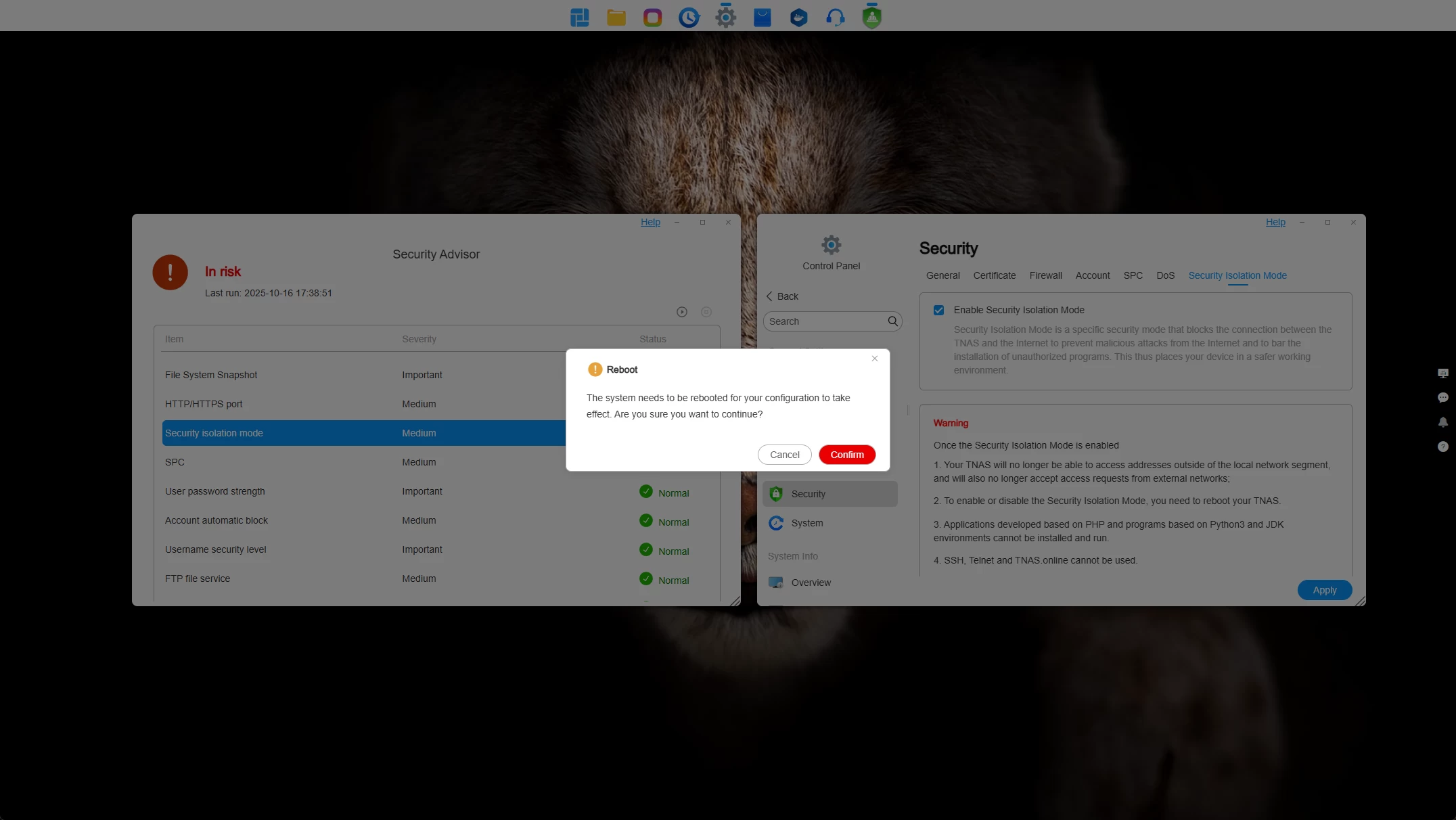
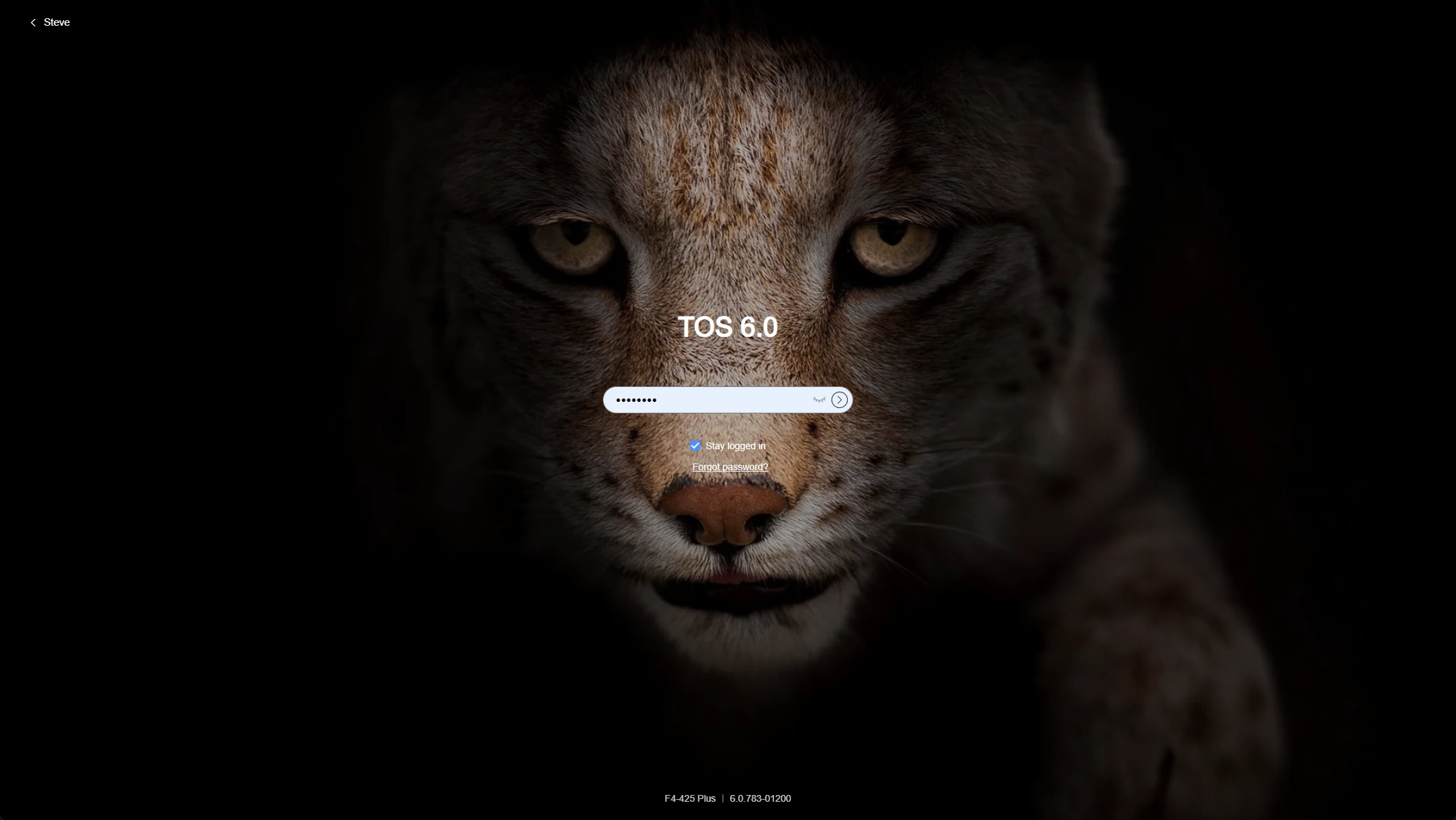
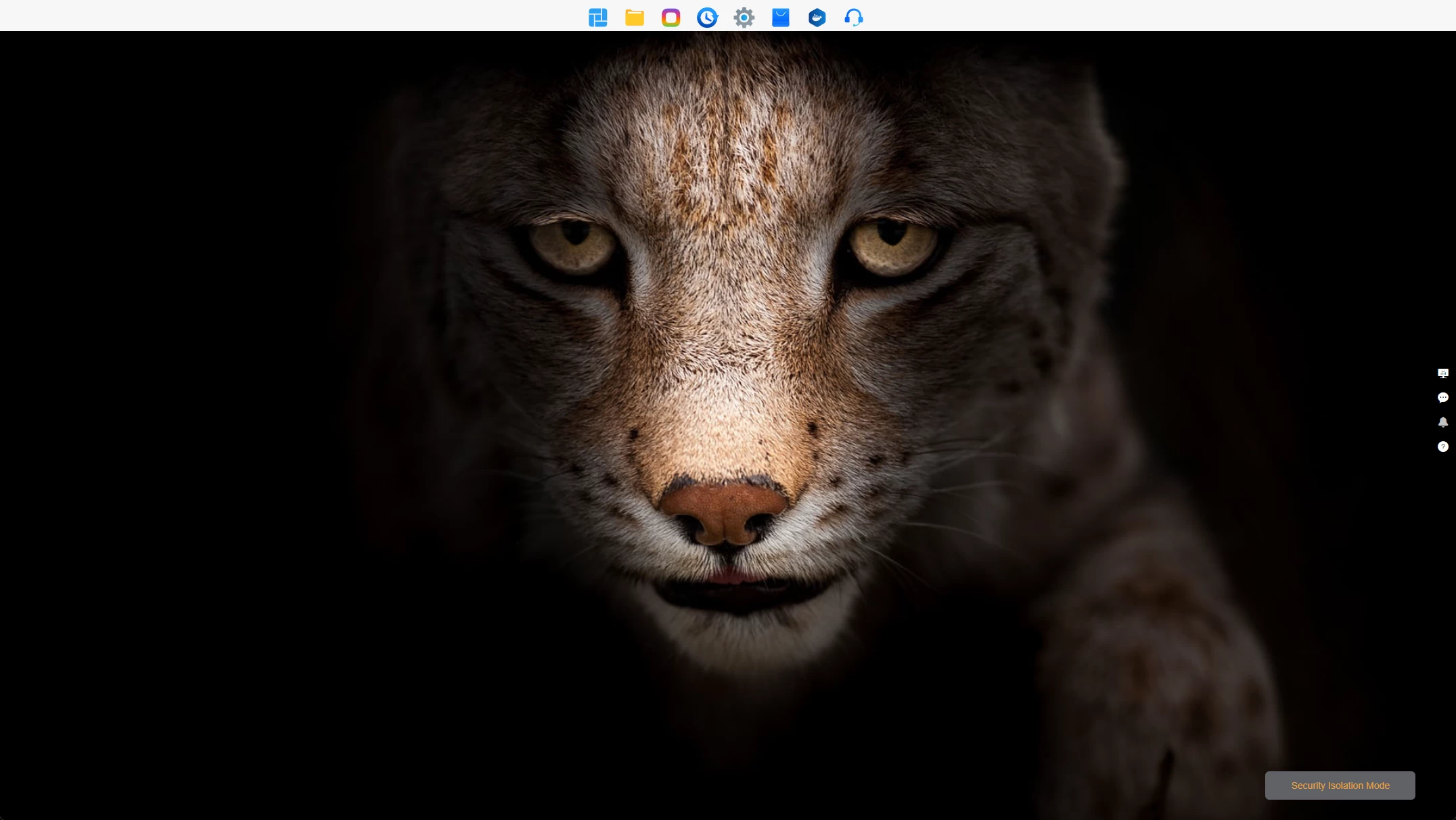
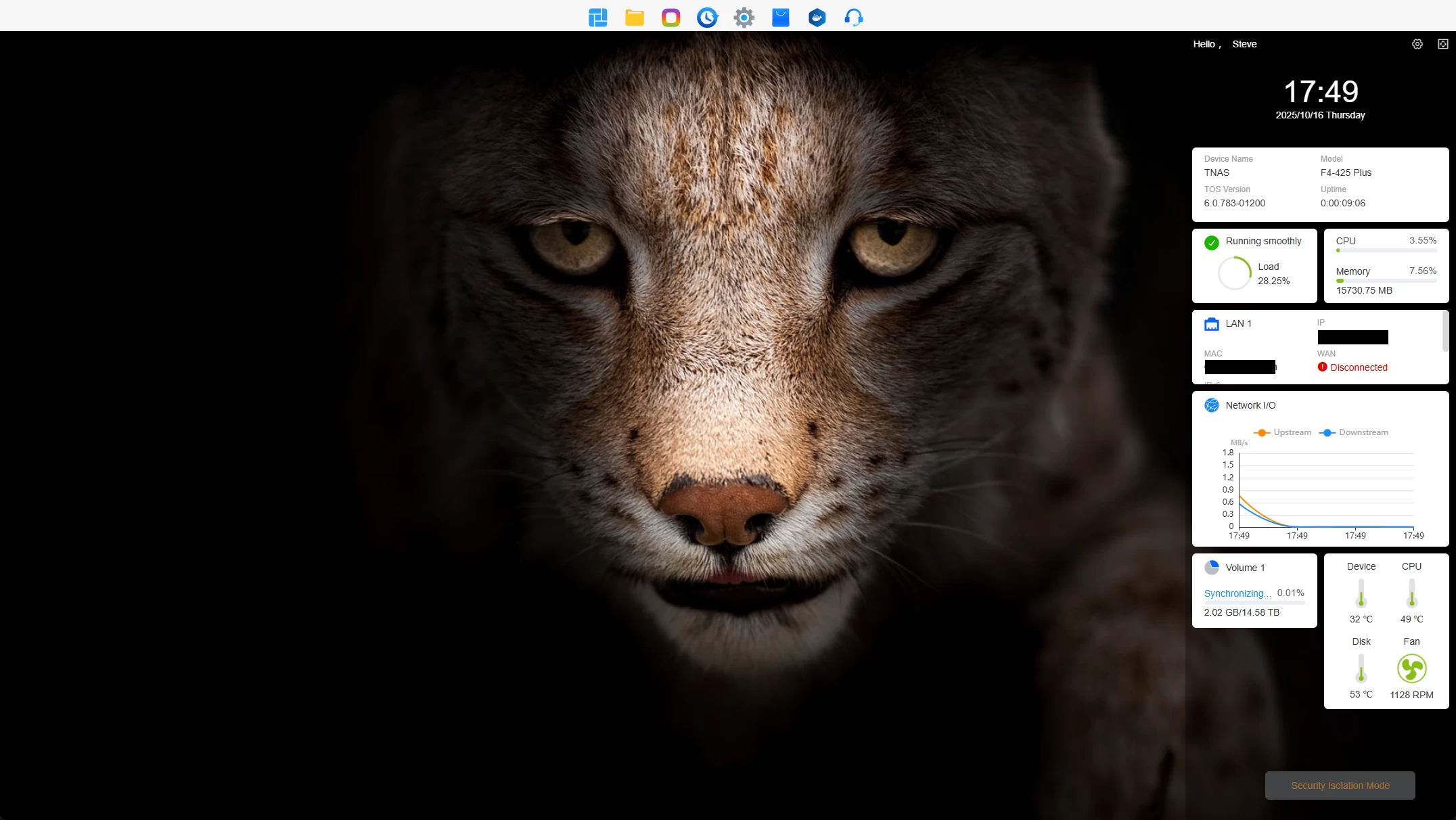
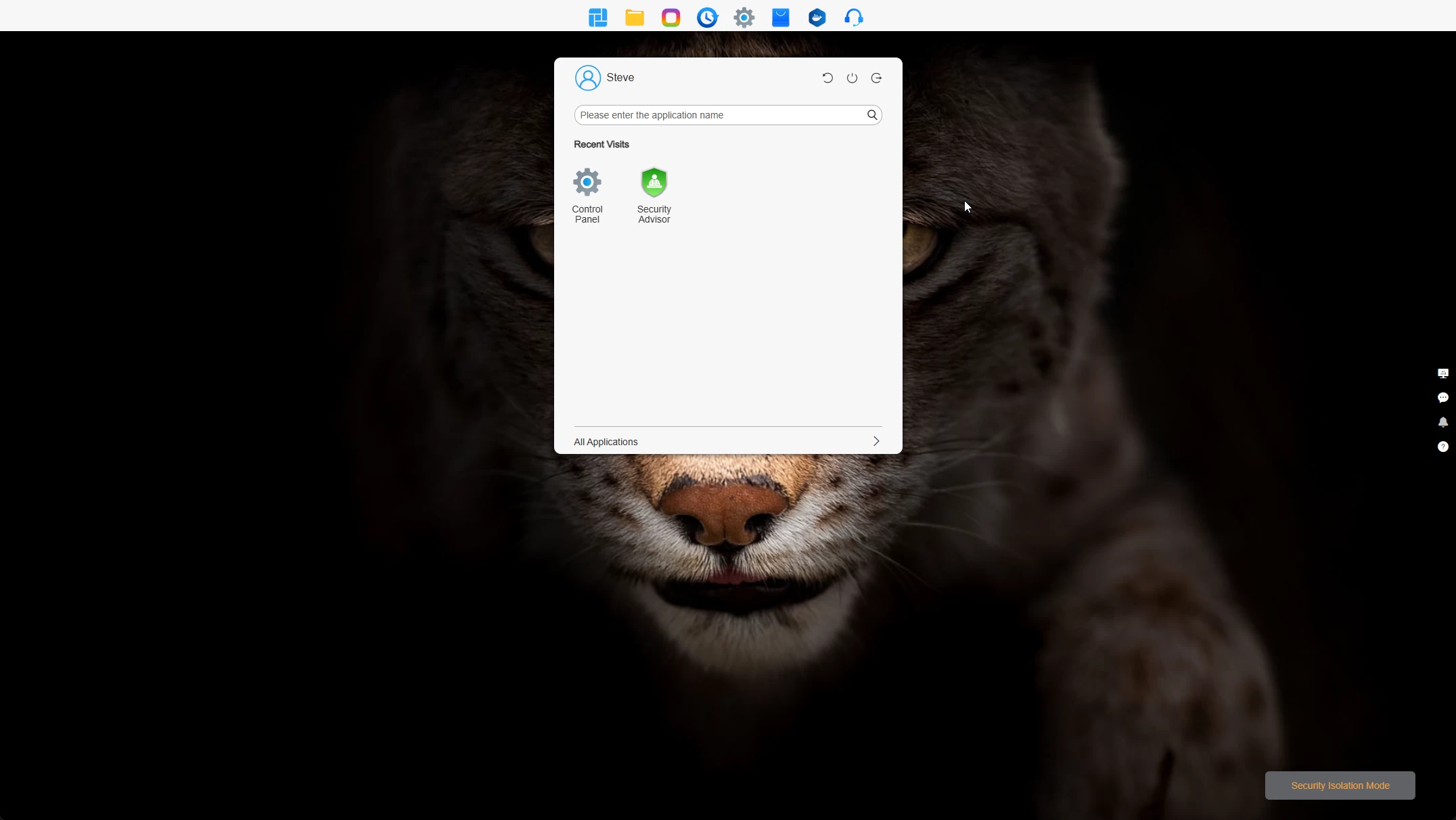
The setup process is pretty straight forward, through a wizard, and in full below:
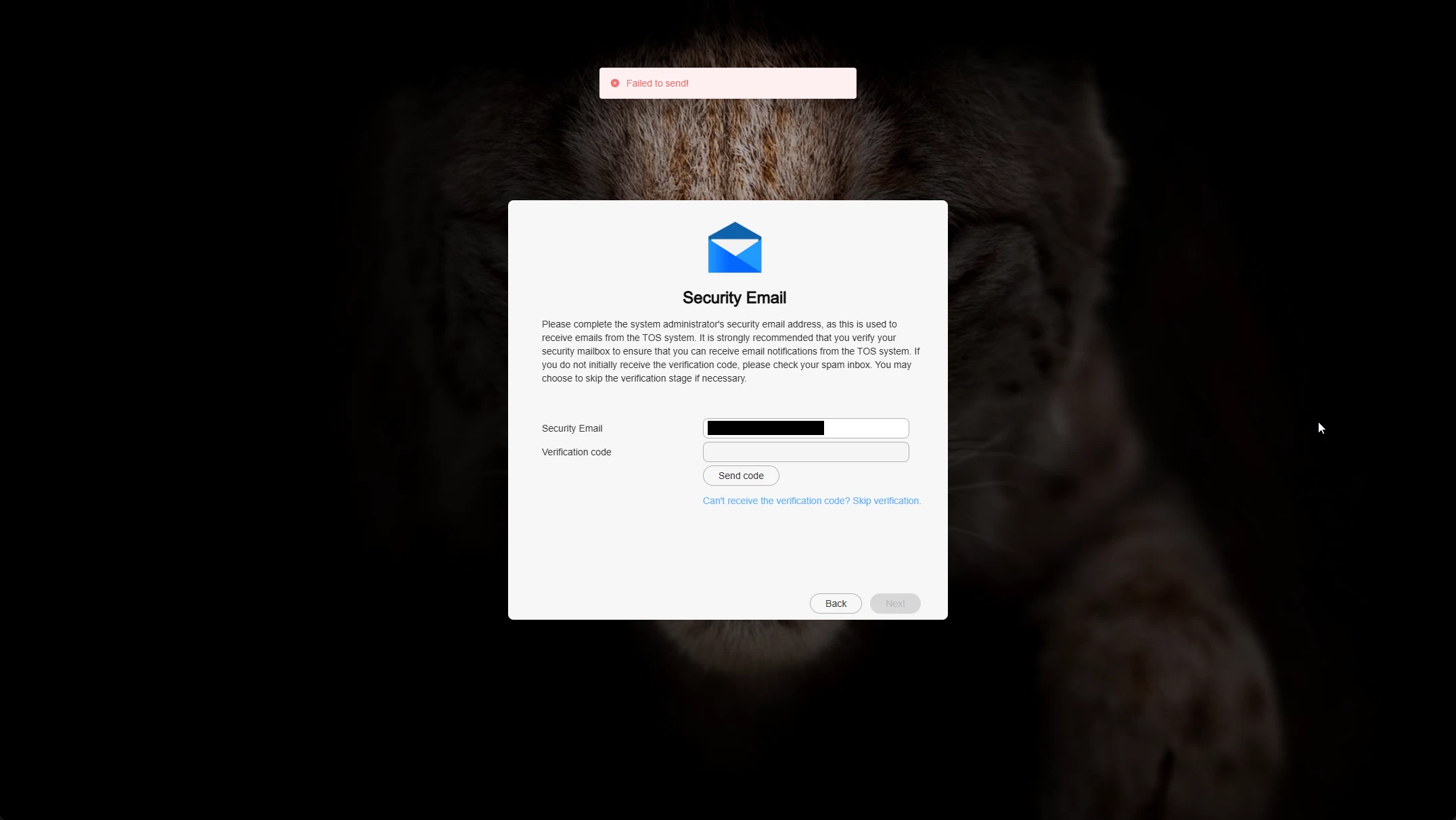
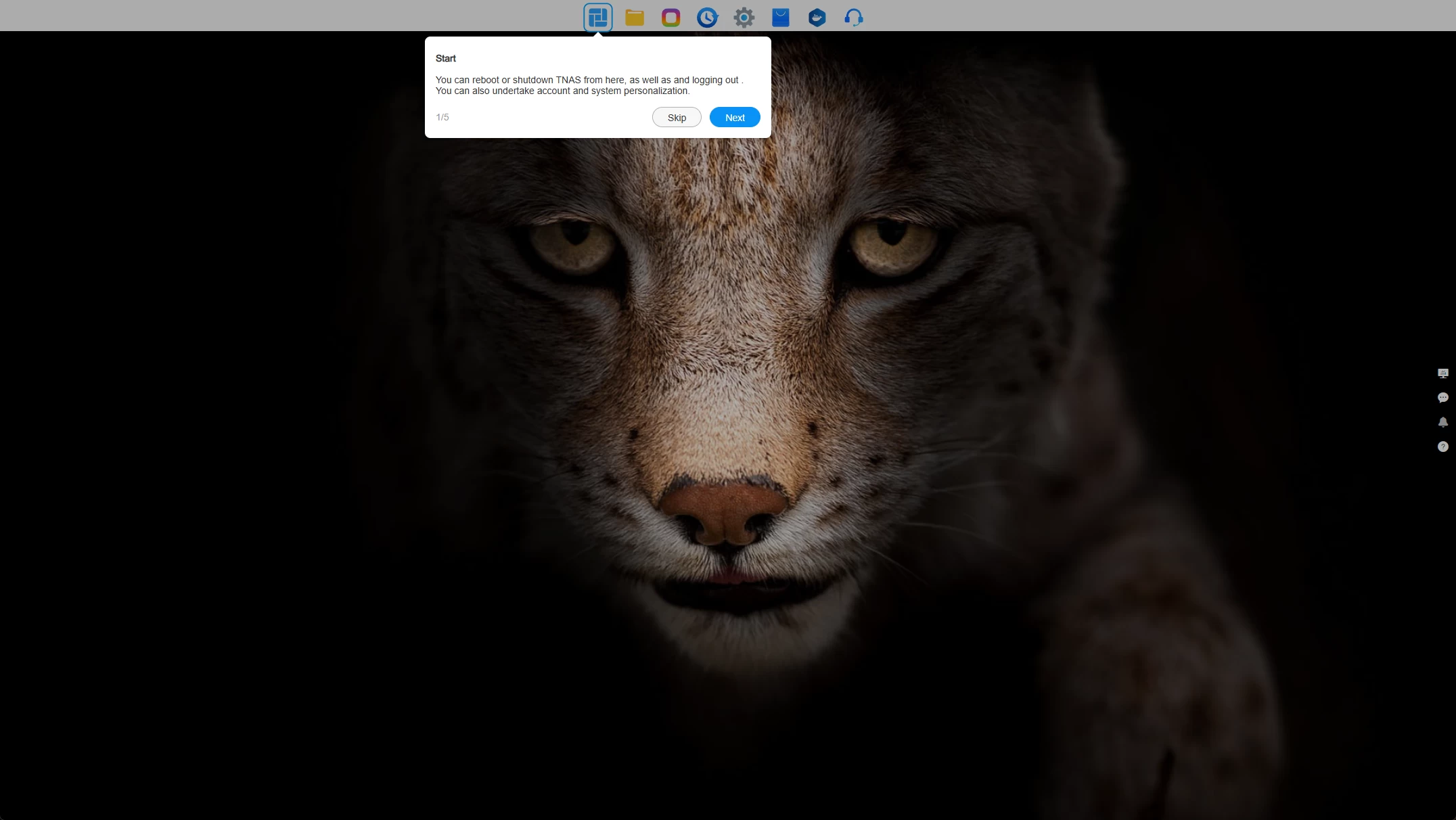
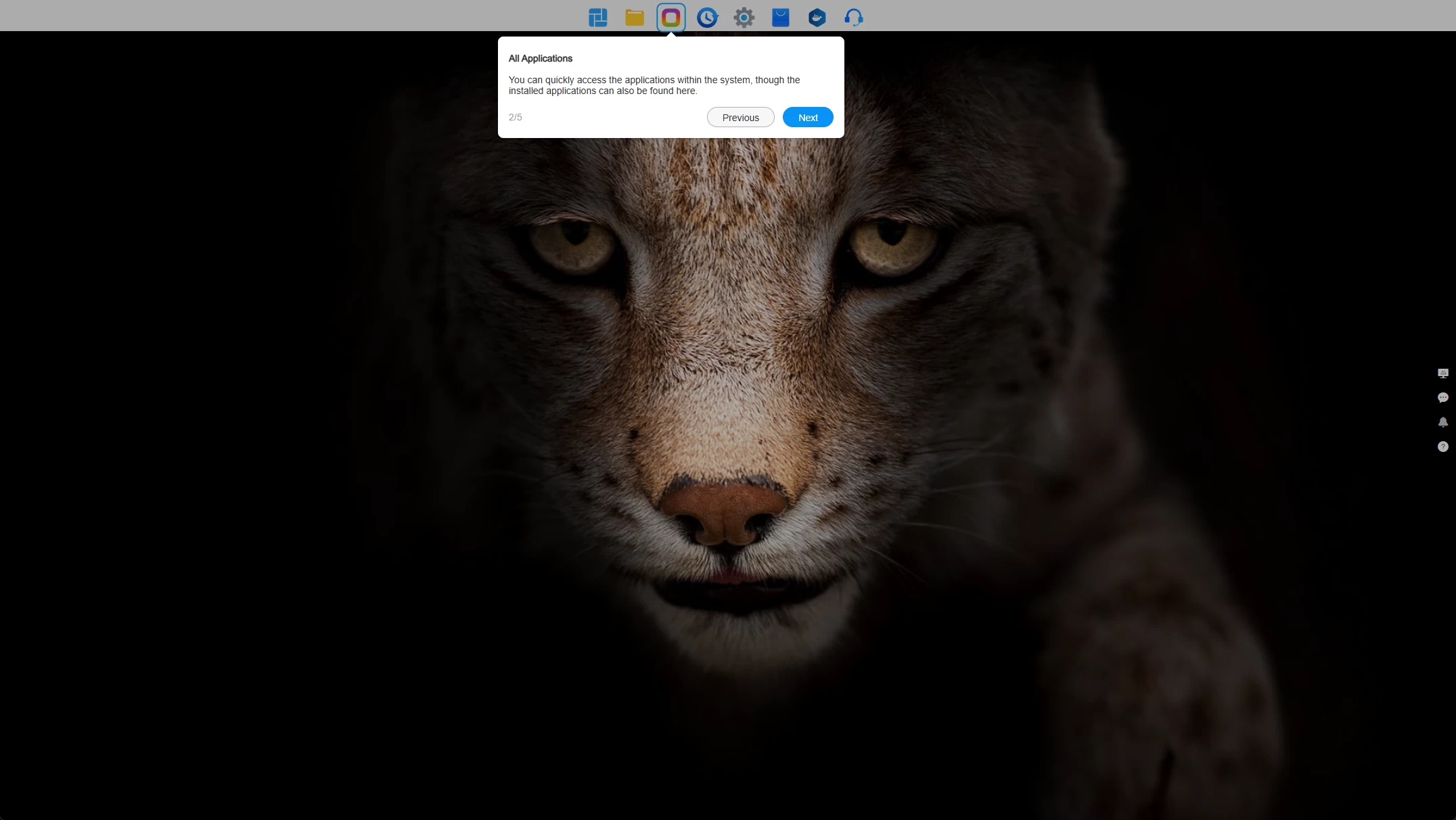
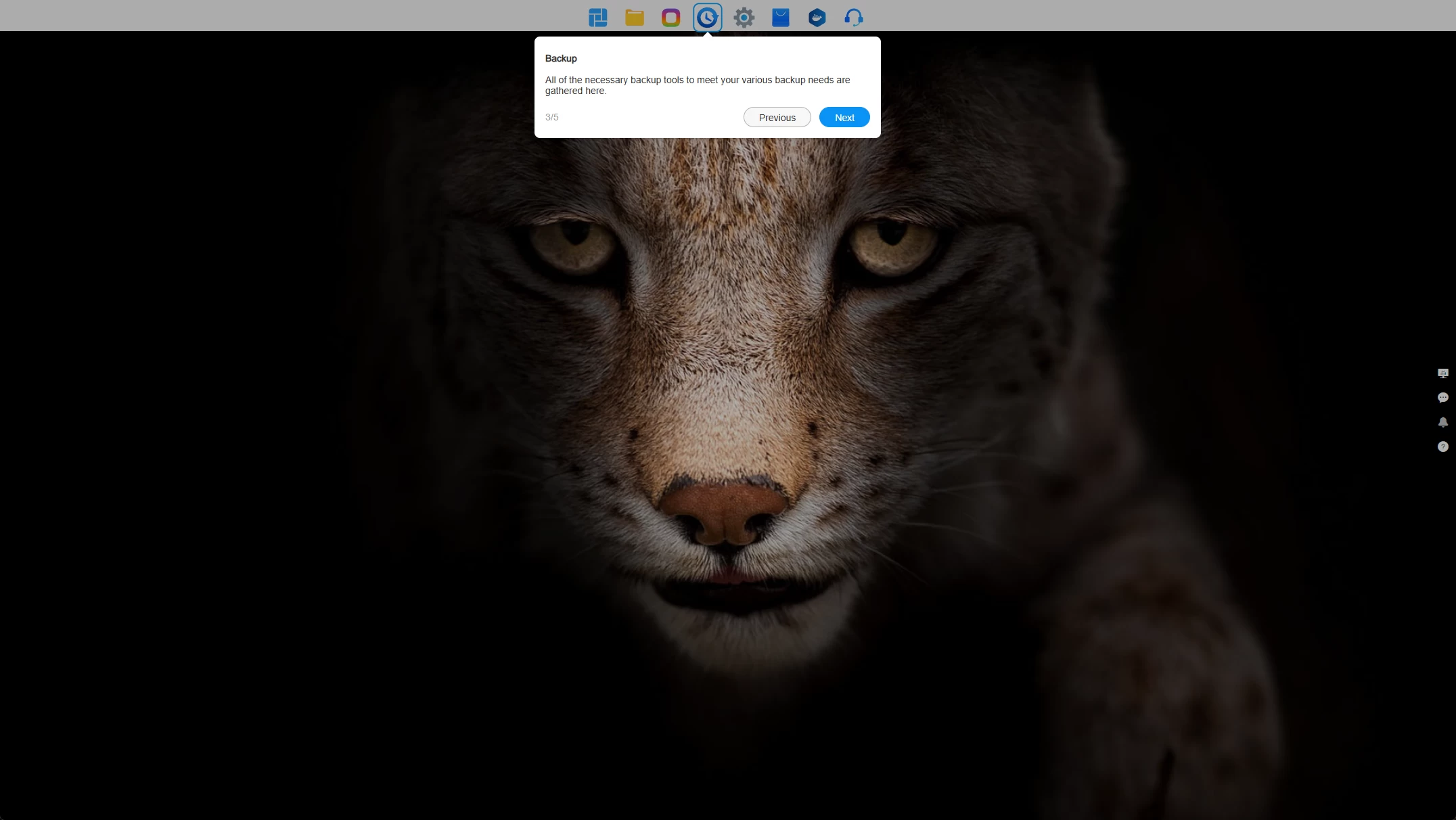

Registering
If you decide to not lock down the F4-425 Plus in Security Isolation Mode (blocking all external connections) then you could setup a TNAS device id through the Remote access setting in the Control Panel (which must be unique). This works in combination with an online TerraMaster account.
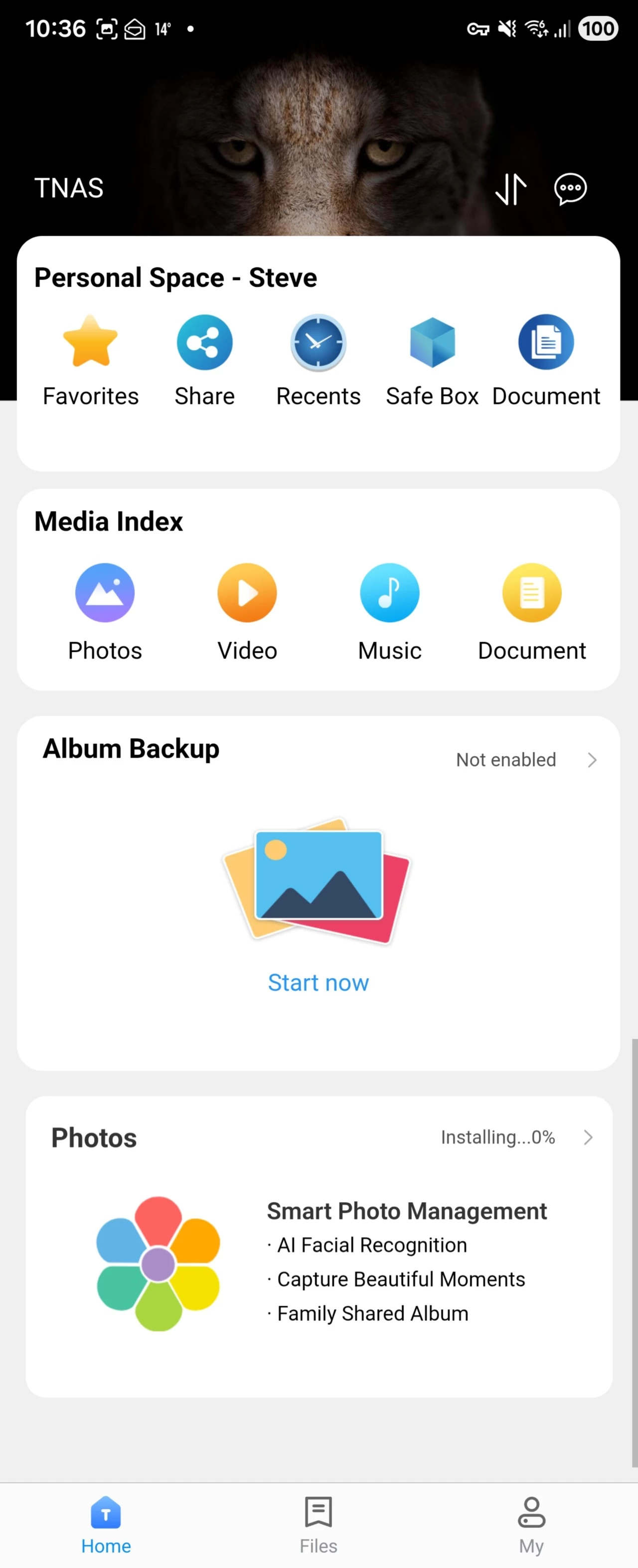
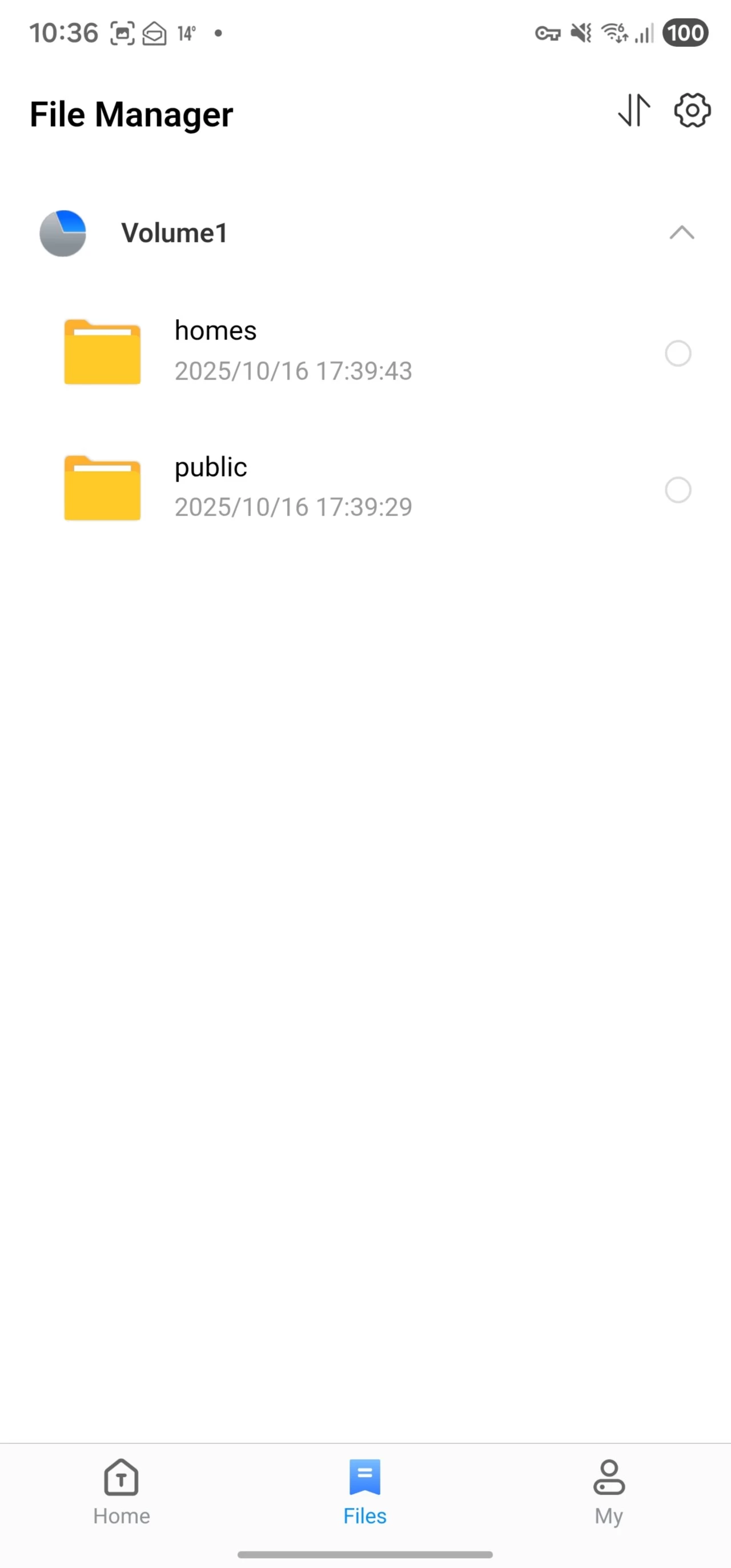
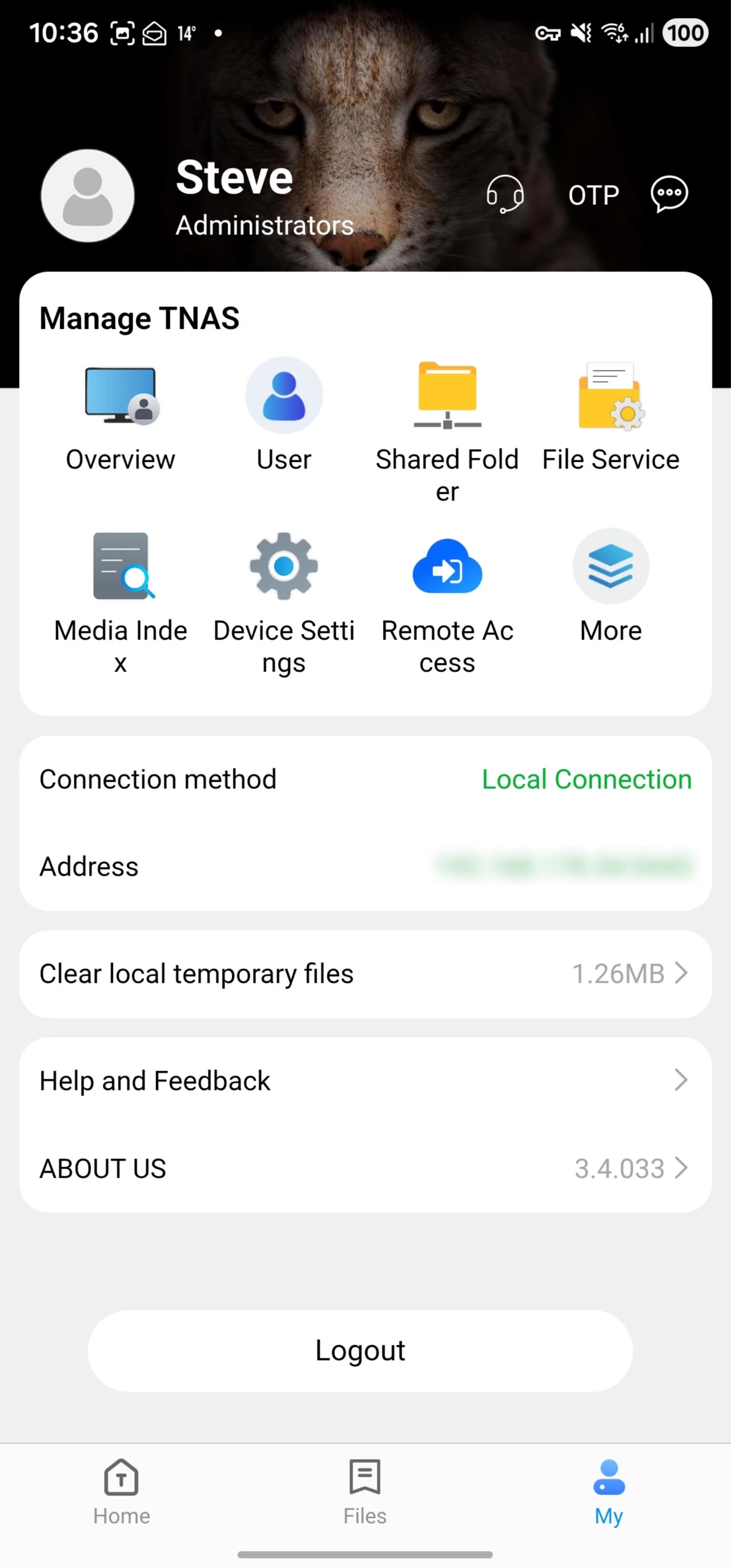
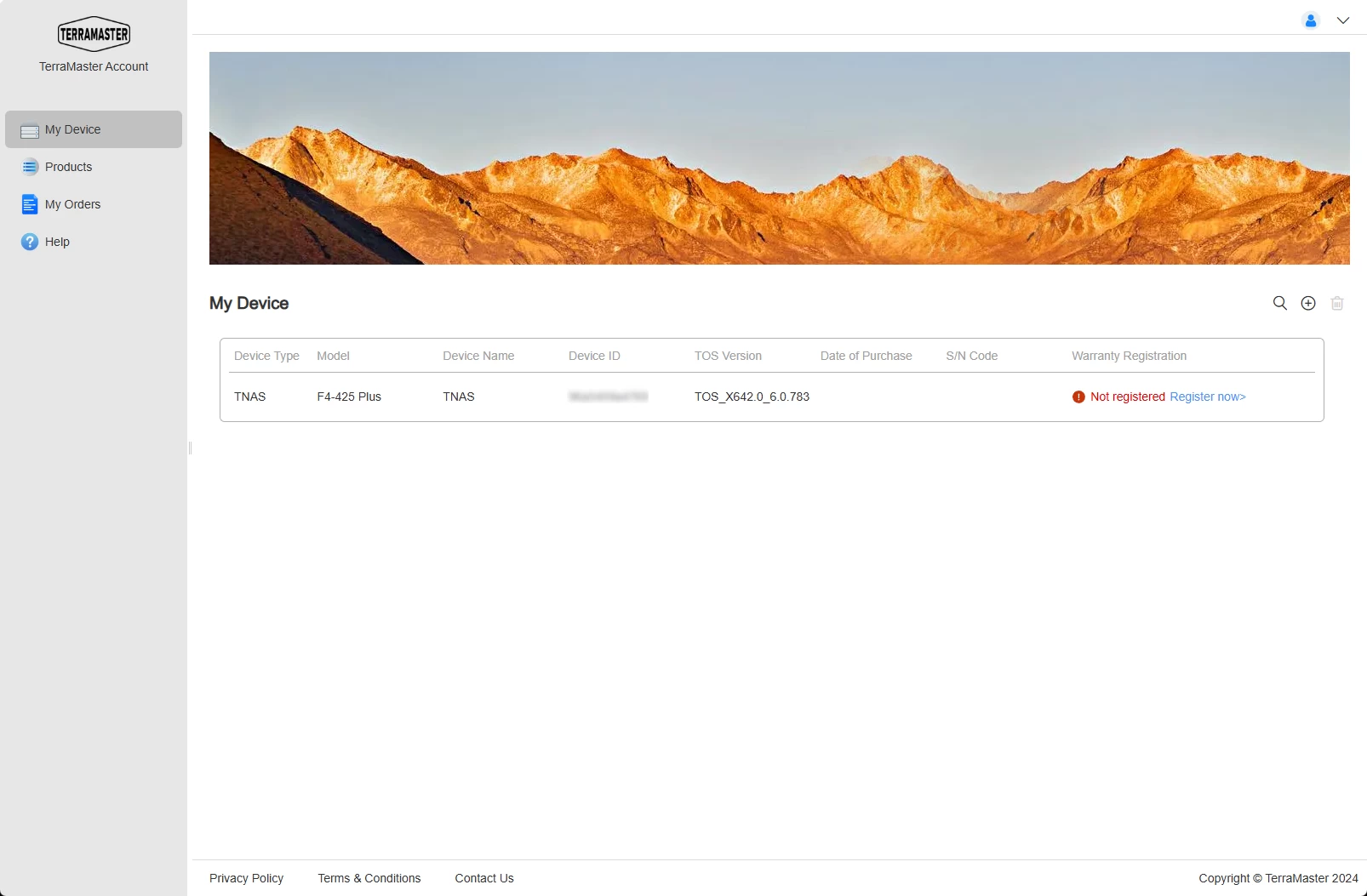
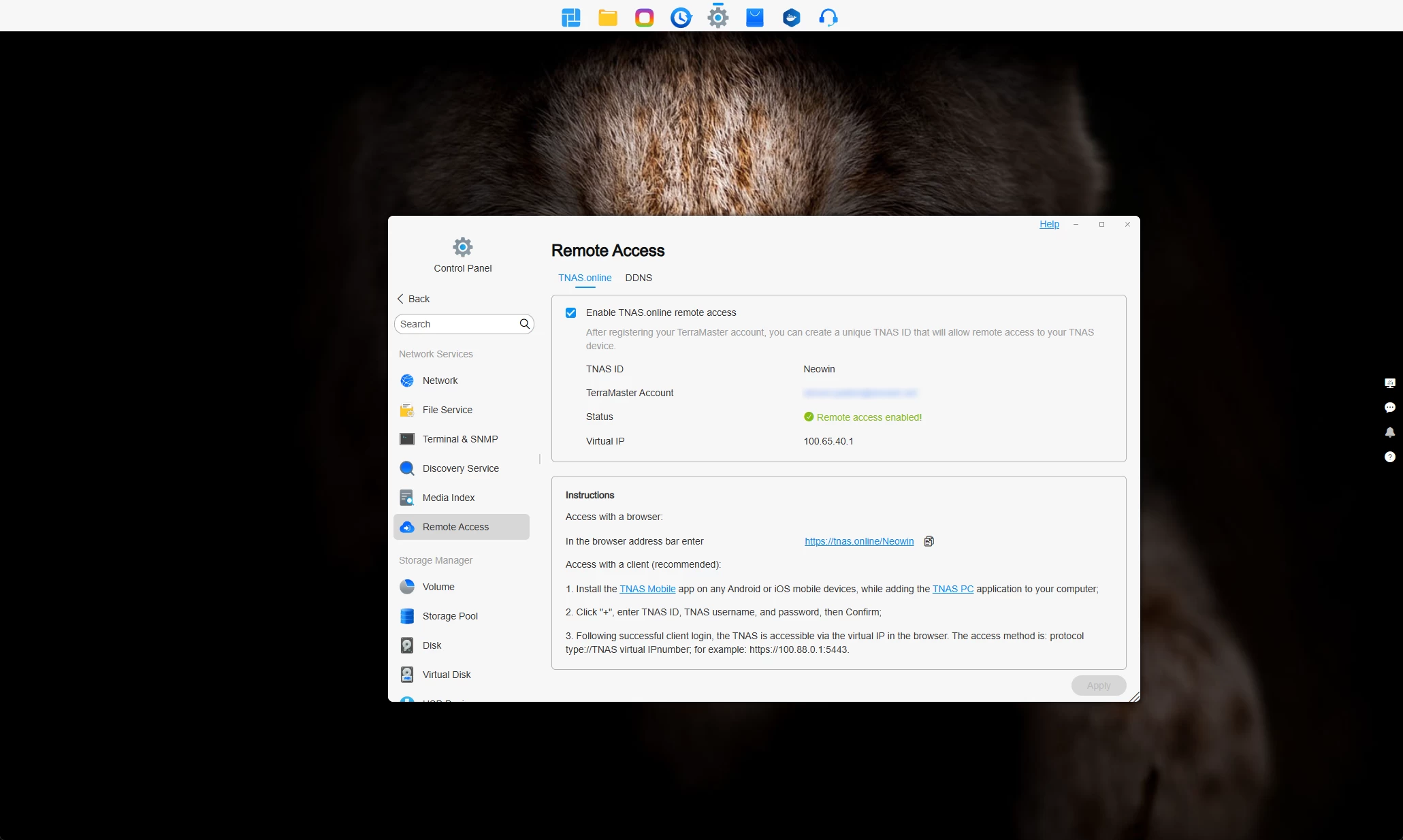
Creating a TerraMaster account and linking the device online activates the warranty when you provide proof of purchase and the serial number, but it also gives you access through the TNAS mobile app which allows you to complete certain operations including powering off and restarting the NAS remotely. The mobile app is evolving all the time and has made leaps and bounds since I first started reviewing TerraMaster devices over two years ago, however it is not quite there yet if you are comparing the likes of Synology, which —sadly, a lot of users online do all the time.
Benchmarking
A pretty cool feature of the TOS 6 is that it allows you to install directly to the NVMe M.2 SSD, however in order to do that you would have to leave out any HDDs during initialization, and even then the system partitions are always written to two HDDs when they are eventually added. I made the mistake of populating it entirely before initialization, and the first Storage Pool consisted of everything installed in the system. This also happened with TOS 6 in the 2024 series and I have fed this back to my contact as well, because only two disks were selected during setup.
With three NVMe slots, this also gives an interesting scenario where you could build a RAID1 storage Pool for installing all your apps and dockers on, and keep the third for SSD cache on the HDD pool. Limitless options!
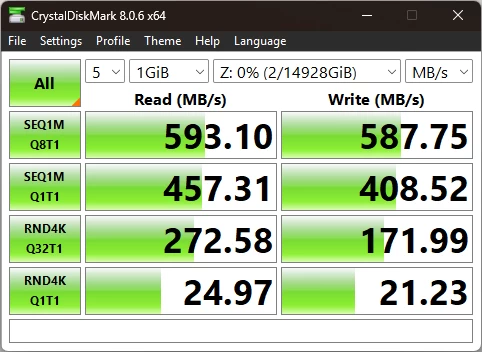
A CrystalDiskMark test on a mapped network drive from within Windows 11 24H2 PC (image above) connected over a 5 GbE hub were well within acceptable ranges.
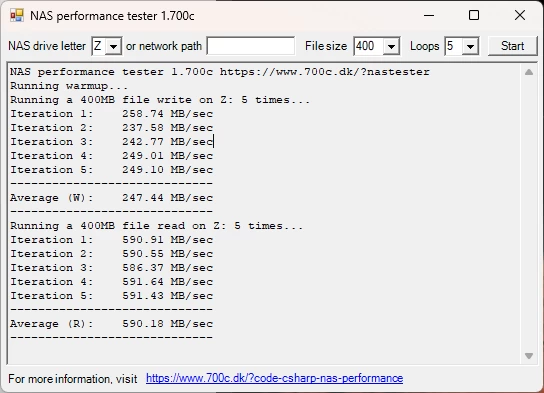
I also ran NAS Performance tester, which tests the link speed performance. As you can see it pretty much maxes out the 5GbE connection. Of course you can also opt to bond the two 5 GbE connections for a bit more umph, but I didn"t do that.
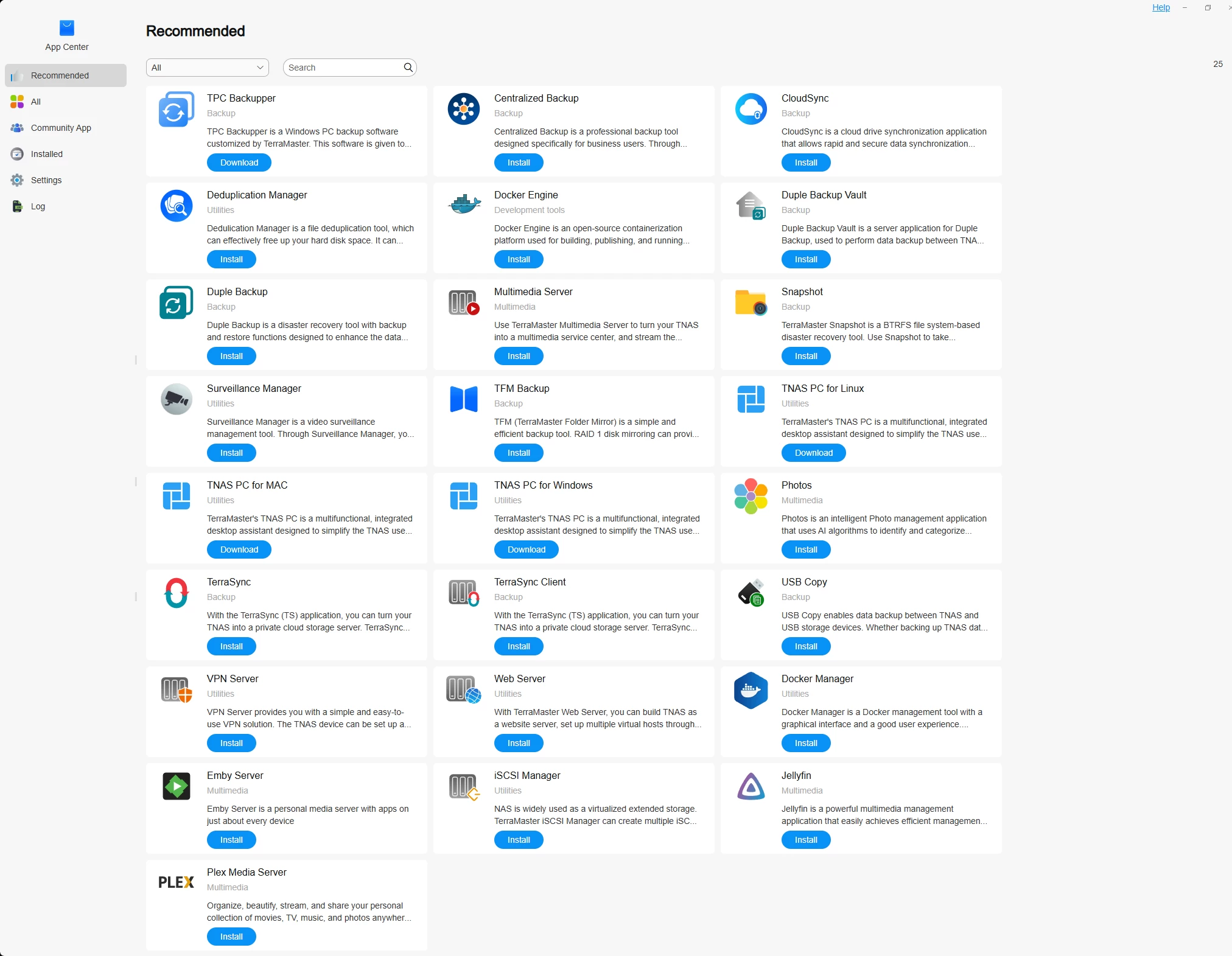
TOS 6, which is now a year old, comes with an App Center that has a bunch of handy programs you can install right off the bat such as Emby, Plex, Docker as well as in-house Backup and Surveillance solutions that aren"t really in the scope of this review. As you can imagine, any media streaming services you would want to host off the F4-425 Plus will work great, thanks to the Intel Core N150 CPU and 16 GB of DDR5 memory.
Accessing from mobile is only possible if Security Isolation Mode is disabled, which can put your NAS at risk from external sources, so there was no way to access it from the TNAS Mobile app.
It"s also quiet. I had this sat next to my computer on my work desk for the past two weeks, and I did wonder if the noise I was accustomed to with NAS devices would annoy me, but all I could hear was a soft whirring of the rear fan when the disks were not actively copying or reading data.
Conclusion
What it comes down to is the quality of the F4-425 Plus, you are getting a quality, affordable device here, so recommending it will depend on the individual"s use case. If you"re just looking for a relatively small NAS device to manage virtual machines on, back up your files, and take care of your home theater streaming, then it is a great device that will certainly future-proof you for some time. It provides good performance, takes up little space, and is on the whole, very quiet. Four bays afford proper redundancy using TRAID or RAID 5, and you can even expand on storage capacity by adding the 2-bay D5, or 4-bay D8 Hybrid DAS over a USB 3.2 (10Gbps) link.
Considering last year"s releases were more about power, with the likes of a Intel Core i5-1235U high end laptop CPU under the hood, I asked my contact if we could expect more of the same in higher end models and was told:
Although it features a 6W low-power design, it delivers better performance and efficiency compared with previous-generation CPUs used in last year’s high-end models.
This means the 2025 series offers enhanced performance, lower power consumption, and quieter operation — not a downgrade, but an upgrade in both technology and design.
It makes a lot of sense to use Intel"s new N150 chip inside a NAS, it is more than capable of doing what the F4-425 Plus is intended for, media streaming and backup.
The only downside is still the clear lack of community and even staff support on the official forums. In the past I have had topics go unanswered for days, or there will be generic-type "we"ve noted this and passed it onto our developer team" type responses. If you are a bit comfortable with the command line, docker and setting up TrueNAS or Unraid, you"ll be fine, you can do great things with this hardware. The apps are a bit lacking, and things don"t always work as expected.
Where to buy and launch discount
However, it does not change the fact that this truly a great entry level home media-class NAS that you can buy right now. TerraMaster also let us know that they have initiated a 15% launch discount to celebrate the availability of the F4-425 Plus, which launches today on Oct 21. Normally costing $569.99, you can now buy it for $484.99, which in my opinion also makes it an affordable, great choice.
As an Amazon Associate when you purchase through links on our site, we earn from qualifying purchases.