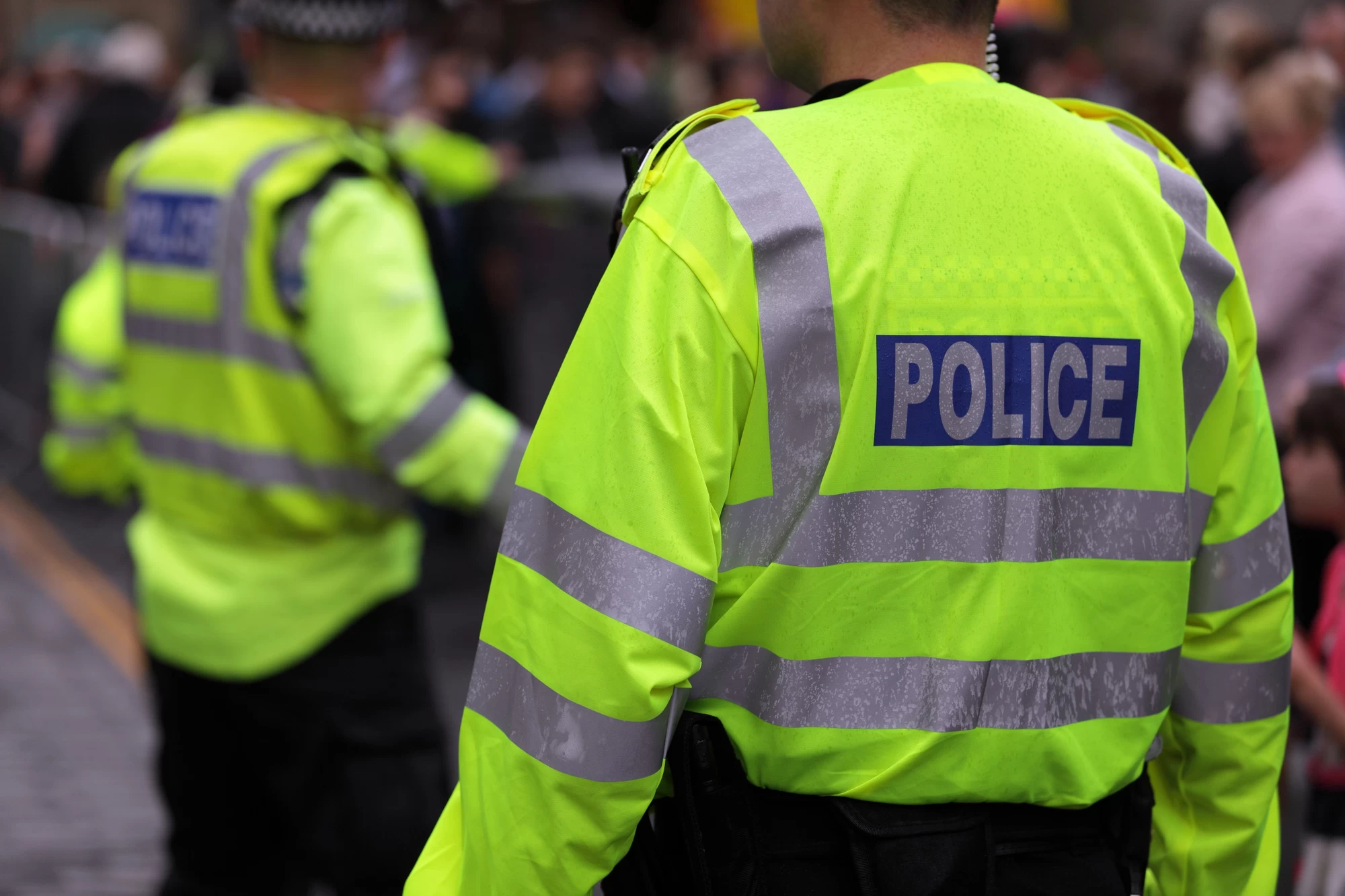
The UK government, through the Department of Science, Innovation and Technology, has announced the Concentration of Crime Data Challenge. The ultimate aim of this initiative is to have innovators create an AI-powered, real-time crime map for England and Wales by 2030.
The government hopes that the map can predict where crimes like knife crime and anti-social behaviour are likely to occur, allowing police to intervene proactively. The project is part of a larger £500 million R&D Missions Accelerator Programme, with an initial £4 million investment to develop prototypes by April 2026.
The technology is expected to bring together data from police, councils, and social services, including criminal records and behavioural patterns of known offenders. It will contribute to the attainment of the government’s Safer Streets Mission, which has the aim of halving knife crime and violence against females within a decade.
The Technology Secretary Peter Kyle said that AI will work “for victims over vandals, the law-abiding majority over lawbreakers.” The initiative is also being supported by several organisations, including Neighbourhood Watch and The Ben Kinsella Trust, which have said that it could be a powerful, preventative tool. It has the potential to enable law enforcement to more effectively target resources at a local level.
This is the second challenge to be announced in the R&D Missions Accelerator Programme. The first was the Clean Energy challenge which aims to deliver cheaper bills for households across the country by shifting electricity demand during evenings and weekends by two gigawatts by 2030; the equivalent of 1.5 million homes.
While there is optimism about this use of AI by the government, police, and other organisations, the St Giles Trust has warned that the technology must be “used with care.” Its Chief Executive Tracey Burley pointed out the risk that “certain communities risk being unfairly profiled.” She also stated that any technological solution must be paired with “proven measures such as early intervention for those at risk” and addressing “root causes” like poverty and inequality.
What is interesting about this announcement is that it does not detail specific safeguards to prevent profiling or misuse of the data. Given how insistent the UK has been with AI companies that they should develop safe AI, it’s a bit surprising to see that the government hasn’t outlined any guidelines that developers of this map should follow.
The challenge builds on some existing Home Office work including mapping technologies targeting knife crime hotspots and the Safer Streets Initiative tackling town centre crime. Using this foundation, the challenge will enhance research, expand data sources, and deepen analysis to better understand crime patterns and measure the impact of interventions.
The government also has plans to put 13,000 additional police officers, PSCOs, and special constables into neighbourhood roles which will be able to enforce the new AI mapping technology.
The government says it’s not stopping at using AI for energy and crime, it will be announcing further challenges in other sectors like the NHS and economic growth which we will hear about in due course.
Image via Depositphotos.com