
Alongside Instagram"s new mandate for teen accounts, YouTube has also announced an update for its young users. The Google-owned video-sharing platform has baked a new offering around mental health and wellbeing for teenagers.
YouTube said it will display a shelf of videos from trusted sources when teens search about sensitive, common mental health and wellbeing topics like depression, anxiety, ADHD, and eating disorders.
YouTube might consider a video for the shelf if its content is evidence-based, teen-centric, and engaging. These featured shelves will start rolling out over the coming weeks to teen users in the US, UK, Canada, Mexico, France, and Australia.
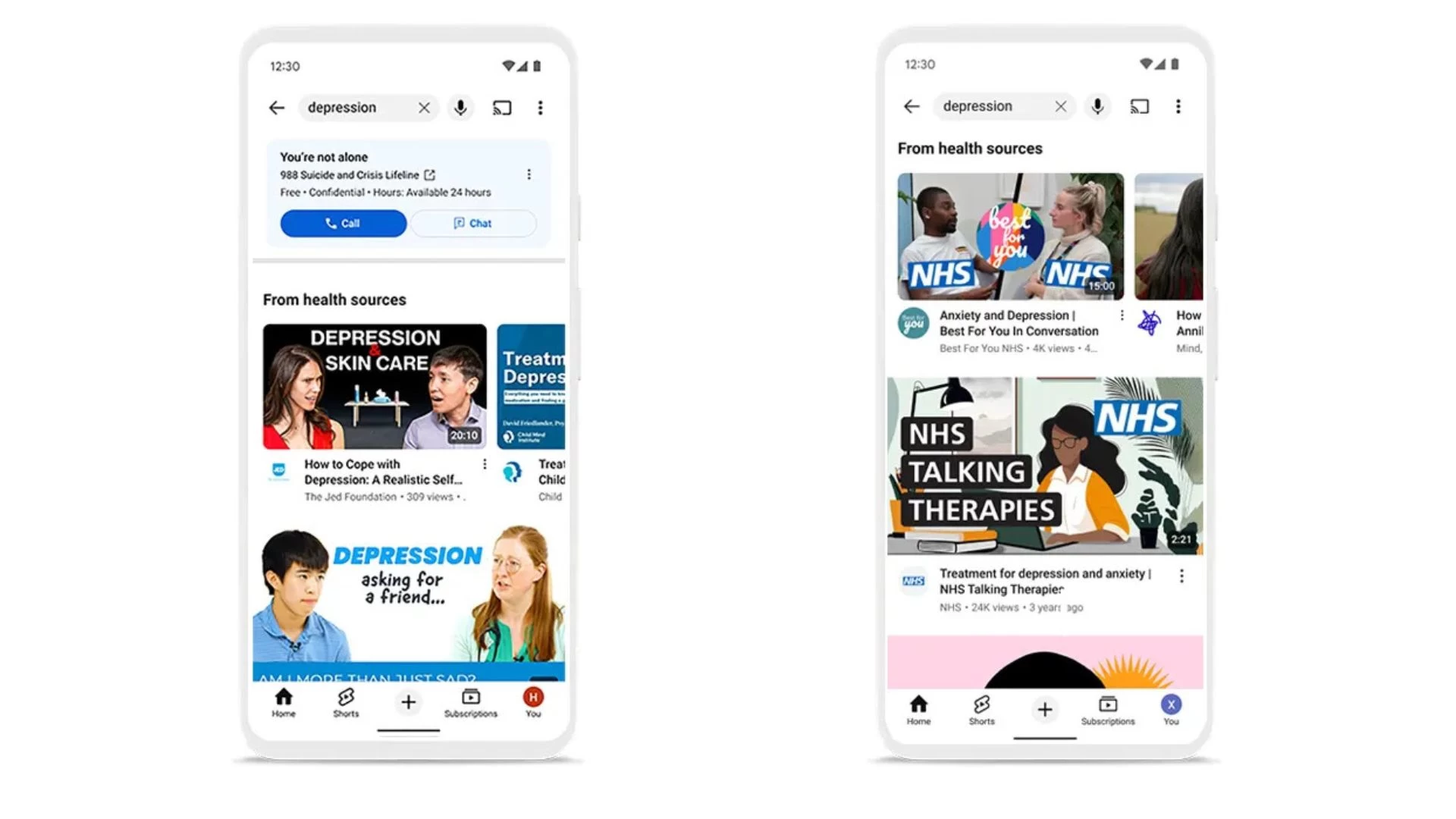
The video-sharing platform already displays health content shelves for regular users around specific topics, featuring videos from authoritative and credible sources. It has also added health information panels in the description of some videos to give users an idea about the source, whether it"s coming from a licensed doctor or healthcare professional.
The National Alliance on Eating Disorders said that YouTube stands out as the "single biggest driver of outreach to our helpline," and teens often use YouTube when looking for answers.
For teen users, YouTube has previously implemented other safeguards, such as limiting recommendations for videos that compare physical features, idealize some types over others, and display social aggression in the form of non-contact fights and intimidation.
It notes that teens are more likely than adults to develop negative beliefs about themselves when the content they consume has repeated messages about ideal standards.
The latest update has arrived at a time when different countries have started limiting teens" use of social media. The Australian government was among the earliest to draft a bill to ban social media for those under 16.
YouTube"s name was initially exempted from the legislation due to its popularity among teachers, but was later included. Tech giants remain skeptical of it, and Google recently said that implementing such a law would be "extremely difficult."