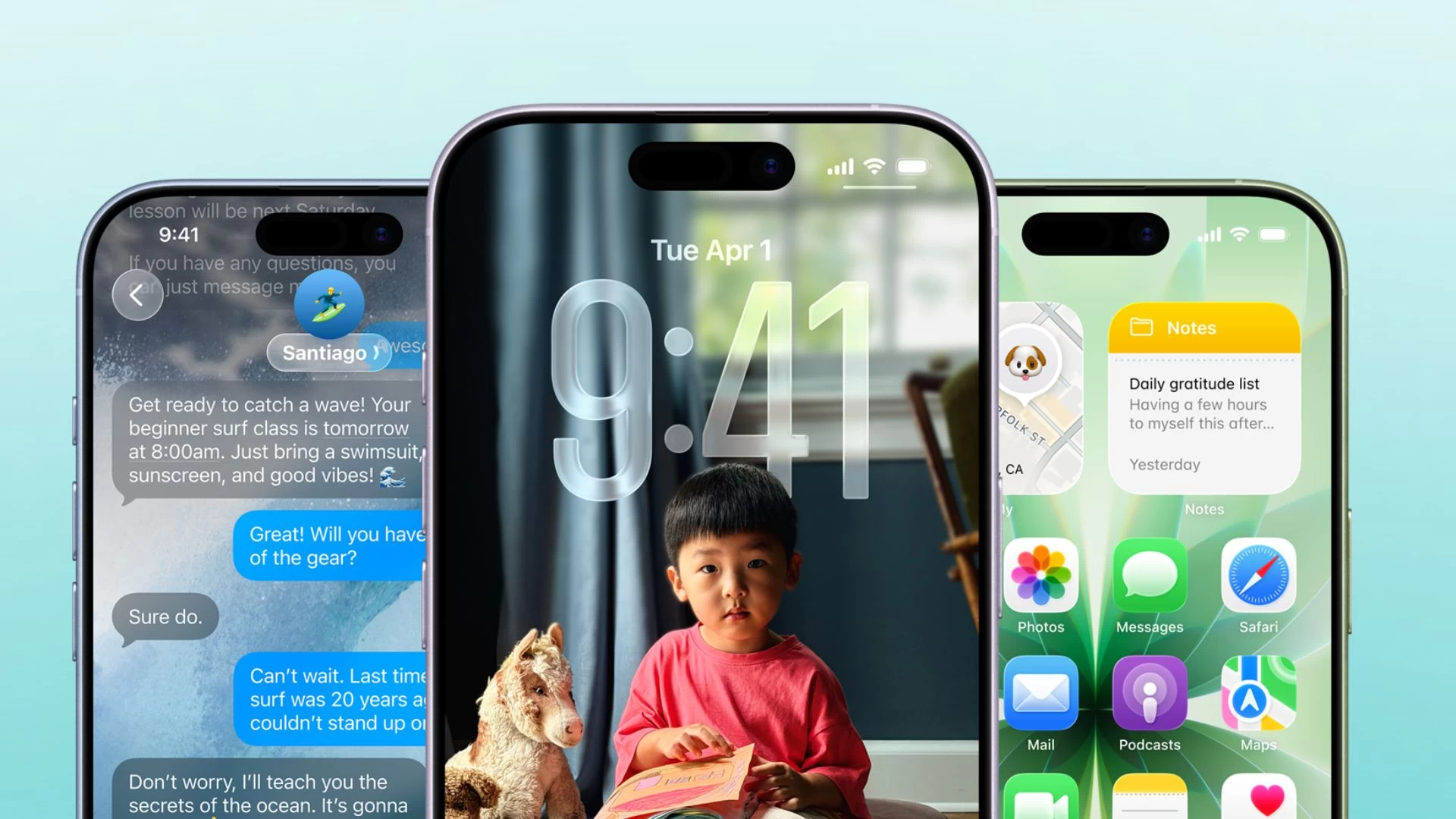
At WWDC 2026, Apple today announced a revamped Siri AI experience for iOS and iPadOS users. However, this new Siri AI experience will not be available on iPhones and iPads in the European Union when iOS 27 and iPadOS 27 launch later this year.
In a detailed press release, Apple blamed the Siri delay on the EU’s Digital Markets Act, highlighting that EU regulators did not accept its proposed solutions for bringing Siri AI to the region. Consequently, there is currently no timeline for Siri AI’s availability on iOS and iPadOS in the EU.
Here is what EU users will be missing due to this delay:
- Siri AI, Apple’s next-generation assistant powered by Apple Intelligence
- A new dedicated Siri app for revisiting conversations
- Expanded Visual Intelligence features
- Integrated AI-assisted writing tools
- Siri mode in Camera on iOS
- Other system-level AI features
Since the new Siri experience on watchOS 27 is dependent on an iOS 27 device, EU users will also miss out on Siri AI on watchOS 27. The most frustrating part is that even developers based in the EU will not be able to test or use the new Siri AI features for their apps on iOS 27, iPadOS 27, and watchOS 27.
In its press release, Apple mentioned that making Siri AI available in the EU would require the company to give other AI assistants (like ChatGPT, Claude, and Gemini) broad access to private user data and the ability to control installed apps. Essentially, the EU wants competing AI systems to be able to read and send messages, make purchases, access files, and perform actions across apps.
To address these concerns, Apple proposed an intermediary system called Trusted System Agent. This system would have allowed other virtual assistants to access the same features as Siri AI in a safer way. However, the European Commission rejected Apple"s proposals, and it is currently unclear why. The good news is that Apple stated it will continue working with EU regulators to bring Siri AI to the region. For now, however, iPhone and iPad users in the EU will have to wait.
If platform gatekeepers such as Apple and Google reserve deep operating system capabilities only for their own AI assistants, rival services such as ChatGPT, Claude, Perplexity, and others will be at a major disadvantage. Modern AI assistants are no longer simple chatbots. They require access to core OS-level capabilities such as reading on-screen context, interacting with installed apps, sending messages, creating calendar events, managing files, and completing user-approved actions across the device.
If only Siri on iOS or Gemini on Android can access these capabilities, competing AI services will struggle to offer the same level of convenience, even if their underlying models are better. This is exactly what the European Union"s DMA is trying to address.
Apple and Google should be allowed to protect user privacy and security, but they should not be permitted to use those concerns as a blanket excuse to block rival AI assistants from getting fair access to core platform features. A secure permission-based framework could allow users to choose their preferred AI assistant without giving any company unrestricted access to personal data.