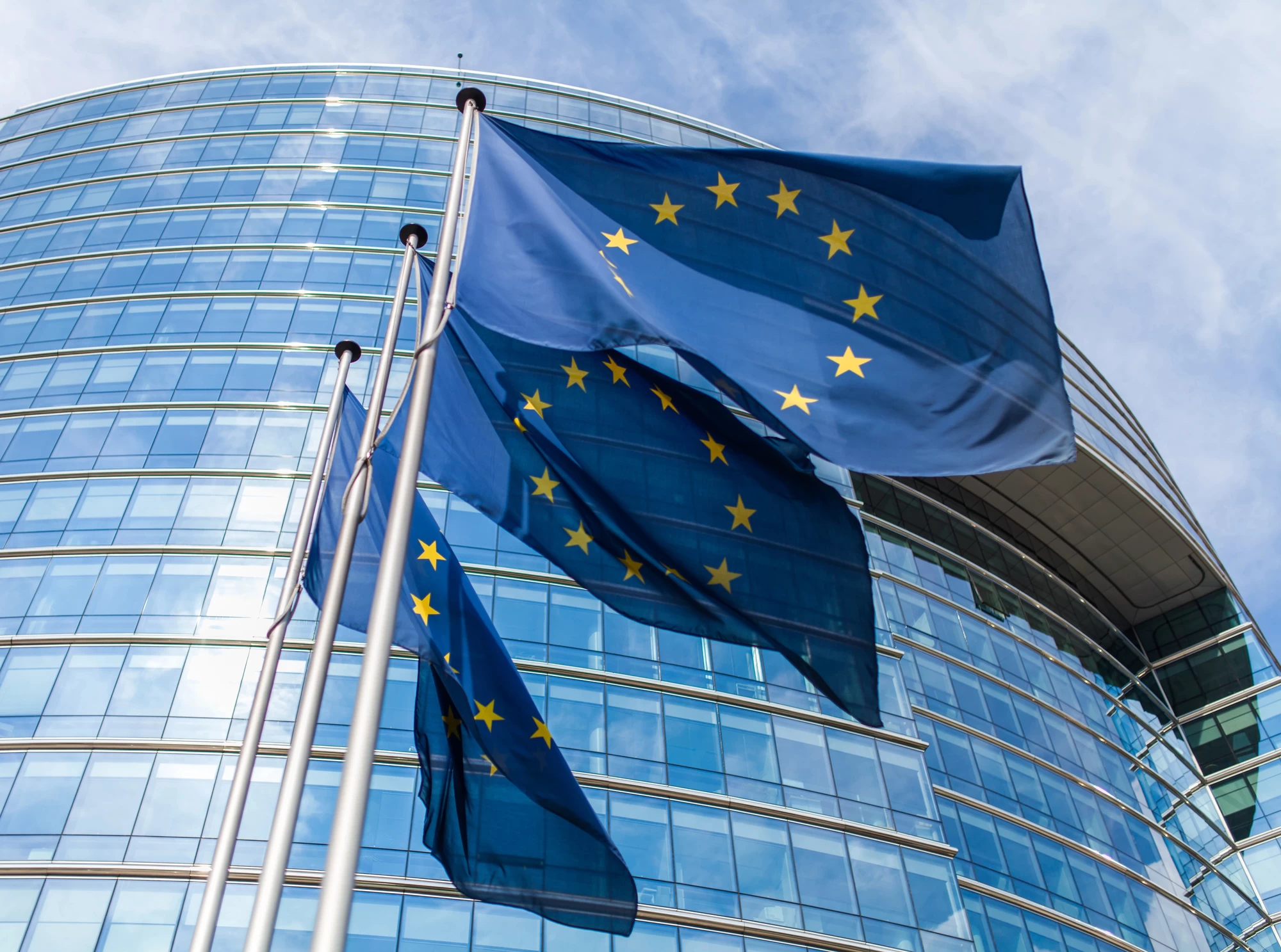
The European Union is making moves to exclude major US tech companies like Meta, Apple, Google, and Amazon from a new financial data sharing system under the European Union"s Financial Data Access Regulation (FiDA) regulation. The decision is being supported by Germany and marks a significant political defeat for the lobbying efforts of Big Tech in Brussels.
The goal of the FiDA regulation is to enable third-party service providers to create new digital finance products by accessing data from banks and insurers. The negotiations on FiDA are in their final stages, with a deal expected this autumn. The decision has been made despite previous threats from President Trump regarding retaliatory tariffs against laws that treat US tech companies unfairly.
According to the Financial Times (FT), European banks have fought to restrict access for Big Tech, claiming that it’d risk exploiting sensitive data and help strengthen their dominant position. Germany’s position is to exclude Big Tech to promote the development of an EU digital financial ecosystem where there’s a level playing field and digital sovereignty for consumers. The European Parliament and Commission have also backed these industry concerns.
According to the lobbyists from Big Tech firms, the exclusion of Big Tech from FiDA will see consumers lose out. Daniel Friedlaender from the Computer & Communications Industry Association said that the EU’s decision to exclude Big Tech will limit consumer choice and help to entrench legacy players which could create a lack of competition.
While Big Tech has been painted as being harmful to competition, others have pointed to banks as the current gatekeepers and said that discrimination against US tech companies could worsen relations between the EU and US.
With the potential exclusion of Big Tech from FiDA, banks could get a big boost against encroachment into their domain by tech firms. The EU’s decision could be a sign of a more assertive regulatory approach that prioritizes digital sovereignty over unfettered market access for foreign tech companies.
Image via Depositphotos.com