Every once in a while, a product comes along and hits all the nails flush into the wall. The JT7 planar magnetic open back headphones are one such product, and whilst there are a handful of cons, these can be excused thanks to the ultra-affordable price point.
Made by Jade Audio, FiiO"s sub-brand, the aim is to produce affordable but high-quality audio gear utilising technologies and knowledge gained from FiiO"s higher-end products. This is a roundabout way of saying that the internals are still of great quality, but on the outside, more lightweight plastic is used, as well as more basic cabling.
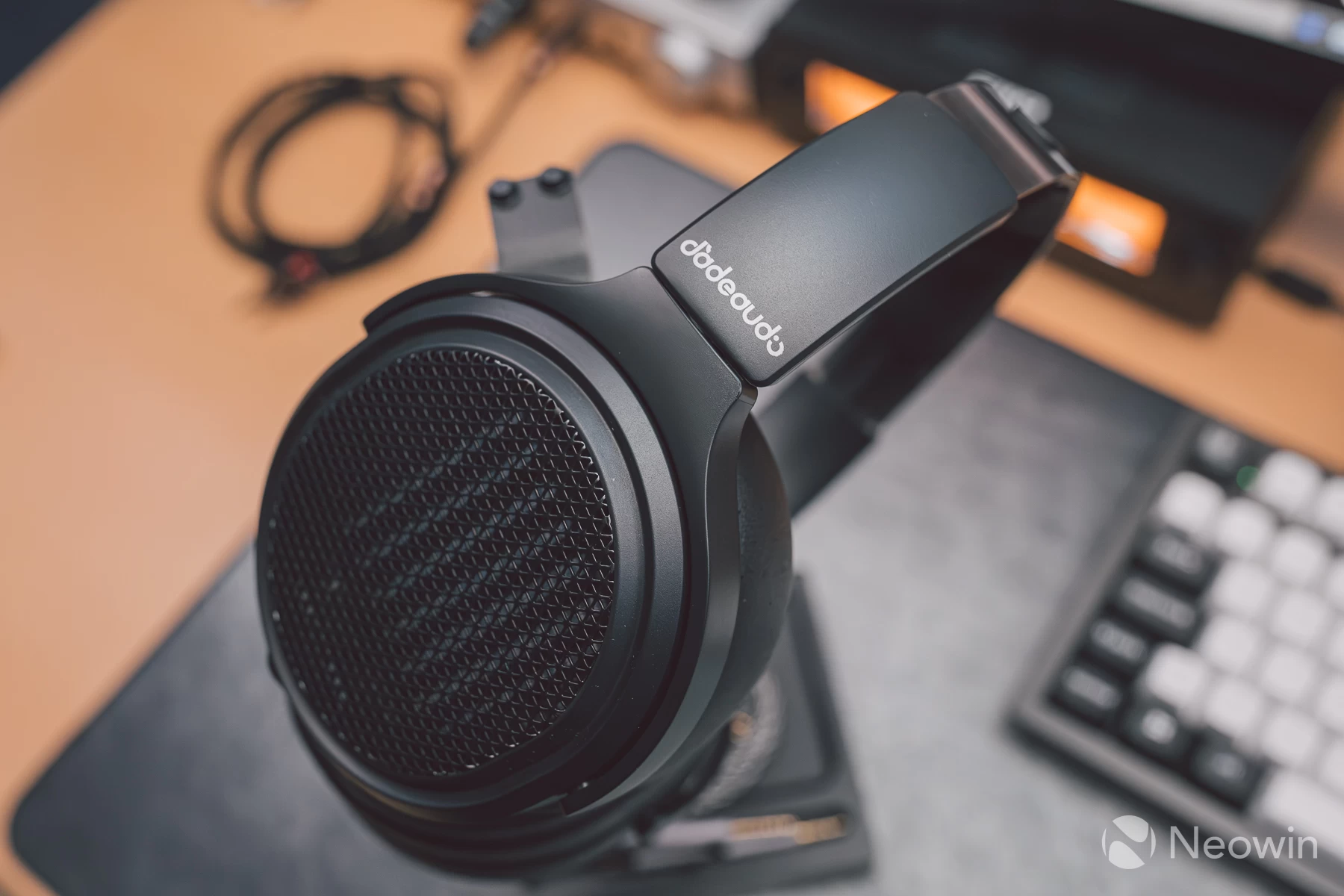
These are cosmetic traits, of course. Sennheiser has been using plastic for decades on its HD400/500/600 lines, and the cable quality is on par with these models, too.
"Jade Audio" comes from the Chinese name "Fei Sheng," which translates to "the sound of Jade," conveying a mission for clear and pleasant audio - Gemini
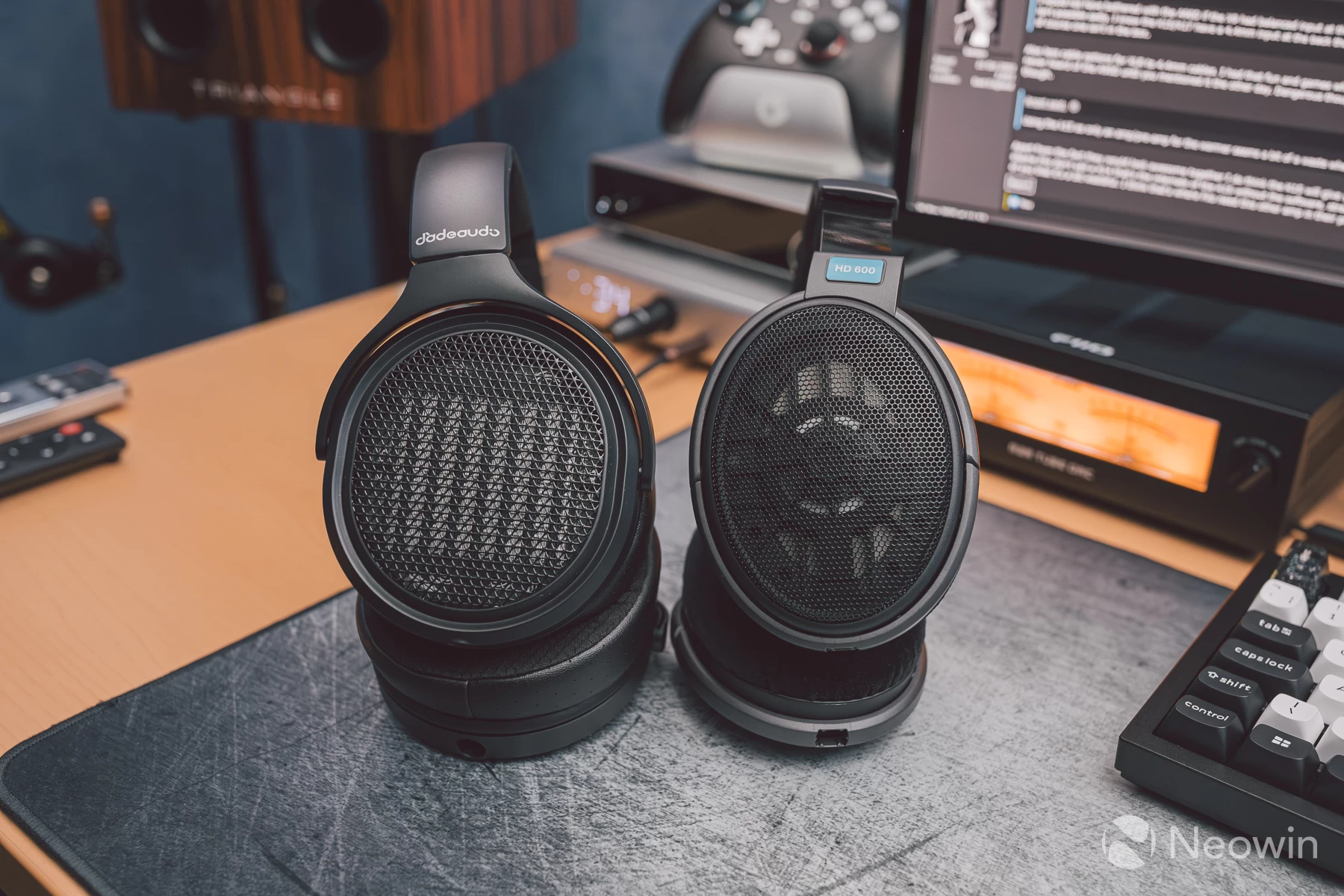
Holding the JT7 along with my HD600, they feel much of a muchness. Sennheiser"s plastic has an edge in that it is textured more smoothly and is slightly thicker plastic. The similarities also carry over to some elements of the sound, which I will cover a bit later.
For this review, the JT7 was tested on the following setup chain:
- Source: PC (isolated USB), Lossless streaming & local FLAC (ASIO)
- DAC: FiiO WARMER R2R
- Pre-amp: Topping A90 Discrete
- Headphones amp: Topping A90 Discrete (9.8 watts @ 16 Ω)
- Cabling: Fully balanced
| FiiO JT7 Specs | |
|---|---|
| Type | Open-back planar magnetic |
| Driver size | 95 mm x 86 mm |
| Freq response | 7 Hz - 40 KHz |
| Sensitivity | 92dB/mW @ 1KHz 109dB/Vrms @ 1KHz |
| Impedance | 18 Ω @ 1KHz |
| Headband | Plastic & Aluminium with memory foam headband padding |
| Earpads | Tapered, vented pleather with microfibre contact patch & memory foam |
| Included cables | 3.5mm with 6.35mm adapter - 1.5 m length - high purity OFC |
| Earcup connections | 3.5 mm |
| Weight | 318 g |
| Original launch | November 2025 |
| Price | |
Fit and finish
Given the price, it is not unexpected to see that the JT7 is almost exclusively plastic. It is not Sennheiser quality plastic either; it does objectively feel thinner and more "plastic". This is fine, though, because it does not creak or rattle, it feels tightly put together, and the metal headband piece that adjusts each side ratchets nicely, too.
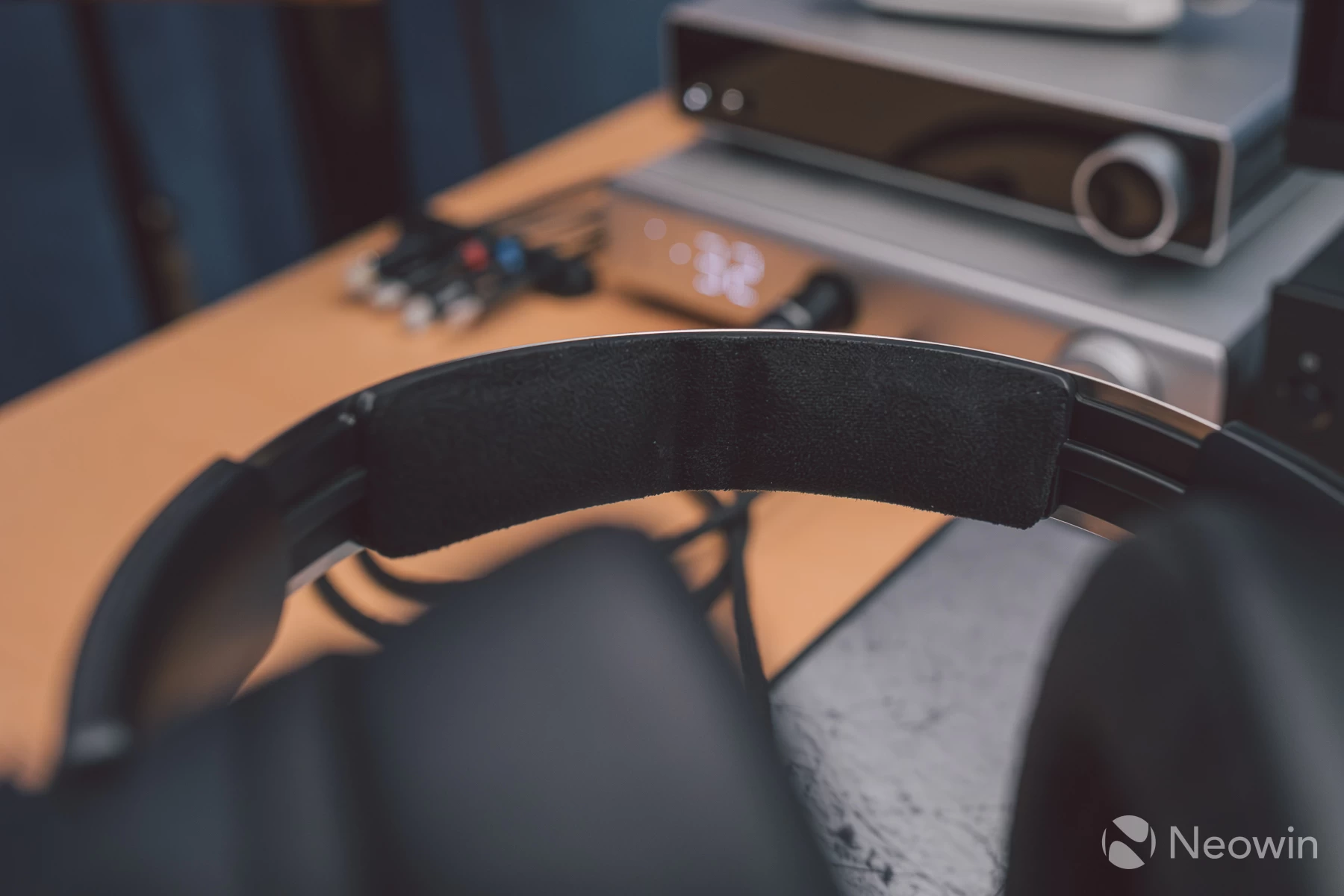
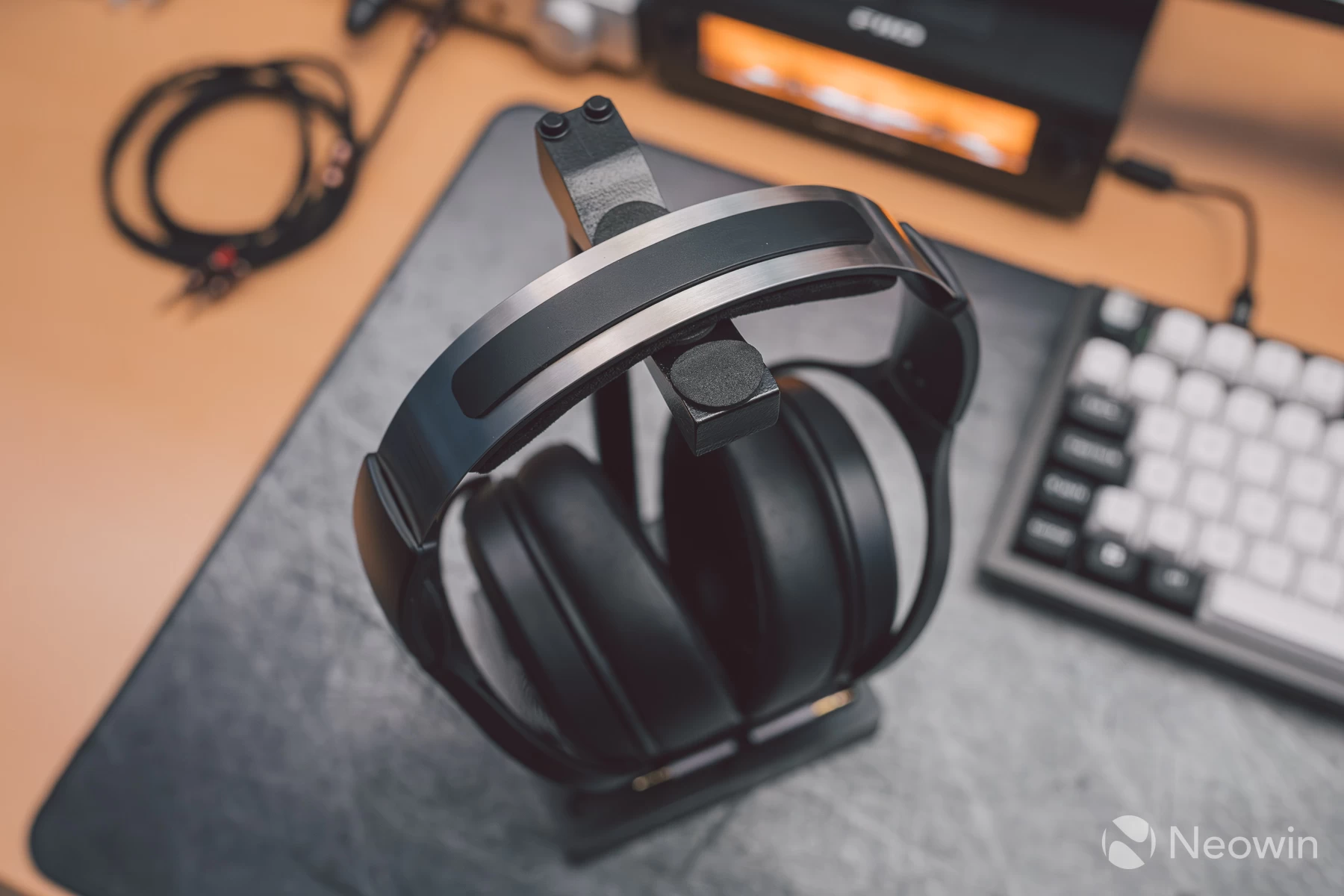
The headband padding is also memory foam, and it can easily be replaced since it is affixed via velcro. A very nice touch, and it makes cleaning the padding easy.
The faux leather memory foam earpads are more of a 50/50 affair, though. I like that they can easily be removed, but because the pads slip on over the lip on each cup, as opposed to a locking mechanism like other headphones, getting them back on takes a little more time than I would have desired.
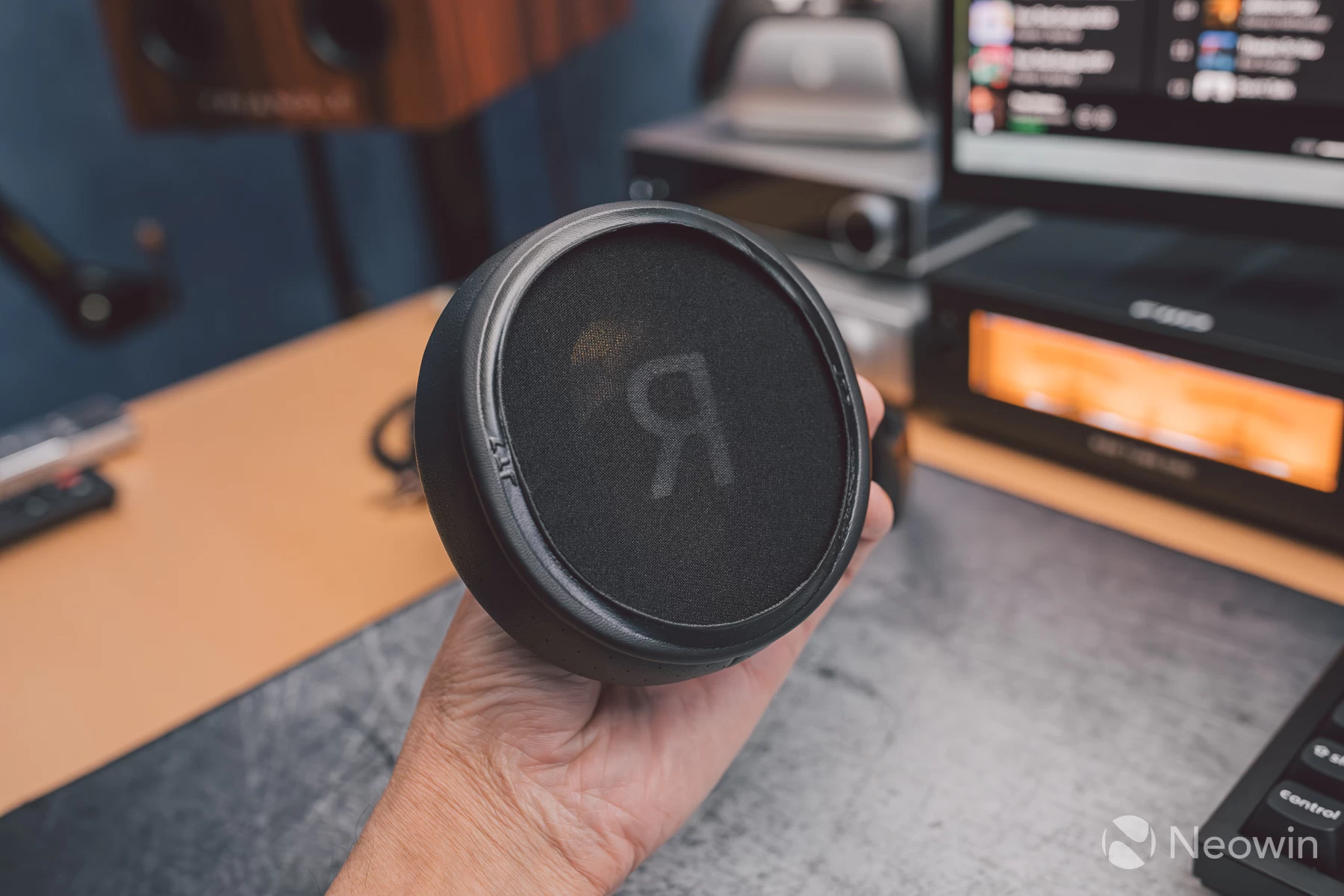
It"s not a deal breaker, especially given the price, but it is something worth mentioning for those who do find these sorts of things frustrating. There is also a small chance that stretching the lip too much could tear it or lengthen it, making the fit a bit loose.
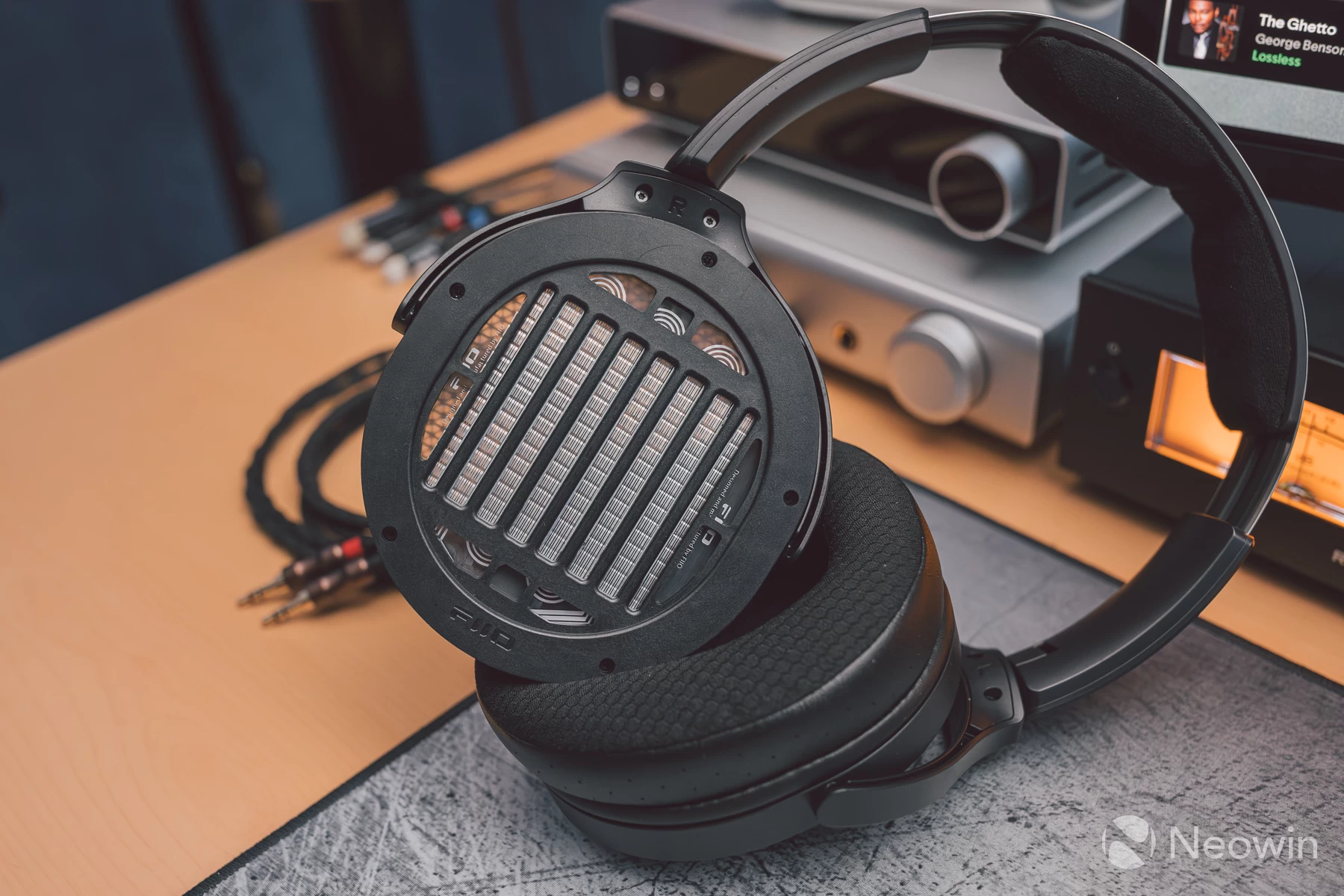
Taking off the pads, we can see how transparent the driver is. This planar magnetic driver is custom-made for the KT7 according to FiiO. Interesting to note that the driver and its housing are nicely put together; it doesn"t appear any corners were cut in this area, and whilst the driver is exposed, it isn"t exposed in a way that would otherwise be damaged inadvertently.
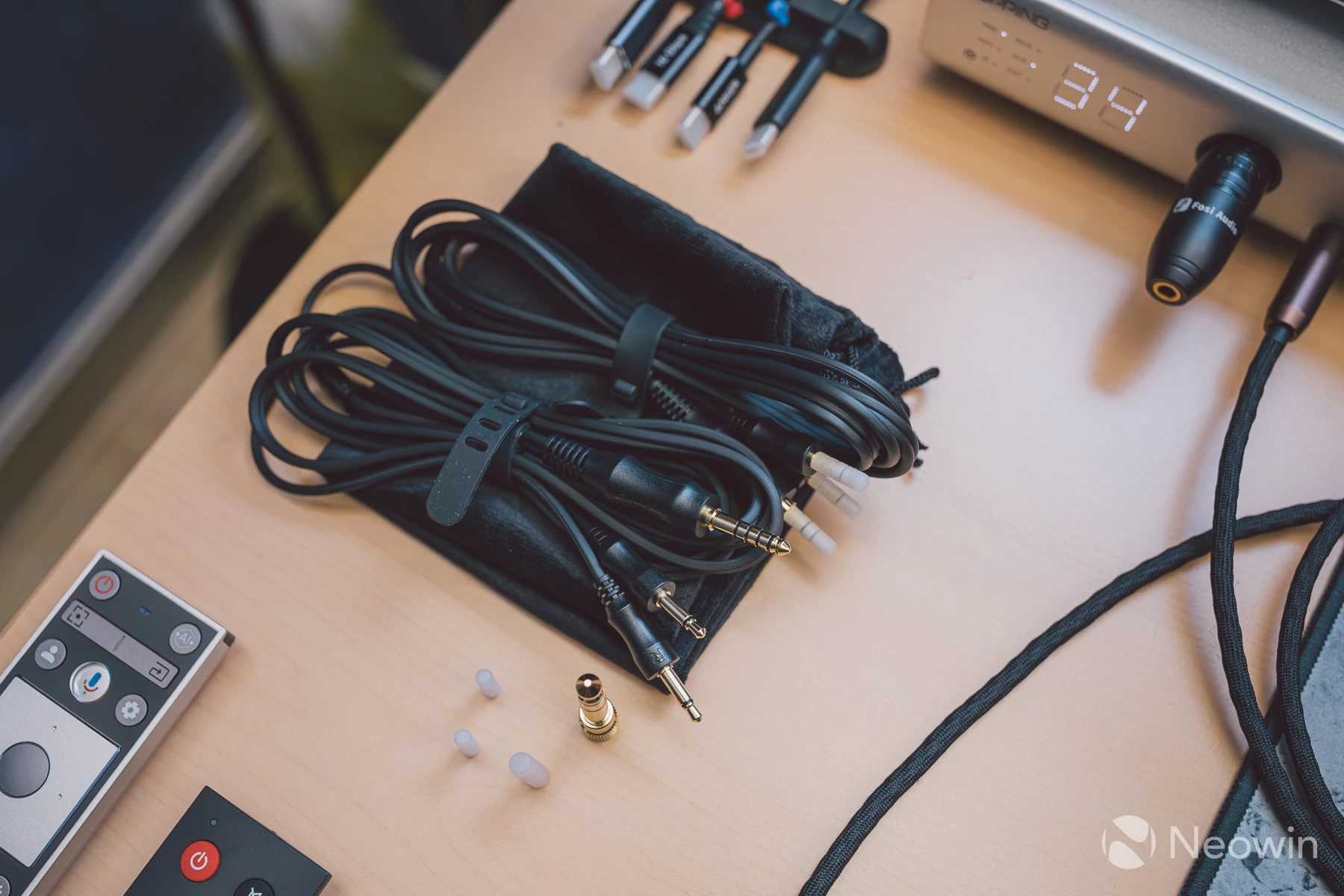
I briefly mentioned the cabling. Here is what they look like. They are nothing special, but they do the job just fine with minimal microphonics. It is also nice to see a 4.4mm balanced cable is included for those with amps that push out more power over the balanced outputs; such cables are not included with many headphones costing twice as much from the usual big names.
A carry pouch is also included since the JT7 can be folded for portability.
Performance
What struck me upon first playing the usual HiFi playlist that I use for testing is that the bass hits really low and extends into the sub-bass area, something planar headphones are typically great at. I did not expect this from headphones in this price range, but here we are!
I did find that some areas of the upper-midrange area, where vocals and certain instruments sit, felt a little hollow or compressed centrally in my head. Note that I am not using any type of EQ in software, and the DAC is in Non-Oversampling mode (NOS) for the most direct signal path from the source file.
This was both on Spotify Lossless streaming and MusicBee playing FLAC rips over ASIO.
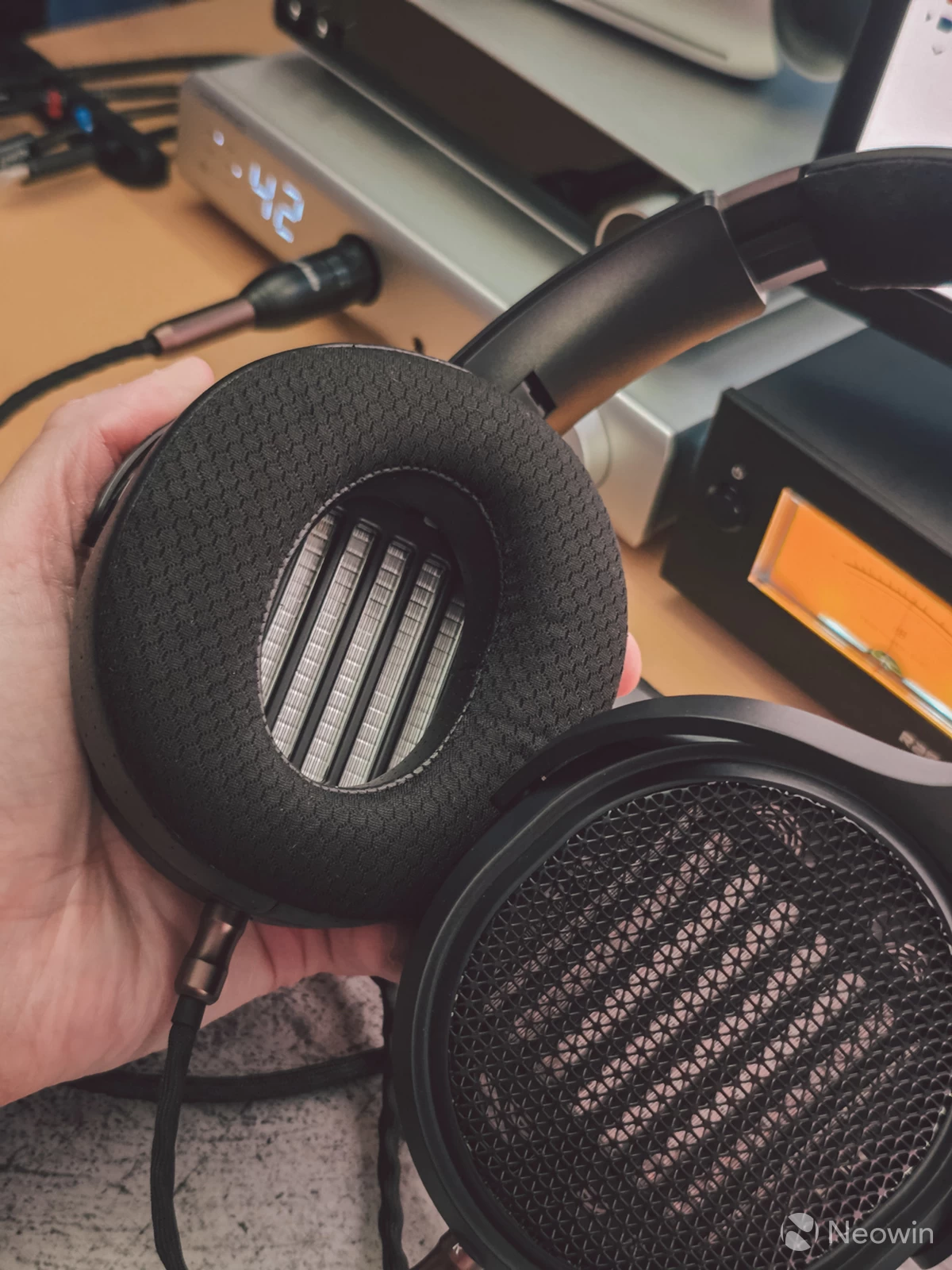
What I ended up experimenting with was cutting out the internal fabric film on the earpads to reveal a direct sound wave path to the ears (shown above). The result of this mod was that the upper frequency range now did not have as much compression and opened up subtly enough to be noticeable. The midrange also now had a better level of openness.
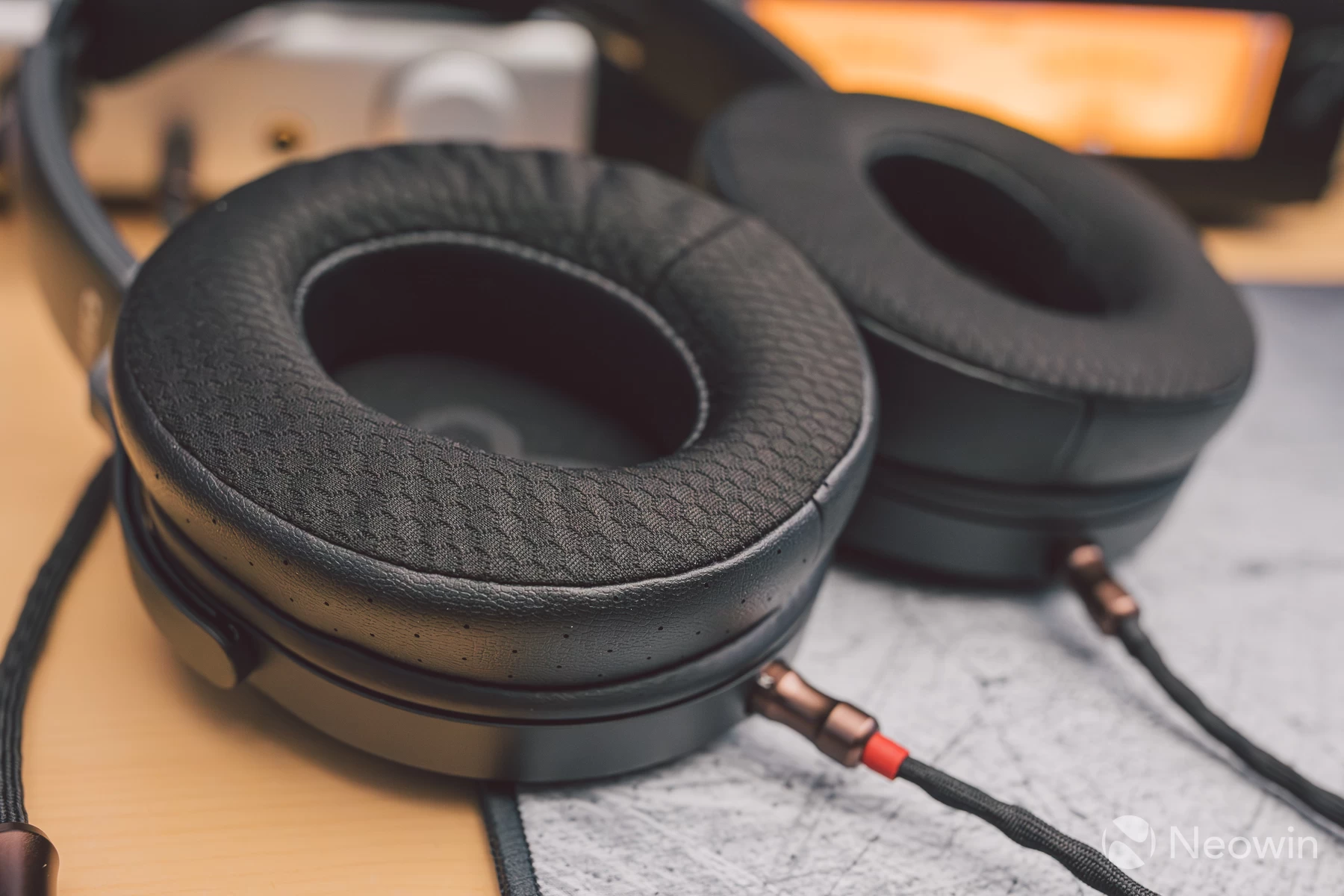
It is fairly common to find that different earpads contribute to various changes in how music sounds. This can be a subtle change all the way to drastic, so playing around with this sort of mod is a nice way to get a better understanding of what headphones are capable of.
My personal recommendation for those who like a more open and more detailed top end would be to do the same mod, or use pads that have no screen but retain the same materials otherwise.
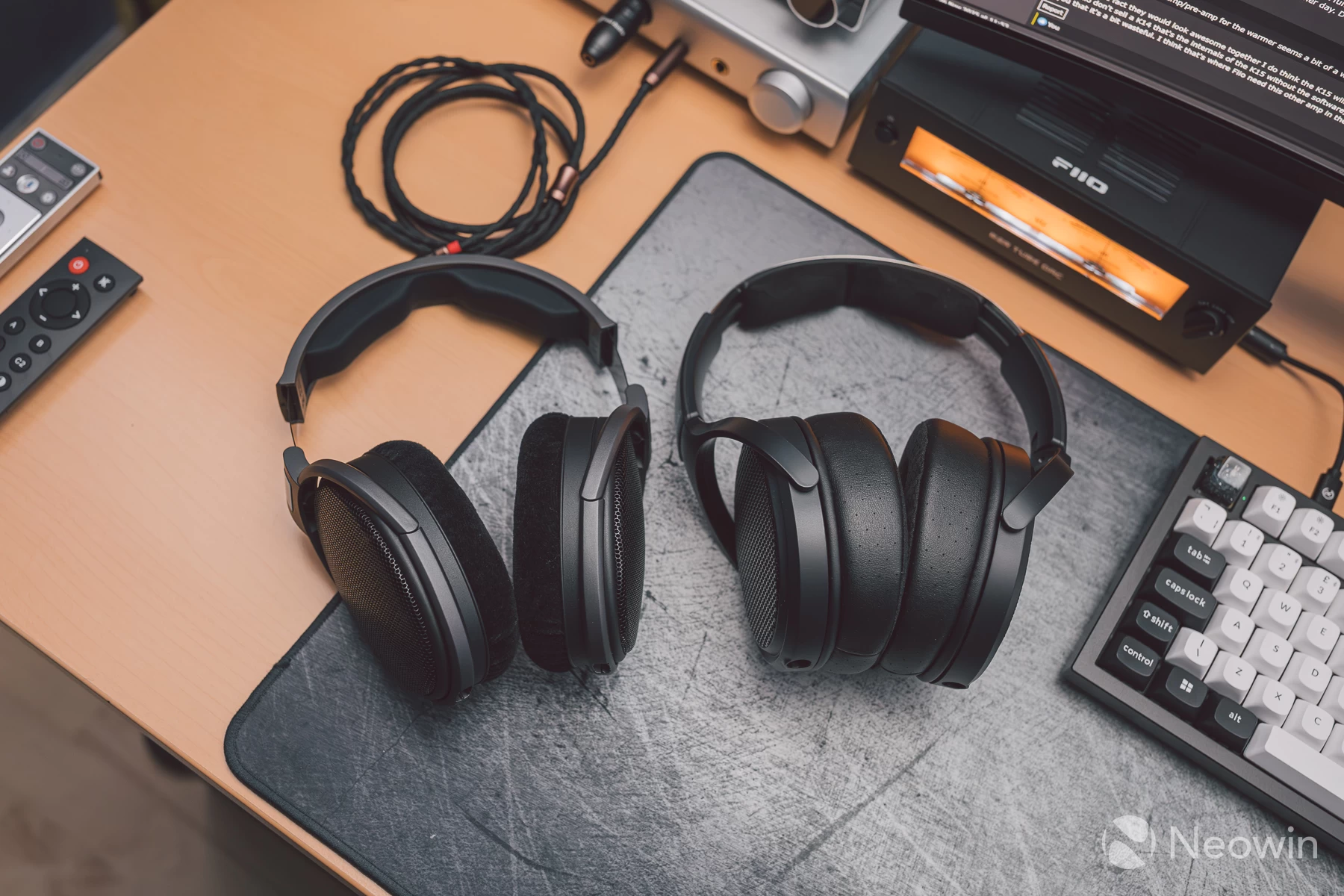
Otherwise, out of the box, the JT7 presents sound that still punches well above its price point from what I am hearing. It does not quite reach the articulation and midrange detail of the Sennheiser HD600 (shown above, left), a sound that most people will now be familiar with as they have been on sale since 1997 and are considered by most as the reference dynamic driver headphone that others should aim to match.
The JT7 carries a level of vocal timbre and Sennheiser-like veil that could be considered on par with the HD600, but misses out ever so slightly due to the lighter feeling impact of the midrange compared to the more intimate presentation of the HD600.
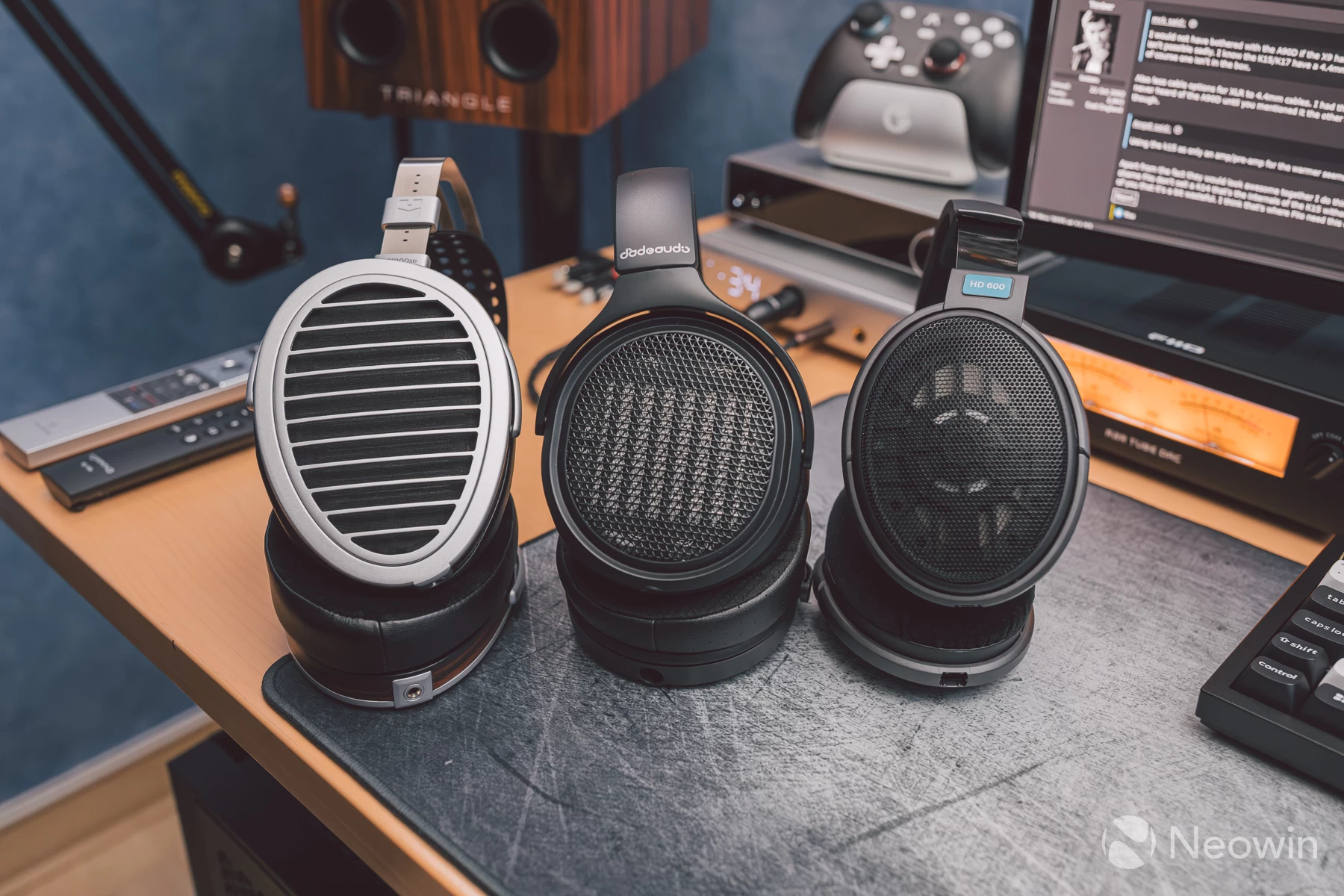
Compared to other planar headphones, the JT7 is able to hold its own, but it cannot match headphones like the Arya Stealth or Fosi Audio i5. Both of these are in excess of £300, so I never expected the KT7 to match those anyway, but what it is capable of is a level of sound that anyone looking at their first planar magnetic headphone would find excellent.
The JT7 could be considered a stepping stone into the world of high-fidelity planar magnetic headphones that are both very comfortable and versatile for all genres of music.
Conclusion
The FiiO JT7is an impressive planar magnetic headphone. I did not expect it to sound this decent out of the box for this price, and it only sounds better with a quick and easy mod to the earpads for those who don"t mind exposing the driver to the open air. As long as you are not putting metal paper-clips or nails near it, then nothing should get stuck in there.
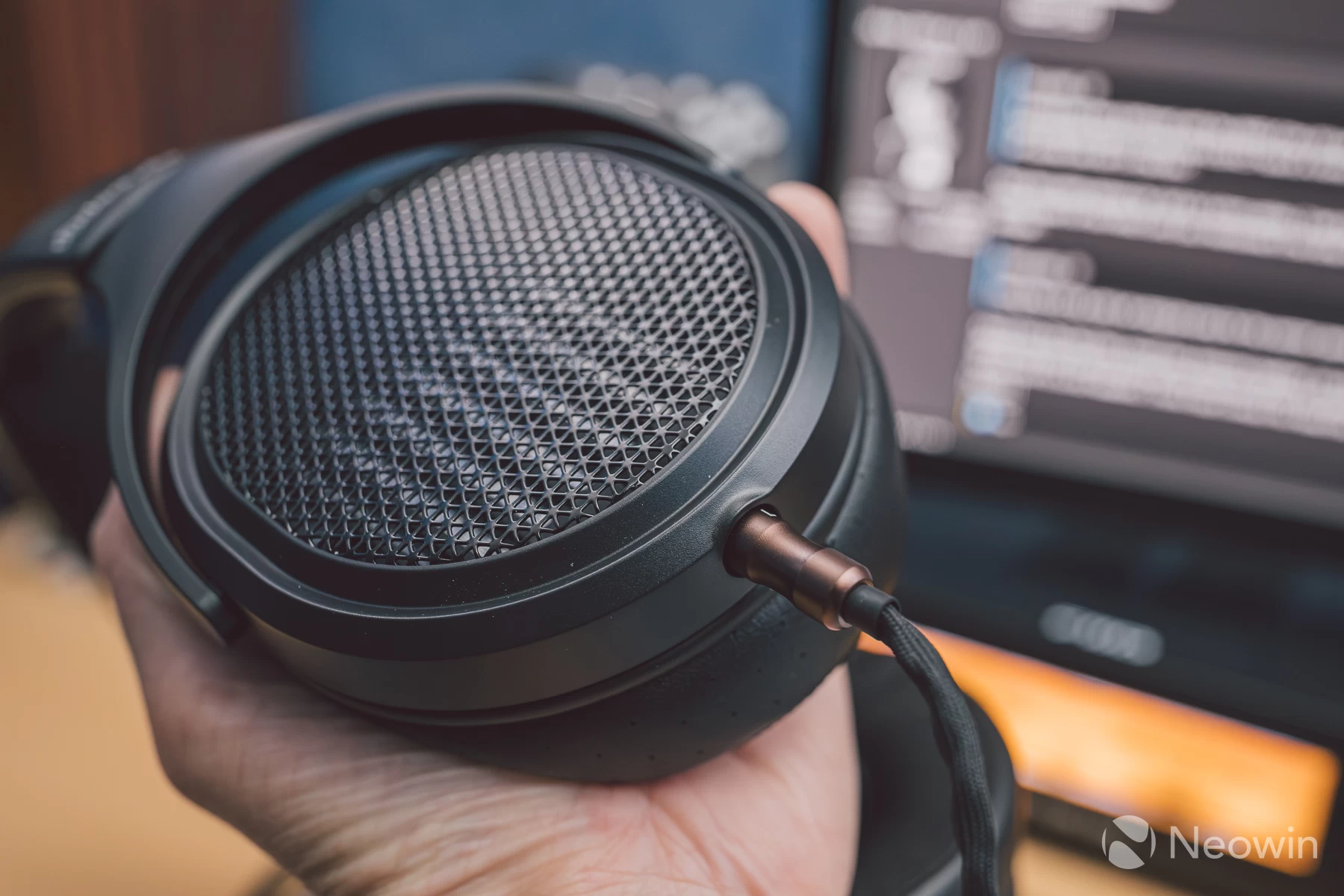
At around the £100 mark, I cannot think of another full-size planar headphone that also folds, comes with both cable types depending on your amp, easily swappable headband padding and earpads, and this level of sound.
If you are on dynamic driver headphones and always wondered what a decent pair of planar headphones sounds like, or to get a taste of what sub-bass extension is all about, then the JT7 will satisfy that urge without breaking the bank, as no dynamic drive headphone can match a planar in this specific area of sound presentation.
As an Amazon Associate, we earn from qualifying purchases.