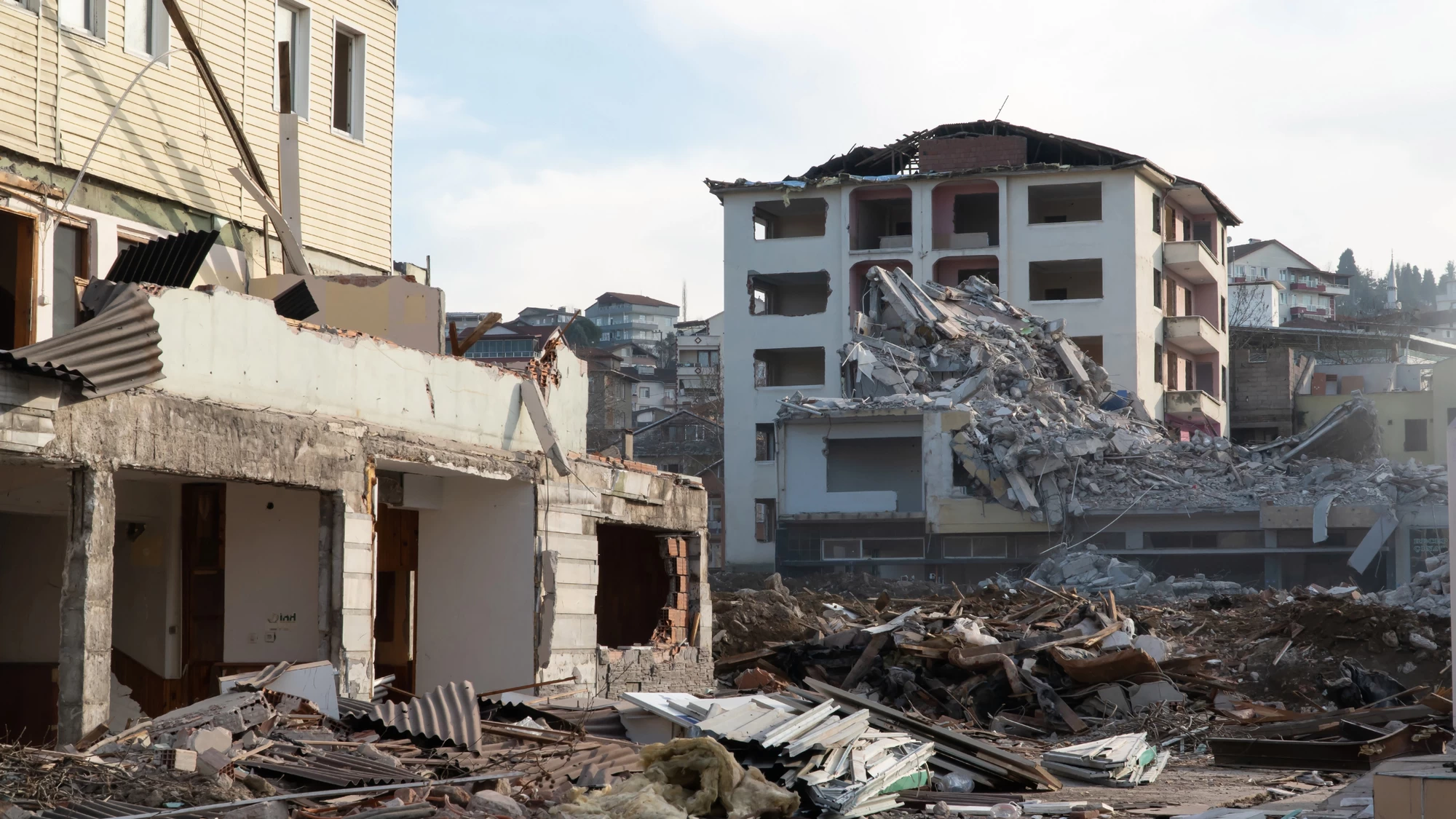
On February 6, 2023, Turkey experienced two huge earthquakes - magnitude 7.8 Pazarcik and magnitude 7.5 Elbistan - which caused widespread destruction across the country. At the time, the Android Earthquake Alerts (AEA) system was operational, however, for the 7.8 event, the system estimated it was 4.5 at 7.1 seconds after origin time and the maximum estimate only reached 4.9 - well below the actual magnitude.
This dramatic underestimation meant that only the less urgent “BeAware” alerts were sent out to half a million devices within a 64km radius, giving the affected populations only limited warnings. In the case of the M7.5 Elbistan quake, the initial magnitude estimate was 6.1, rising to 6.3. This delivered “BeAware” alerts to nearly four million phones with warnings ranging from seconds to over one minute.
Having traditional seismic networks to catch earthquakes early is important, but many earthquake-prone countries do not have these so systems like AEA are important, even if they’re intended by Google to be supplemental.
While it’s unfortunate the system didn’t work too well in Turkey during those quakes, the company has recognized its failure and tweaked its detection algorithms. For example, the algorithm’s monitoring duration for earthquake parameters was previously limited to 10 seconds; this has now been extended to 30 seconds, allowing for more data to be gathered.
There was also an issue with noisy phones in the monitoring pool that triggered late, especially during the first earthquake. With new updates, the system is now more selective about which phones are included based on their noise level. Google has also updated the BeAware alerts so that devices no longer vibrate and can continue more accurately reporting on the quake.
Google has performed simulated tests with the new algorithms and believes that if the 7.8 quake occurred now, it would detect a 4.6 quake after 6.3 seconds, before rising to 7.4 after 24 seconds – making it much more accurate than before. With this, 10 million devices would get the more noticeable TakeAction alerts with up to 35 seconds warning, and BeAware alerts would have been sent to 67 million users with up to 2.5 minutes warning.
Despite the failings of AEA, a survey of over 1.5 million users from all countries except the US who received any alerts showed an average helpfulness score of 4.7 out of 5, with 85% saying they found their alerts to be very helpful in their particular case. The alerts gave 36% a warning before the shaking, 28% got their alerts during the shaking, and 23% got alerts after the shaking.
Those who got TakeAction alerts followed the Drop, Cover, and Hold On alerts 28% of the time, which is higher than previous surveys conducted by other earthquake early warning systems. Of those surveyed, 84% said they would trust the system more in the future, and only 0.1% have disabled alerts. Hopefully with all the improvements Google has made, future fatalities can be reduced.
Image via Depositphotos.com