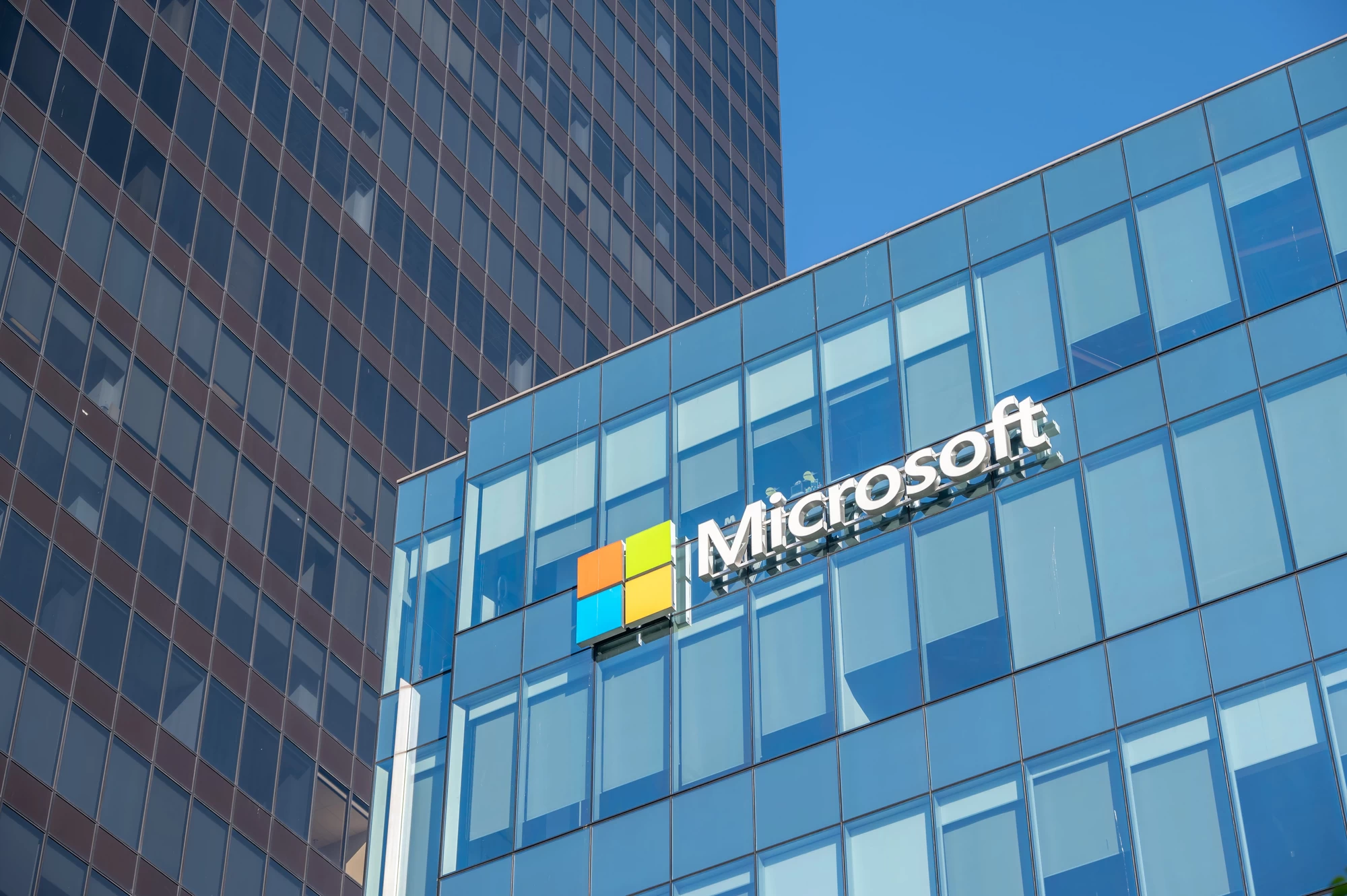
Microsoft is arguably one of OpenAI"s biggest partners, with the relationship between the two companies kicking off back in 2019 with an initial $1 billion investment (from Microsoft) that has since ballooned to over $13 billion. While Azure was once OpenAI"s exclusive cloud provider, that exclusivity ended this January. Though Microsoft still holds a "right of first refusal" for future cloud deals.
The two companies have been through thick and thin; even when OpenAI"s board fired CEO Sam Altman in November 2023, Microsoft"s CEO Satya Nadella offered to hire him and his team on the spot. The collaboration has deeply integrated OpenAI"s tech into services like Microsoft 365 Copilot and the Azure OpenAI Service.
Now, The Information (per TechCrunch) reports that Microsoft will pay to use models from OpenAI"s rival, Anthropic, the makers of Claude. This deal means Anthropic"s technology will help power features in Word, Excel, Outlook, and PowerPoint.
The reporting suggests that Microsoft is not dropping OpenAI entirely. Instead, the company plans to run the models side by side. Some execs at Redmond believe that Anthropic"s latest model, Claude Sonnet 4, is better than OpenAI"s offerings at tasks like creating aesthetically pleasing PowerPoint presentations.
OpenAI itself has slowly started to reduce its reliance on Microsoft. The AI lab has been pursuing its own infrastructure projects and entered into a partnership with Google Cloud back in June. That deal gives OpenAI access to the Mountain View giant"s specialized Tensor Processing Units (TPUs), as its demand for computing power has grown beyond what a single provider can handle.
Microsoft is not the only company reported to be in talks with Anthropic to use its models. For instance, you might have heard that Apple was in discussions with the company to help revamp Siri.
Just like Microsoft execs, Apple leadership reportedly favored the Claude model for its capabilities. Those talks eventually fell apart because Apple felt the money the Claude-maker was demanding, a multi-billion dollar annual fee that would increase over time, was just too high. This reportedly led the company to pursue a deal with Google for its Gemini models instead.