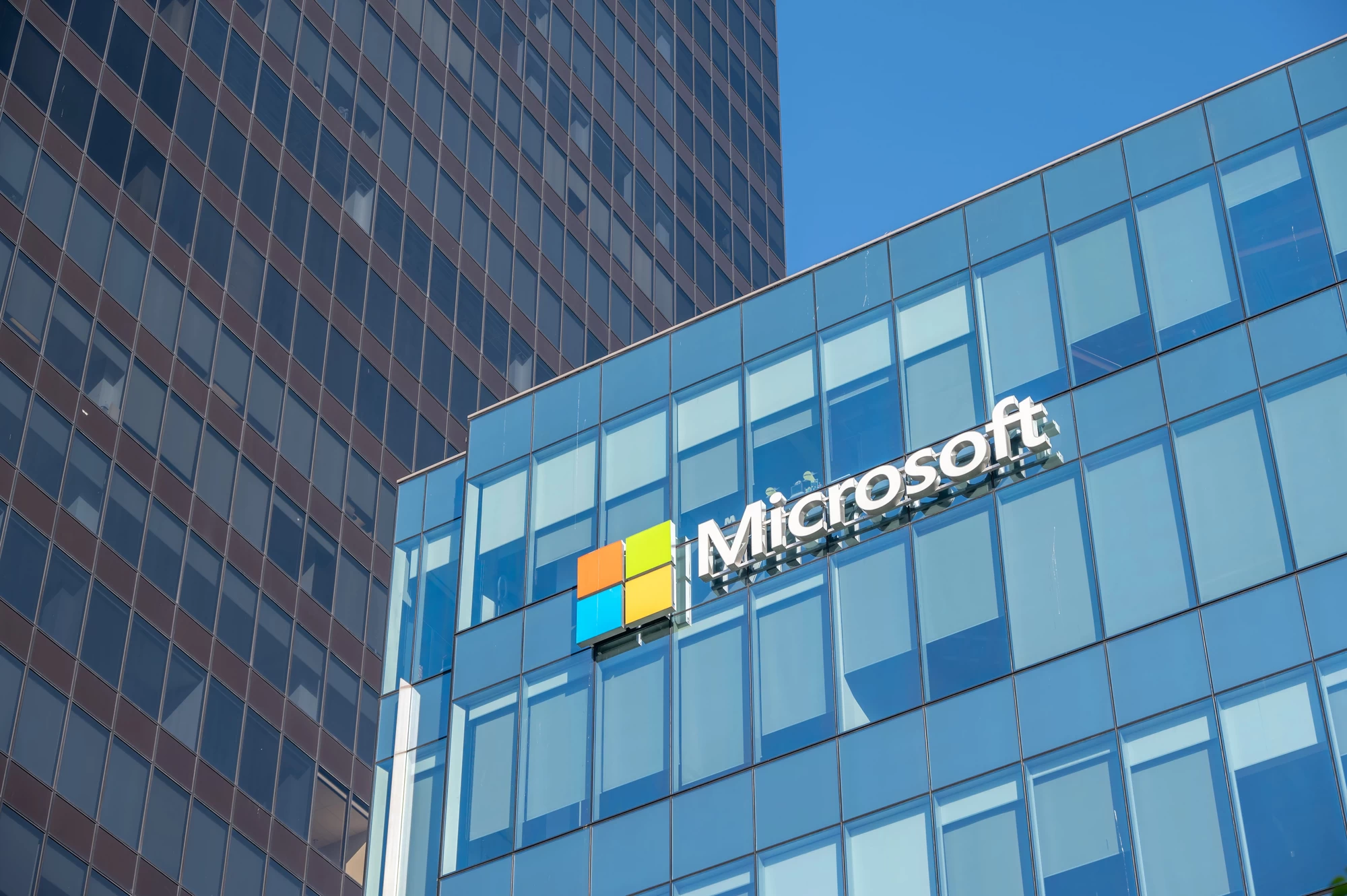
Microsoft has identified itself as the firm behind a previously anonymous data centre proposal in Lowell Charter Township, Michigan, that has attracted public backlash. The data centre would be constructed on a 237-acre vacant lot in the Covenant Business Park, located near Interstate 96, southeast of Grand Rapids. If the project goes ahead, Microsoft would invest $500 million to $1 billion over a three-to-five-year period.
In December, there was public backlash against the project’s secrecy and the potential environmental impact. This led to the postponement of a rezoning hearing. It is not just local residents who are angry at the proposal, but local business owners as well. Both groups have expressed frustration at the township for moving too quickly without disclosing the developer or energy requirements.
In a letter dated 7 January 2026, Microsoft stated it is coming forward now to provide transparency and has requested the pause on the rezoning to allow for community engagement. The main issues for residents are the massive energy and water needs of AI data centres. Michigan’s largest energy provider, Consumers Energy, has published a document that reassures customers that the facility will not lead to higher electricity rates for residents.
The site that Microsoft is looking to build on has been empty for years because of a lack of existing sewer and water infrastructure. If Microsoft succeeds, the site will become part of the company’s plan to nearly double its global data centre portfolio in the next two years. Once built, it will house NVIDIA GPUs and other critical infrastructure needed to run large language models.
The Lowell Charter Township Planning Commission is set to reconvene on 12 January 2026. The township board must still approve a zoning change from “industrial planned unit development” to “light industrial” for the project to advance.
Via: CNBC