In just over two years, ChatGPT has become one of the most popular online services in the world, with over 700 million people using it every week worldwide. Its user base spans a wide range of demographics, including teens. To give parents better control over ChatGPT accounts used by teens, OpenAI today announced new features.
To set up the new parental controls, a parent or guardian must first send an invite to their teen to connect their ChatGPT accounts. Once the teen accepts the invite, the parent will be able to manage the teen’s ChatGPT settings from their own ChatGPT account settings page. If a teen unlinks their account, parents will be notified as well.
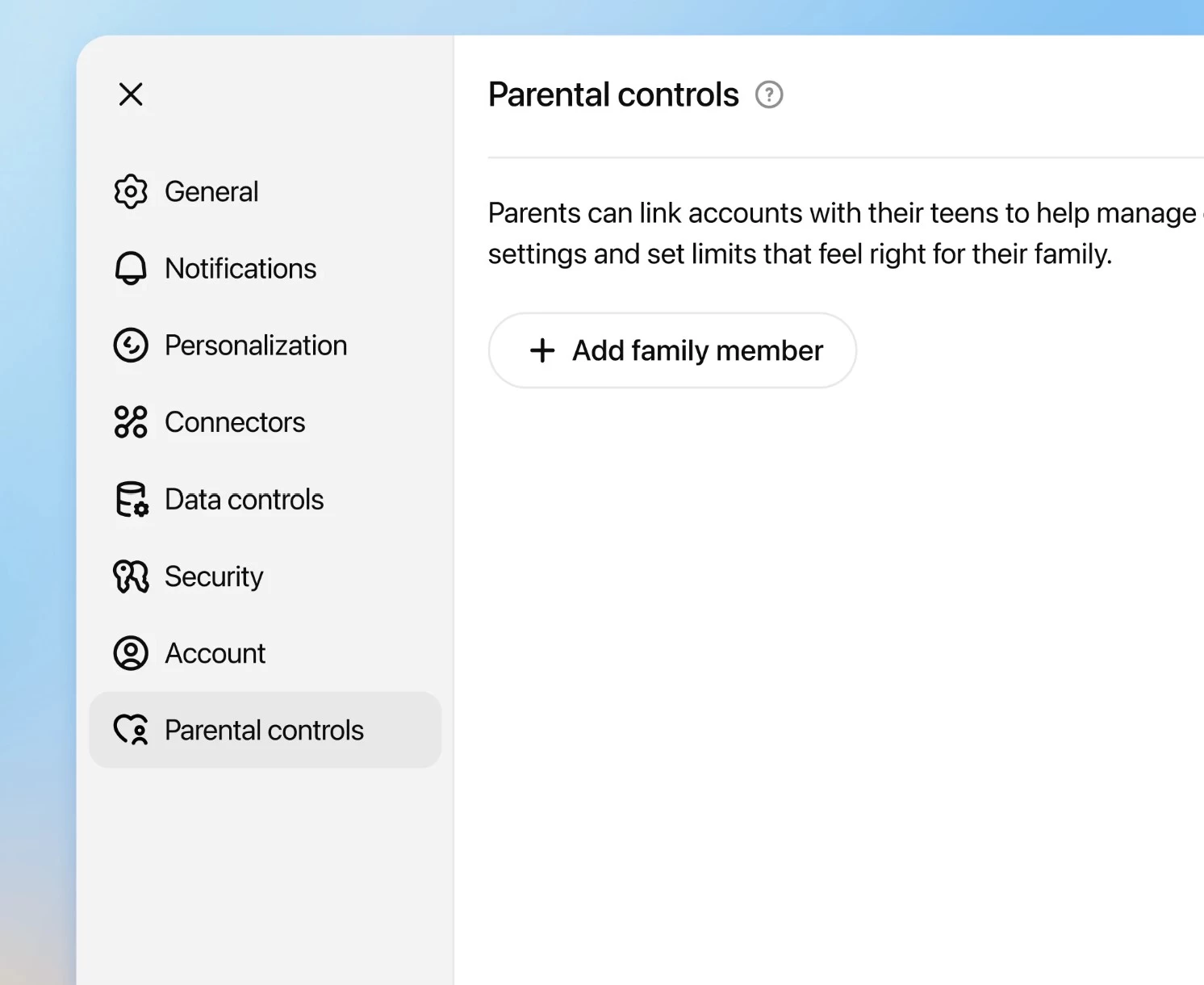
Once a teen connects their ChatGPT account with their parent, the teen"s ChatGPT account will receive additional age-appropriate content protections, including reduced graphic content, ******, romantic or violent roleplay, and extreme beauty ideals. Parents can turn this off for their teens if required. In addition, parents will be able to:
- Set quiet hours, or specific times when ChatGPT can’t be used.
- Turn off voice mode, to remove the option to use voice mode in ChatGPT.
- Turn off memory, so ChatGPT won’t save and use memories when responding.
- Remove image generation, so ChatGPT won’t have the ability to create or edit images.
- Opt out of model training, so their teen’s conversations won’t be used to improve models powering ChatGPT.
Along with these controls, OpenAI is also introducing a new notification system to help parents know if their teen is sharing a difficult moment with ChatGPT. For example, if a teen is discussing harming themselves with ChatGPT, the system will detect this and send it to a small team of specially trained people who review the situation. If required, the team will contact parents by email, text message, and a push alert on their phone. OpenAI is also exploring ways to reach law enforcement or other emergency services if the teen"s parent is unreachable.