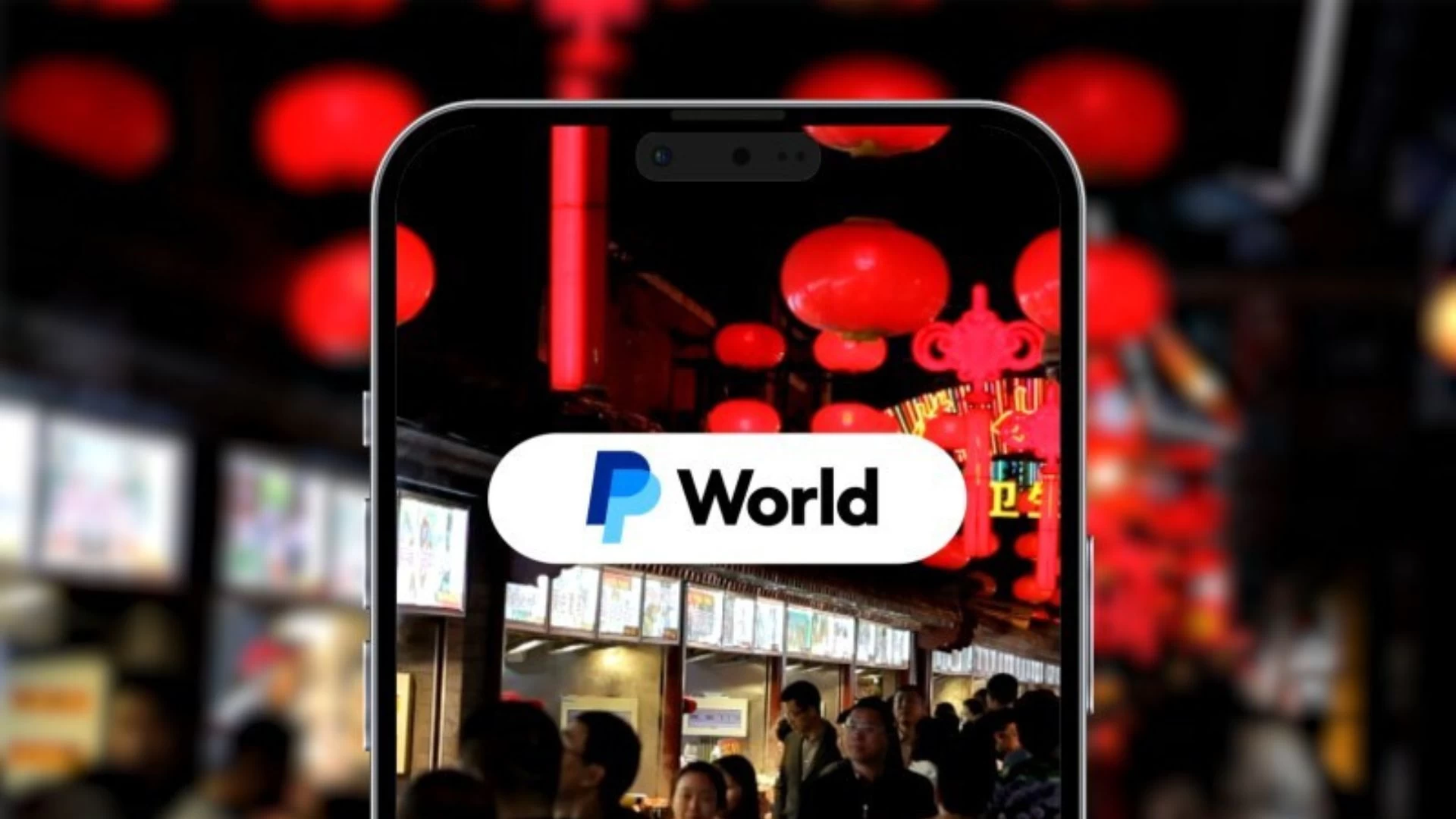
The American financial technology giant PayPal has announced a new global payment system to integrate some of the world"s largest payment platforms, making it easier to facilitate cross-border payments.
You will be able to shop in other countries (online or in-store) and pay for international business using your domestic payment system or wallet. PayPal has partnered with several launch partners, including China"s Tenpay Global, India"s Unified Payments Interface (UPI), and Mercado Pago, which operates in South America.
For instance, a PayPal user traveling in China can buy coffee from a local shop by scanning a Weixin Pay QR code using their PayPal app. A UPI user based in India can use PayPal to buy sneakers from a US-based online store. Similarly, a Venmo user living in the US will be able to transfer money to their friend in Germany.
PayPal World is expected to go live sometime during the fall season later this year with all partners interoperable with PayPal and Venmo, the company said in a press release. Additionally, PayPal and Venmo will become interoperable in 2026, enabling users to send money to each other worldwide.
According to the company, its global payment system will serve over two billion users through various partners, enabling businesses to tap into new markets. It will also reduce the burden of investing in and building technology each time they add a new digital payment system or wallet to their checkout.
PayPal CEO and President, Alex Chriss, said that PayPal World is "a first-of-its-kind payments ecosystem that will bring together many of the world"s largest payment systems and digital wallets on a single platform."
You can use various services, such as Stripe, Apple Pay, Google Pay, and AliPay, for international money transfers and accept payments for services. However, PayPal"s offering aims to create a single, interoperable ecosystem of existing gateways and payment systems.
While digital payments and wallets are a common sight in various parts of the world, things become difficult when payments are made across borders. The integration will reduce the chances of missing out on popular payment options at checkout and minimize the risk of lost sales, according to the company.
Businesses can automatically accept new payment methods at checkout when new partners join, without additional development work. PayPal will continue to add more wallets and payment systems as its platform expands globally.