Back in March of this year, I reviewed the Xiaomi 15, a flagship smartphone sporting the Snapdragon 8 Elite chipset in a premium housing and compact form factor. I liked its size, premium feel, and general features, but the camera didn"t quite match up to Samsung Galaxy S flagships, so I will explore if Xiaomi has improved in the camera department, or if we see more of the same once again.
This review will compare directly against my personal Galaxy S25 Ultra, it"s a fair comparison given both phones are nearly exactly the same size and sport similar features, even if the camera specs are lower than the S25 Ultra, Xiaomi markets the 15T Pro on its cinematic photography and videography features, my task here is to determine if the basics are done right by the cameras, because if they aren"t then the more cinematic features aren"t going to yield any benefits once again.
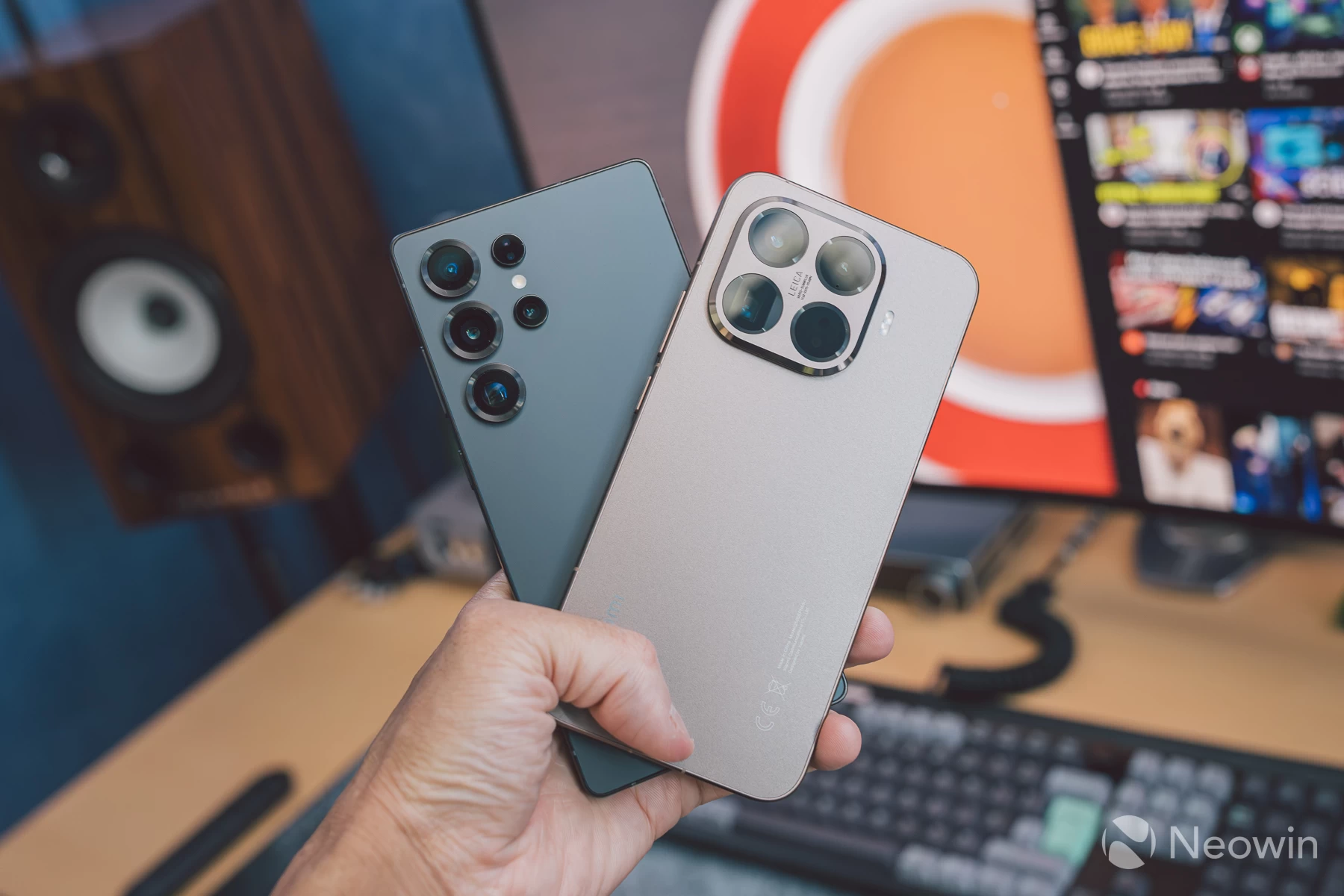
This is an area close to my heart, as a professional photographer who often uses the Galaxy S25 Ultra as my only video camera during shoots and projects, a phone boasting 8K recording and AI-enhanced imaging capabilities needs to meet these demands.
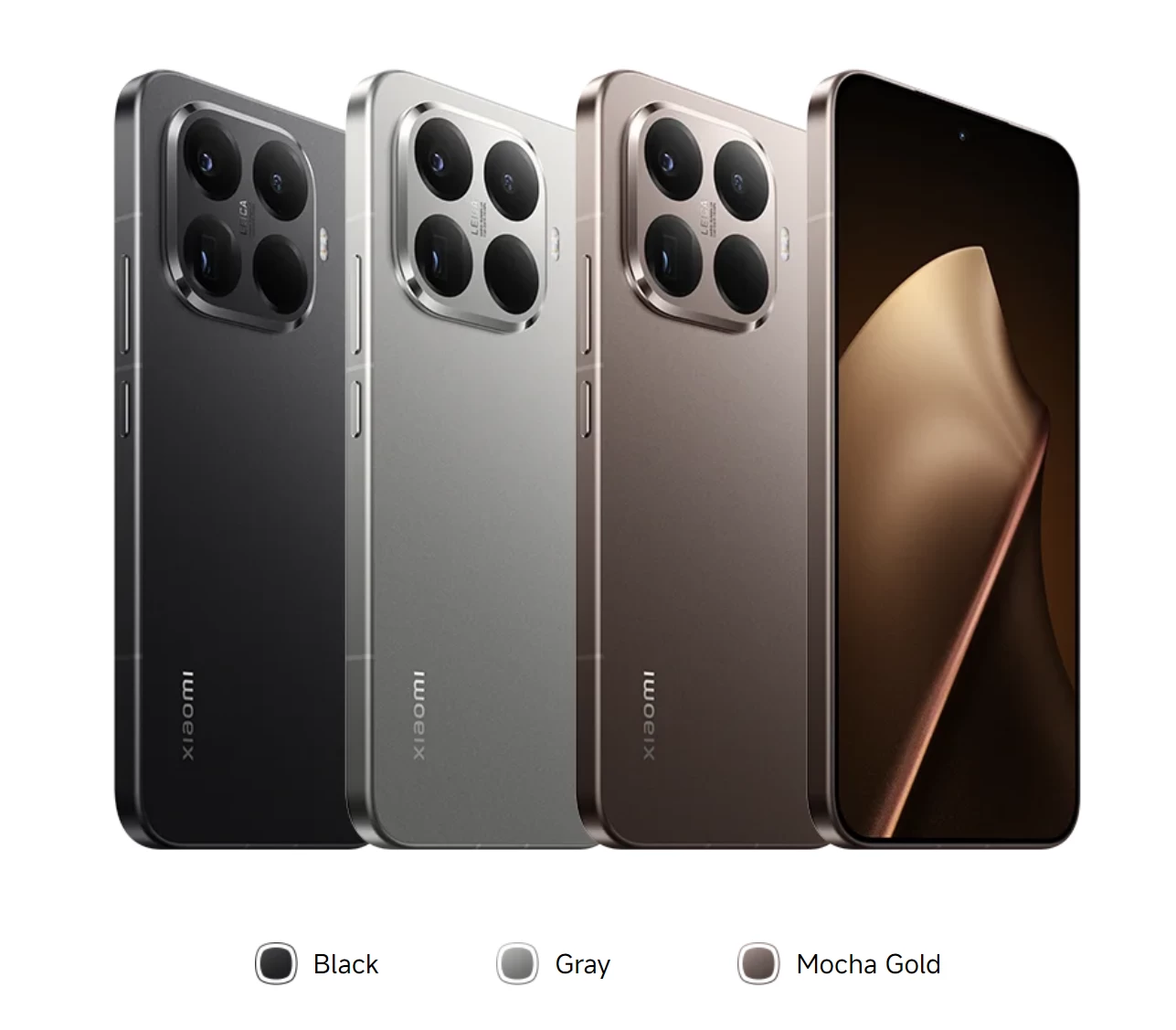
I have the Mocha Gold version in 1TB capacity, interestingly the version sold in Europe appears to only be available in 512GB flavour, whilst the UK gets all three storage variants. There is no retail availability for Xiaomi family phones in the USA currently.
As the 15T Pro launches with HyperOS 2 based on Android 15, the look, feel, and features are almost identical to those on the Xiaomi 15 from March. Much like how multiple Galaxy phone models running One UI all look and feel alike, the same applies here, so there"s no need to go into detail on the software front, though I will talk about any obvious differences that I have noticed.
| Xiaomi 15T Pro Specifications | |
|---|---|
| Colour options | |
| Chipset | MediaTek Dimensity 9400+: |
| SIM support | Dual SIM (nano SIM + nano SIM or nano SIM + eSIM or eSIM + eSIM) |
| Battery & Charging | 5500mAh Li-Po, up to 90W wired charging, 50W wireless charging. |
| Display | - 6.83" 144Hz eye-care AMOLED, 2772 x 1280, 447ppi, Corning® Gorilla® Glass® 7i - 480Hz touch sampling rate, 2560Hz instantaneous touch sampling rate - HDR10+ and Dolby Vision support - Peak brightness: 3200nits covering 25% display area |
| Memory / Storage | - 12GB+256GB | 12GB+512GB | 12GB+1TB - UFS 4.1 |
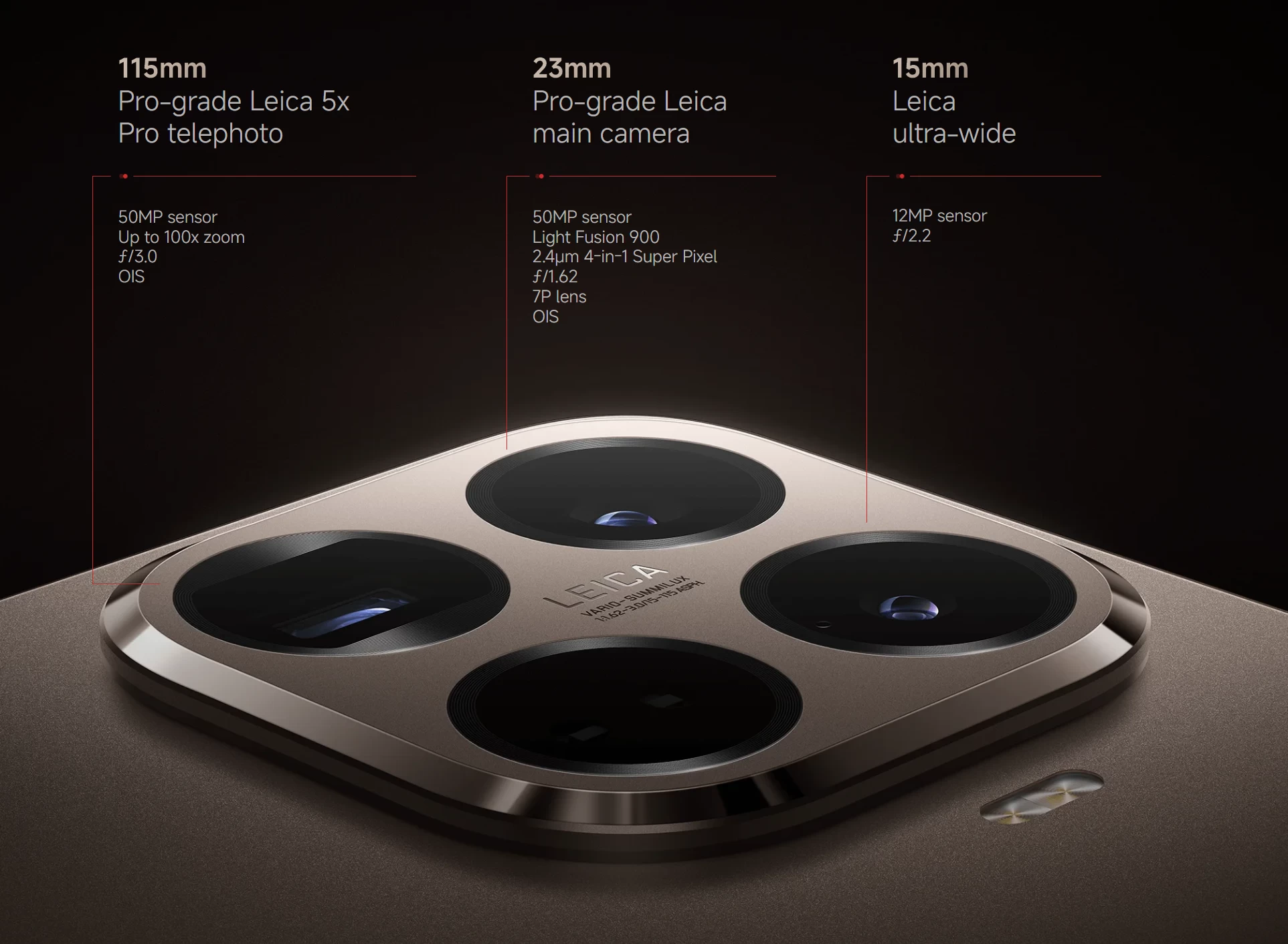
| Main camera | Leica Summilux optical lens - 50MP Light Fusion 900 image sensor (2.4μm 4-in-1 Super Pixel) - f/1.62 OIS - 13.5 EV dynamic range - 23 mm equivalent focal length |
| Ultra-wide camera | Leica 15mm ultra-wide camera - 12MP - f/2.2 - 15 mm equivalent focal length - FOV 120° |
| Telephoto camera | Leica 115mm super telephoto camera (5x optical, 10x optical-level) - 50MP - f/3.0 OIS - 115 mm equivalent focal length |
| Front Camera | |
| Imaging styles | Fixed options between "Leica Authentic look" & "Leica Vibrant Look" |
| Video recording | - 8K (7680x4320) video recording at 30fps - 4K (3840x2160) video recording at 30 fps, 60 fps, 120 fps - 1080p (1920x1080) HD video recording at 30 fps, 60 fps - 720p (1280x720) HD video recording at 30 fps - Slow motion video: 720p 120fps, 240fps, 960fps1080p 120fps, 240fps, 960fps |
| Connectivity | - GSM: 2/3/5/8WCDMA: B1/2/4/5/6/8/19 - LTE FDD: B1/2/3/4/5/7/8/12/13/17/18/19/20/25/26/28/32/66/71 - LTE TDD: B38/39/40/41/42/485G - SA: n1/2/3/5/7/8/12/20/25/26/28/38/40/41/48/66/71/75/77/785G - NSA: n1/3/5/7/8/20/28/38/40/41/66/71/75/77/78 - Wi-Fi 7 - Bluetooth 6.0 |
| Biometrics | Optical fingerprint scanner under the display |
| Audio | - Dual speakers - 3-Mic array - Dolby Atmos® - Hi-Res & Hi-Res Wireless |
| OS | HyperOS 2 at launch (Android 15) |
| Water/dust protection | IP68 |
| Sensors | - Proximity sensor |
| Durability | - 330 N/mm frame rigidity |
| Dimensions | Height: 162.7mm Width: 77.9mm Thickness: 7.96mm |
| Weight | 210 g |
| Price | From £573 (plus up to £150 off) / €809 (with 10% discount) |
Fit and finish
The build quality of the 15T Pro is excellent, just like the 15. The use of a frosted and lightly textured glass back with matte mid-frame gives off a very premium vibe and feels great in the hand.
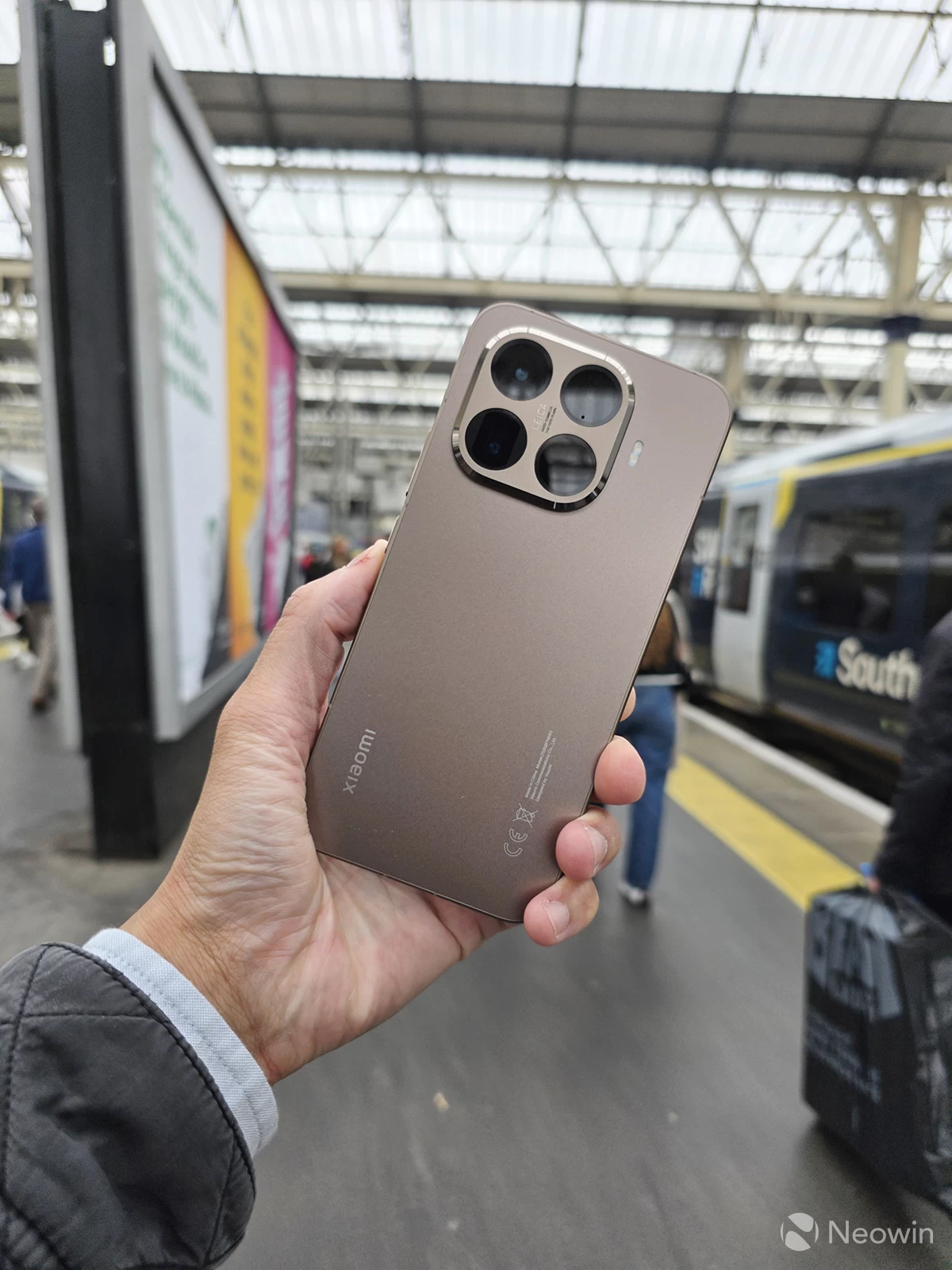
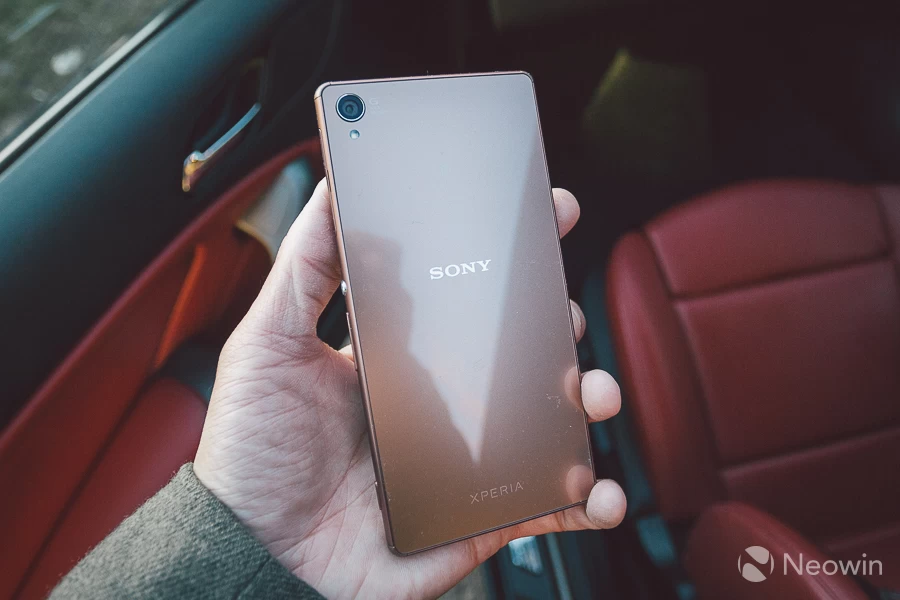
The Mocha Gold colour is also very pleasing to the eyes. In fact, it reminds me of my gold Sony Xperia Z3 from back in the day. I loved that phone.
The similarities to the fit and finish of the S25 Ultra continue on the mid-frame; the button layout on the right side is strikingly copy-paste, and not in a bad way.
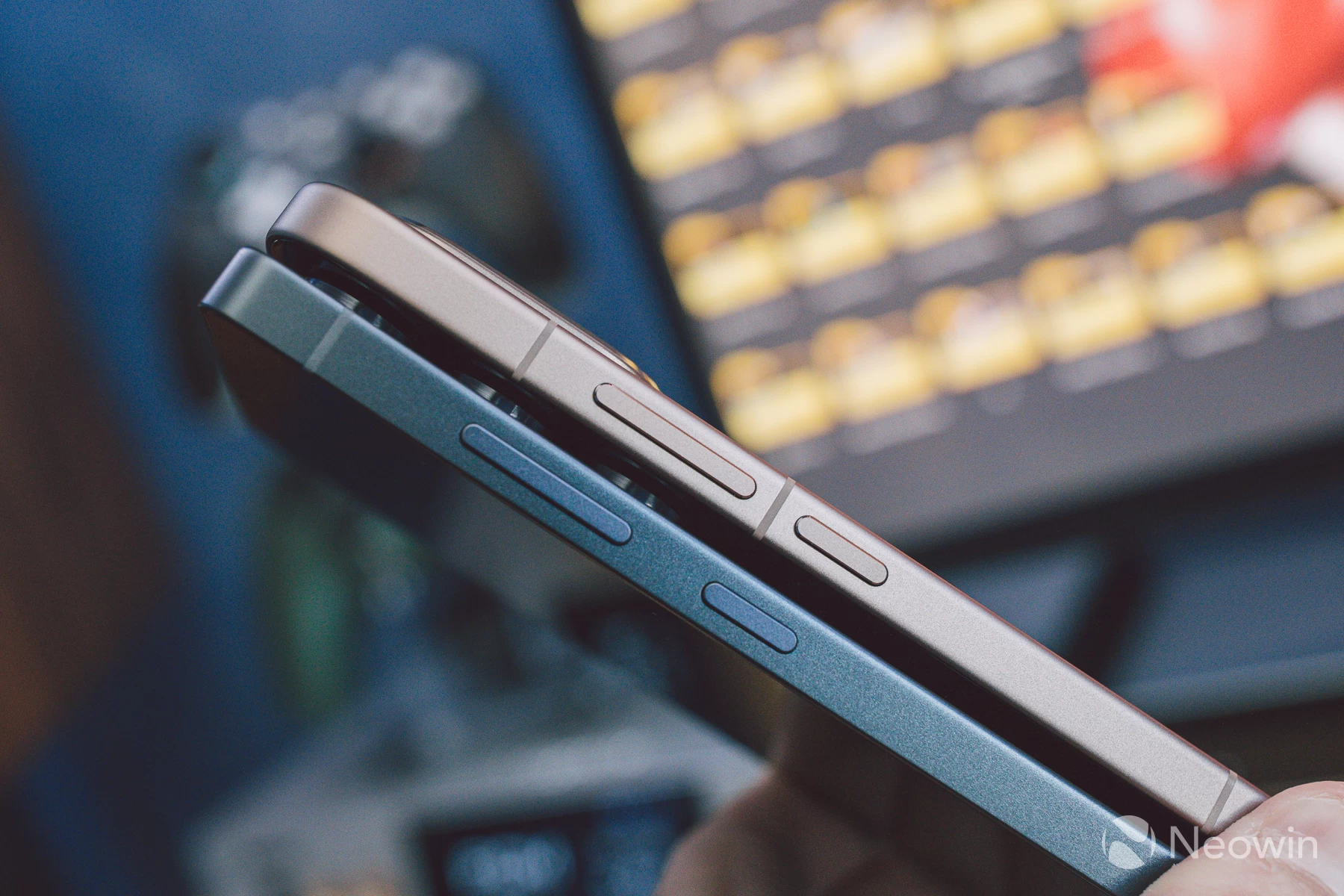
The 15T Pro is actually slightly thinner than the S25 ultra at 7.9 mm versus 8.2. It"s a small difference that can actually be felt in the palm, and thanks to the more rounded off corners, comfort is also enhanced over the Korean flagship:
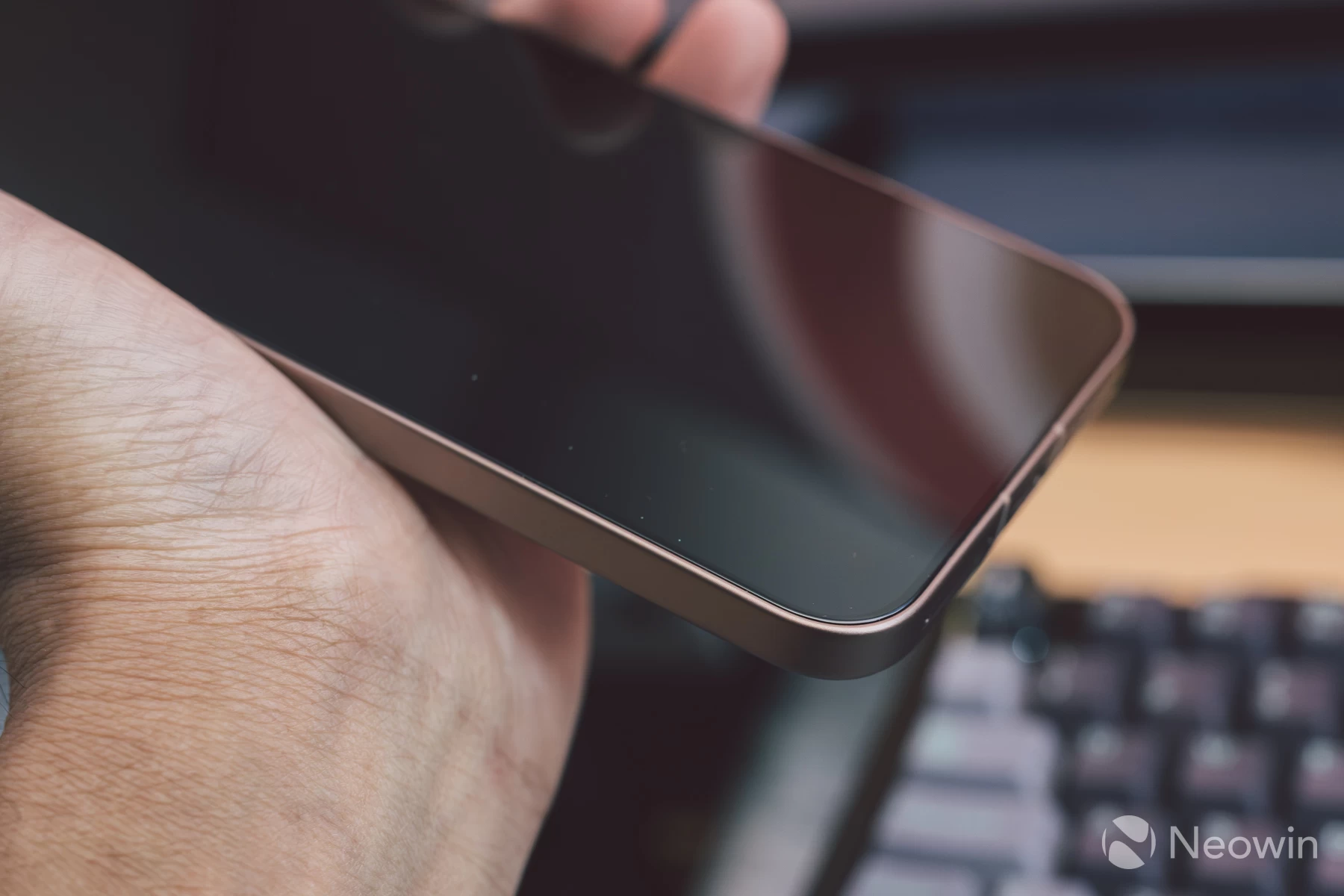
A screen protector does come pre-installed, which is nice. However, I removed this for the best image clarity from the 144Hz AMOLED panel, and a more comfortable feel under the fingers.
The camera bump dominates the 15T Pro, even more than the bump on the 15, and a chamfered edge completes the fancy look.
The camera modules are a 50MP wide, 12MP ultra-wide and a 50MP 5x telephoto. More on the cameras a bit later.
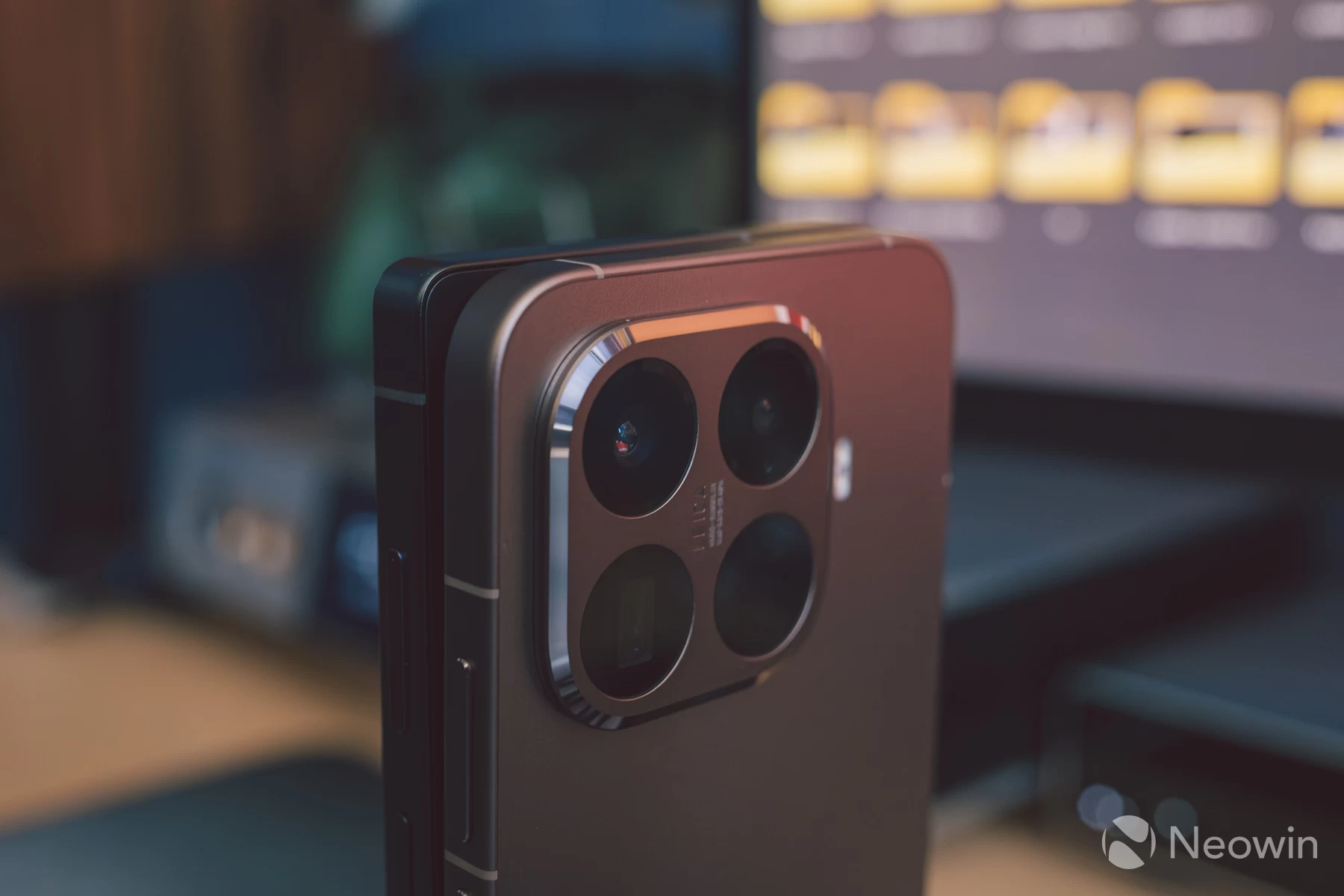
So then, the fit and finish is hitting the flagship marks perfectly, it"s easy to think this phone costs over £1000 from a first impression alone, and I think if Xiaomi was aiming for that appeal, then it nailed it.
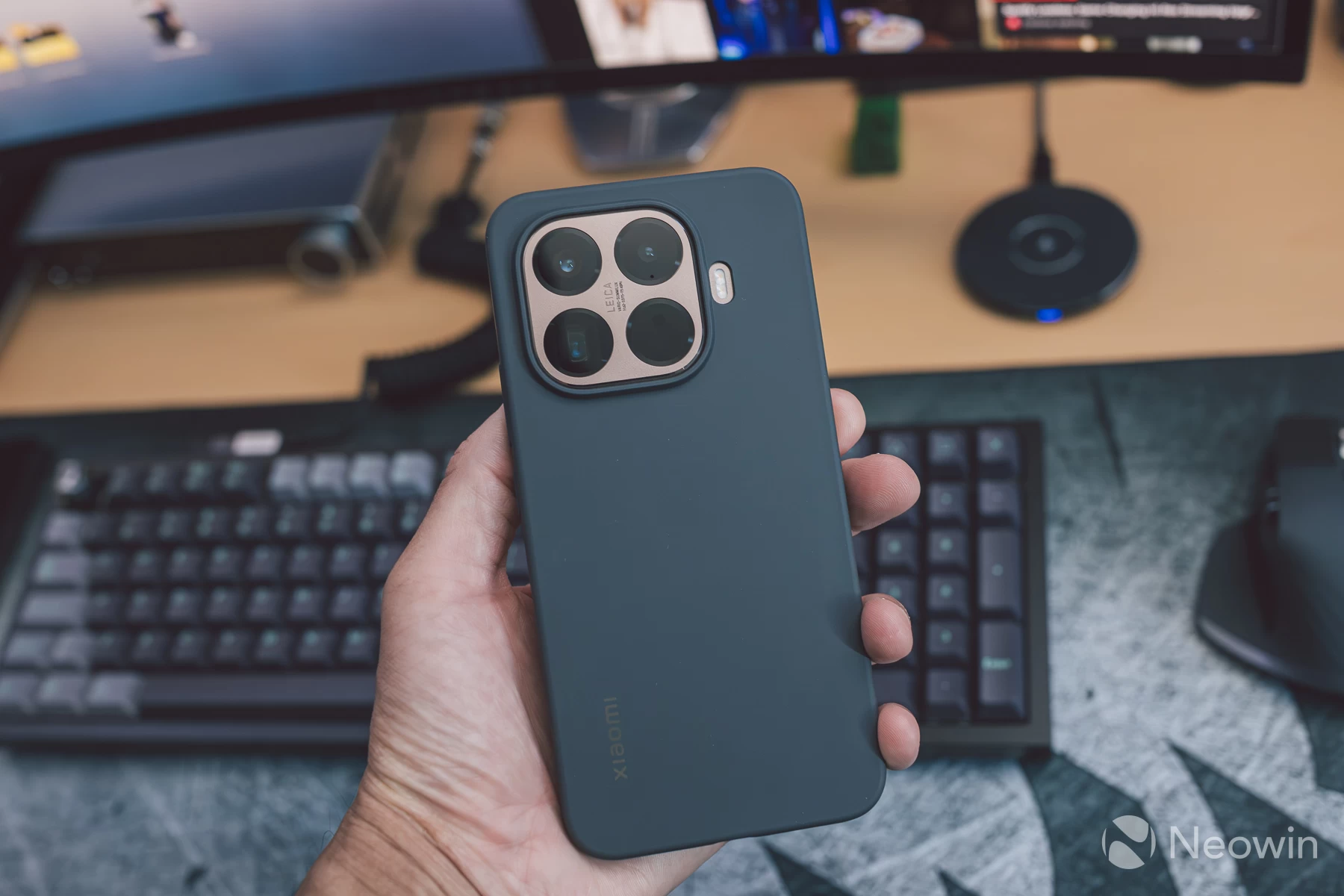
The included TPU case is the same type of case bundled with other Xiaomi family phones. It is high-quality and flexible, providing adequate protection to the handset. It is welcome to see that Xiaomi still includes these in the box along with a screen protector, Samsung could follow here...
Features & OS
HyperOS 3 has no confirmed rollout for the new 15T series yet, so Android 15 is what we get out of the box. It is a fully featured version of Android that offers a nicely polished experience. There are a few issues that remain from back in March that I mentioned in the review of the 15, such as the display refresh rate dropping to 60Hz when scrolling in some apps, YouTube being a prime example.
This is quite annoying because you have a buttery smooth scrolling experience at 144Hz, then suddenly everything feels laggy because the display has dropped to 60Hz when opening an impacted application.
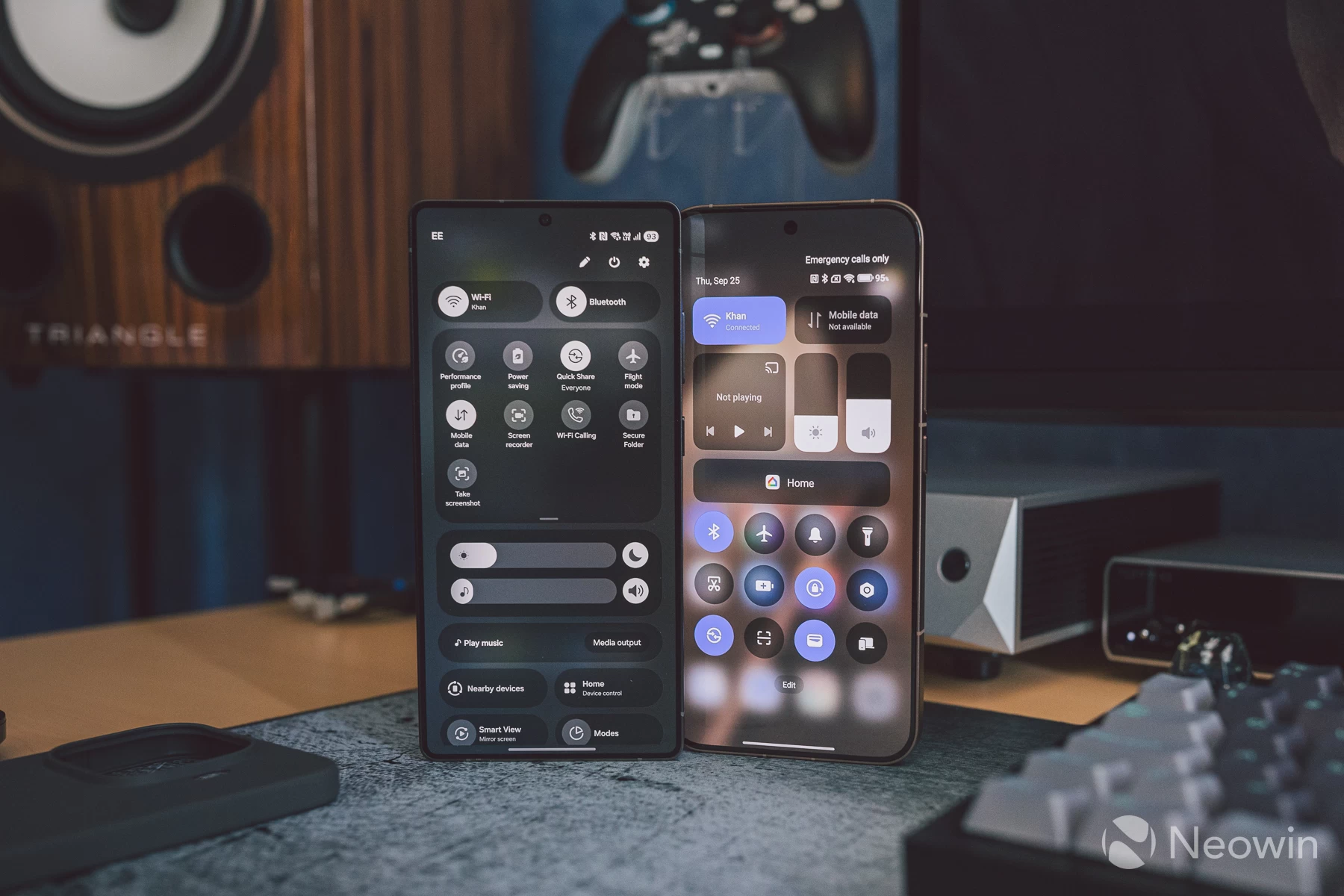
The issue can be worked around by setting the display refresh rate to custom, then adding affected apps to the allowed list to use a high refresh rate.
This does, of course, mean that now everything will be at 144Hz at all times, which will drain battery more, rather than using AI smarts to determine when to apply high refresh rates and when not to. I have raised this with our contacts at Xiaomi and will update here with whatever they respond with.
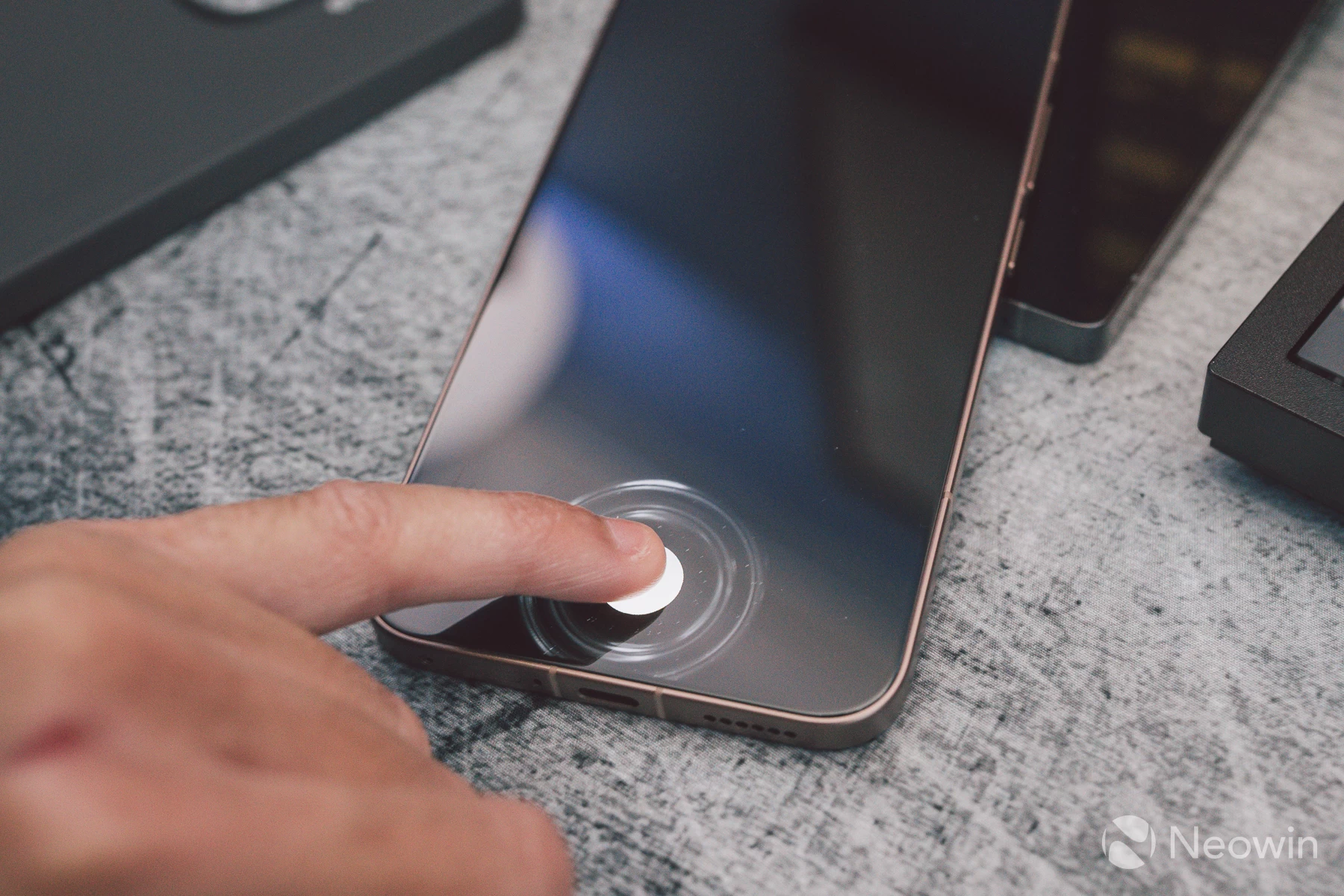
The under-screen fingerprint scanner is optical, but it is very accurate. I can only recall one instance where I had to give it my thumb a 2nd glance, and that was only because I was a little too quick at lifting off.
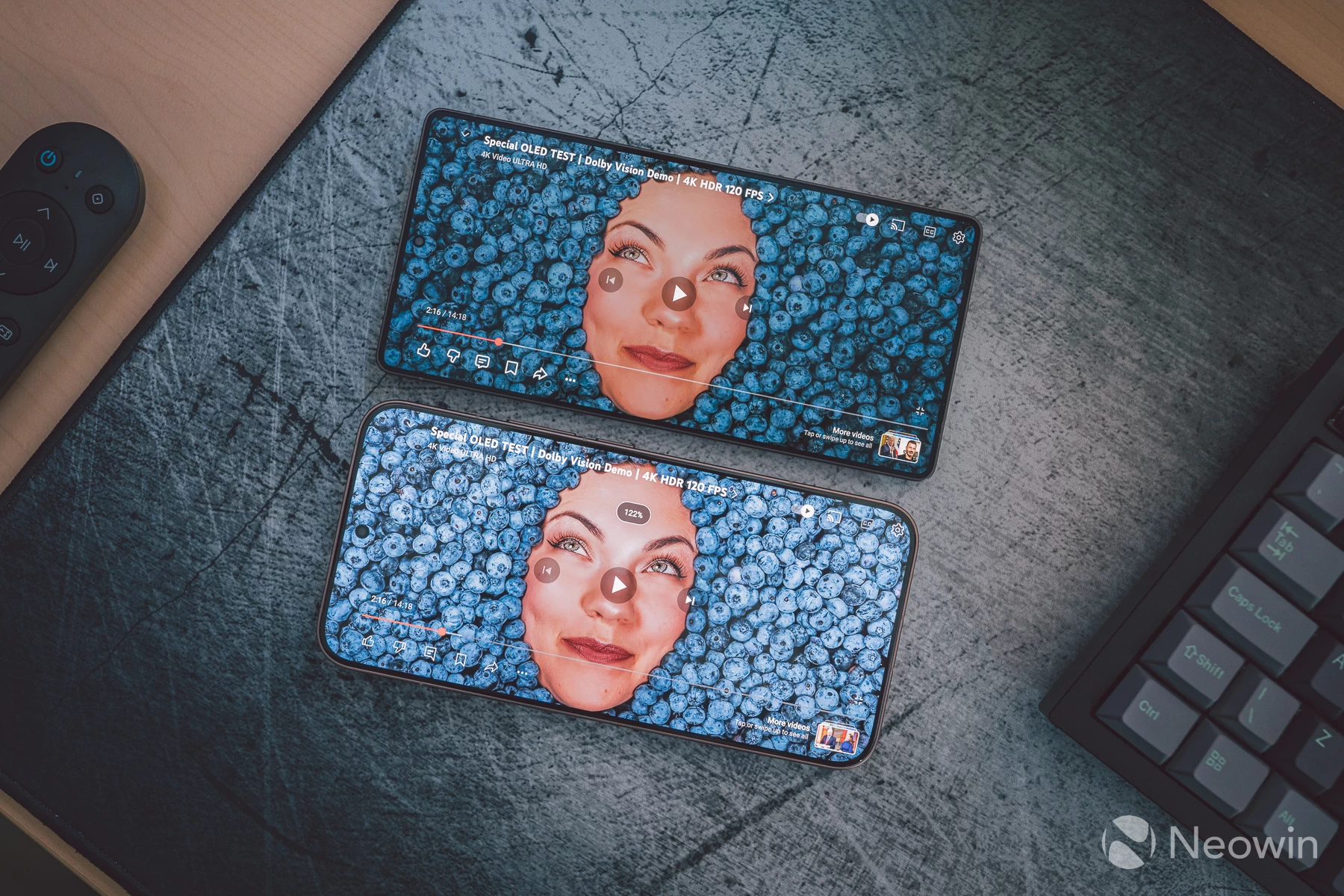
The most visible improvement against the S25 Ultra is just how bright the screen gets. The 2500 nits on the Samsung is still bright and legible in direct sunlight, but the 15T Pro goes a step beyond with how bright it can get, which is impressive.
The AMOLED panel appears just as crisp and clear as Samsung"s flagship, though it does not employ any anti-glare coating like Samsung and Apple, a feature that many people are very fond of.
An important point of note is that Xiaomi will offer up to 6 years of OS updates in accordance with European legislation, so the software experience and security should remain excellent far beyond what the average ownership term is for phones for most people.
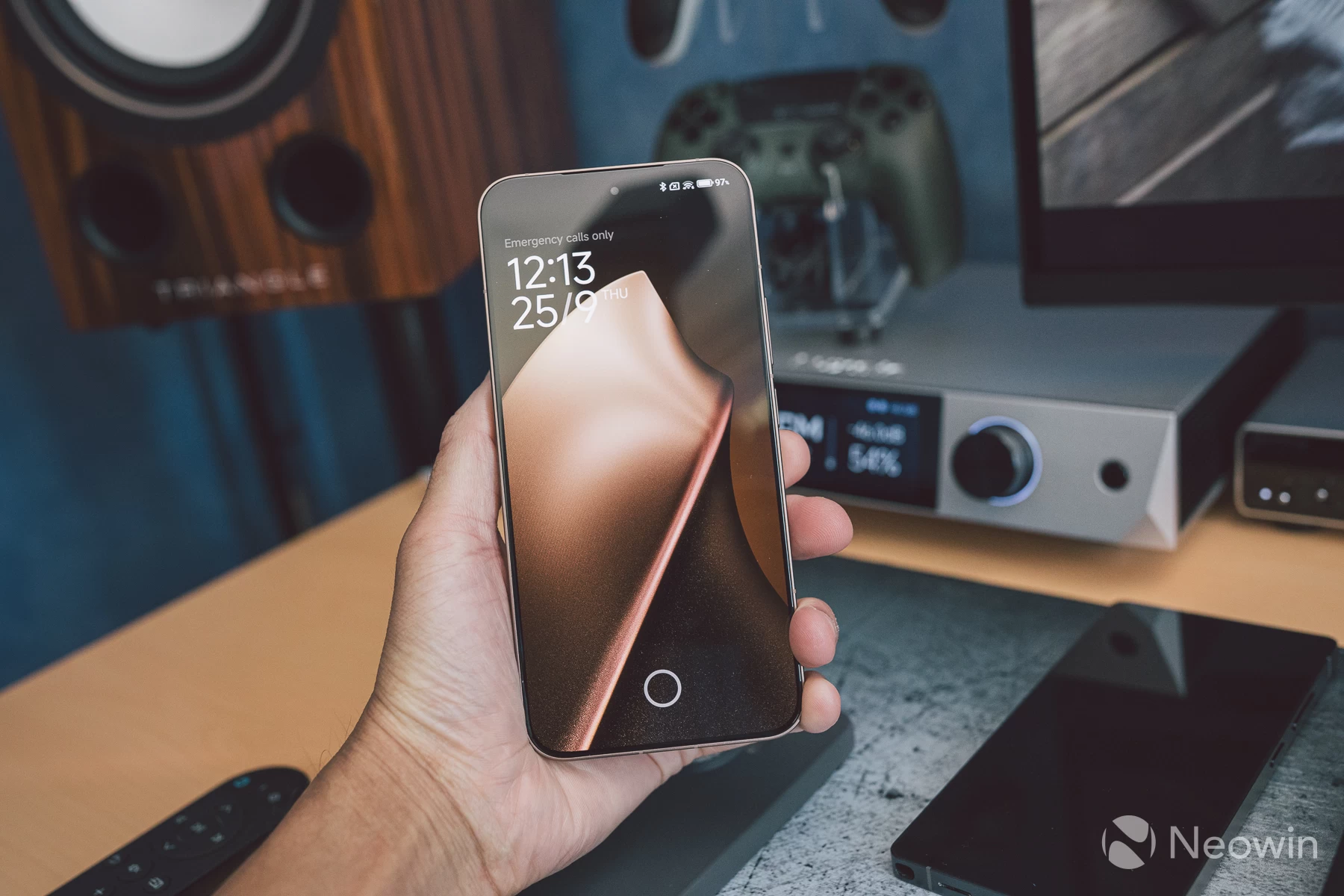
Though, as always, as this is recent legislation and adherence to it by Xiaomi, it remains to be seen if the brand sticks to its word and does provide the full term of updates.
Performance
Even though the T series phones from Xiaomi aren"t strictly classed as flagships but instead sit in a hybrid high-end tier, the overall software polish and performance are easily up there with flagship models.
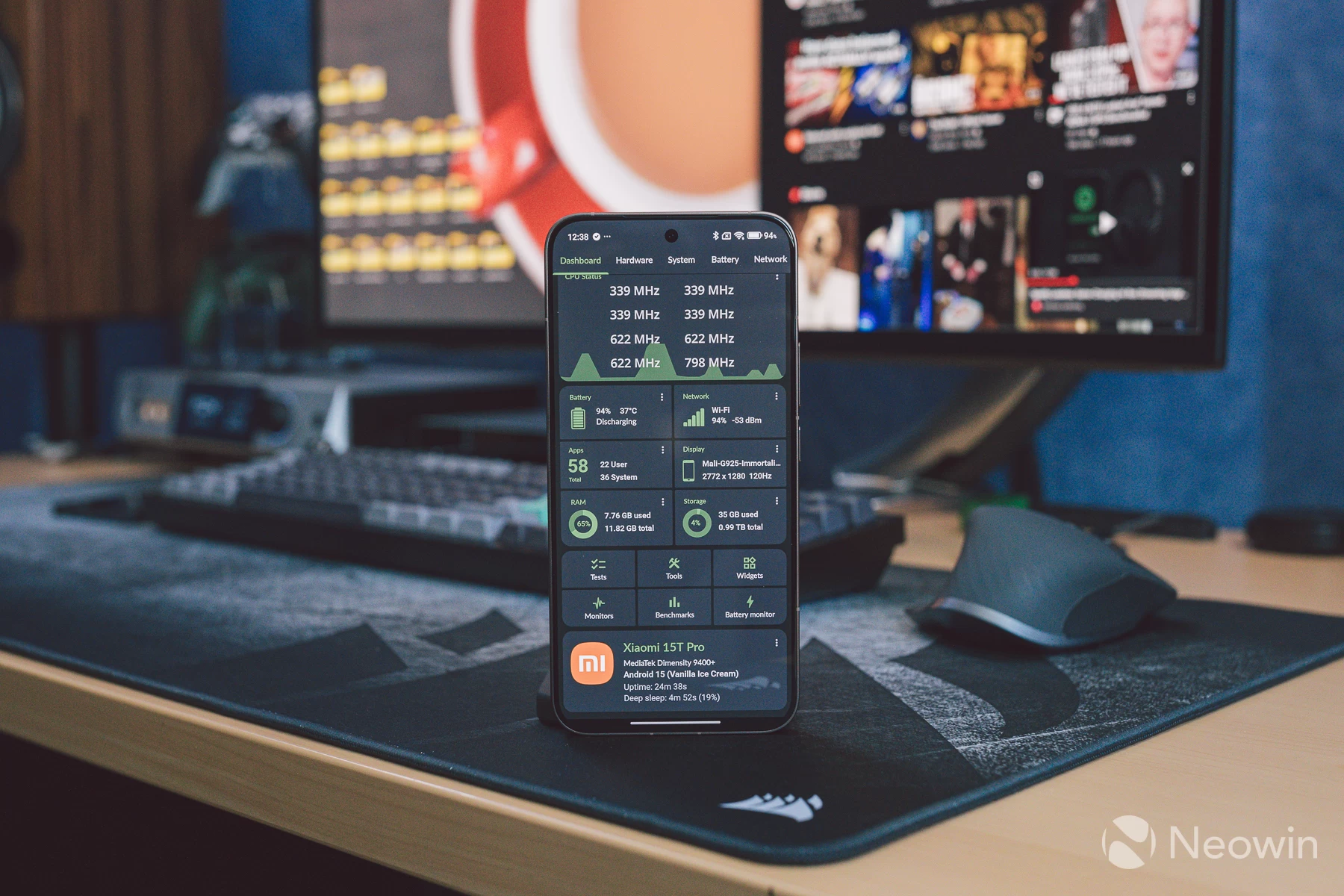
Given that the GPU benchmarks higher than the Snapdragon 8 Elite, that says a lot about where the Dimensity 9400+ sits in terms of performance.
The battery life is also excellent, although this is really no surprise considering the 5500mAh packed inside, plus, these days most phones easily get through a full day of heavy usage, and when needed, a quick fast charge for 20 minutes can restore juice for another half day or so.
Other than the 60Hz scrolling bug in some apps, everything else was slick and smooth. I have no complaints with HyperOS 2 and 3 in their current iterations. To my eyes and fingers, it looks and feels as good as Samsung"s One UI, just with fewer official add-ons to customise to the eyeballs like Samsung offers with Good Lock"s suite of modules.
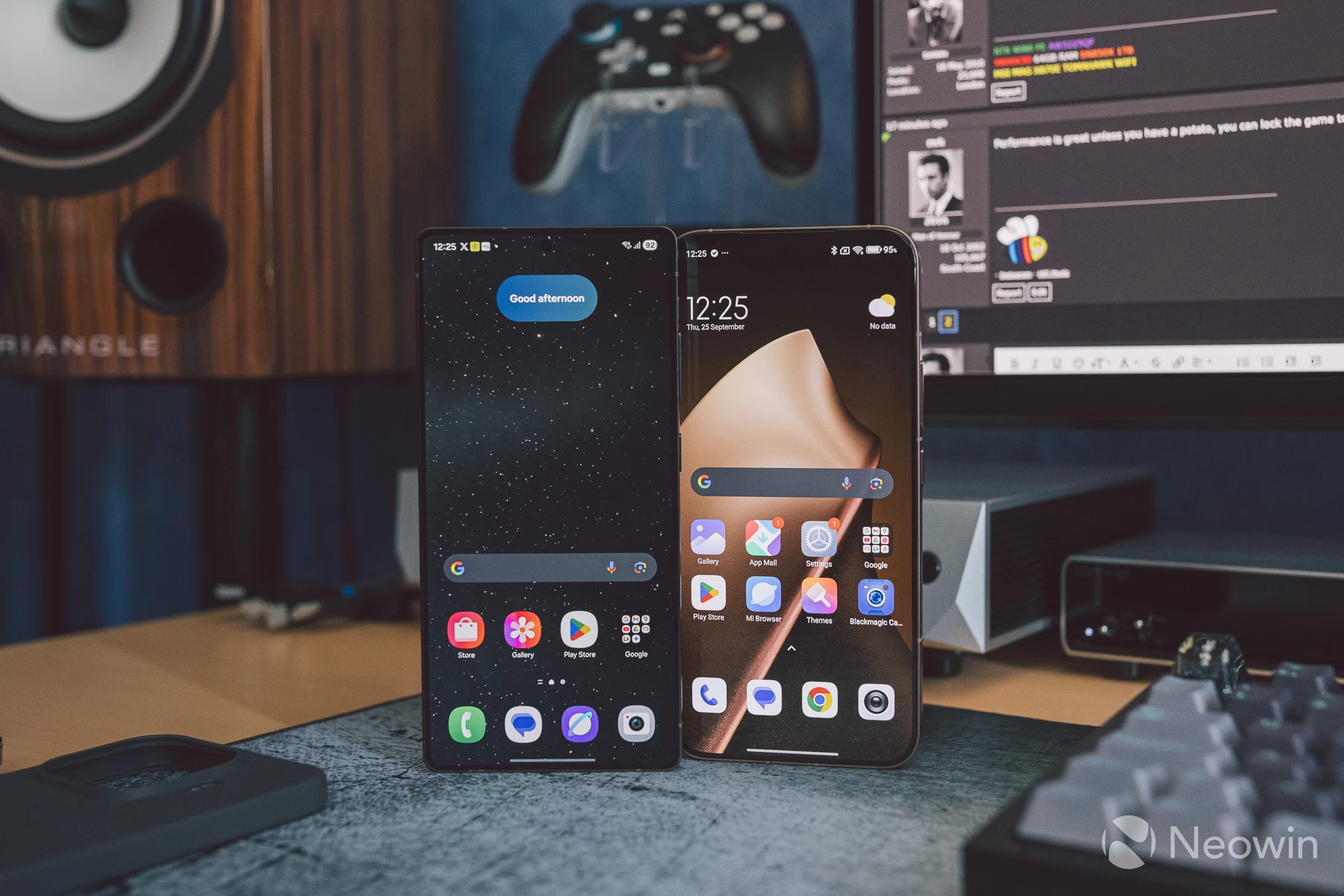
The home screens even look similar at first glance, who is copying who... 😅
For benchmarking I ran Geekbench 6 a few times to observe consistency and any thermal issues that may be present resulting in a lower score in later runs, there was no issue here. Both the S25 Ultra and the 15T Pro finished the CPU benchmark run within 1 second of each other, scoring:
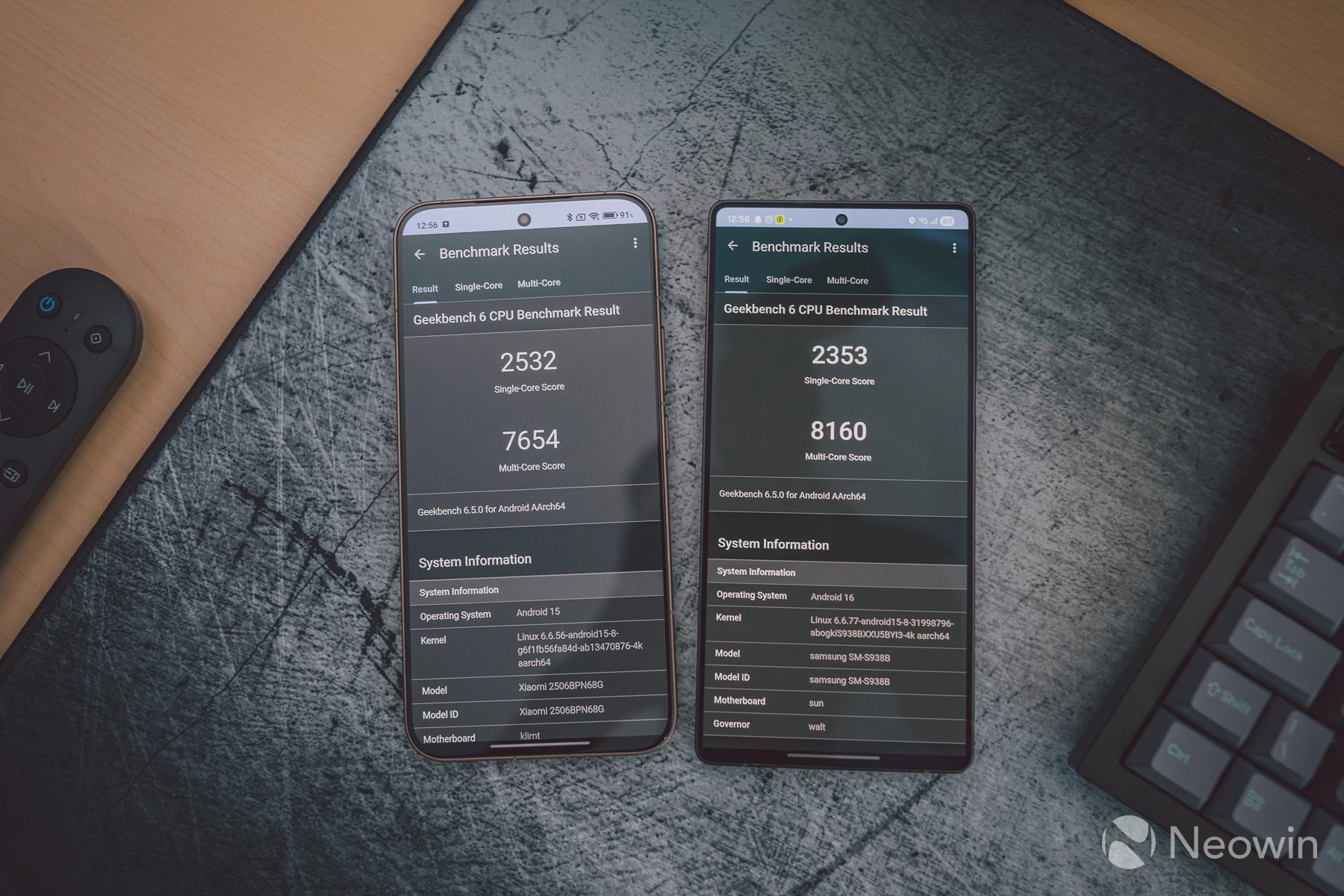
Meanwhile, the GPU run showed something unexpected: the 15T Pro beat the S25 Ultra by a wide margin.
The score is lower for the S25 Ultra than what I got on an older firmware back in March, but the differential between it and the 15T Pro now is still relevant, although it remains to be seen what Xiaomi will get once the Android 16 OTA gets rolled out:
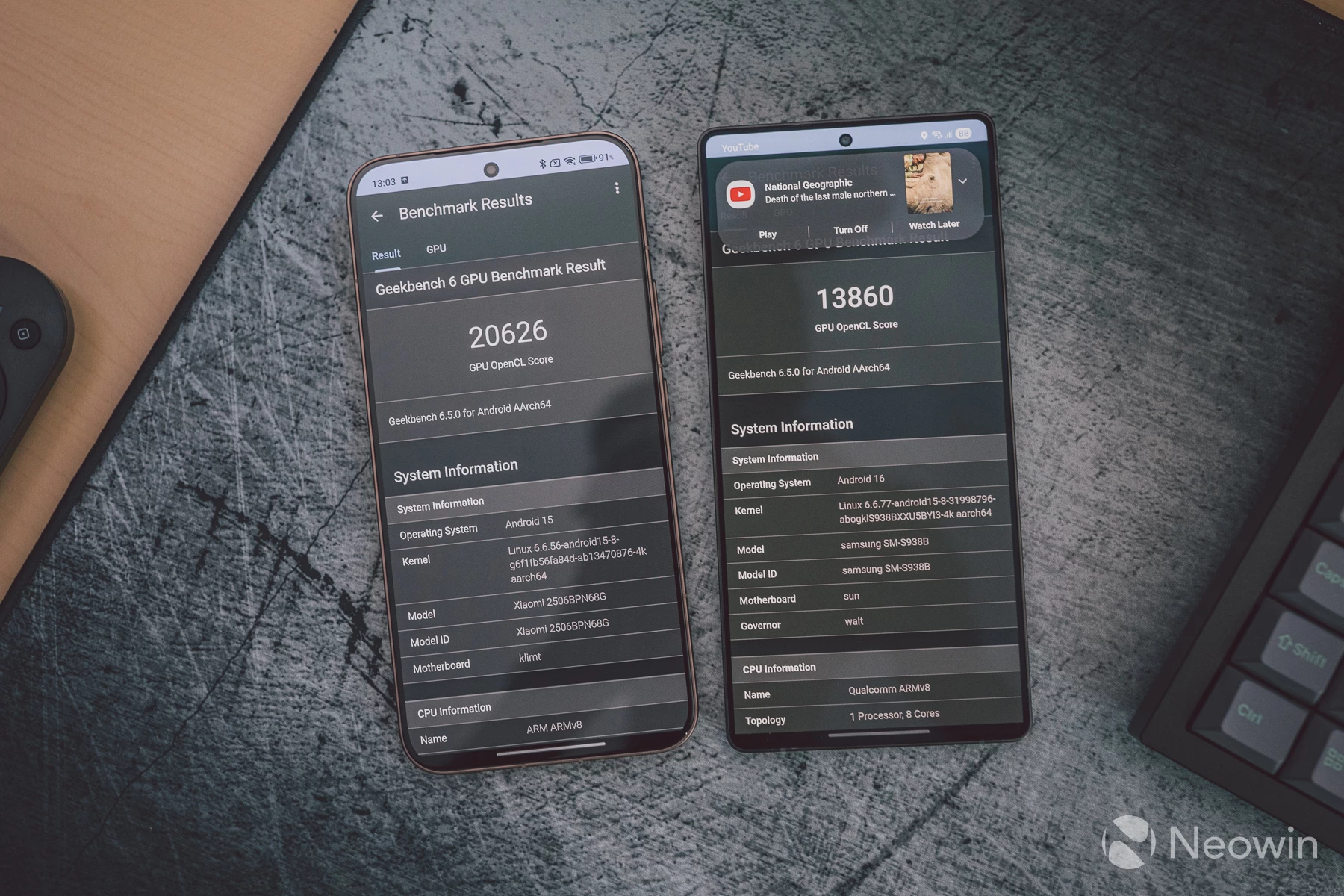
The 15T Pro also finished the GPU run 58 seconds faster than the S25 Ultra.
Connectivity performance was matched with the rest of the modern handsets on the market, easily saturating 1 Gbps fibre line over WiFi and achieving over 900Mbps on EE"s 5G network. Snapdragon Sound audio CODECs are also supported for Bluetooth headphone users to enjoy high-fidelity music on the go with compatible headphones that are capable of LDAC, aptX-HD and so on.
Camera
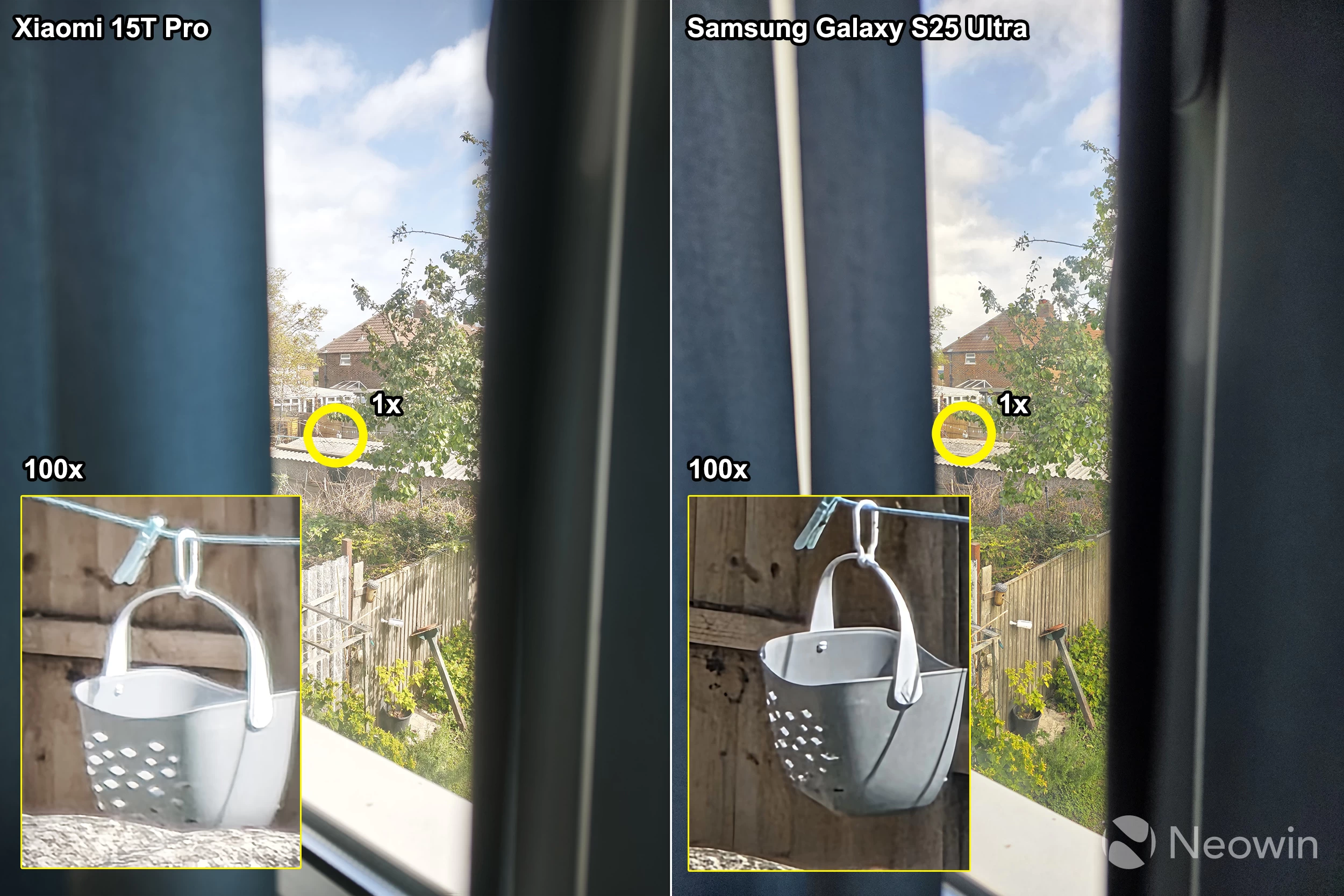
Sadly, whilst the camera features have improved with HyperOS over time, the processing quality and AI upscaling and image reconstruction aren"t quite up to scratch and remain on par with what we have seen with the rest of Xiaomi"s flagships from earlier in the year.
For example, the photo below, taken at both 1x and 100x, and then composed alongside the same shot taken with the Galaxy S25 Ultra, shows you just how far behind Xiaomi is with camera processing.
And once again, the LEICA optics and general camera hardware are very good, but it is just let down by the software processing.
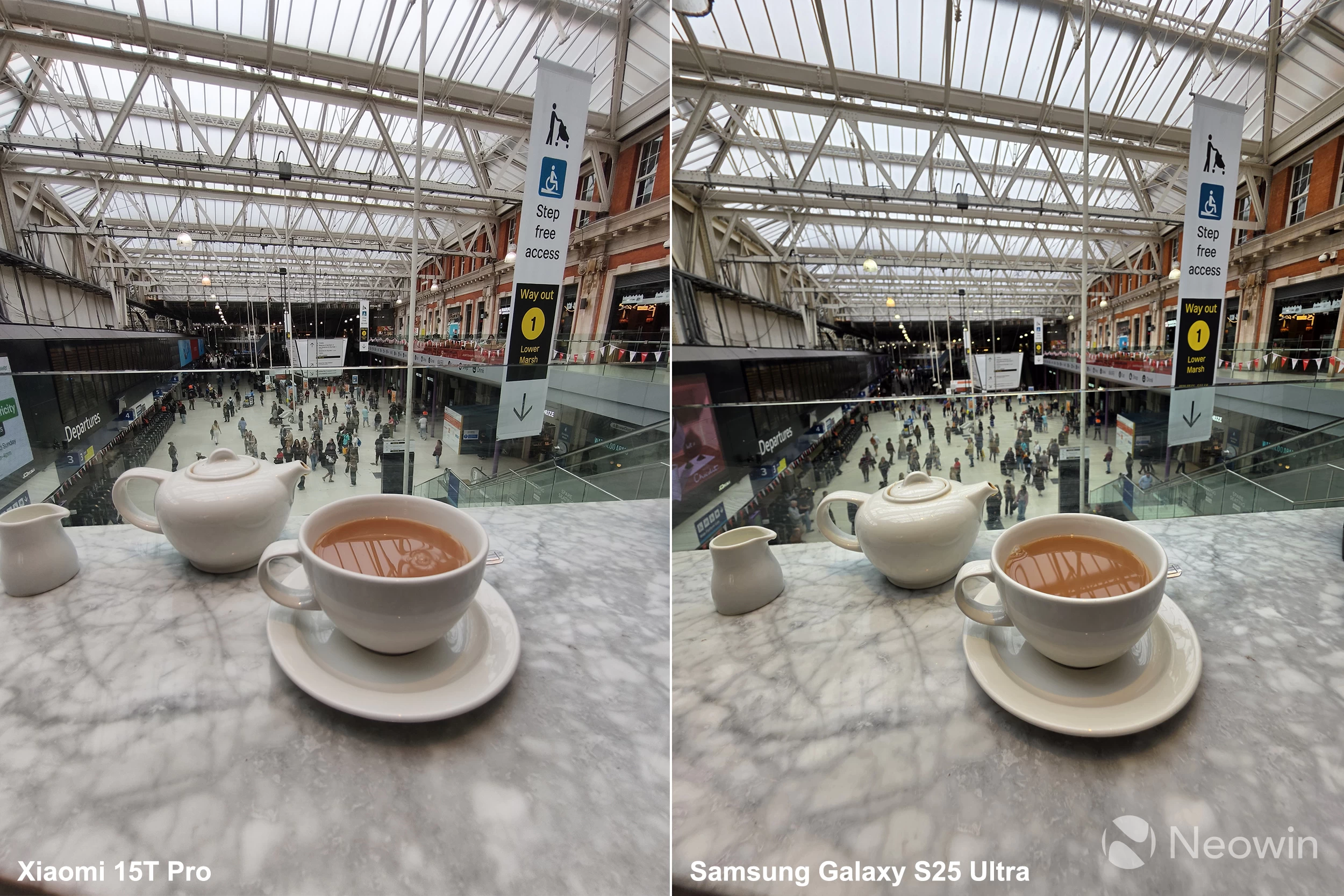
Here are a few more comparisons highlighting the differences between the two phones. It"s not all bad, though, because the HDR processing has improved a bit this time round, though the two forced LEICA picture style options in normal photo mode cannot be avoided unless you flick over to Pro mode, which then loses HDR processing.
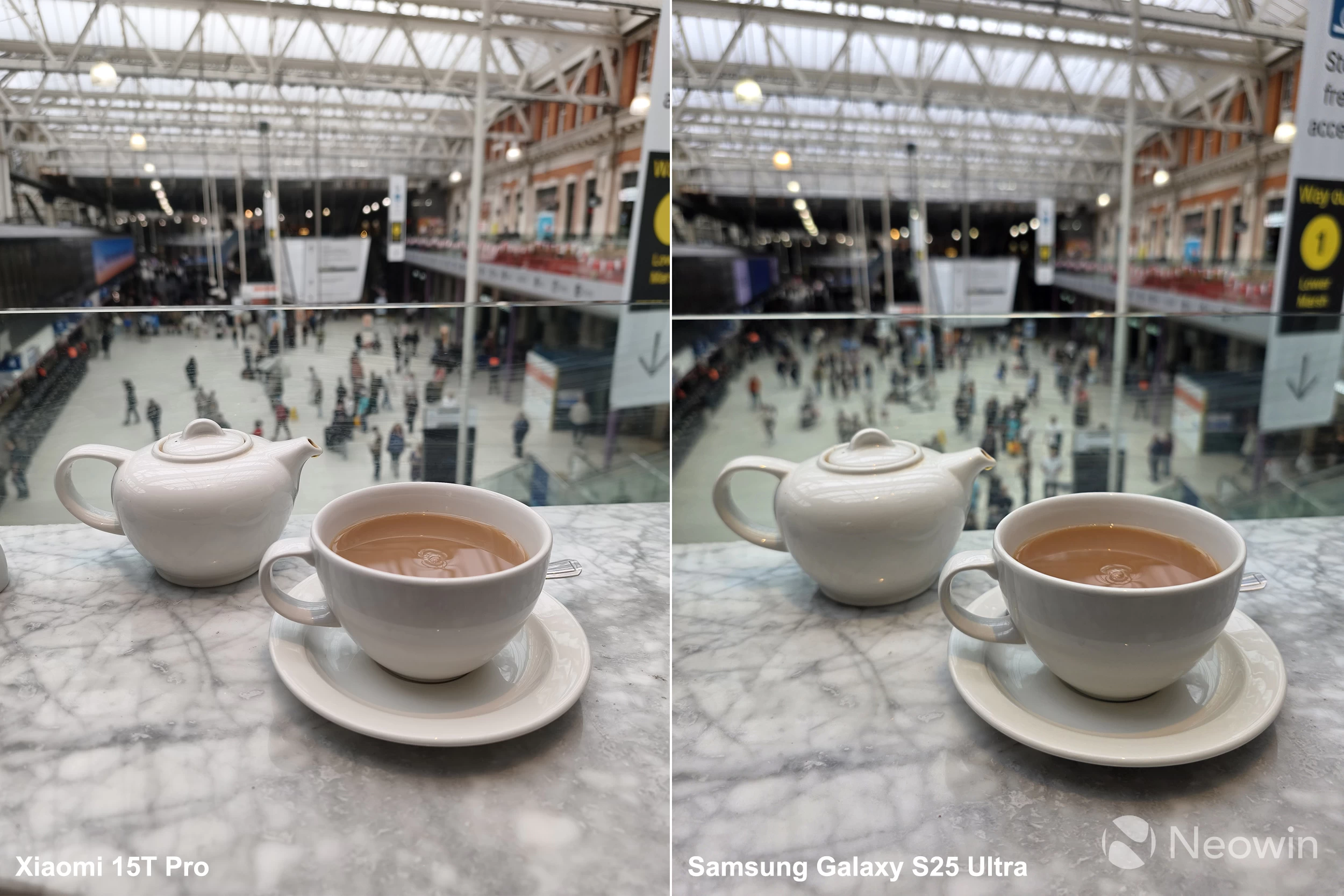
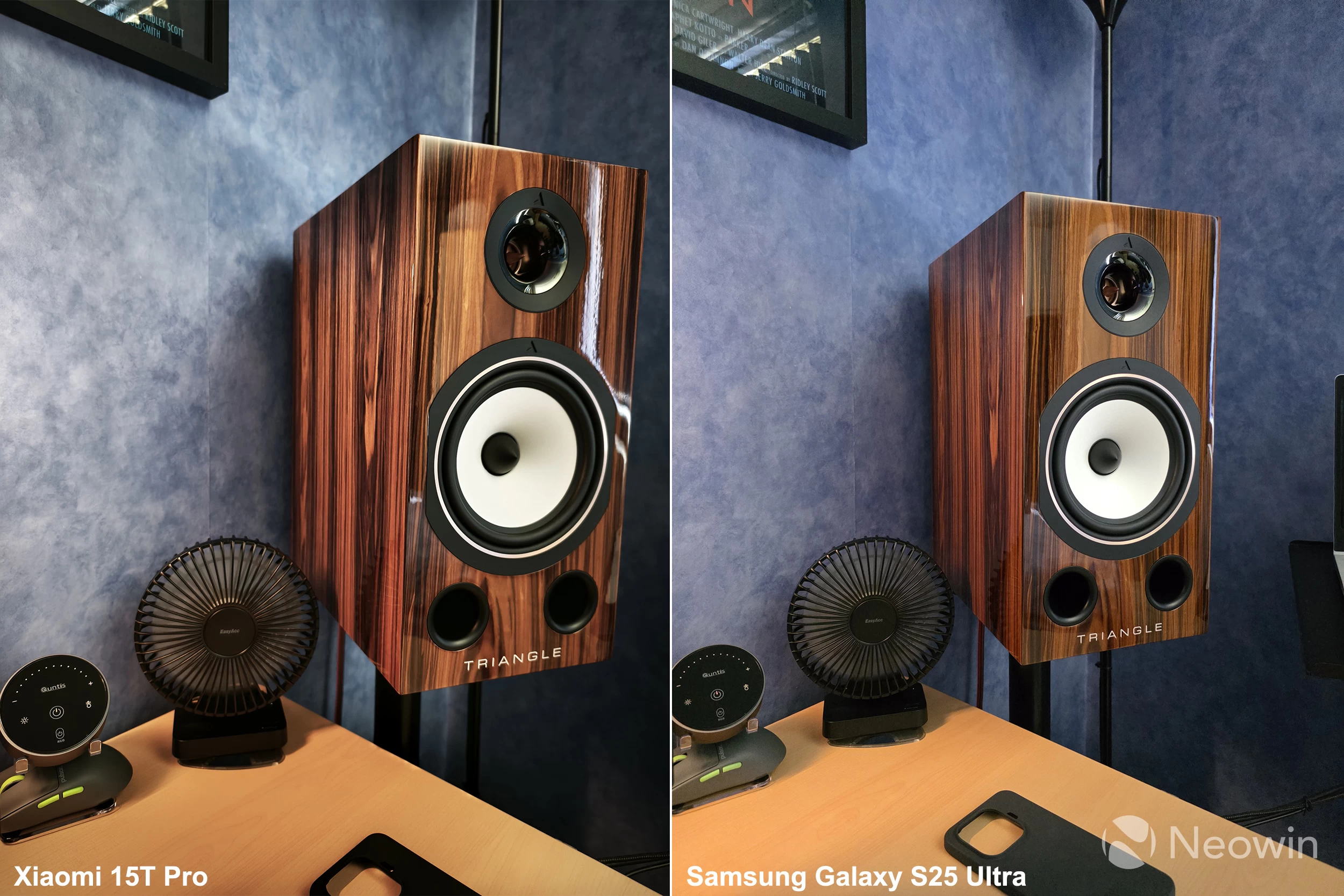
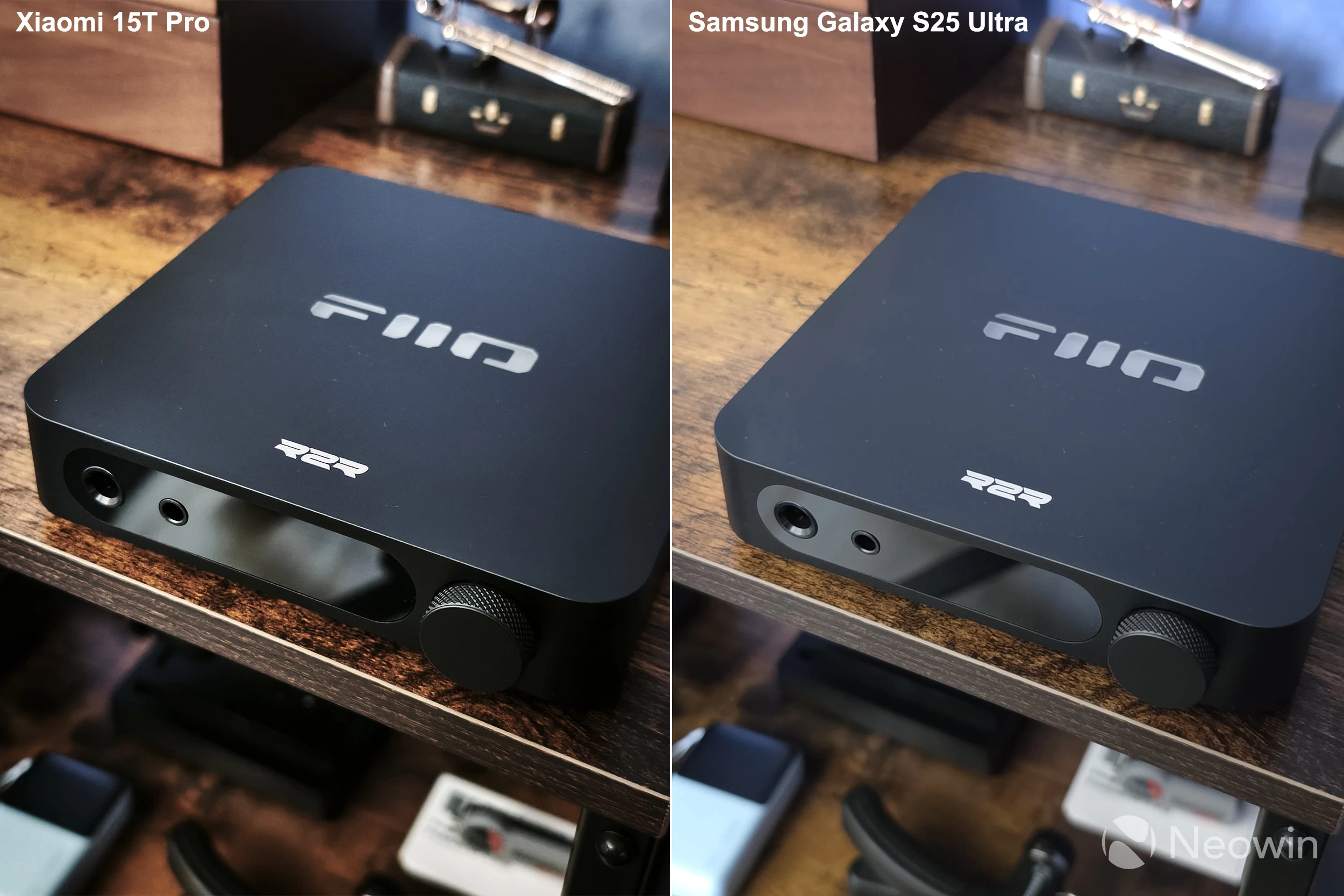
The 15T Pro generally produces good-quality photos from its main camera. They are often a little more contrasty than desirable, though, and this is owed to the LEICA picture styles the normal photo mode employs. This is the most common mode most people will be using, so it would have been beneficial to allow users to bypass the two picture style options entirely and just leverage the LEICA optics instead, letting Android do the processing.
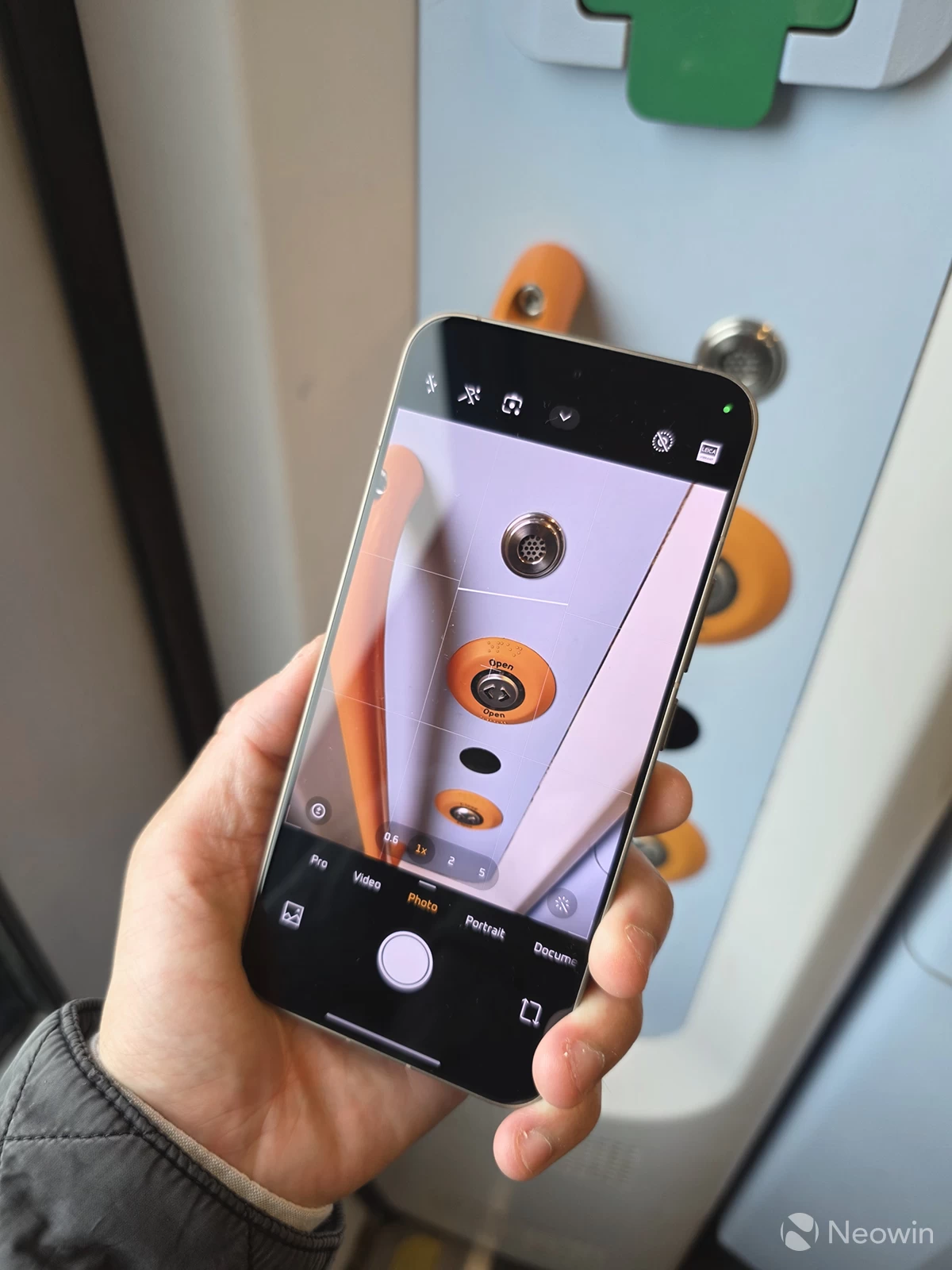
In video recording mode, setting to 4K 60fps capture means you cannot switch between the 3 lenses. This is a big oversight in 2025, when even non-flagship models from the competition allow you to switch lenses whilst recording 4K60.
At this point, I"d experienced enough; much of my findings mirror those of the Xiaomi 15, so there is no need to spend much more time on the camera here.
Conclusion
The 15T Pro can stand up against a "true" flagship. As a smartphone, it does lag behind in the camera software and processing department, but given the price, I think this can be excused. It won"t beat even the base model Google Pixels for stills photography from the main camera, not much can for image quality and dynamic range, but it"s a point worth making still.
Hopefully, Xiaomi is listening and continues to evolve its software processing and camera application across its family of handsets, as they all exhibit the same flaws I have talked about in all of my Xiaomi/POCO/Redmi coverage to date.
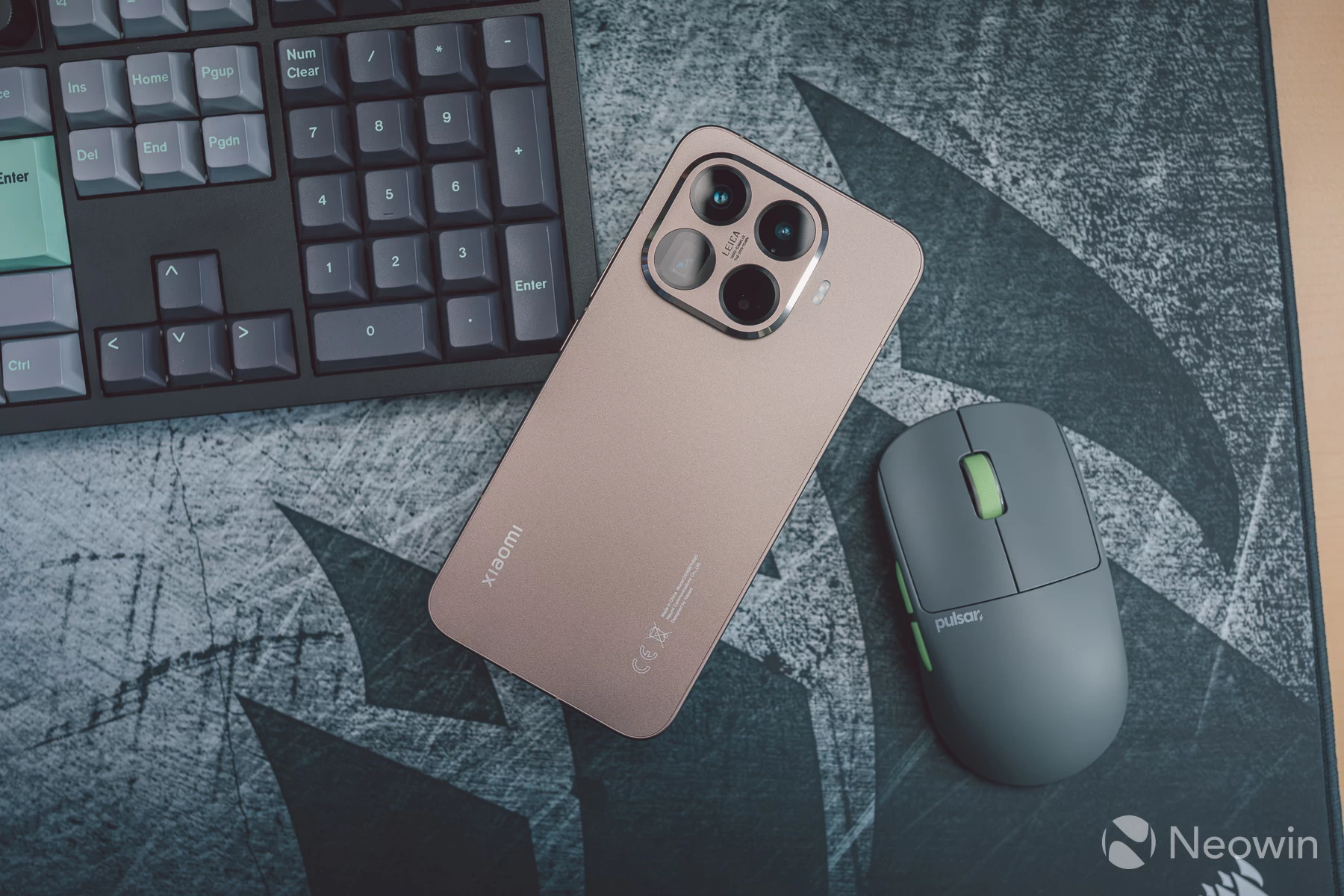
The main thing to look at here is that this phone comes in at nearly half the cost of an equivalent Galaxy S flagship, which also includes the Google Pixel 10 Pro XL, which reaches an eye-watering £1500 for the 1TB model.
For most people, the 14T Pro"s camera will satisfy, no doubt, it"s for those that want absolute dynamic range and camera performance where the Pixels and Galaxy phones come into their own. For those just wanting quick snaps captured with good clarity, this could be just right.
The Xiaomi 15T Pro can be purchased starting at £573 (plus up to £150 off) or €809 (with a 10% discount) in Europe. The American market does not currently have a release schedule.