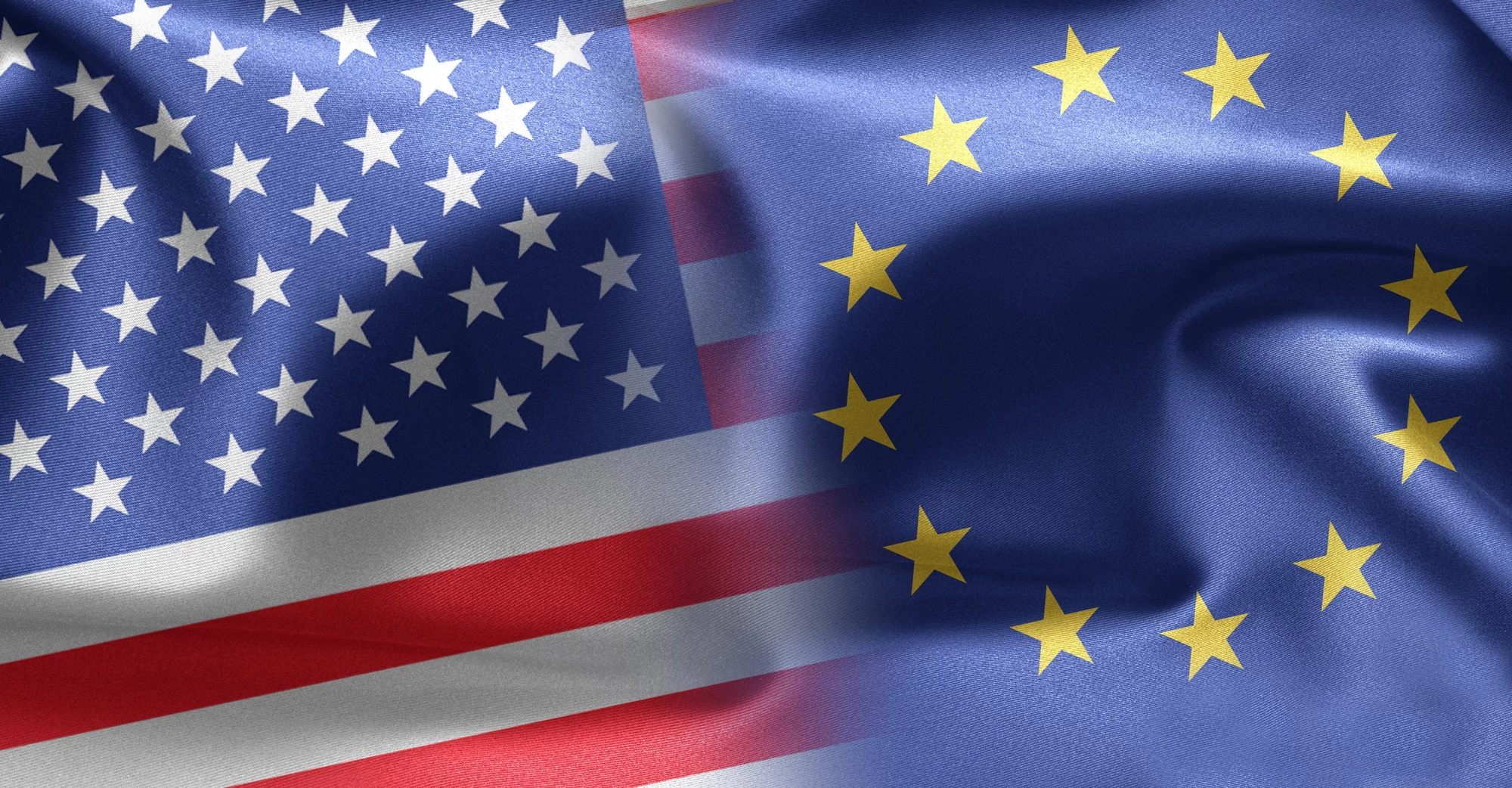
The United States has accused the European Union and its member states of a "continuing course of discriminatory and harassing" actions, including lawsuits, taxes, fines, and directives aimed at US service providers. It said that while its concerns have been ignored for years, EU companies such as SAP, Spotify, Siemens, DHL, and Accenture have been able to operate freely in the US on a "level playing field."
The US claims that its companies provide a significant amount of free services to citizens in the EU, support millions of jobs, and represent over $100 billion in direct investment in Europe. Continuing its path of retaliatory actions, the US has warned that it will use "every tool at its disposal," including assessing fees or restrictions on foreign services under US law.
The European Union and certain EU Member States have persisted in a continuing course of discriminatory and harassing lawsuits, taxes, fines, and directives against U.S. service providers. U.S. services companies provide substantial free services to EU citizens and reliable…
— United States Trade Representative (@USTradeRep) December 16, 2025
The USTR said on X that several European companies benefit from open access to the US market; the naming of these specific companies could signal that they may be subjected to future restrictions. The full list of companies is:
- Accenture
- Amadeus
- Capgemini
- DHL
- Mistral
- Publicis
- SAP
- Siemens
- Spotify
The US has also warned that it will take similar retaliatory action against other countries that employ similar practices, as the EU does. While the United States may not like the barriers to free trade being enacted by the EU, by retaliating, it will only increase barriers to trade and make things more expensive for customers in its own market.
When President Trump implemented his trade tariffs earlier in the year, some countries, such as the UK, chose not to retaliate to avoid a trade war. If the US strong-arming does work and the EU backs off with its punitive measures against US companies, it could end up being good for EU customers, as these companies will have fewer costs that need to be passed on to consumers.