
Around the world, over 700 million users use ChatGPT every week. Most of them use ChatGPT simply to ask questions and get answers. As a result, what they gain from ChatGPT is limited by what they know to ask for. OpenAI is trying to solve this problem with ChatGPT Pulse.
ChatGPT Pulse is a new experience that proactively conducts research in the background to deliver personalized updates based on a user’s past interactions with ChatGPT and data from connected apps such as email inboxes and calendars. Users will also be able to curate what ChatGPT researches by informing it of their likes and dislikes.
Every day, ChatGPT Pulse will present a range of topical visual cards based on personalized research. Users can scroll through the list and tap on a card for more details.
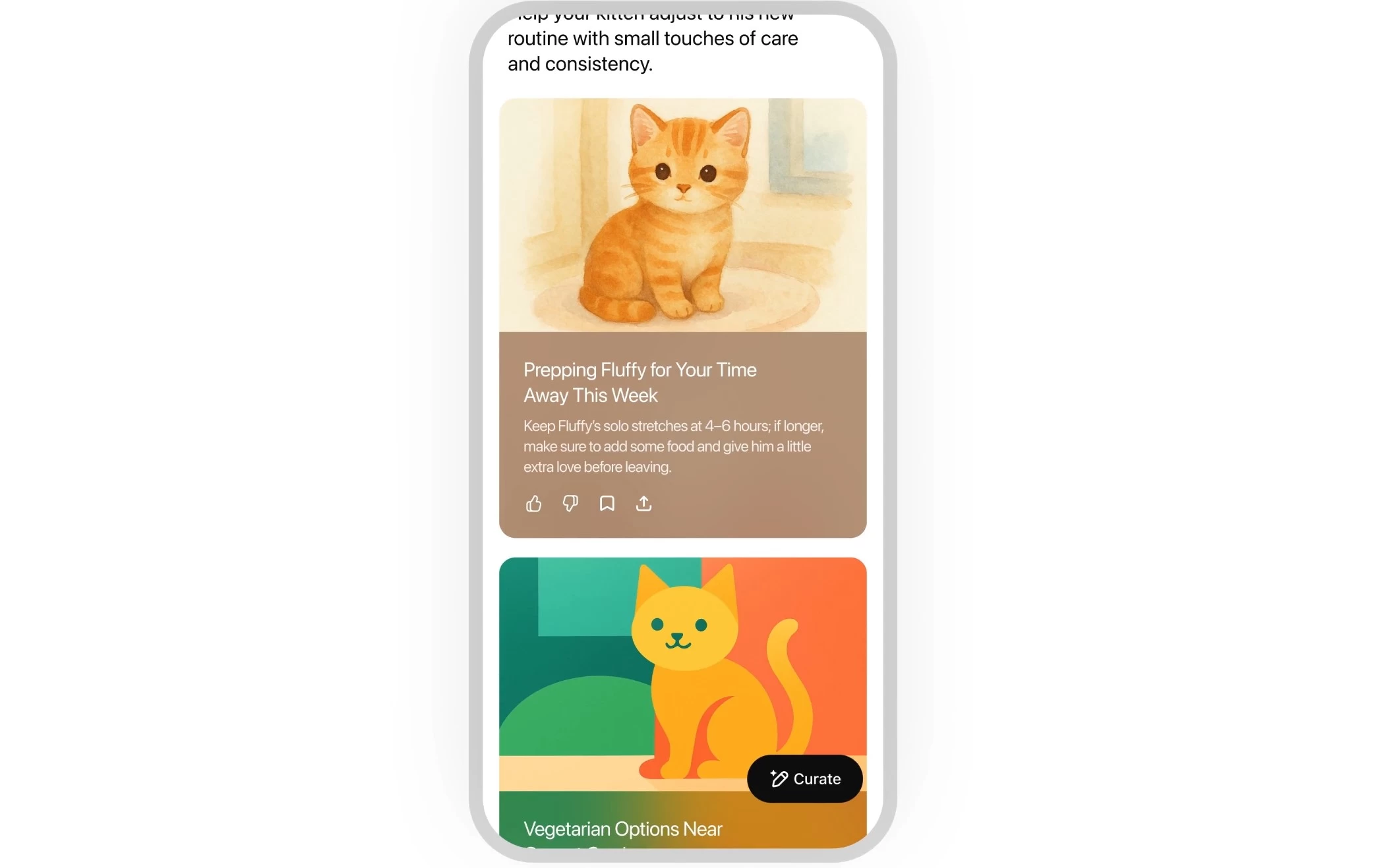
Here’s how ChatGPT Pulse works:
- Each night, ChatGPT conducts asynchronous research based on information from a user’s memory, chat history, and direct feedback.
- In the morning, it delivers personalized updates based on that research.
- If users have connected their ChatGPT account with Gmail and Google Calendar, they’ll receive additional context for more relevant suggestions. For example, ChatGPT can remind you to buy a gift for a friend’s upcoming birthday later in the week.
- Finally, users can further personalize their Pulse feed by tapping the “Curate” button and letting ChatGPT know what they want to see in future editions of Pulse.
In the future, ChatGPT Pulse will be able to connect with more third-party services. OpenAI is also exploring ways for Pulse to deliver the right information to users throughout the day.
ChatGPT Pulse is now rolling out in preview to ChatGPT Pro subscribers. Based on feedback, OpenAI will refine the feature before making it available to all ChatGPT Plus users.