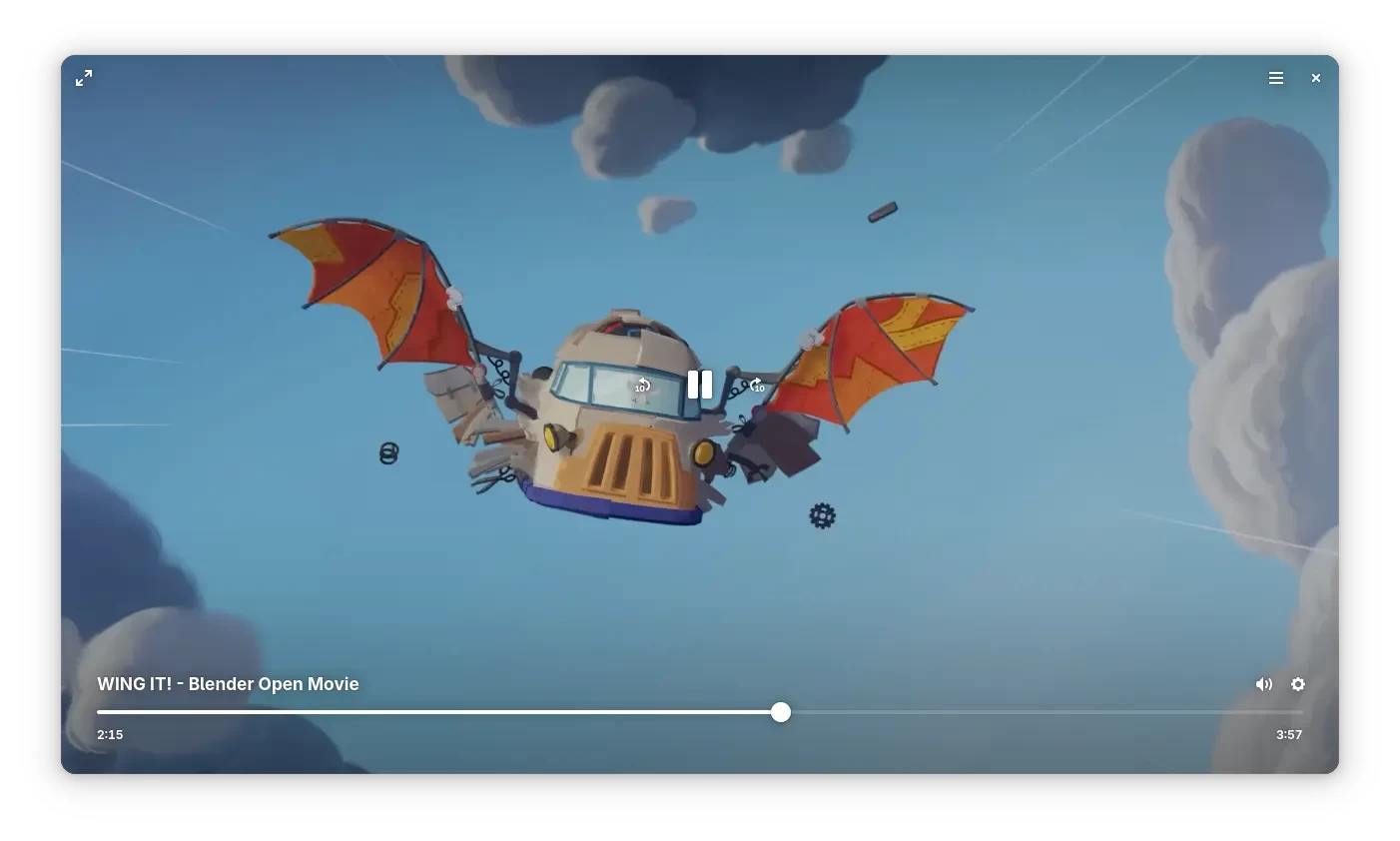
The GNOME project has announced the release of GNOME 49, codenamed Brescia, following six months of development. In this update, two long-standing GNOME apps, Totem (a video player) and Evince (a PDF reader) have been replaced by Showtime (now called Video Player) and Papers. Both of the new apps are built on the modern GTK 4 and libAdwaita frameworks, replacing the older GTK 3 base.
Video Player aims to deliver a distraction-free, chromeless interface, and Papers uses a streamlined design with PDF annotation and digital signature integration. While both of these apps are new, they still maintain the core functions that users expect.
Also updated in GNOME 49 is the Calendar app, which is now fully accessible to keyboard-only and assistive technology users. While accessibility features may not be a big concern to many people, they can mean a world of difference for those who do rely on them, so this is a notable improvement.
There are also over 100 bug fixes and new features in GNOME’s default internet browser, Web Browser. These include better ad blocking, a new site-specific menu, and enhanced security features. There are also performance improvements in the Software app, which now uses less memory and speeds up parsing data from large Flatpak repositories - this is major because, as anyone knows who has used GNOME, the Software app can be a huge pain point due to its slowness.
This wouldn’t be a new GNOME release without new wallpapers. GNOME 49 introduces a new HDR wallpaper catalog, enabled by improvements in the Mutter window manager and Glycin image loading backend. This update also features enhanced remote desktop capabilities, including support for multitouch input, relative mouse input, and extended virtual monitors.
Other key improvements include lock screen media controls, a more prominent accessibility menu, and new HDR brightness controls. There are also new third-party apps included in GNOME Circle, Mahjongg and Wordbook.
While GNOME 49 is now available, the recommended course of action is to wait until an official distribution packages it. If you can’t wait, you can try out the GNOME OS image, however, this is nightly software and not stable enough to run on a production computer.