



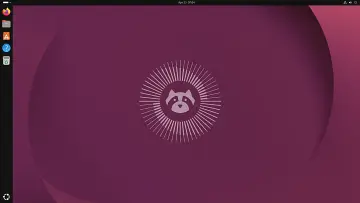
The Resolute Raccoon has arrived as Ubuntu's 11th LTS release. Discover how the shift to Linux 7.0 and native AI toolkits transforms performance on the latest Intel and NVIDIA hardware.
Gnome RSS

GNOME 50 comes with a lot of goodies, like improved NVIDIA performance and enhanced parental controls, but the popular Google Drive integration in Nautilus has been removed.
GNOME 49 is here. This new release overhauls two core apps and brings major performance boosts.
Google's Project Zero team has publicly disclosed a UAF flaw in the popular libxslt library following GNOME's inability to fix it within 90 days of private reporting.

Evolution Mail recently came under fire for allegedly ignoring a privacy flaw. Now, the GNOME developers behind the project are pushing back against the sysadmin who reported it.
GNU/Linux is often praised as a privacy-respecting operating system. Now, one of its most popular email clients has been found to contain a security flaw that the developers seem unwilling to address.
GNOME 49 Alpha has been released, with new applications replacing older ones and changes to the display server protocol that X11 fans may not be happy about.

A new issue of This Week in GNOME (TWIG) has been released, highlighting several bug fixes and new third-party apps.
GNOME, the popular Linux desktop environment, is continually getting updates. Here's how the project improved this week, including the release of Tuner, an extensible control center.

The Fedora project has decided to retire X11 sessions for the GNOME version in Fedora 43 in favor of Wayland.

It's almost time to bid farewell to Totem, the longtime GNOME video player that's been part of the desktop since 2005, and welcome its successor in GNOME 49.

GNOME 48 is now stable after six months of development. It comes with lots of new features including the first font refresh in 14 years.

The latest GNOME release introduces accent colors, system enhancements, and new dialogs, making it a must-try for customization enthusiasts and casual users alike.

The GNOME Foundation has showed off some more work that it has been doing this week including more improvements to the new GNOME Setup and accent colour support in libadwaita. Read on for more.
More work has been done on the new GNOME OS installer. It now has a GitLab repository for the code and the basic layout and internals have made decent progress. Check the video to see it in action.
Developers working on GNOME improvements have been busy this week. They have been working on Nautilus improvements, a brand new installer, improvements to the Orca screen reader, and more.

GNOME 47 will be coming out on September 18, according to the latest update to the GNOME release schedule. The first point release will land four weeks later instead of the usual five weeks.

The GNOME Project has released GNOME 46 codenamed Kathmandu. Users won't have to wait long to try it with Ubuntu 24.04 LTS Noble Numbat and Fedora 40 both shipping with it just next month.
The GNOME Project has released GNOME 44 today with improvements to the Settings app, the quick settings menu, and the Software app. Linux distributions will eventually ship this new GNOME release.

Vanilla OS will move to a Debian base in its next release, according to the developers behind the project. The team outlined several good reasons for deciding on the change, read on to learn more.

Fedora 37 is now available for download by the public. This release includes two new Editions - Fedora CoreOS and Fedora Cloud. The Workstation edition features the latest GNOME 43.

Canonical has released Ubuntu 22.04 LTS. It comes with some of the latest GNOME desktop enhancements, a more modern Linux kernel, and a new logo. It will receive updates until 2027.

Canonical has released Ubuntu 21.10 with the Linux 5.13 kernel and GNOME 40. Firefox is now packaged as a snap that's managed directly by Mozilla and Canonical so updates should arrive quicker.

The Fedora Project has made Fedora 34 beta available for download. This version comes with GNOME 40, PipeWire, and transparent compression in BTRFS which will extend the life of SSDs.

Mozilla has released Firefox 84. It brings WebRender to more systems including some Linux computers, it's the last version to support Adobe Flash and it now supports Apple Silicon CPUs natively.

This short guide will show you how to create encrypted partitions on USB devices, external hard drives, and internal hard drives using the GNOME Disks tool found on popular Linux distributions.

The GNOME project has announced Circle, a programme that it hopes will allow it to build its developer outreach. Circle lowers the barriers for developers that want to be a part of the GNOME project.

Fedora 33 has been released bringing with it GNOME 3.38, the BTRFS filesystem as default, and updates to many software packages including Python, Ruby on Rails, and Perl. It's ready for download now.

The Fedora Project has announced the availability of Fedora 32. It includes a raft of new software packages, introduces GNOME 3.36, and includes EarlyOOM which stops low-memory systems from hanging.

Red Hat Inc. has just released Red Hat Enterprise Linux 8, the first major update to the operating system since 2014. Full support for RHEL 8 will be delivered to customers until May 2024.

Canonical has joined the GNOME Foundation's advisory board following its decision to dump Unity and switch back to GNOME as its primary environment in Ubuntu. It'll give money and advice to GNOME.

The Librem 5's crowdfunding campaign has finally come to a close after two months. The campaign managed to bring in a huge $2.1 million, well past the initial target of $1.5 million.
Canonical has announced the second Ubuntu release this year. Ubuntu 17.10 switches over to the GNOME desktop and Wayland display server to allow for bugs to be worked out before the next LTS release.

Ubuntu 17.10 will arrive with the GNOME desktop set to default. It looks as though Canonical has begun working on a new dock project to keep Ubuntu familiar to existing users that have used Unity.
When Ubuntu 17.10 launches with GNOME in October, it'll move the window controls back to the right, exactly where they used to be prior to 2010 when Canonical started pushing the Unity desktop.

A new vulnerability that impacts Linux systems has been discovered by a researcher. The vulnerability, which affects the GNOME Files file manager, has already been patched by the Debian Project.
Ubuntu 17.10 is shaping up to be a big upgrade, unlike 17.04. The release is now expected to ship with GNOME, Wayland, and possibly GDM. Unity 8, and Upstart will also be booted from the repos.

Canonical has decided to give up on its hope to bring about convergence across all types of devices and has announced it will move to GNOME in Ubuntu 18.04. Canonical will now focus on IoT and cloud.

Linux allows you to fully customize not only the look and feel of your desktop, but also its functionality. Here's a brief overview of the most popular Linux desktop environments to get you started.

Three months ago, Debian's developers chose to replace GNOME with the Xfce desktop environment. It seems that the next release will use GNOME 3 after all, just like Linus Torvalds himself now



Microsoft explains why PowerToys 0.100.0 is faster and slimmer, there are new features too

Windows 11 KB5094126 June 2026 Patch Tuesday update now available to download

Google Chrome is killing all uBlock Origin bypasses, Microsoft Edge, Opera to follow