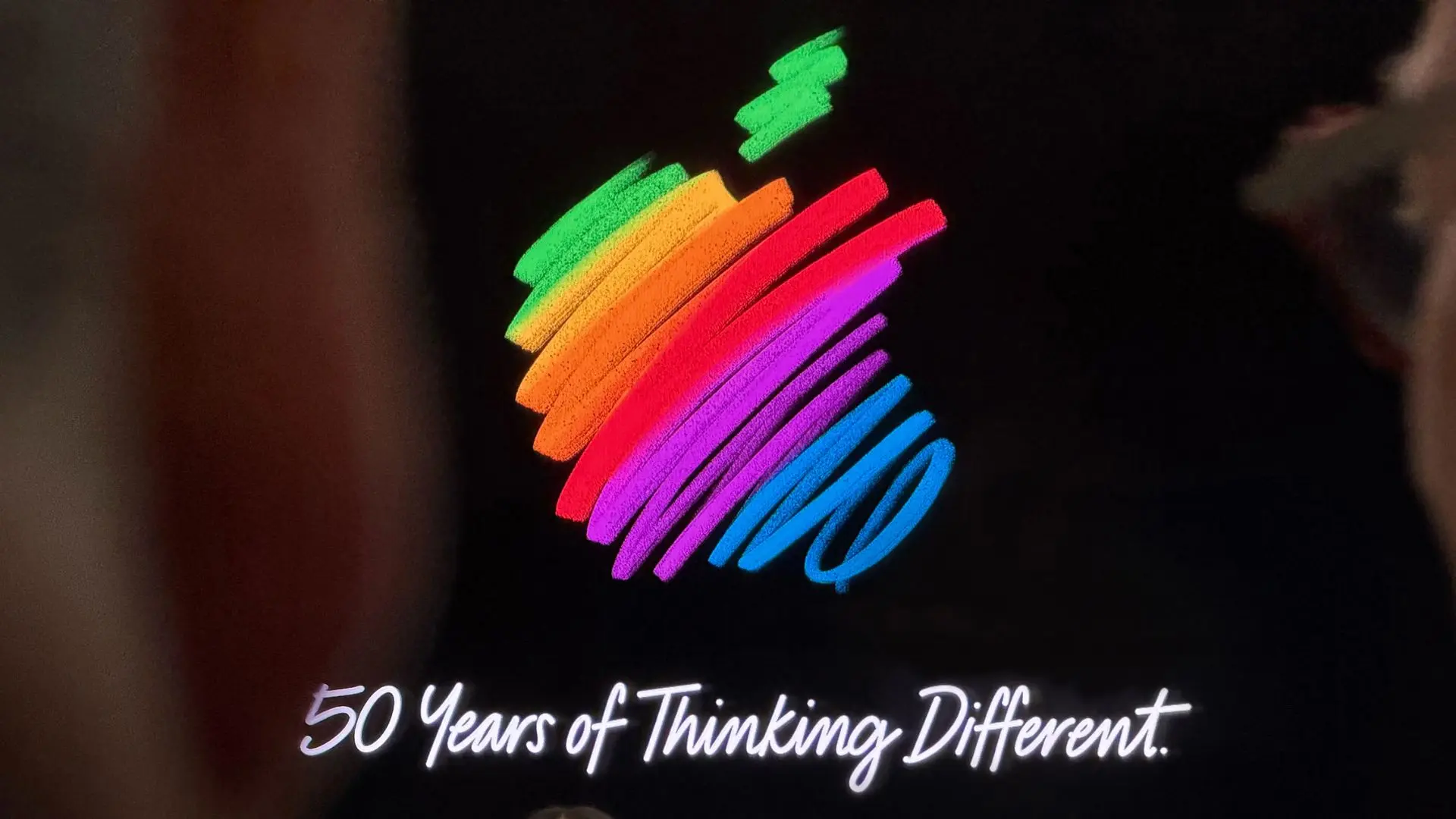
The Cupertino-based technology giant is having its biggest moment on April Fools" Day. It has turned 50 years old, having endured decades of ups and downs since the day two guys, Steve Jobs and Steve Wozniak, started the company in a home garage in Los Altos, California.
50 years of Apple, 50 years of innovation.
— Tim Cook (@tim_cook) April 1, 2026
Thank you to our teams, our users, and everyone who’s been part of the journey. #Apple50 pic.twitter.com/YYkMN24Vzc
It"s late co-founder Steve Jobs stole the show most of the time, but Apple has had too many bright minds who worked hard to turn the company into something people keep coming back to, even when it charges a premium for its products.
Try stacking your iPhone, iPad, and Mac on top of each other, and you"ll realize their rounded corners align perfectly. Or how the AirPods quickly switch audio source when you put down your iPhone or iPad and start using your Mac.
While Jobs was good at marketing, Woz was the tech innovator who designed the Apple I and Apple II. The duo had to sell Jobs" Volkswagen bus and Woz"s prized HP-65 calculator to pay for the earliest known green fiberglass Apple-1 prototype, the "Celebration" Board #0.

Apple got Mike Markkula as its first angel investor, who arranged funding to manufacture the Apple II and later became the second CEO of Apple. Former chief design officer Sir Jony Ive is one of the best-known faces in senior Apple leadership, known for designing many products, including the candy-colored iMac G3, iPad, and iPhone, and for playing a part in the "spaceship" Apple Park campus.
However, Tony Fadell was the one behind Apple"s iconic music player, widely known as the "Father of the iPod." Fadell oversaw several generations of the iPod before leaving Apple in 2008. His team also worked on an iPod-inspired operating system for the iPhone.
There was another multi-touch implementation led by Scott Forstall that eventually turned into iOS as we know it today. However, Forstall had to leave Apple after a major Apple Maps failure that led Tim Cook to post a public apology.
Phil Schiller, the former VP of Worldwide Marketing, joined the company in 1987 and became an Apple Fellow in 2020. Schiller was behind several leading products, including the App Store, and helped WWDC transition to a virtual format.
Craig Federighi (aka Hair Force One) is another face you might have seen quite a lot in iPhone launches and WWDC keynotes. Federighi is the SVP of Software Engineering, overseeing the development of iOS, iPadOS, macOS, and other Apple operating systems.
Eddy Cue also took on additional responsibilities after Forstall"s departure and has played a key role in Apple"s massive services business, including the iTunes Store, Apple Music, Apple Pay, the App Store, and more.
Former COO Jeff Williams also served a 27-year tenure at Apple before retiring in 2025, and was replaced by Sabih Khan. Williams played a big role in building Apple"s global supply chain and its health strategy.
The hardware engineering lead, John Ternus, is responsible for what goes inside your iPhone, iPad, Mac, or Apple Watch, and played an important role in the Apple Silicon transition. Ternus is widely seen as the next Apple CEO after Tim Cook steps down.
Apple"s history is so vast that it can"t be summed up in a single post. That"s why numerous books, TV shows, and movies have been produced to tell the tale of the company, currently valued at around $3.7 trillion in market capitalization. Apple fans are also eager to get their hands on memorabilia, including untouched iPhones, old Apple checks, and other artifacts that get auctioned for big money.
To celebrate its 50th birthday, Apple CEO Tim Cook published a letter titled "50 Years of Thinking Different" last month and shared a video on social media today. The company also hosted live performances at several Apple Store locations worldwide.