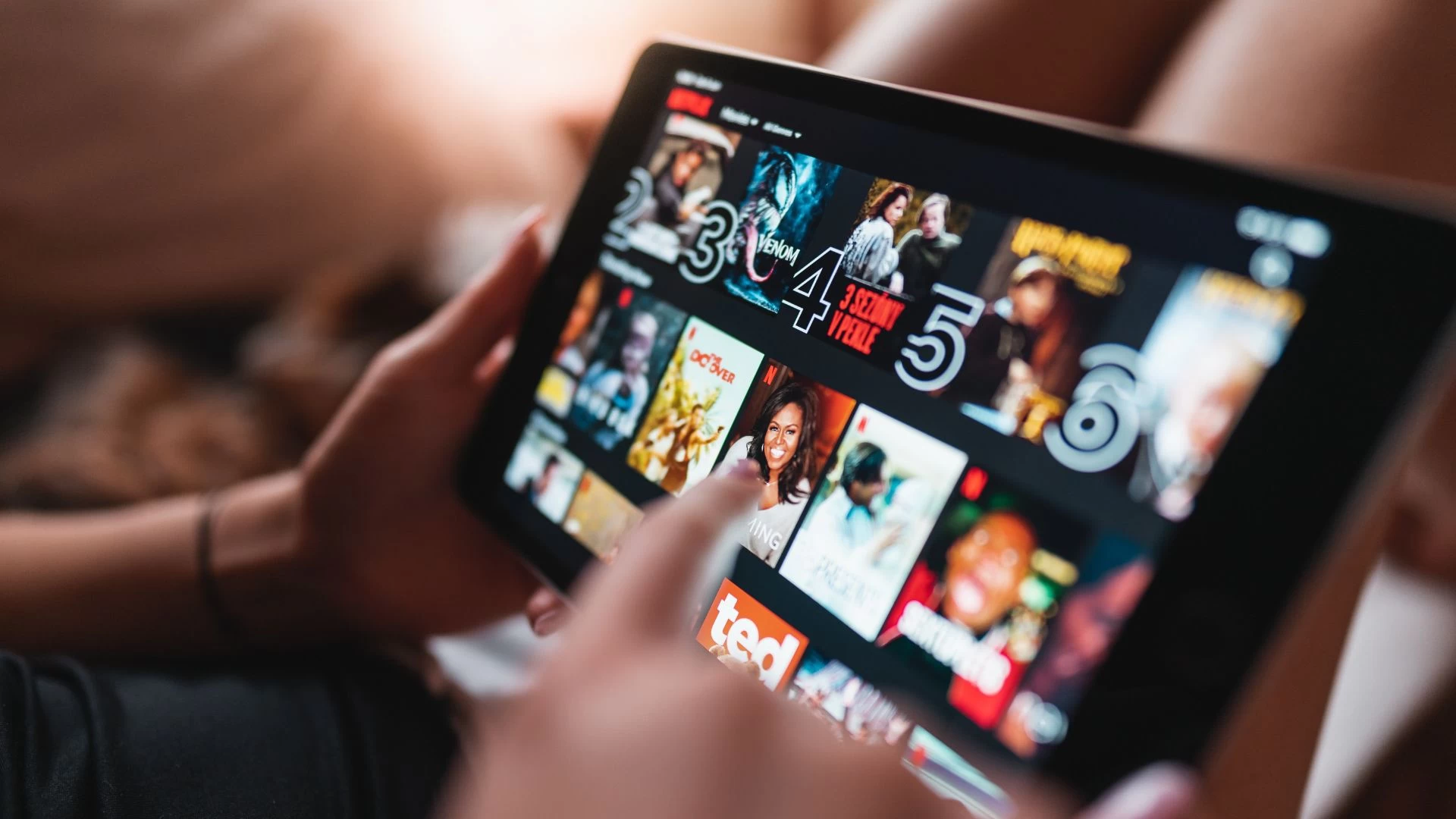
Netflix announced during its Q4 earnings call that it will redesign its app in 2026 with a TikTok-style vertical video feed. The feed will feature short-form clips from Netflix shows, movies, and podcasts, essentially turning Netflix into a doomscrolling platform.
The company has been experimenting with vertical feeds since May 2025, so this confirms the feature is moving beyond testing.
The feed will add another layer to Netflix"s approach to keeping users on the platform for as long as possible. It uses a well-studied playbook from social media apps: keep users hooked with a constant stream of short-form content and infinite scrolling. Each video can also serve as a trigger for redirecting users toward binge-watching a show or movie. Either way, users stay longer inside the app.
According to Netflix co-CEO Greg Peters, the goal is to "better serve the expansion of our business over the decade to come." Additionally, at a TechCrunch conference, CTO Elizabeth Stone insisted Netflix isn"t trying to become TikTok, but rather strengthen its "entertainment discovery capabilities through mobile-first features."
The timing works well in Netflix"s favor. As TikTok, Instagram, and YouTube face criticism for "AI slop" polluting their feeds, Netflix and similar platforms can offer verified clips from real shows and movies. Curated content immediately puts them at an advantage on the quality scale.
However, without user-generated content, the feed risks feeling too sterile and heavily moderated. Netflix needs to execute the short-form video section carefully, especially since its content is limited by exclusive deals.
According to industry reports, Netflix has been developing "second-screen shows" that deliberately reduce dialogue and story complexity to be more compatible with users" decreasing attention spans. Clips from these shows could become an integral part of the service’s new short-form section.
Netflix reported $45.2 billion in revenue for 2025, crossing 325 million paid subscriptions in Q4. Even profitable streaming services feel pressure to keep maximizing daily engagement on their platforms and adopt the same addictive mechanics that have made free social media apps so successful at capturing attention.
Source: TechCrunch