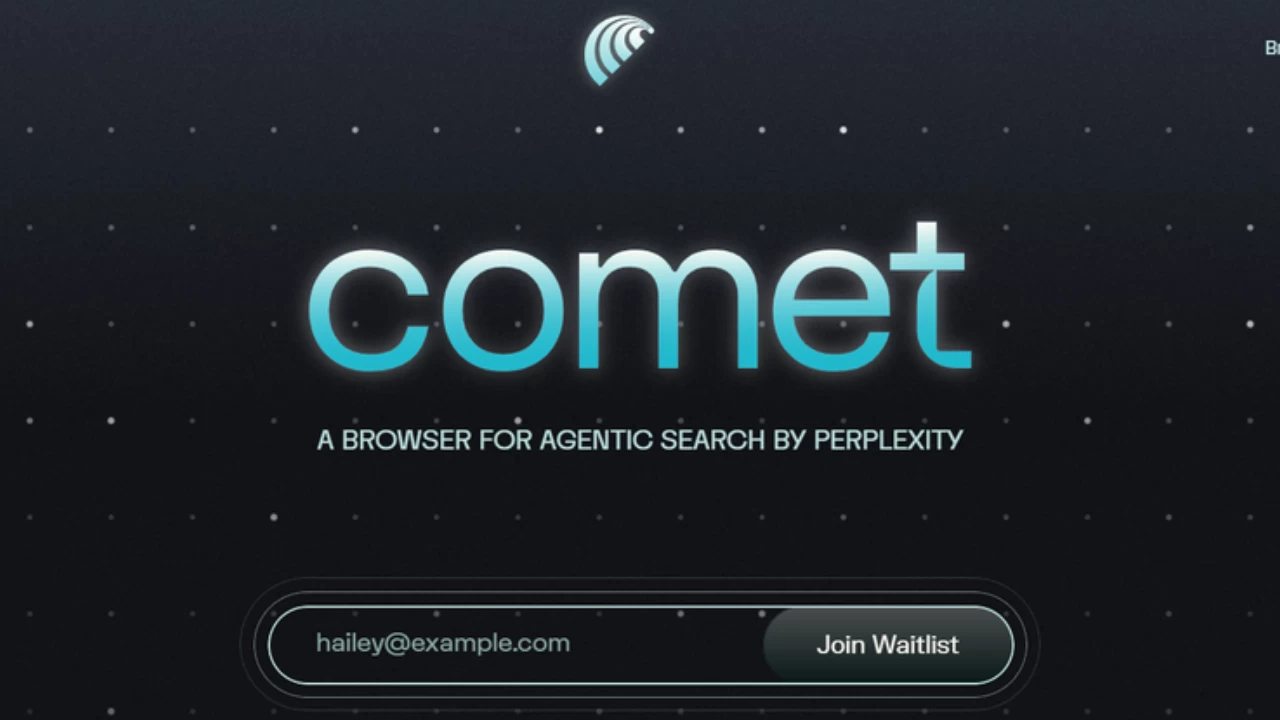
Perplexity's AI browser, Comet, is now rolling out globally for free to anyone who wants to try it. The company is taking on giants like Google Chrome by integrating its answer engine directly into the browsing experience.
If you're wondering what an "AI browser" means, it's basically a browser that uses artificial intelligence to help you with tasks. You can ask a question and get a full AI summary with sources, or you can highlight text on any webpage to get an instant explanation or summary, all of which Comet can do.
The browser launched back in July with a huge $200/month subscription price tag for its top-tier Max plan. Perplexity claims that since then, "millions" of people have signed up for its waitlist to get their hands on the software.
Comet is now available to everyone in the world.
— Perplexity (@perplexity_ai) October 2, 2025
In the last 84 days, millions have joined the Comet waitlist looking for a powerful personal AI assistant and new ways to use the internet.
The internet is better on Comet. pic.twitter.com/te82RnzssJ
According to TechCrunch, free users of the browser are limited to the sidecar assistant, but all users can access tools for personalized news, organizing projects, and getting assistance with shopping or travel. If you're subscribed to one of the paid plans, you get access to more powerful AI models. Max subscribers also get an email assistant that can draft replies and organize your inbox.
The background assistant can do things like send an email, add the cheapest tickets for a concert to your shopping cart, and find the best direct flight on a specific date. This functionality works with better connectors (integrations that allow Perplexity to access and work with other workplace apps and data sources on your computer).
Shortly after its July launch, there was a security vulnerability discovered by researchers who work for Brave, Comet's rival. Remember the webpage summarization feature? Turns out a malicious website could hide instructions in its text, invisible to the human eye.
When a user asked Comet to summarize that page, the AI would execute those hidden commands with the user's full authority. This could have exposed personal information, like the email address associated with the Perplexity account, or even pulled sensitive data from other open tabs. Brave disclosed the vulnerability to Perplexity, and the flaw has thankfully now been patched.
















9 Comments
Load the comments and join the conversation!
Read the comments, ask the editors questions, show respect and join the conversation.