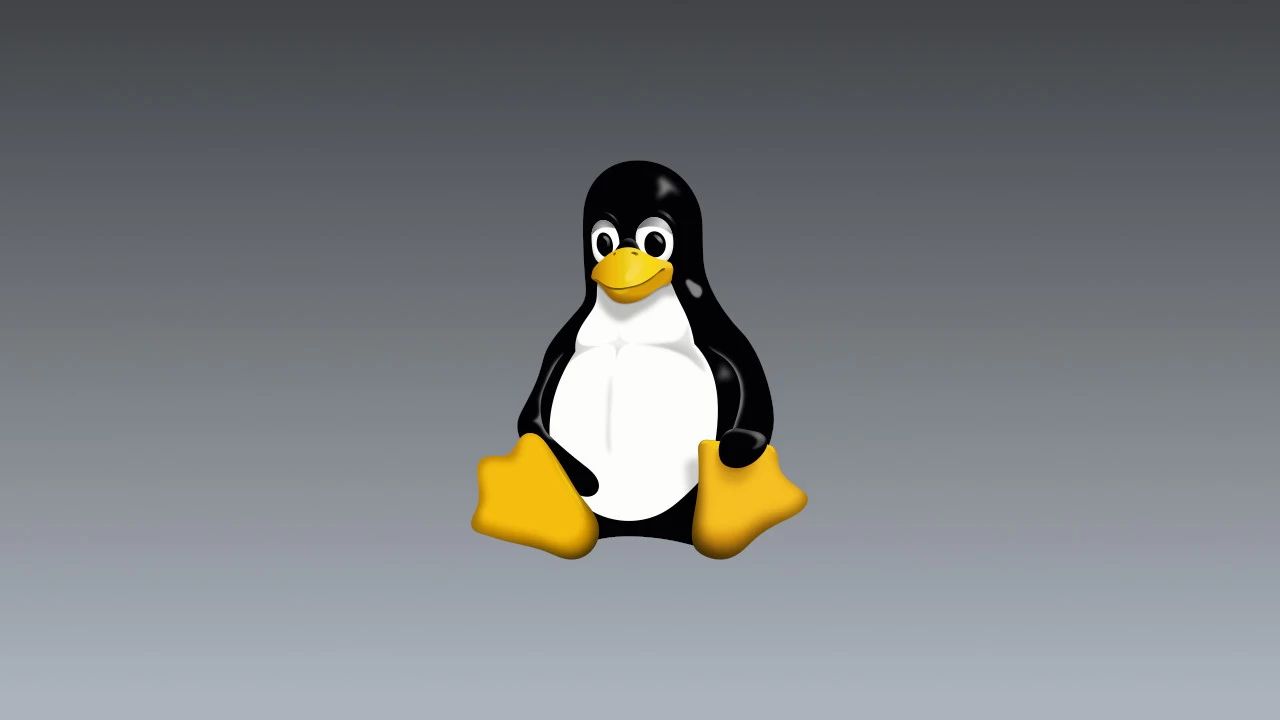
Linus Torvalds has just released what’s expected to be the final release candidate of Linux 7.1, rc7. The Linux founder said that this RC is not small, but smaller than recent releases, which is a good sign because he expects the stable version to drop next week if things continue on this trajectory.
Linux kernels see a merge window for the first two weeks of their life, where developers add new features, then there are about seven or eight weeks of release candidates before the stable version. Typically, there are seven release candidates, but if more time is needed, then an eighth release candidate is released too.
This week’s RC’s biggest area of fixes was for GPUs, with networking just behind. Torvalds said that the rest of the release was “pretty random and spread out” with some architecture fixes, driver fixes, filesystem improvements, and build fixes for more unusual configs.
In terms of specific pieces of hardware receiving improvements in this update, we had more AMD Zen6 models supported and fixes for AMD SDMA 7.1 and GFX11. Hardware that got improvements includes Lenovo laptops, HONOR laptops, and MSI laptops. Here are the changelogs for those:
- ASoC: amd: acp: Add DMI quirk for Lenovo Yoga Pro 7 15ASH11
- Input: atkbd - add DMI quirk for Lenovo Yoga Air 14 (83QK)
- Input: atkbd - skip deactivate for HONOR BCC-N's internal keyboard
- ASoC: amd: yc: Add MSI Raider A18 HX A9WJG to quirk table
- ASoC: amd: yc: Enable internal mic on MSI Bravo 17 C7VF
When the stable Linux 7.1 is released, it will be up to distribution maintainers, such as Canonical and Red Hat, to release the update to their users via the update manager. Some versions of Linux will get it before others, and some will never get it at all. Fedora and Arch-based distros will be among the first to get it, though. If you don’t get it, the security fixes will be backported to your system’s kernel, so you won’t be at risk, but you won’t get newer hardware support, which is fine if your computer works now.












0 Comments
Load the comments and join the conversation!
Read the comments, ask the editors questions, show respect and join the conversation.