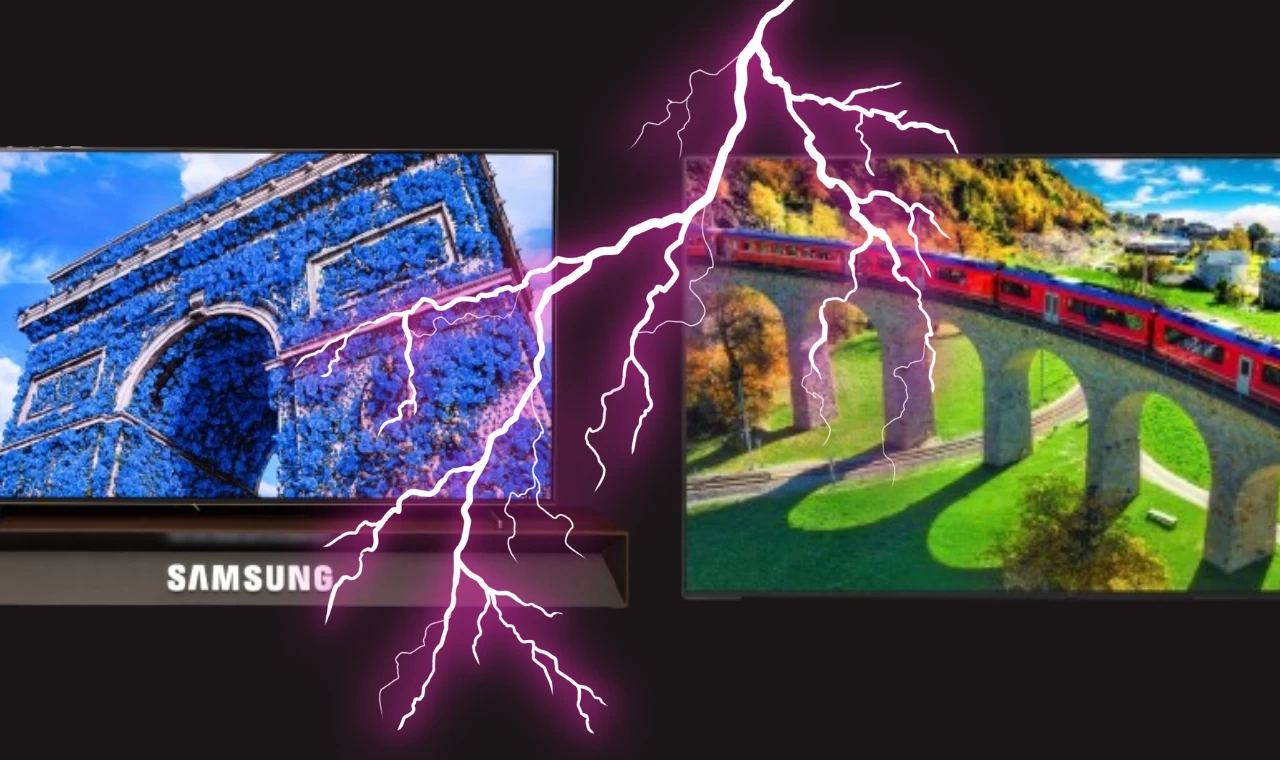
Samsung previously detailed the technology behind its first 115-inch Micro RGB TV when it debuted the display back in August. Now, the company has confirmed plans to expand its Micro RGB television lineup in 2026, introducing models in 55-, 65-, 75-, 85-, 100-, and 115-inch screen sizes. The move comes as rival LG also prepares to enter the Micro RGB space, setting the stage for direct competition in the ultra-premium TV segment.
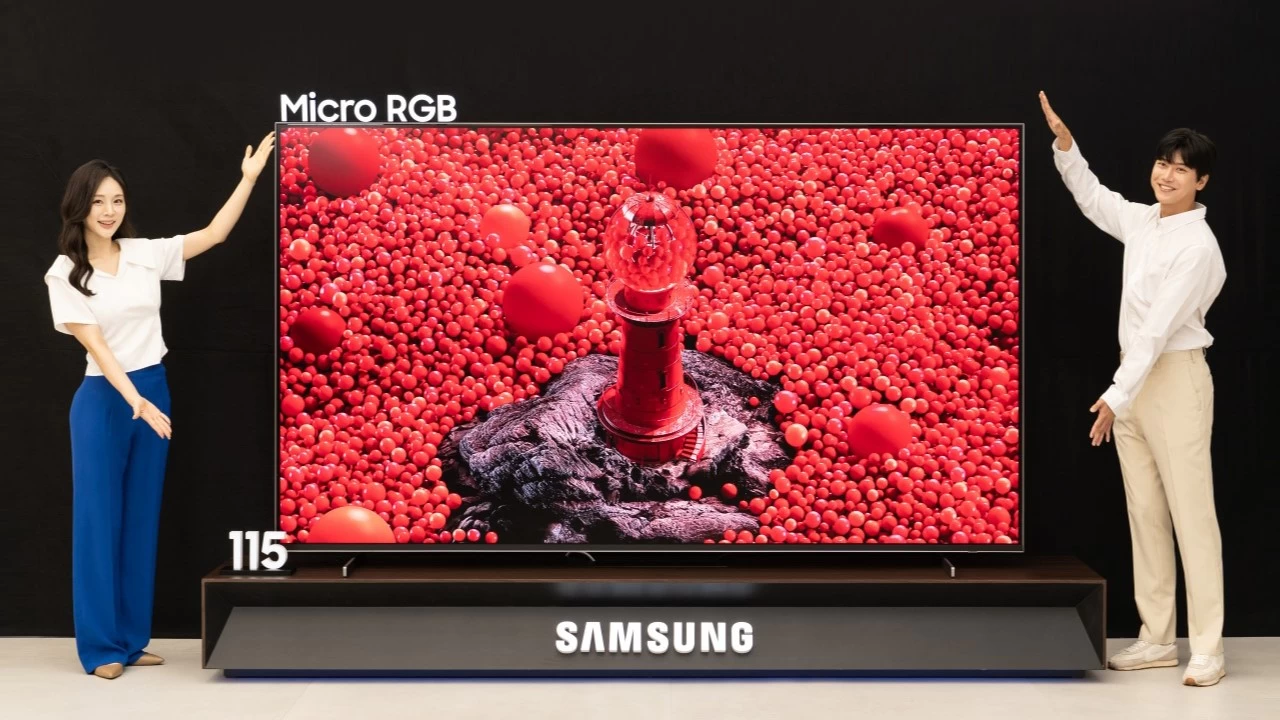
Samsung’s expanded Micro RGB range is intended to extend the company’s premium TV offering across a broader range of living spaces. At the heart of the new lineup is Samsung’s Micro RGB display architecture, which uses sub-100 micrometre red, green, and blue LEDs that emit light independently, allowing for precise light control and improved colour accuracy.
The 2026 models build on the company's existing 115-inch Micro RGB TV, adding new picture-processing enhancements such as 4K AI Upscaling Pro and AI Motion Enhancer Pro. Powering these features is the new Micro RGB AI Engine Pro, equipped with a next-generation AI chipset. The processor delivers frame-by-frame optimisation and introduces Micro RGB Colour Booster Pro and Micro RGB HDR Pro. The company says these technologies improve colour depth, contrast, and overall realism when viewing content.
Samsung says that it has also refined its light source technology with Micro RGB Precision Colour 100. Certified by VDE, the system achieves 100% coverage of the BT.2020 wide colour gamut, delivering high colour accuracy and brightness levels. Viewing comfort is also improved thanks to the tech giants' latest Glare Free technology, which should reduce reflections and preserve contrast in a range of lighting conditions.
In terms of audio performance, the new Micro RGB TVs support Dolby Atmos alongside Adaptive Sound Pro. Meanwhile, Q-Symphony allows the TV’s speakers to work in tandem with compatible Samsung sound systems. In addition, all 2026 Samsung TVs will feature Eclipsa Audio, a new spatial sound technology for 3D audio experiences.
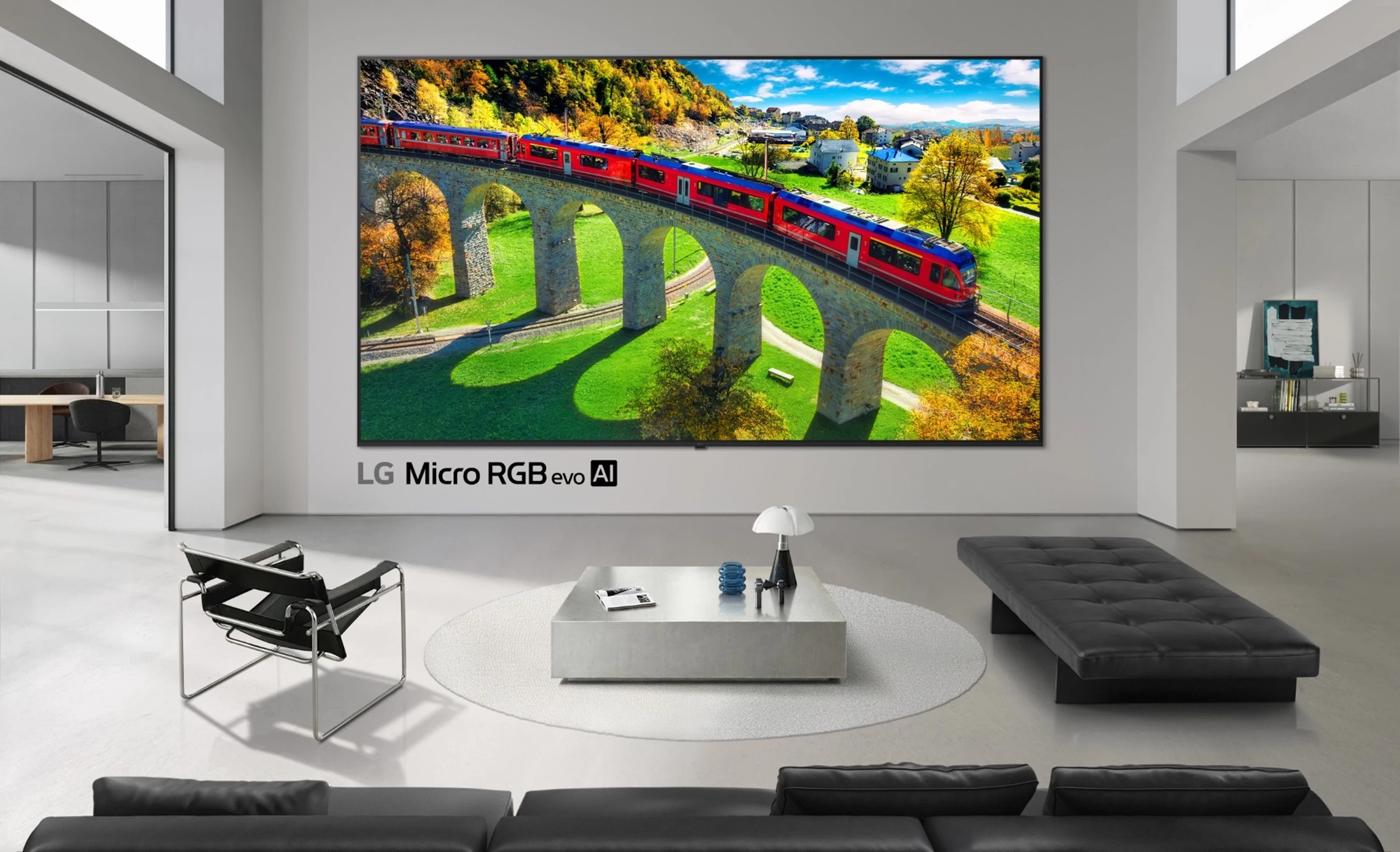
LG, meanwhile, has announced that it will unveil its first flagship Micro RGB TV, the LG Micro RGB evo, at CES 2026. LG positions its Micro RGB implementation as an evolution of its OLED expertise, applying OLED-style precision to the control of RGB LED backlights. The company says this brings more than a decade of OLED development into the LCD-based RGB category.
Powering LG’s Micro RGB evo is the new Dual AI Engine-based Alpha 11 AI Processor Gen 3, which features Dual Super Upscaling to process two AI upscaling methods simultaneously. The tech giant claims this approach improves sharpness while maintaining natural image balance. The display also introduces RGB Primary Colour Ultra, achieving 100% colour gamut coverage across BT.2020, DCI-P3, and Adobe RGB, with certification from Intertek.
LG’s dimming strategy uses Micro Dimming Ultra, which employs more than a thousand dimming zones to deliver high contrast performance with fine-grained brightness and colour control across dark and bright scenes. The LG Micro RGB evo (model MRGB95) will be available in 75-, 86-, and 100-inch sizes.
Beyond picture quality, both companies are emphasising AI-driven user experiences. Samsung is rolling out an upgraded Vision AI Companion with Bixby-based conversational search and personalised recommendations, while LG is focusing on its webOS platform, featuring Voice ID, AI Picture and Sound Wizard, and AI Concierge tools.
Both Samsung and LG will showcase their respective Micro RGB technologies at CES 2026 in Las Vegas, taking place from 6 to 9 January. With each company taking a distinct technical approach, Samsung refining RGB precision and processing, and LG blending RGB with OLED-style control, the premium TV market appears set for a high-profile Micro RGB rivalry in 2026.
















0 Comments
Load the comments and join the conversation!
Read the comments, ask the editors questions, show respect and join the conversation.