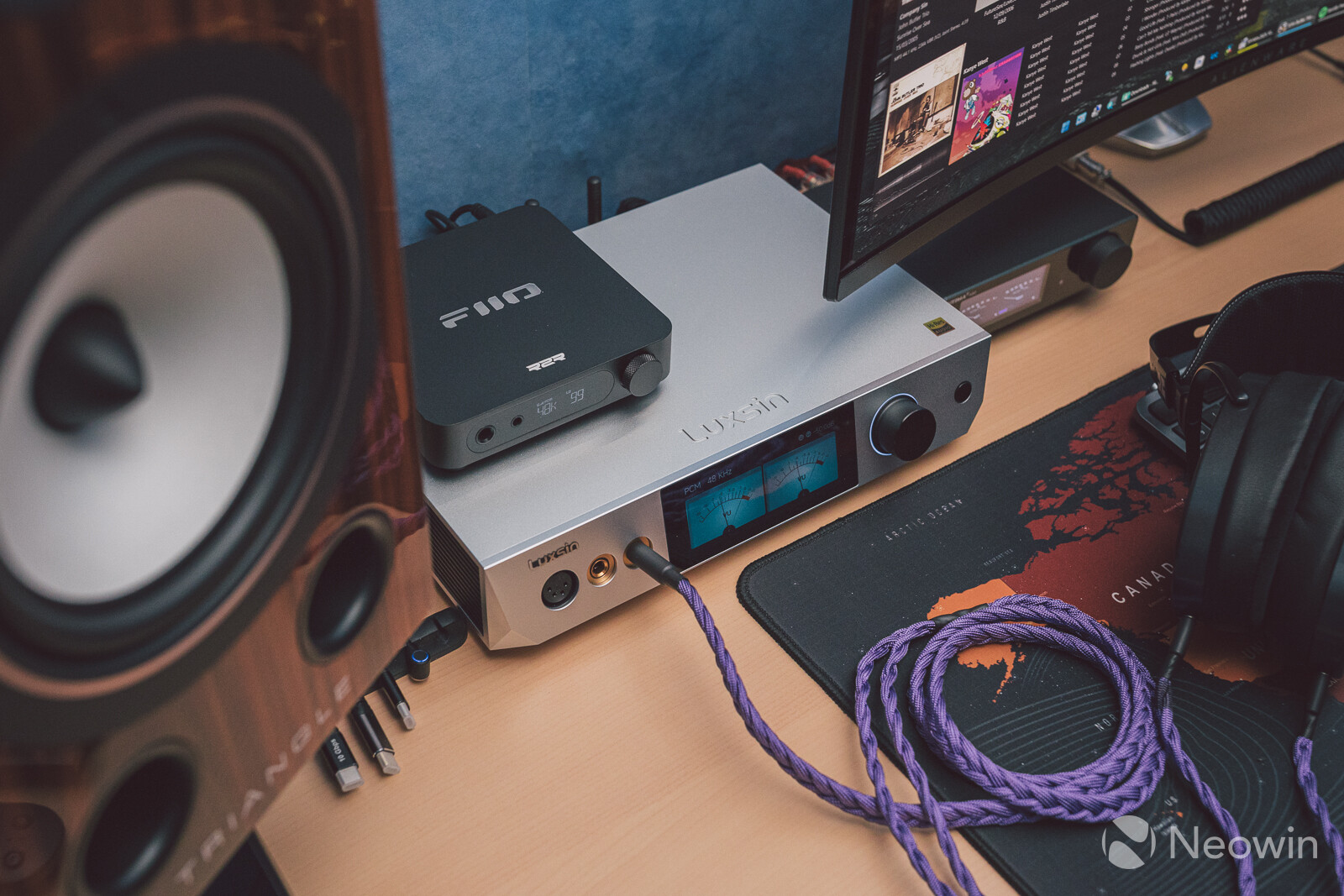
MIDI is a very important protocol leveraged by musicians to to create music using electronic instruments. Although it has existed since 1983, Microsoft has offered limited support for it. Now, it looks like the company is finally getting serious about supporting MIDI, as Windows 11 gets native support for MIDI 2.0, which was initially unveiled in 2020.
MIDI 2.0 offers several improvements over its predecessor, including, but not limited to, bidirectional communication, automatic device discovery and protocol setup, uncapped speeds, intentional high-resolution controllers, per-note articulation, self-describing devices, and more. Although it is a major upgrade, it is still important to support MIDI 1.0 for backward compatibility reasons.
This is why Microsoft has implemented its Windows MIDI Services stack, which includes a rebuild of MIDI 1.0 support to modernize it, while also offering support for MIDI 2.0. This combined stack is native in Windows 11 and we already know that Microsoft began previewing it in the Canary build 27788 which began rolling out a couple of weeks ago.
The new MIDI infrastructure in Windows includes support for "multi-client", which enables multiple apps to use the same MIDI port/device at the same time. That means that you no longer need to rely on vendor-specific drivers to achieve the same purpose. Furthermore, MIDI 1.0 now has better port names, and also introduces additional metadata for endpoints. All of this can be configured through the MIDI Settings app, which will be available as an optional download soon.
Other enhancements include:
- Connecting apps with built-in loopback and app-to-app MIDI
- Using any device with any app with automatic MIDI 2.0 translation and scaling
- Getting tighter message timings with timestamps and scheduled messages
- Using new devices with the new MIDI 1.0 and MIDI 2.0 USB class driver
- Tools and MIDI scripting
Of course, this is only a summary of some of the advancements in the Windows MIDI stack, and if you're a true audiophile or a musician, we would highly encourage you to check our Microsoft's detailed blog post.
Microsoft's focus with building the MIDI stack this time around is to implement it in the "open", where it can get direct feedback from the community. As such, it has offered a public GitHub repository where you can contribute and also set up a Discord server for active collaboration and discussions.













18 Comments
Load the comments and join the conversation!
Read the comments, ask the editors questions, show respect and join the conversation.