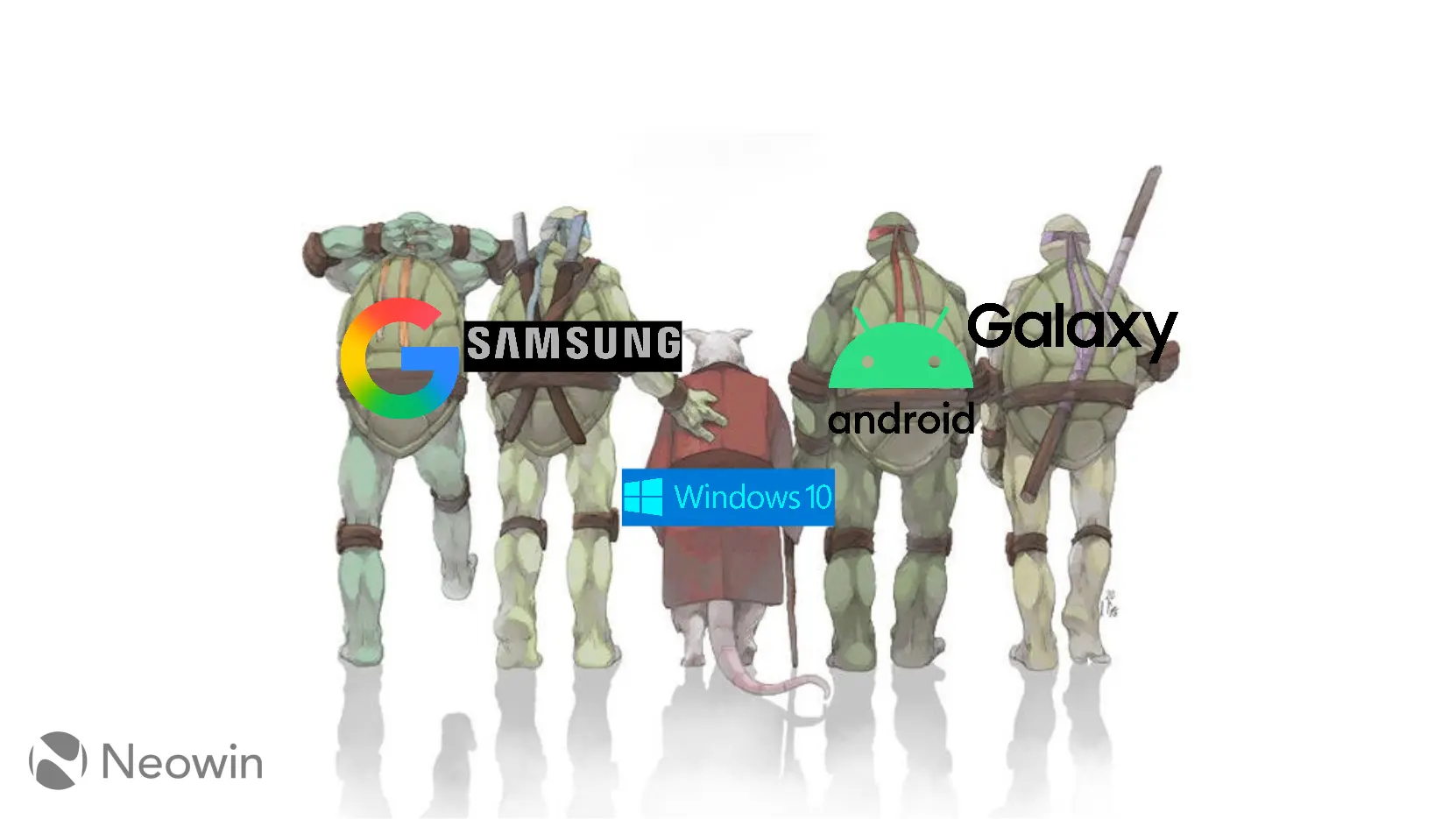
Back in 2015 and 2016, Microsoft had a bright vision for Windows 10 Mobile. It was supposed to be the stepping stone for Windows Phone to gain wider popularity and finally rival Android and iOS on the market. Still, Microsoft believed that a mobile OS alone wasn’t enough, so it came up with a bunch of supporting projects to make Windows 10 Mobile a truly unique experience.
One of the most interesting projects from that era was Microsoft Continuum. You would plug your Lumia into a display dock, connect it to a monitor, and your smartphone would become a full desktop PC. It was a brilliant concept that ultimately blended in with the grand failure of Microsoft’s entire mobile division. Microsoft Continuum was simply the right idea at the wrong time.
Fast forward a decade, and it seems that the time may finally be right, as Google is officially bringing that exact dream to life.
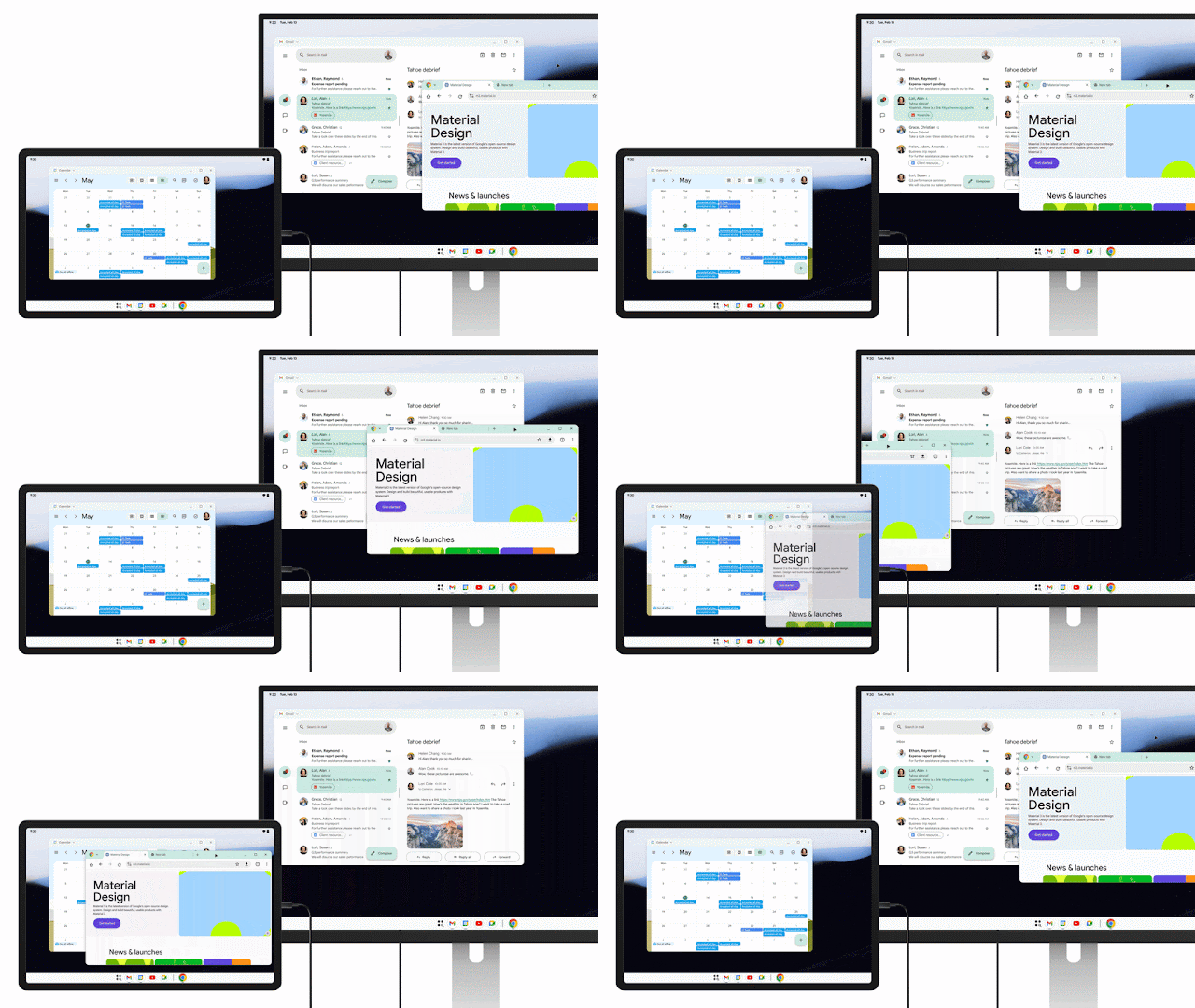
With the release of Android 16 QPR3, Google announced today that "connected display support" is now generally available. This means that plugging a supported Android device into an external monitor doesn’t just mirror your phone screen. Instead, Android launches a full desktop session with a taskbar and resizable windows.
If you connect a tablet that supports desktop windowing, the setup becomes a true dual-monitor rig. The desktop extends across both screens, and you can easily move windows from one display to another. With how powerful current handheld devices are, this could legitimately become a workstation for tasks that don’t require high-end desktop components. To complete the desktop experience, the setup also supports external keyboards, mice, and trackpads.
Unlike Microsoft 10 years ago, Google now has a much better support system to actually bring this feature to life. Google partnered with Samsung to bring connected display support to all supported Pixel and Samsung devices. Currently, the feature is available on the Pixel 8, Pixel 9, and the new Pixel 10 series, along with recent Samsung devices like the S26, Fold7, Flip7, and Tab S11. Google also released an extensive guide for developers to adjust their apps to fully support connected displays.
If this concept proves to be popular among users, it will also validate the idea of Microsoft Continuum. And if you want to relive the entire Windows Phone experience again, check out this cool project that keeps the idea of Windows running on a smartphone alive.















2 Comments
Load the comments and join the conversation!
Read the comments, ask the editors questions, show respect and join the conversation.