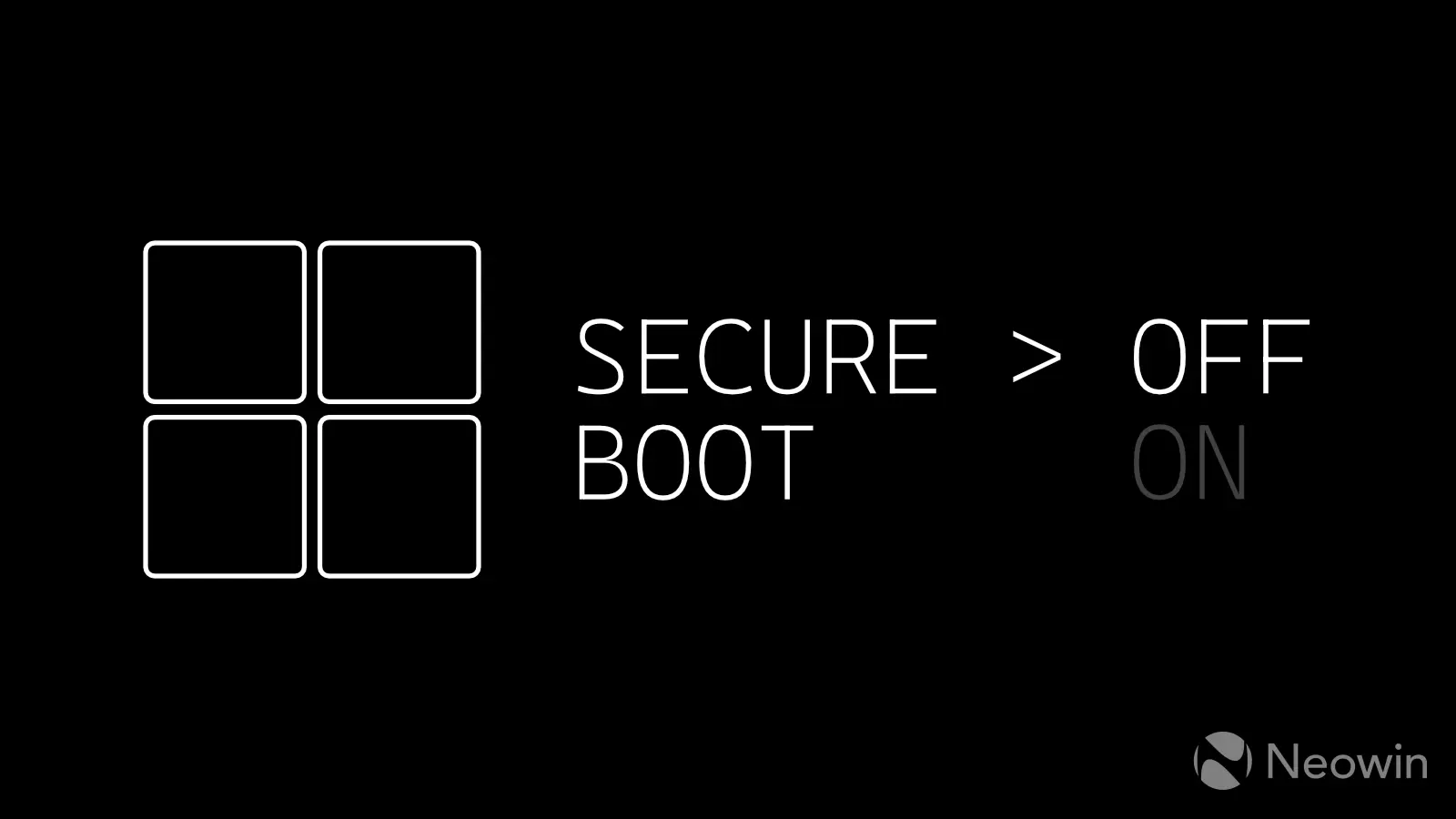
Story time. A couple of weeks ago, I experienced a very odd thing with my computers. I was trying to reinstall Windows 11 on my primary device, and everything was going smoothly until the installer performed the first restart. After that, my computer entered the boot disk selection screen instead of continuing the setup process.
Huh, that's odd, said I, and selected Windows Boot Manager only to see it fall back into the same screen right away. Then I tried booting from the USB drive with the same result—the PC kept returning to the boot device selection screen, and removing the drive would send my PC to UEFI, again, with no way to launch Windows 11.
I fired up my spare laptop, which has been sitting unused for quite a while, to see if I am dealing with a defective USB drive. Nope, Windows 11 installed and started without issues. After trying another drive and checking all the possible settings in UEFI, I decided to try disabling Secure Boot. Lo and behold, Windows 11 started as it should have been in the first place, continued the setup process, and reached the initial setup screen. Victory!
After I finished the setup and applied all updates, I re-enabled Secure Boot, and Windows 11 started without issues.
Some time later, I tried reinstalling Windows 11 on my laptop only to experience similar issues, with UEFI claiming a Secure Boot violation. I checked whether the drive works on my main PC, and yes, it installed Windows 11 without errors. I scratched my head, went to UEFI, turned off Secure Boot, and installed Windows 11 without issues. After that, I enabled Secure Boot.
Note: I used the official Media Creation Tool app for my USB drive. Also, UEFI was properly configured for Windows 11, including no Legacy Mode, a GPT-partitioned drive, and TPM and Secure Boot enabled.
From my experience, if you are dealing with similar symptoms, I recommend two things:
- If you use old Windows 11 install media, create a new one with the latest Windows 11 release, especially if you know your PC already has the latest Secure Boot certificates.
- If you cannot create a new one, turn off Secure Boot, complete the installation, download all available updates, and then re-enable Secure Boot in UEFI. Note that you need to turn off Secure Boot after installing Windows 11. Otherwise, the installer won't run, claiming a hardware requirements mismatch.
I believe the problem hides in Secure Boot certificates that expire this month. Microsoft is currently rolling out new certificates, and maybe a mismatch was causing these issues for both of my systems. I am out of my depth to make a definitive statement; this article is flagged as "Opinion," as I only share my experience and some tips on how to fix the problem. If some of you possess deeper knowledge and understanding of the situation, please share it in the comments. As for everyone else struggling with computers not booting after a clean install, the two steps above should get you out of the pickle.















4 Comments
Load the comments and join the conversation!
Read the comments, ask the editors questions, show respect and join the conversation.