I discovered the headphones rabbit hole some two decades ago, and it has taken a long time to realise some important things to not only retain sanity, but also help stay on the event horizon of that hole and not fall right into it, never to escape.
It started with the Sennheiser HD650, a headphone that I owned for around twelve years. Throughout that ownership, I bought, returned and sold countless other headphones, yet I kept returning to the HD650. What I realised through this journey is that I became acclimated to a certain type of sound signature, and whilst technically better and more expensive headphones sounded fine, it wasn't /the/ sound that I had a preference for. The kicker here is that this preference can change over time as our musical tastes evolve, and our ears hear things differently as we age, too.
All part of the journey and all that.
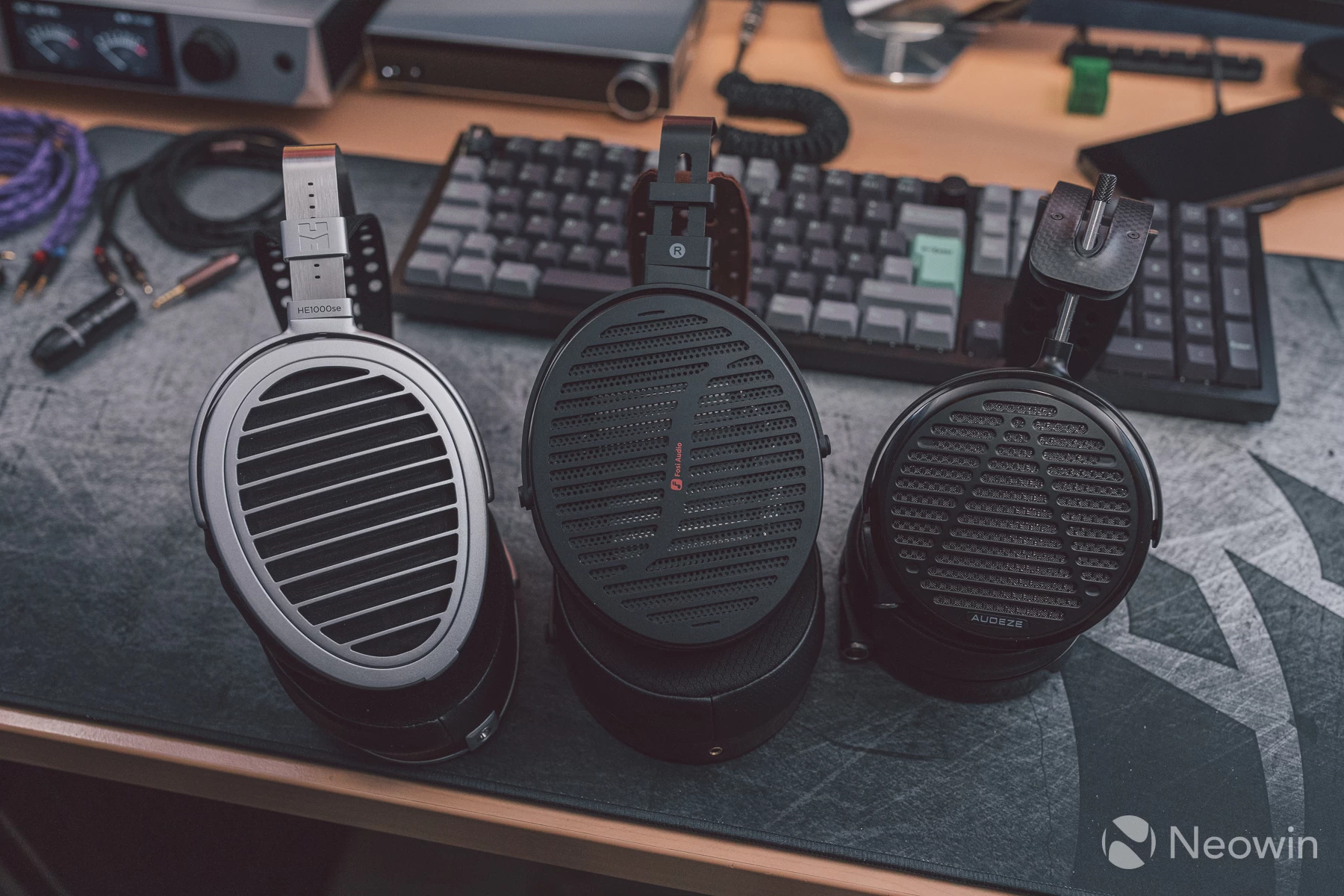
Fast forward to the present, and I find myself with three headphones that aim themselves at three distinct and wildly different price groups.
All three of these headphones employ planar magnetic drivers, and whilst planar headphones have been growing in popularity over the years, traditional dynamic drivers, such as the aforementioned HD650, still dominate the market.
There are pros and cons of both, but the key thing to keep in mind here is that planar headphones offer a richer sound with a wider frequency range. What type sounds better will vary from person to person and ultimately the type of audio being listened to.
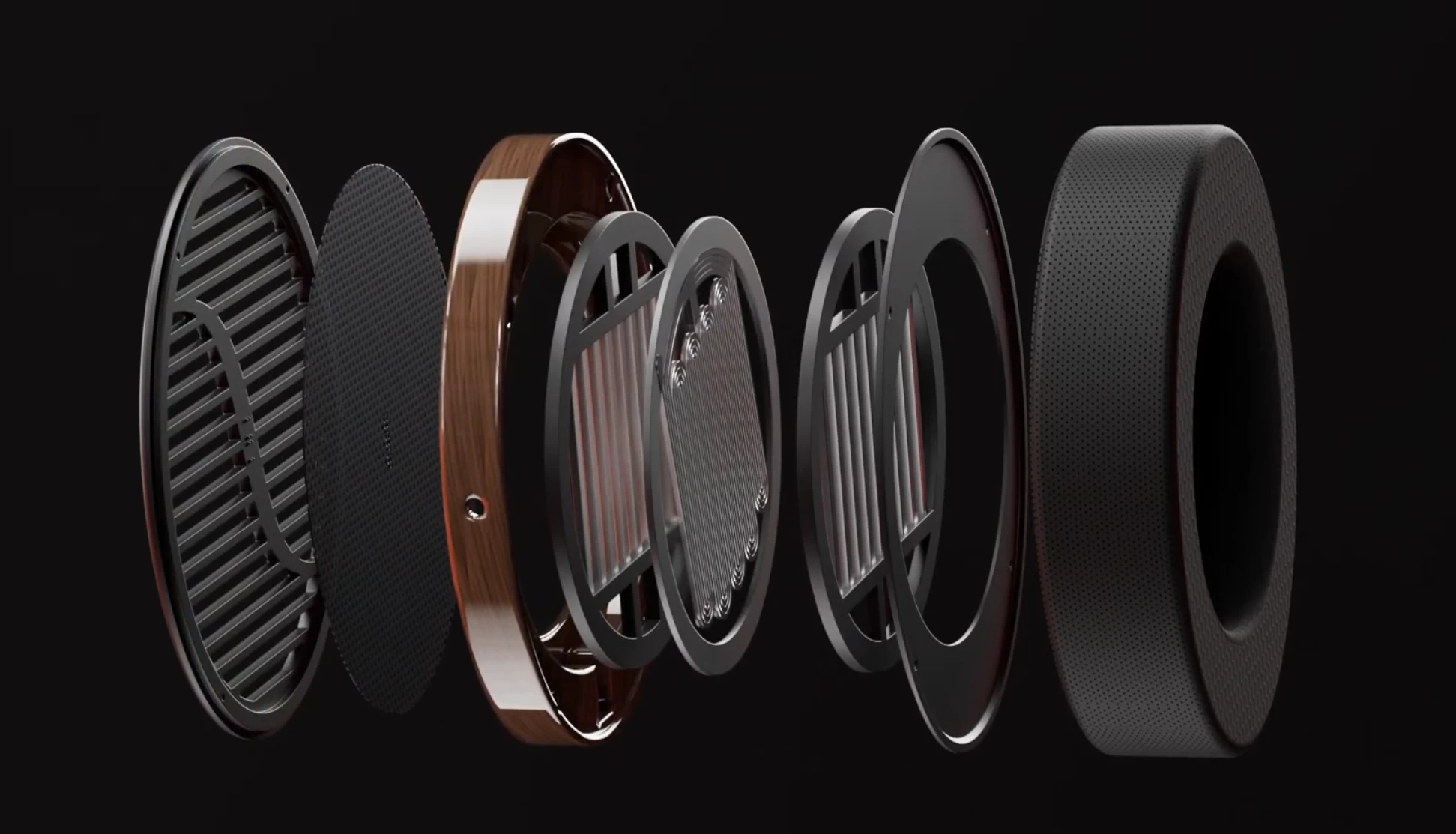
Instead of a cone being driven back and forth by a strong magnet, planar headphones operate using a very thin diaphragm sandwiched between an array of magnets on each side. The diaphragm is what vibrates to produce sound, whilst dynamic drivers are essentially small speakers inside each ear cup (why aren't they officially called Ear Speakers anyway??).
The result with planar is usually a fuller bodied sound with incredible bass extension and a much wider frequency response, even though our human ears cannot hear the inner and outer reaches of these frequencies, the effect on the middle range we can hear can certainly be felt inside the head.
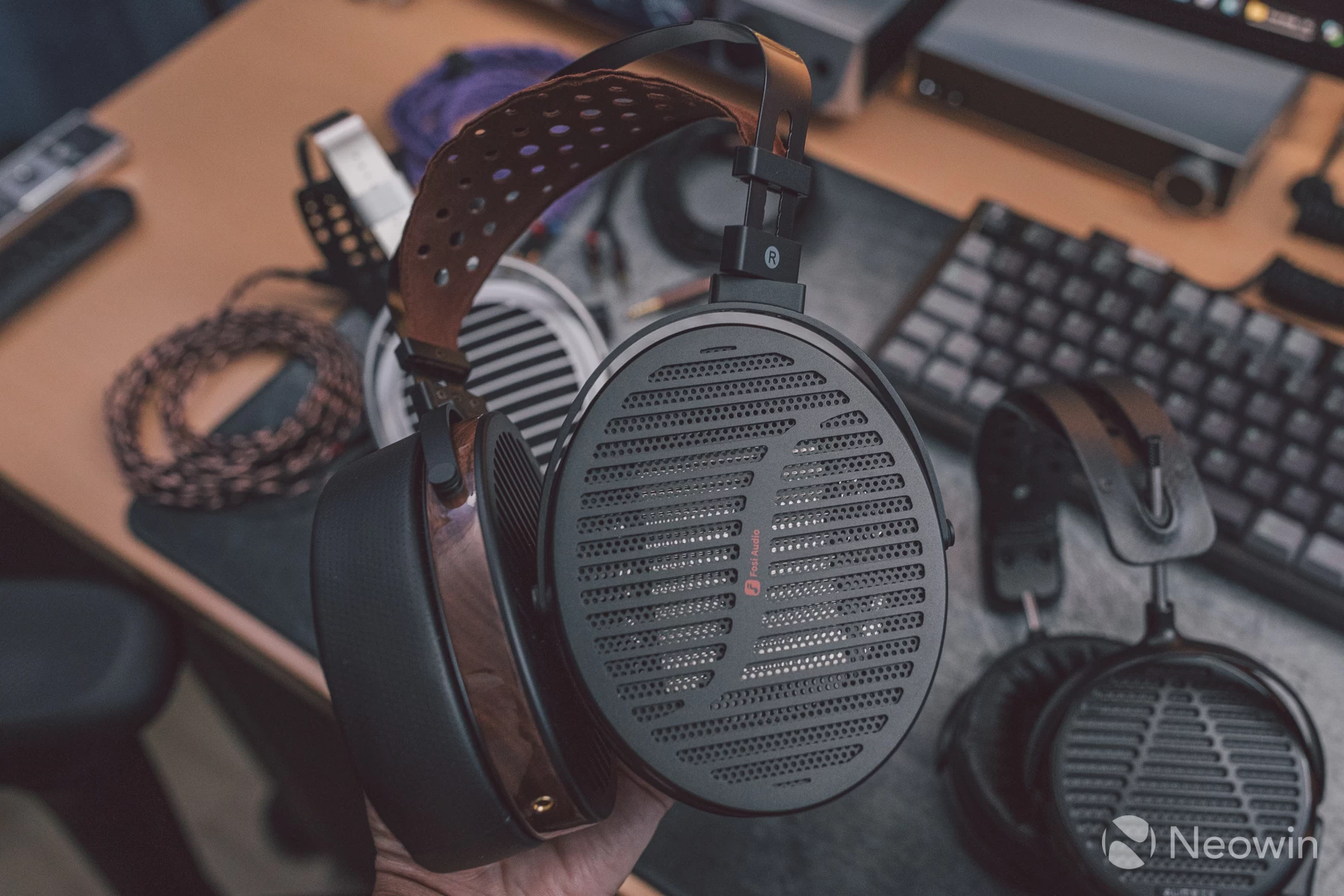
Fosi Audio's i5 is the first headphone release from a brand that has been in the audio business for several years now, producing some very popular products from DACs all the way up to monobloc power amplifiers and accessories, all priced competitively and receiving promising reviews around the web.
HiFiMAN and Audeze share their respective history and expertise, making planar magnetic headphones for nearly every budget. My first planar experience was actually with the HiFiMAN Sundara, some of the cheapest planar headphones available at the time, and highly popular. The HE1000se was previously the flagship headphones to have, launching at around $3500, but seeing the usual HiFiMAN price drop after a couple of years.
Today, the HE1000se can be had brand new for half that, with used prices even lower still. The current HiFiMAN flagship, though, is the Susvara which starts at a whopping minimum of $6000 for the non-Unveiled edition, want the Unveiled? That will be $8000, please.
I actually auditioned the Susvara recently to see what all the fuss was about, it's nice, but some characteristics such as the earpad comfort and thickness left me feeling unimpressed. It also became clear that circular earcups with this type of pad combination are not for me. The HE1000se shares the same build quality and headband, so the extra cost is going on the Susvara drivers and how scalable they are with more powerful amplification, and let me tell you, the $6100 amplifier the store had available to demo with was not powerful enough to drive the Susvara to levels I would consider loud enough.
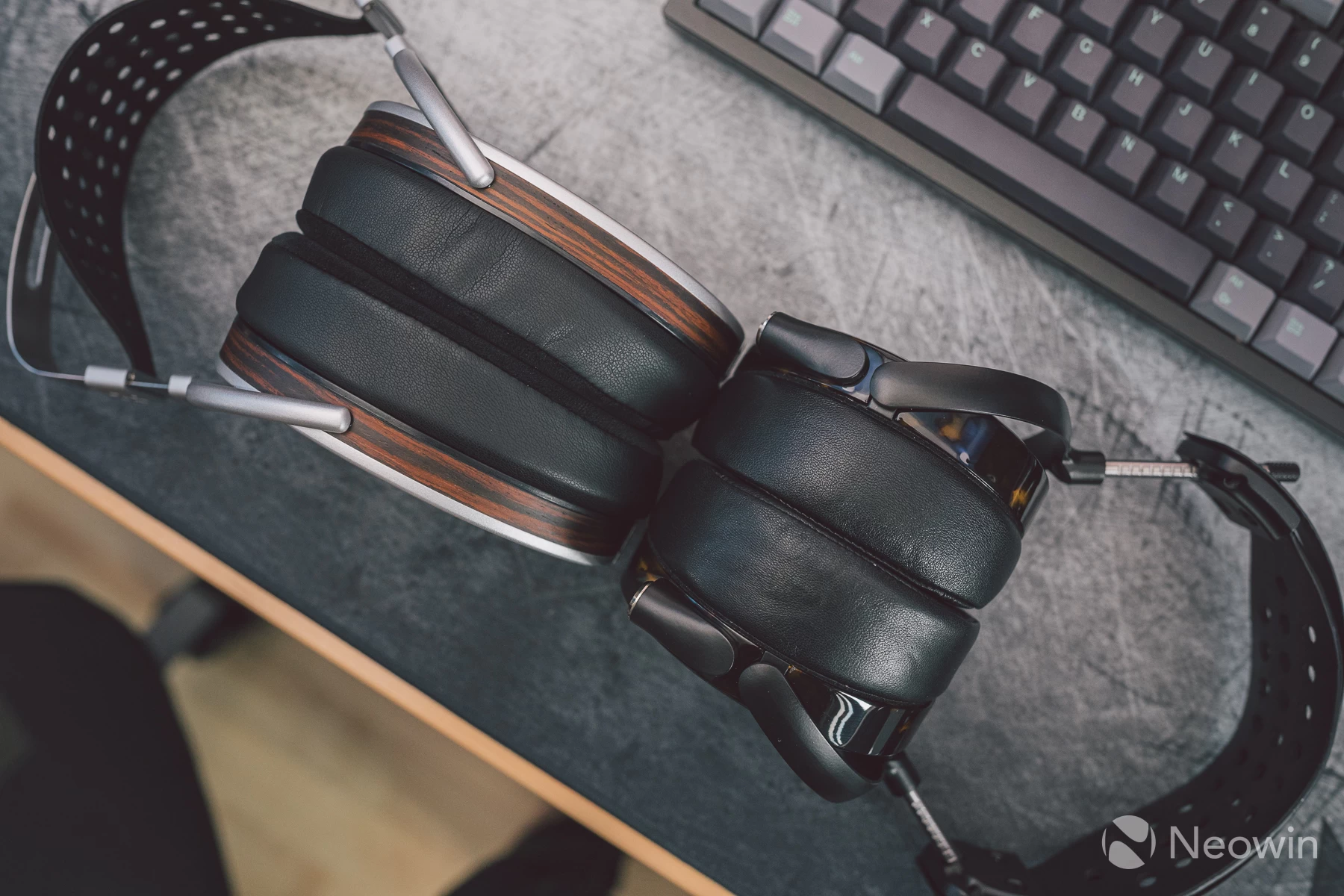
The HE1000se and Audeze's LCD-5 were launched several years ago, yet still remain in production, and whilst HiFiMAN has a habit of releasing updated versions of most of its headphones, the HE1000se has remained mostly unchanged since its launch in 2018, only receiving a minor tweak to cosmetics at some point between then and now.
Meanwhile, Audeze remains comfortable with its 2021 flagship, the LCD-5, at $4500. These prices all seem obscene when you see that other models are much cheaper yet on paper are marketed with all the same descriptions like resolution, detail, imaging and technologies used in production.
Can the Fosi i5 match up to its more expensive neighbours? Is there a better alternative for the money? That's what this head-to-head aims to find out, and whilst it may seem a little odd given the gigantic price difference between all three, there is some method to the madness, so bear with me.
| Fosi Audio i5 | HiFiMAN HE1000se | Audeze LCD-5 | |
|---|---|---|---|
| Type | Open-back | Open-back | Open-back |
| Driver size | 97 mm | 80mm (L) x 100mm (H) | 90 mm |
| Freq response | 10 Hz – 50KHz | 8Hz - 65kHz | 5 Hz - 50 kHz |
| THD | Under 1% @ 100 dB SPL | 0.25% | Under 0.1% @ 100 dB SPL |
| Sensitivity | 98 dB/mW | 96 dB/mW | 90 dB/mW |
| Impedance | 28 Ω | 35 Ω | 14 Ω |
| Headband | Aluminium, suede suspension, step-less adjuster | Stainless steel, suede suspension, stepped adjustment | Carbon fibre, leather suspension, stepped adjustment |
| Earpads | Leather & microfibre with memory foam | PU leather, standard foam, tapered thickness | All leather sloped design with tapered thickness |
| Also in the box |
3.5mm cable with 6.35mm adapter |
6.35mm cable 3.5mm cable 4-pin XLR balanced cable |
4-pin XLR balanced cable XLR to 6.35mm adapter cable |
| Weight | 550 g | 440 g | 420 g |
| Original launch | August 2025 | 2018 | 2022 |
| Price | $649 / £550 / €600 | $1699 / £1629 / €1899 | $4500 / £3999 |
Fit and finish
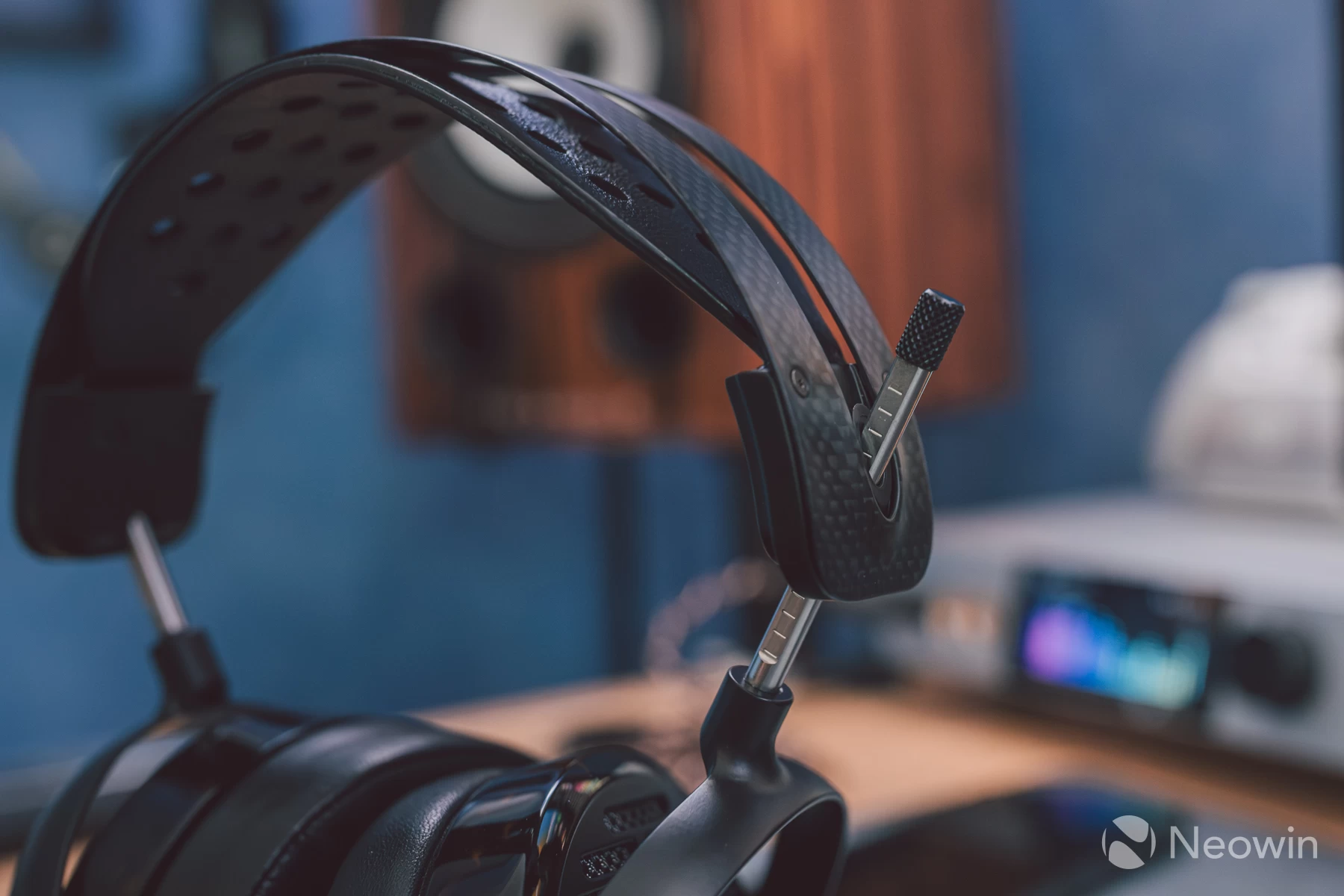
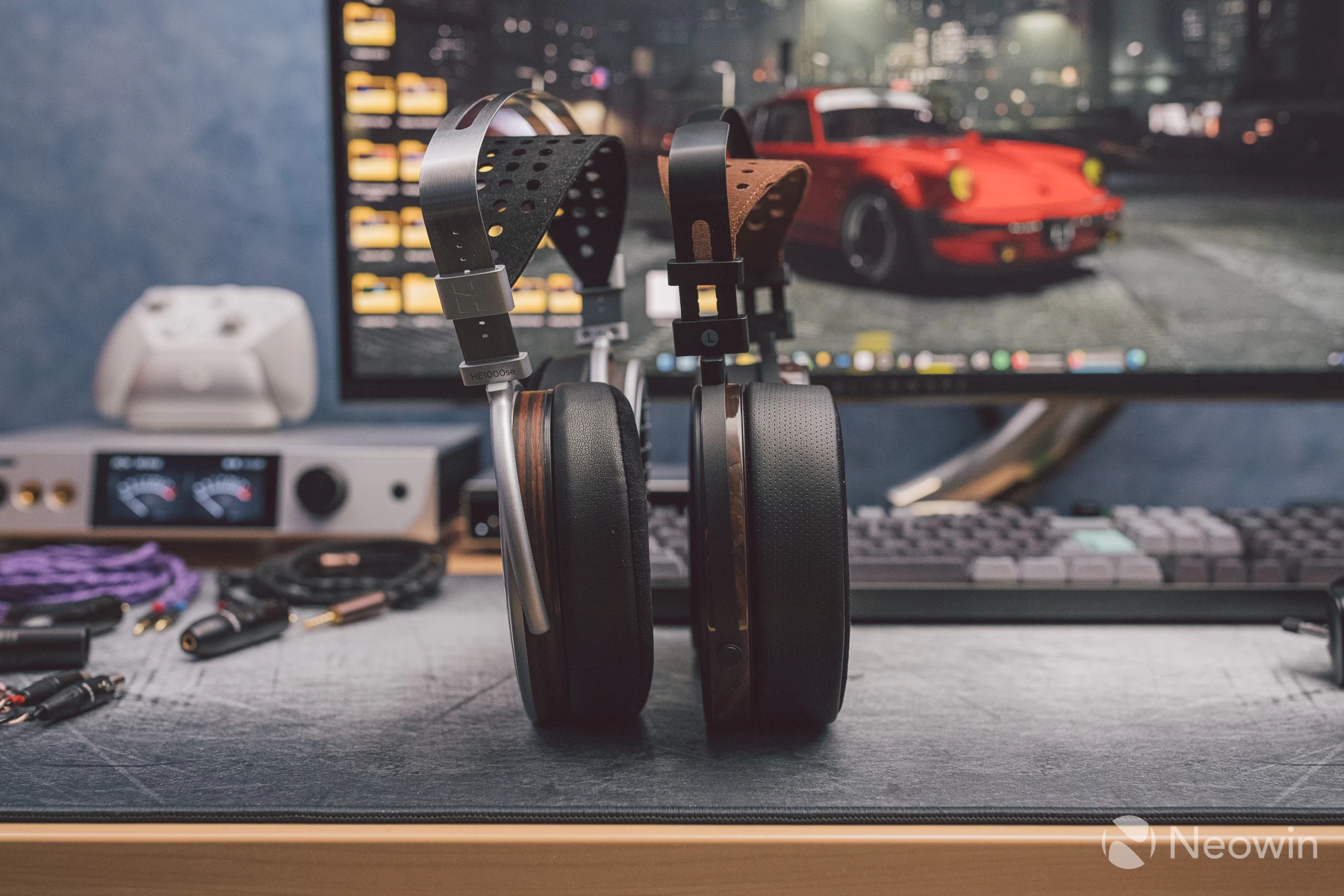
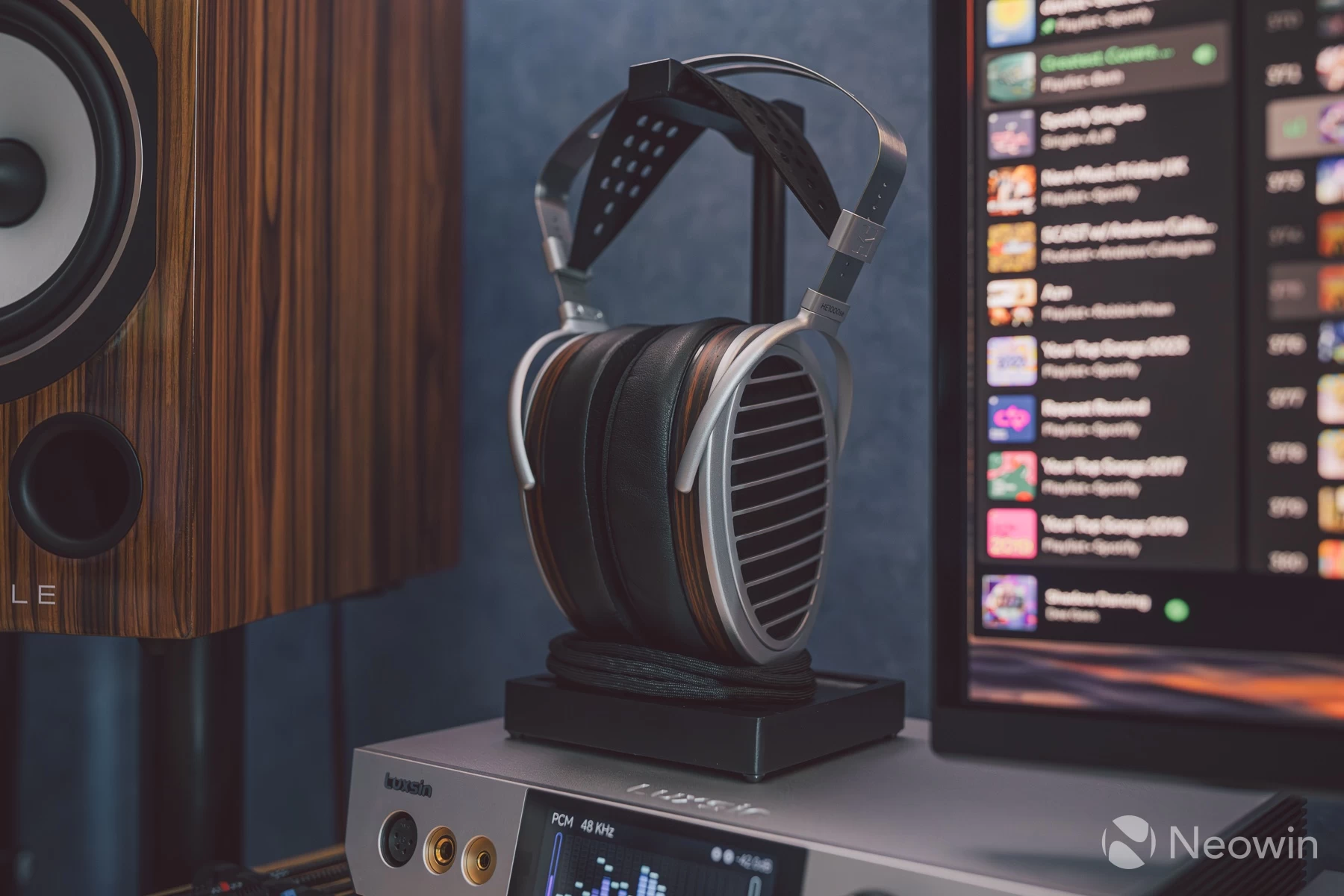
The trio have a lot in common here, from real wood to metals used throughout, the LCD-5 has a carbon fibre upper band and a genuine supple leather suspension strap, meanwhile, the other two have suede straps and Aluminium or stainless steel upper bands providing the clamping force to keep them attached to your head.
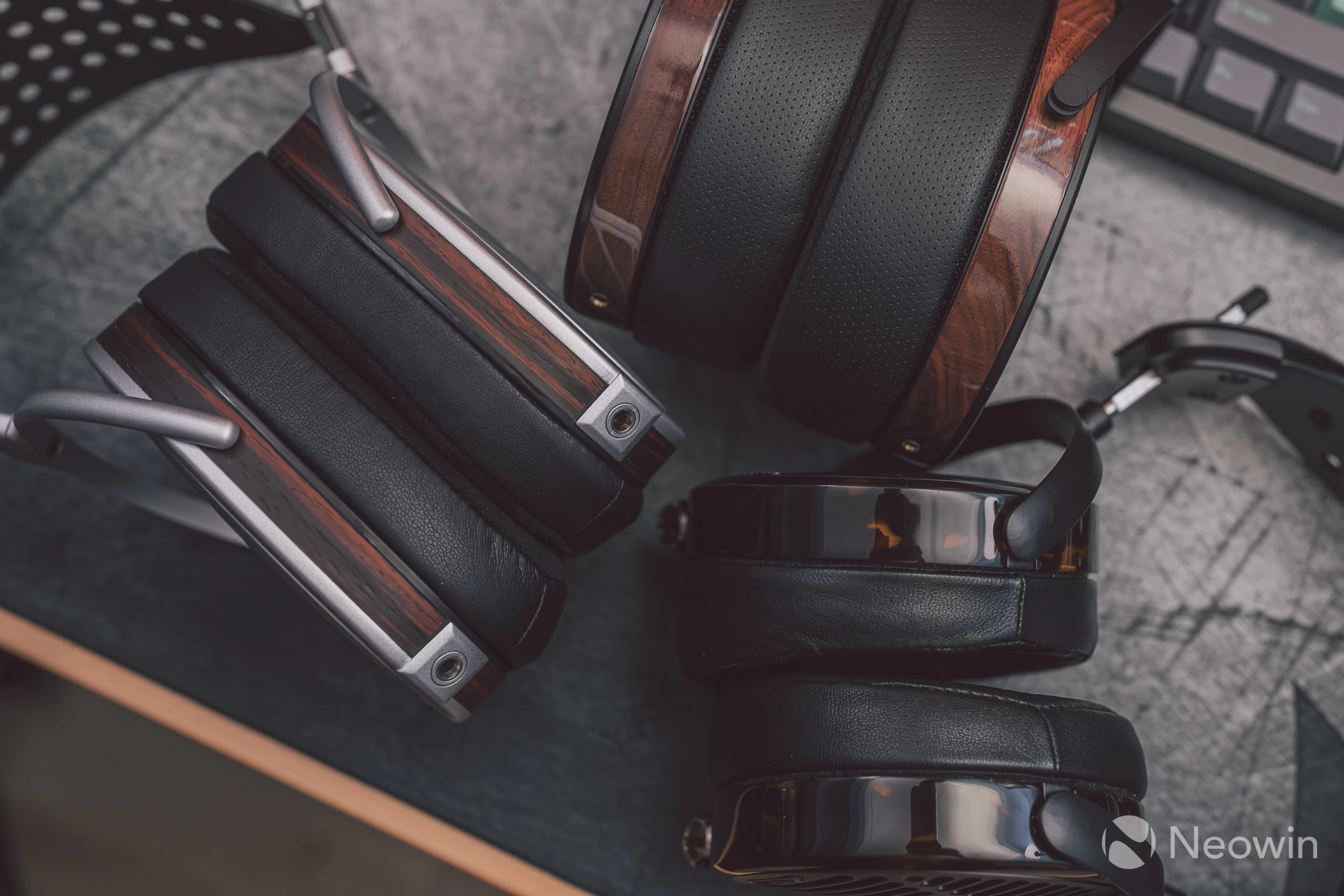
The deep finished gloss wood on the LCD-5 feels thick to the touch and oozes a "premium", it should do for this price.
Where they differ is in the engineering of the headband adjustment mechanisms, the LCD-5 going for a rod-based step system for each cup to adjust, whilst the HE1000se adopts the tried and tested notched stainless steel band with full 360-degree rotation on each side. The i5 is similar, but uses a step-less adjustment system using silicone washers to provide friction for keeping adjustments in place.
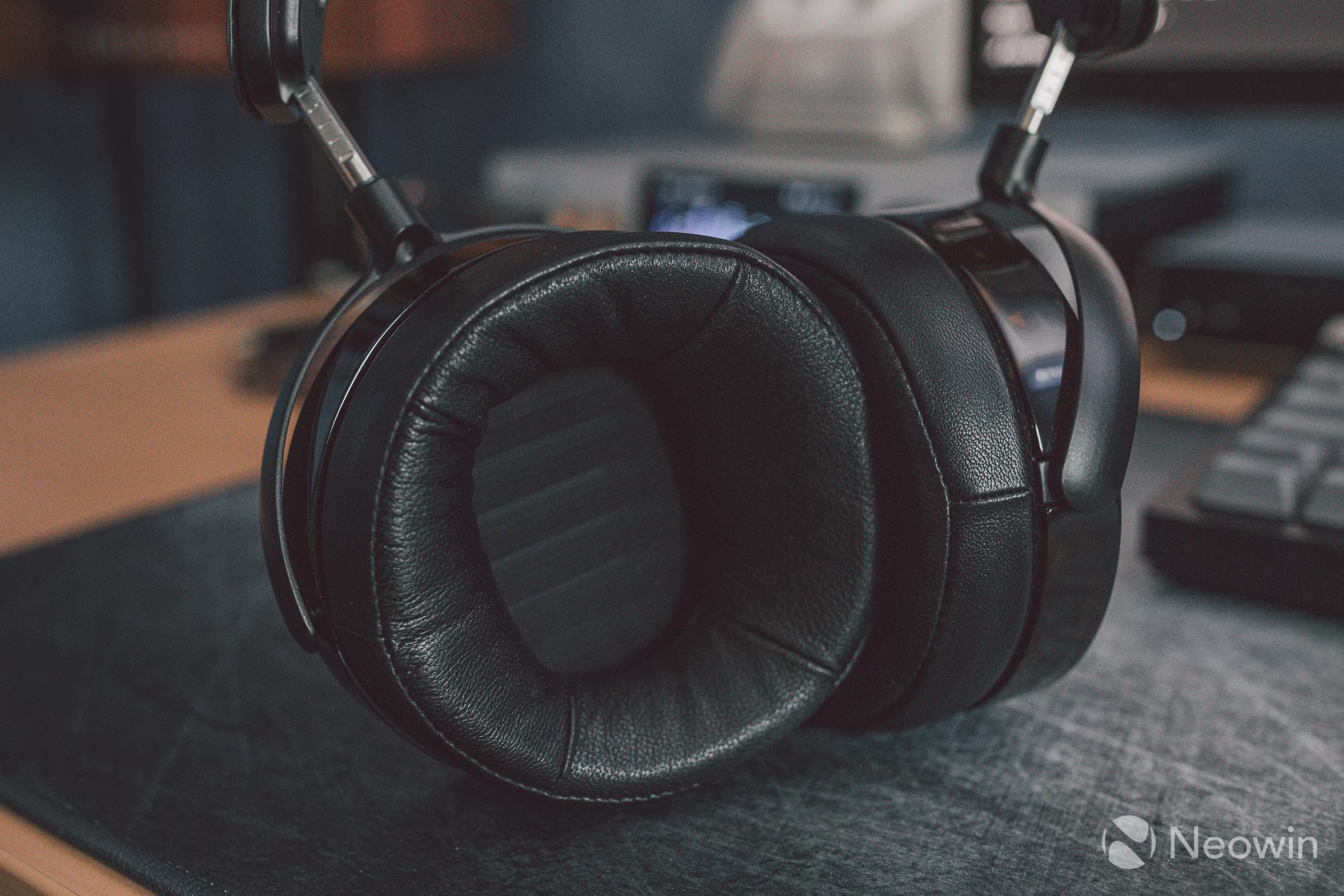
Annoyingly, and especially so given the price, the LCD-5 earpads are stuck on using double-sided adhesive tape. This naturally makes pad swapping a bit of a task; the tape is tedious to pull off, and each removal will, of course, weaken the adhesive or break it apart over time. It's a silly system that boggles the mind.
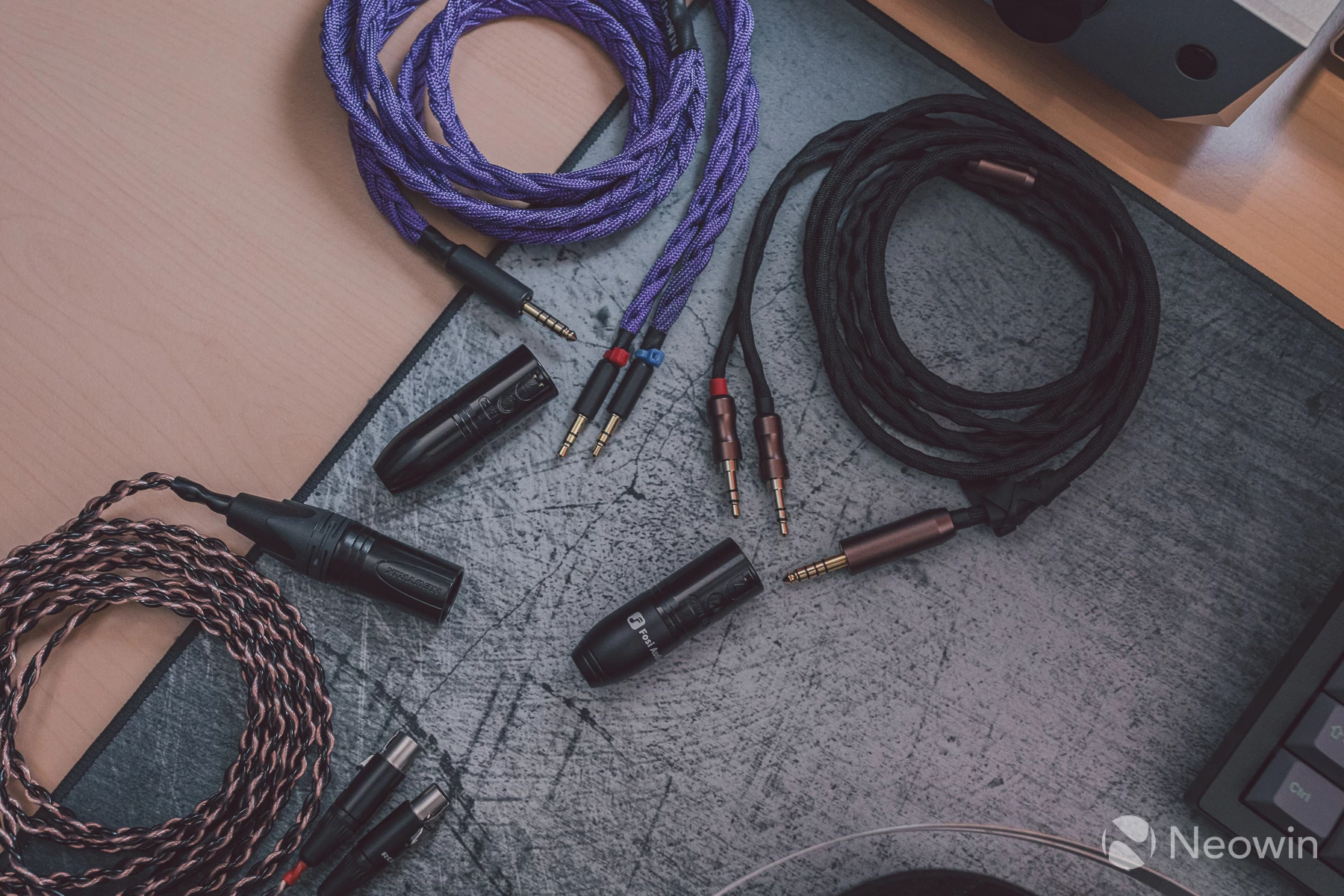
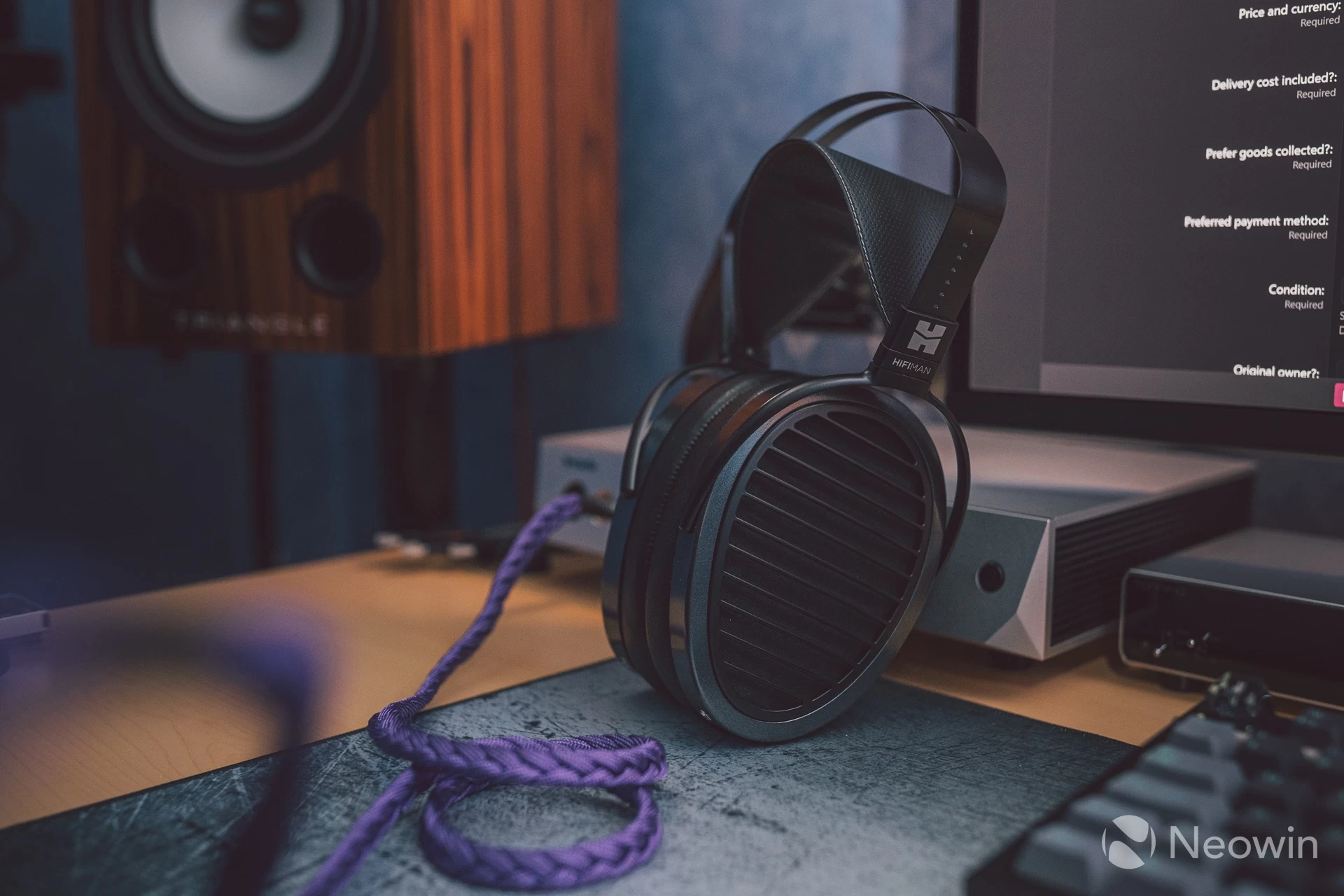
The cables are worth a mention, too, with the Fosi and HiFiMAN stock cables coming in very close to each other. It's the optional upgrade cable provided by Fosi that really stands out for me; it is cryogenically treated and contains graphene. The construction is very high, with the cable being extremely light and pliable, much more so than my third-party Tripowin Granvia cable that has been used with all my HiFiMAN headphones for a long time now.
The LCD-5 cable uses mini-XLR connectors on the headphone side, and a 4-pin XLR on the amp side. The use of mini-XLR might be an issue for some people, as these connectors on cables are not too common, which means getting a shorter cable or one that is more pliable will require the services of a custom cable maker, and these don't come cheap. The other two use 3.5mm connectors, which are broadly available at any off-the-shelf cable retailer.
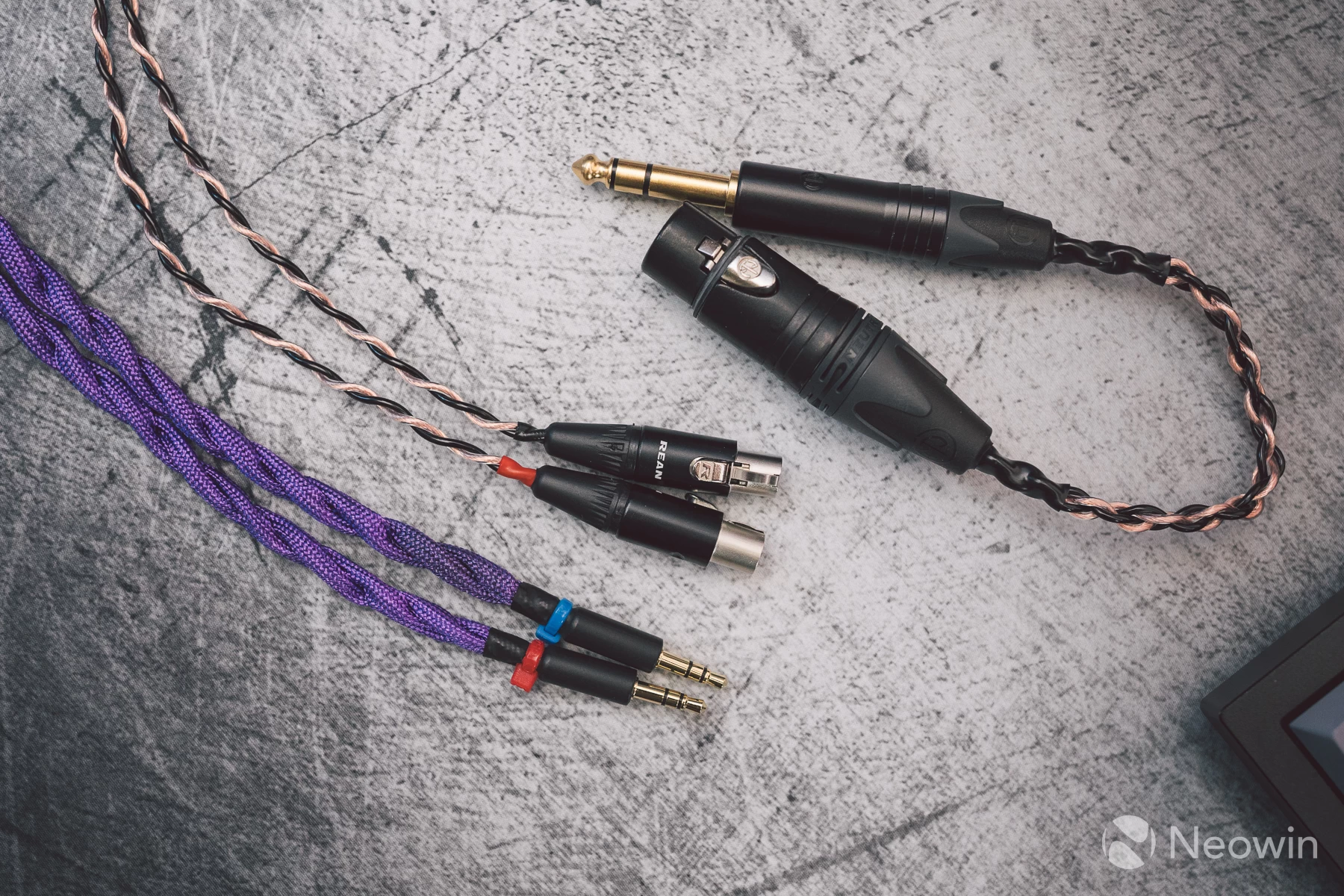
Audeze bundles an adapter cable to give you a 6.35mm single-ended connection for those that don't have a balanced output on their amp, but it's another heavy dongle to connect to an already heavy and not-very-pliable cable, which I find annoying after a short space of time being used on my desktop.
And then we come to quality control issues that admittedly can affect any product out there, but luck would have it that this sample I have drawn the short straw, as the right earcup's headband yoke on one side clicks unusually when gripped, have a listen:
Not what I was expecting to experience at this price, but thankfully, it is only there if gripping firmly; under normal use, there is no obvious issue. Quality control seems to be a fairly frequent discussion with Audeze within audio circles. As I was taking a break from drafting this review, I was reading a comment on reddit from a user who had to send a pair of LCD-4 in for repair twice within the same year due to driver failure.
HiFiMAN is not immune to QC issues either, there are plenty of reports of driver failures going back several years, for example, though this seems to be less of an issue the higher up you go in the model line-up. Maybe I have been lucky, having owned HiFiMAN headphones since the Sundara, none have had failure issues, yet.
Comfort
For the most part, all three headphones are very comfortable, though on my head, the HifiMAN egg-shaped headphones feel the most comfortable. I often spend several hours sitting at my desk editing my photography or writing, usually wearing headphones. Apart from my old Sennheiser HD650 and HD660 S2, the HiFiMAN eggs have proven to be the most comfortable for sessions this long.
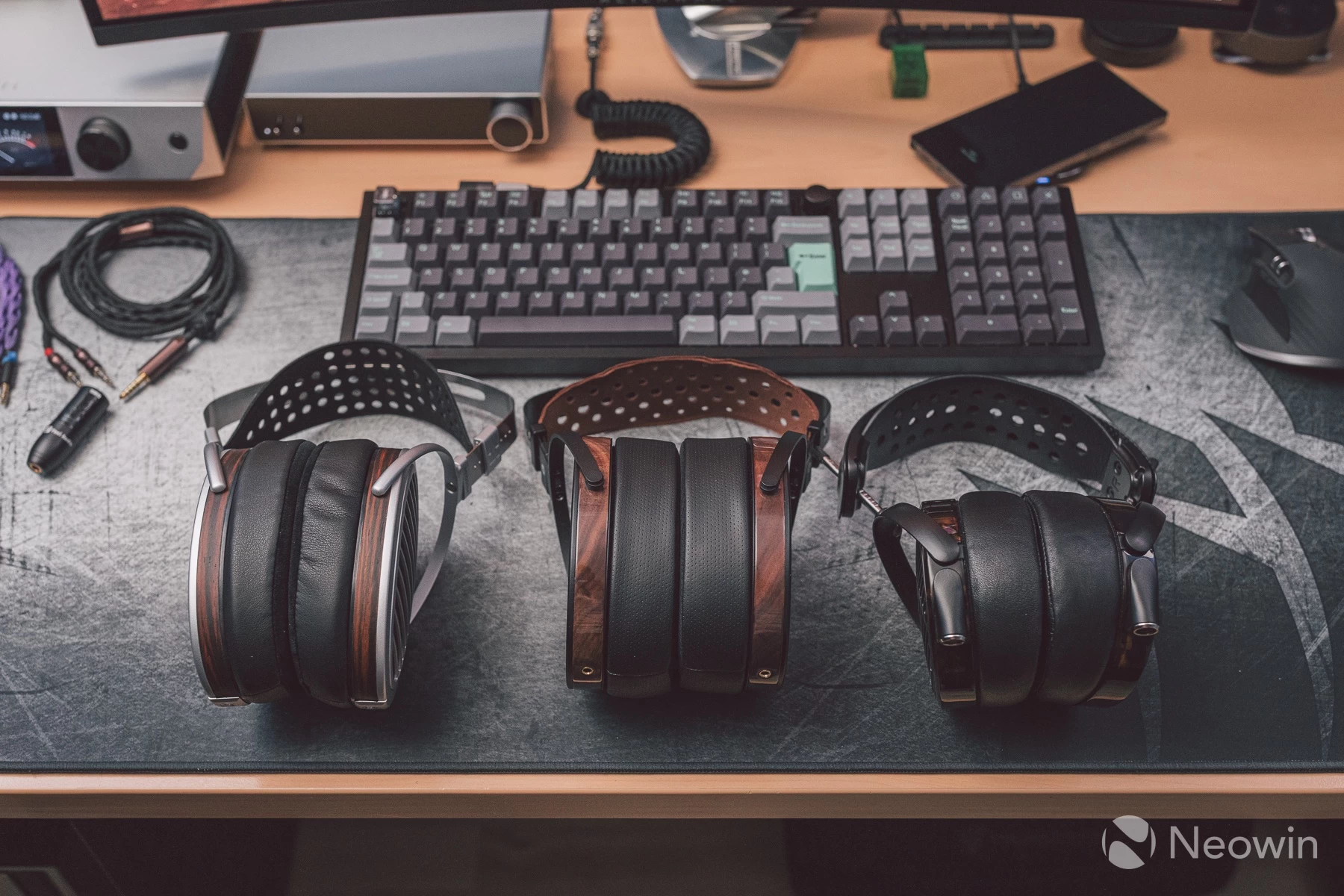
The headband suspension strap on the LCD-5 is the softest and smells of expensive leather, whilst the HE1000se and i5 straps appear to be the same suede material with no obvious fragrance. The LCD-5's strap is also easier to keep clean due to the material and texture.
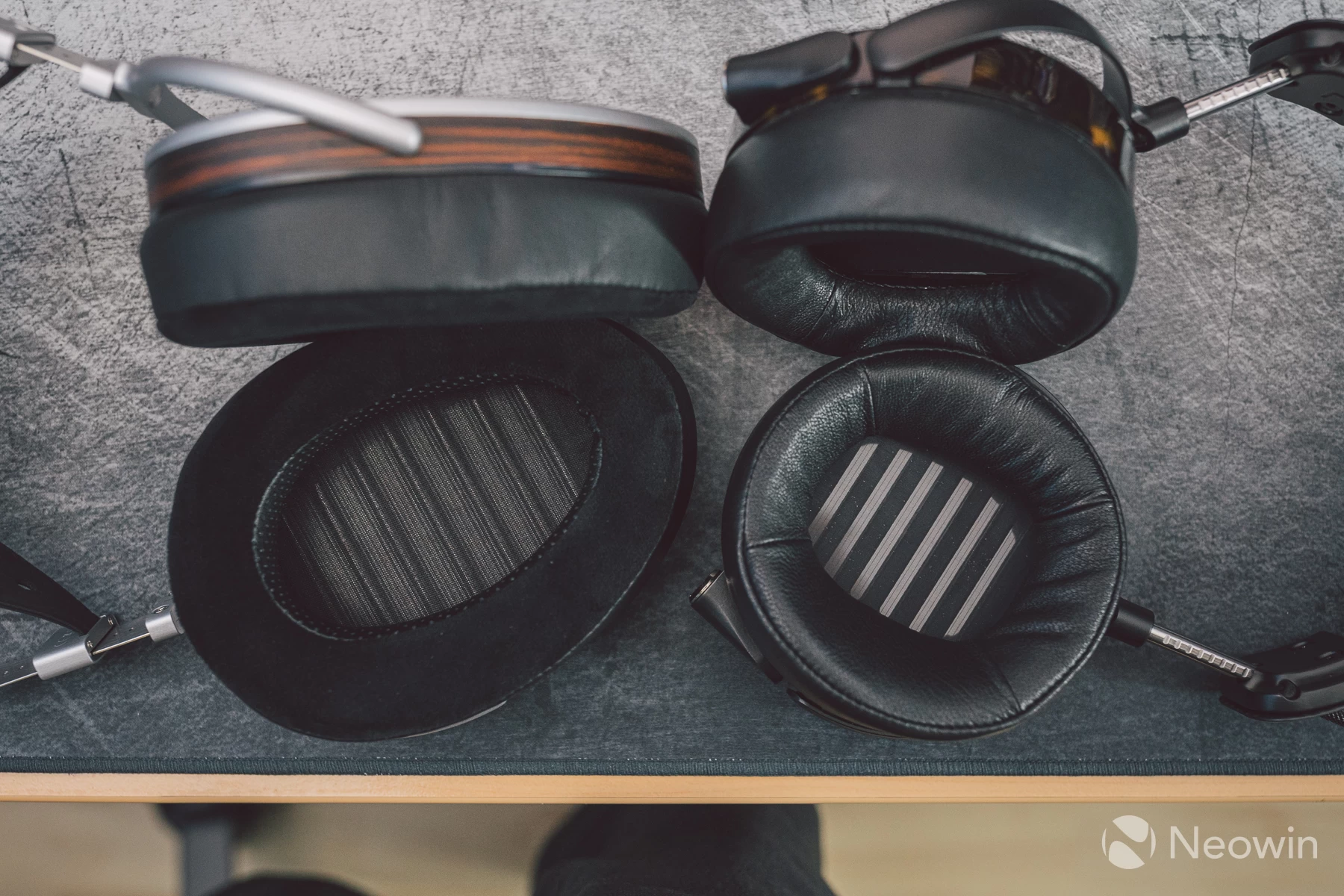
The stock HiFiMAN earpads have never been my favourite. I opt to replace them on every headphone from the brand with Voarmaks memory Foam Velour pads, which come in at under £20 on Amazon. These are infinitely more comfortable than the stock pads, whilst retaining the exact same size and profile of the originals. The sound characteristics using these pads remain true to the original pads I found.
|
|
|
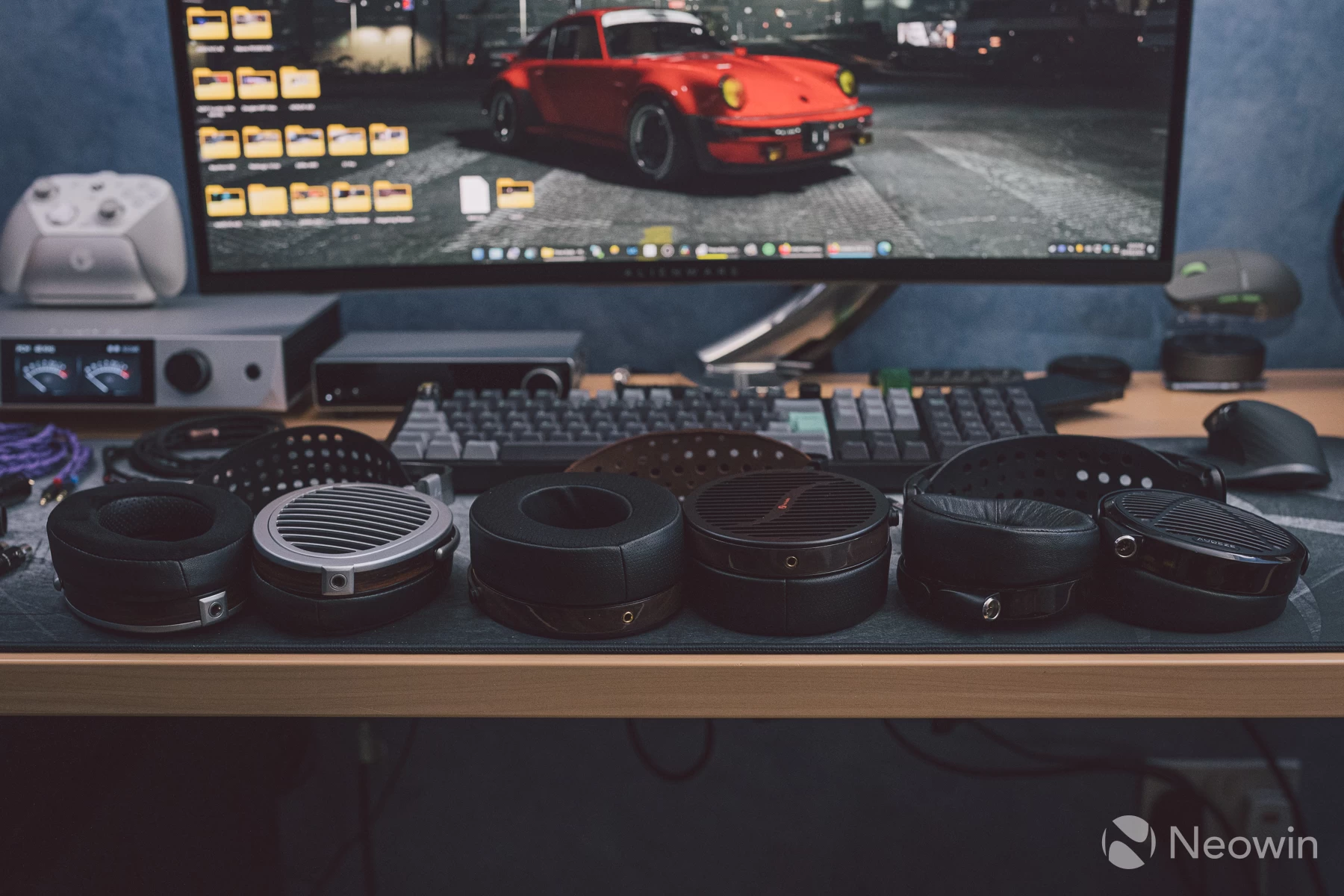
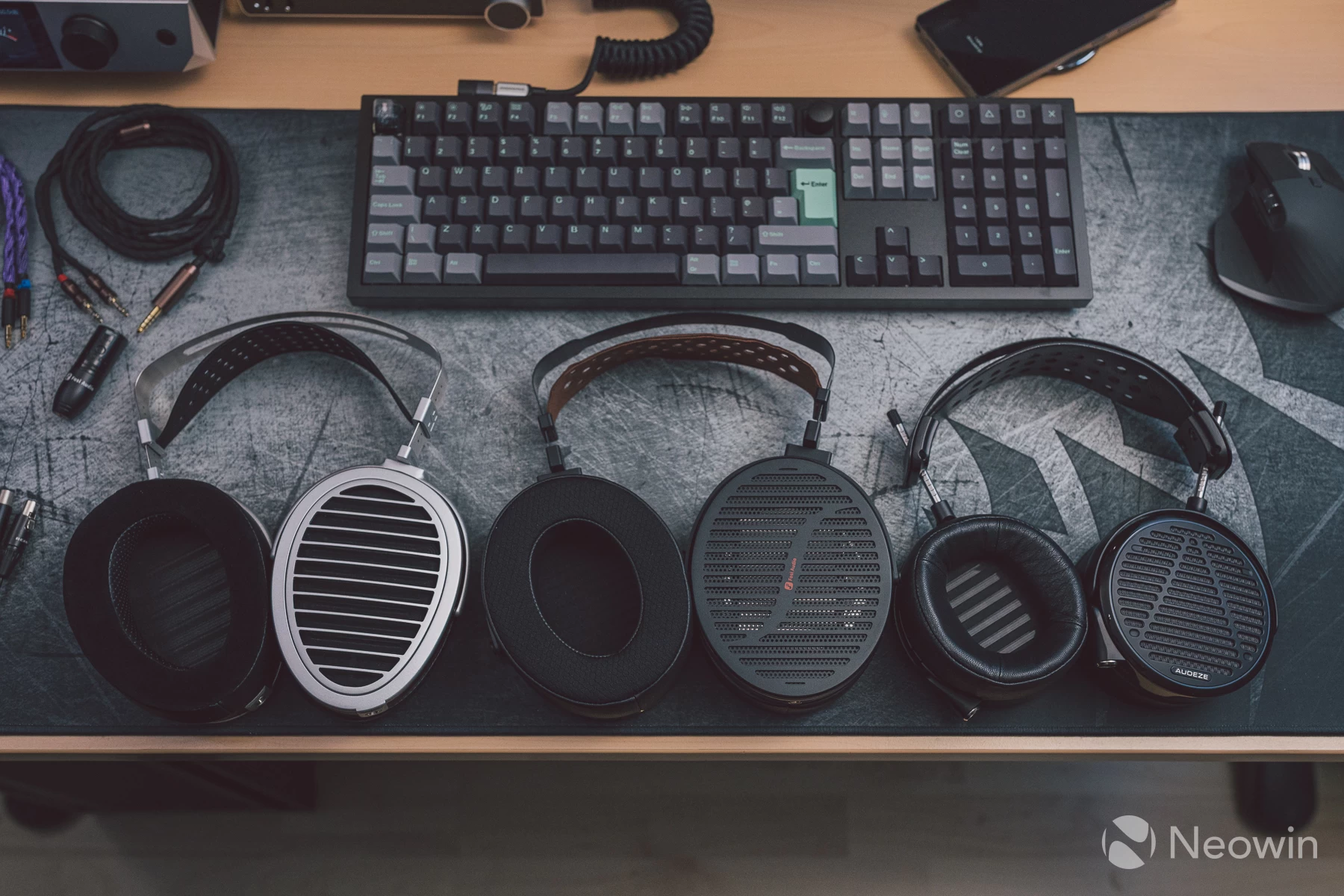
The Fosi i5 loses some points in comfort because of just how chunky it is. A lot of that weight is outward-bearing, so because the pads are so thick and have no taper on the front side, the earcups stick out considerably and are not flush to the contours of your face like the Audeze and HiFiMAN do.
Sound
All three of these headphones produce a different flavour of sound with similar characteristics. However, the LCD-5 is an outlier of sorts, because out of the box, I found it sounds lacking in the mid-range frequencies and has no sparkle in the upper range where the 'S' sections of vocals and cymbals sit.
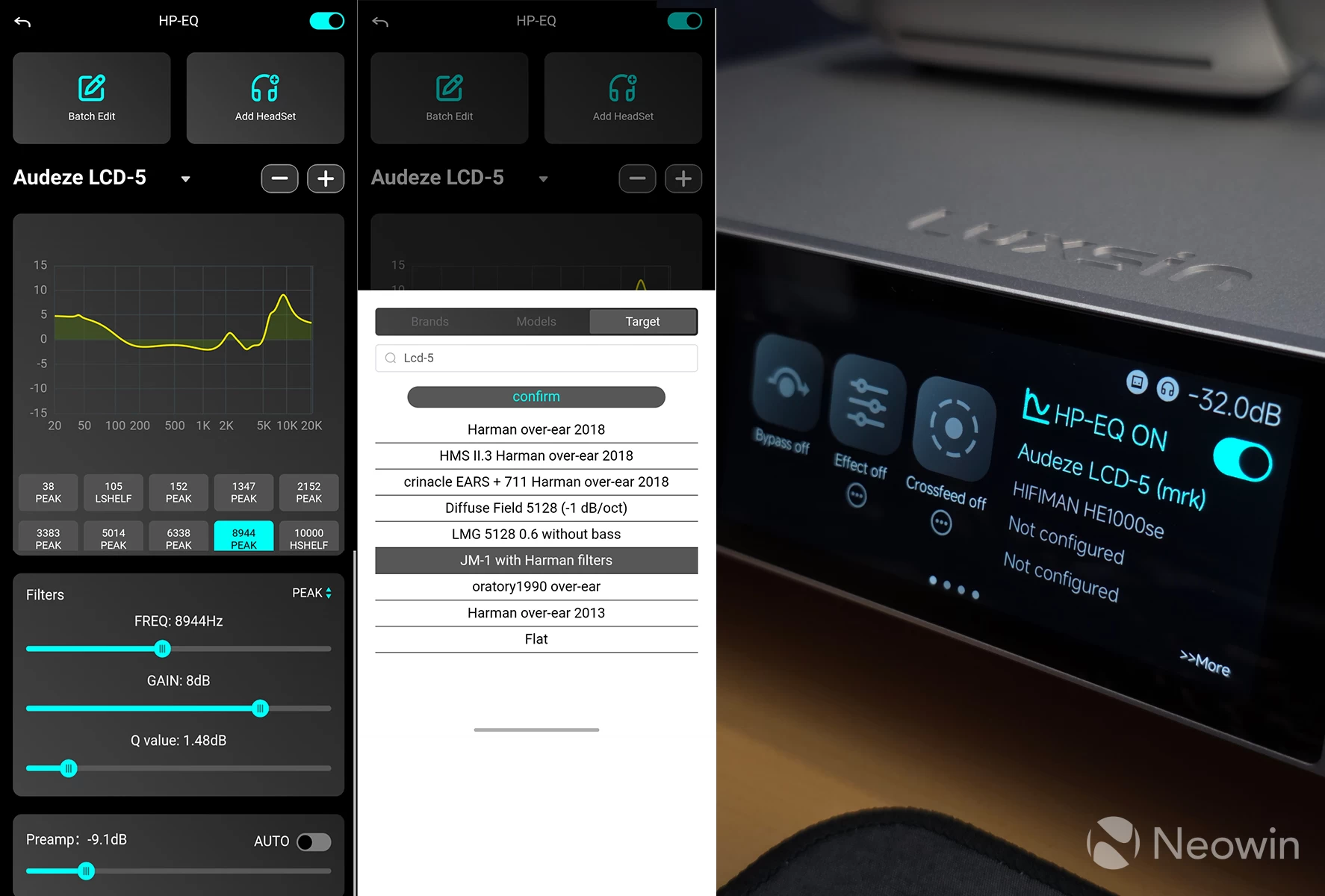
The only way to retrieve detail in these areas is to apply a selective curve via a parametric EQ. Whether this is done via software or hardware depends on the type of hardware you have, though hardware EQing yields better results, as you would expect, compared to just software.
Once dialled in, the LCD-5's claims of high resolution and transparency become apparent, though even at this point, I feel the HE1000se does a better job with a wider soundstage and dynamic swing power, all without having to touch any EQ.
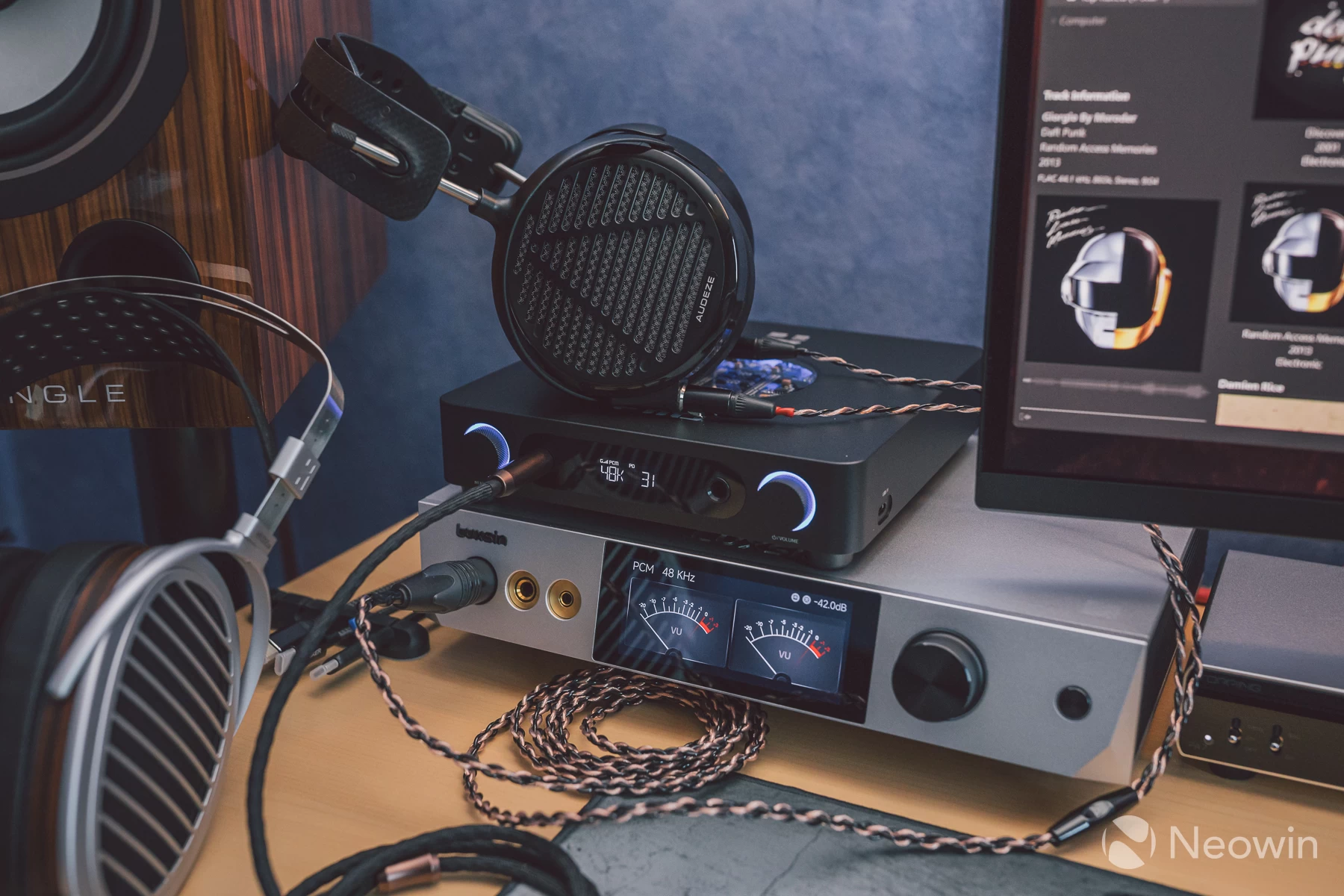
The amplifiers I used in this test were the Luxsin X9 for the bulk of this review, and the newly released FiiO K13 R2R. The latter is still under review, testing, and due to be published this coming weekend. The X9 outputs 3 watts per channel via the balanced outputs; meanwhile, the K13 R2R outputs 2.4 watts.
Listening to the above track highlights some of the differences very clearly. The piano strings physically stretching and distorting can be heard viscerally on the HE1000se, whilst they are not given as much focus on both LCD-5 and i5. The verticality of the soundstage with the HiFiMAN egg-shaped earcups and taller drivers helps a lot here.
The vocal timbre with the LCD-5 is incredibly detailed. Still, because the soundstage is not as wide, it is instead slightly compressed centrally and sounds closer to the listener on the horizontal axis. The end result is something that sounds more intimate, though lacking the imaging and soundstage resolution that the HE1000se has in spades.
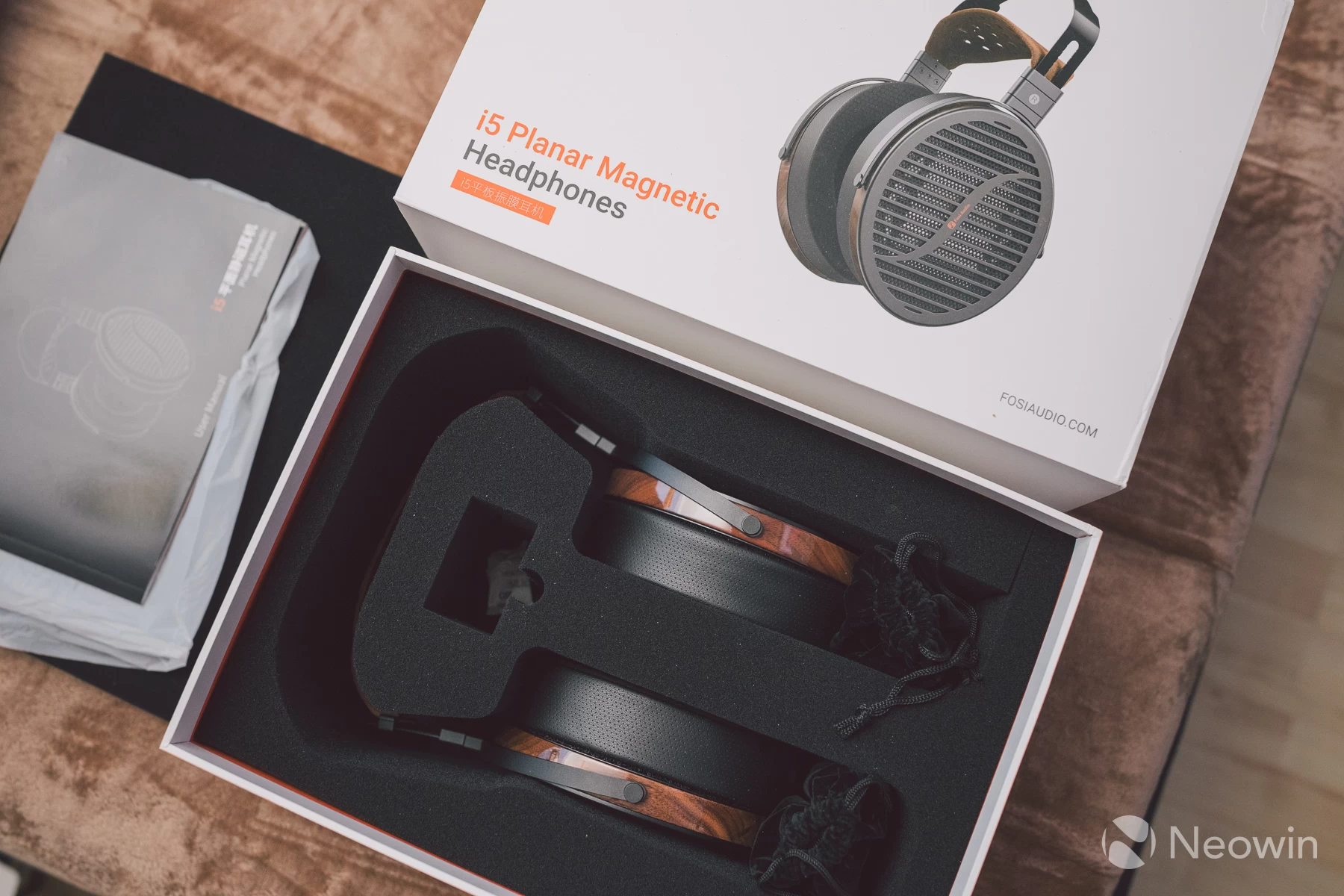
Meanwhile, the Fosi i5 sits somewhere between the HiFiMAN Arya Stealth ($599) and Ananda Nano ($369) for how they sound. It has a very good grasp of the mid-range in all the music I have been listening to, and is able to resolve a lot of treble detail regardless of the genre being played. However, it is clear that it doesn't quite reach the levels of clarity that the Arya Stealth is capable of, nor the soundstage, which felt a little closer to me in virtual space.
The stereo imaging of the i5 is excellent and was very close to the Arya Stealth. Instrument placement was precise, even in busy songs.
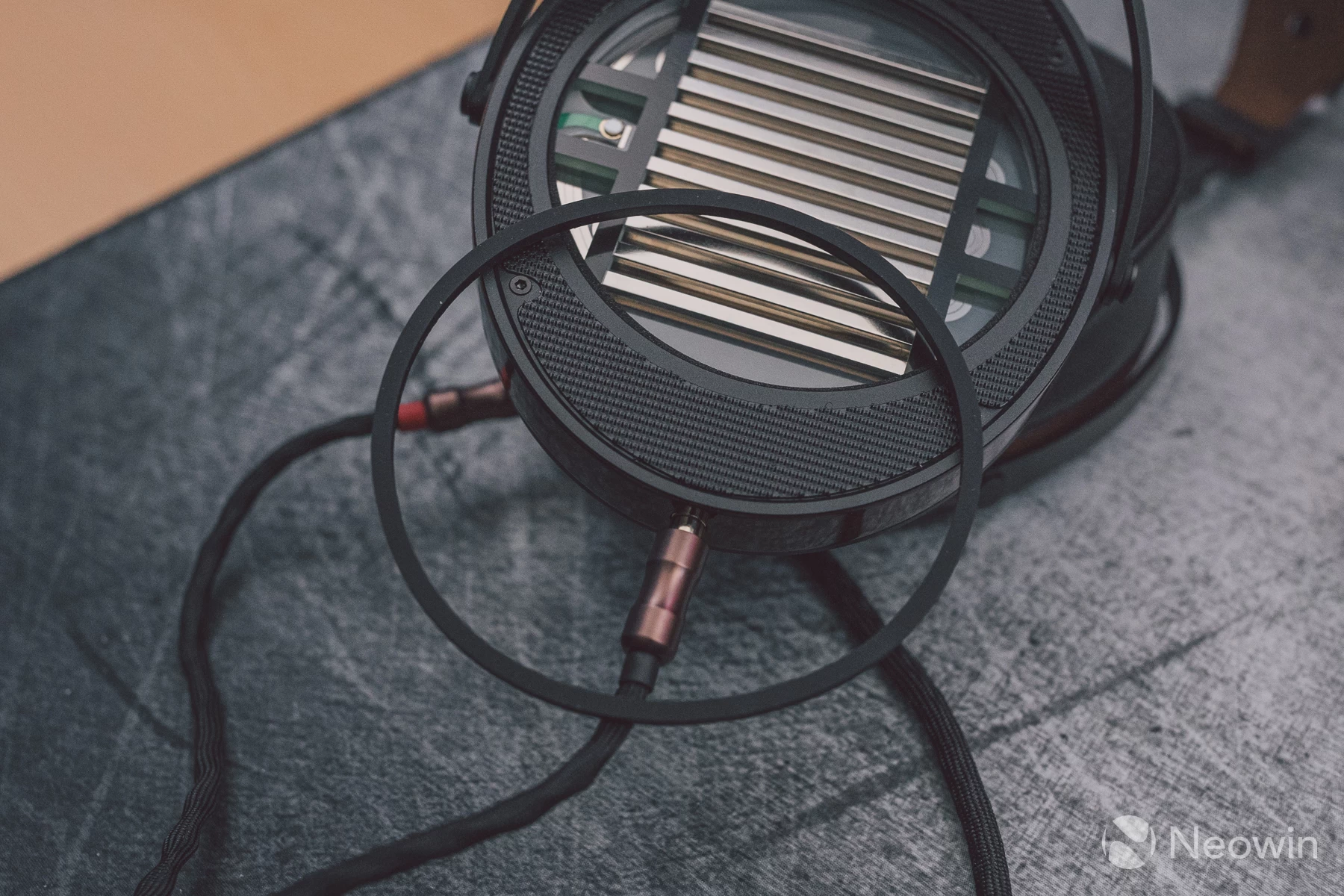
The bass from all three contains excellent impact that I can feel in my head; at no point is it ever boomy, distorted or lacking in speed and detail. A triple-win for all involved here. The Fosi i5 has an advantage here with the silicone bass sealing ring pictured above.
This ring can be easily removed after taking off the Velcro-secured earpads. With the ring removed, the bass impact is reduced, but the upper and mid-range frequencies are given more attention. Early review samples posted online did not come with this ring, and many measurements showed an odd bass roll-off. Fosi engineers took feedback on board and implemented the ring system, giving users the choice of two sound flavours.
All three headphones are highly articulate yet musical, capable of extracting details in music, though different people will have a preference towards one or the other; that's the beauty of every ear being different.
Conclusion
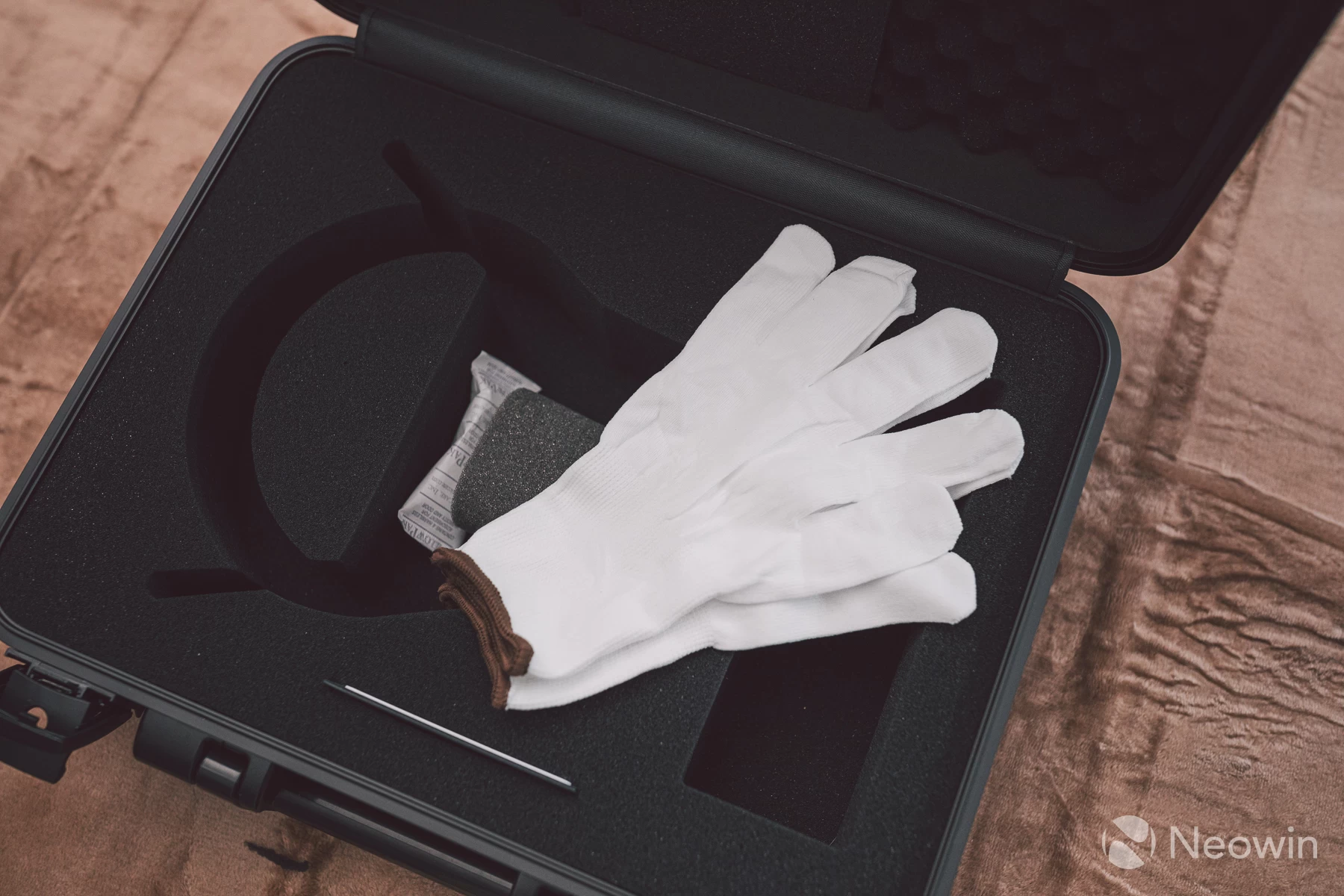
The Audeze LCD-5 opened my eyes in a number of ways, chief of which is to what you actually get for four thousand of our British Pounds. Sure, the flight case with white butler gloves and exquisite construction and exotic materials are all nice, but the cable being awkward to handle, its unfriendly length for desktop use, the lack of a 4.4mm balanced adapter for amps that don't have front-facing XLR headphones port but do have a pentaconn are a concern.
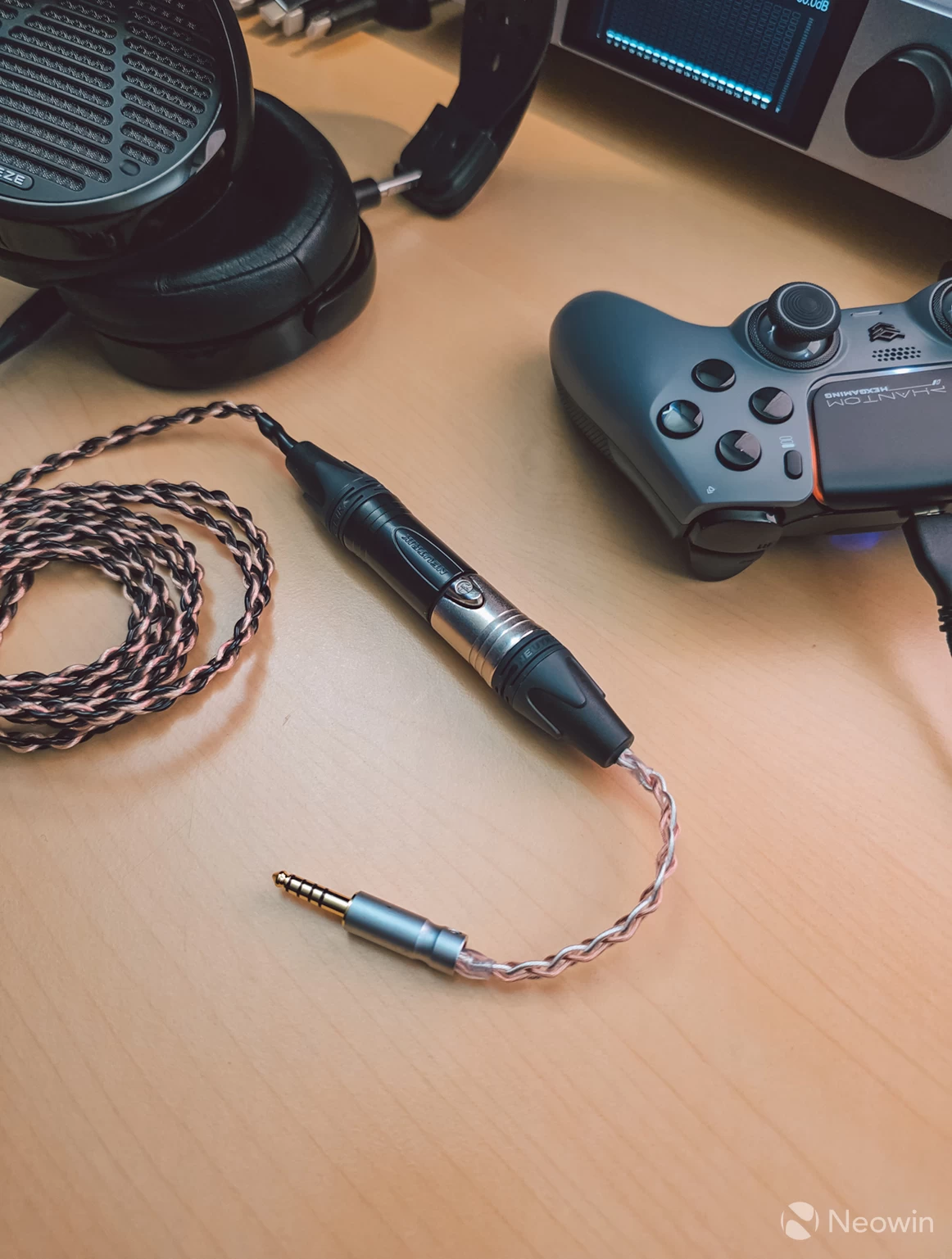
All adaptors for the most common connections should be included in the box, as should different lengths of cable. Sennheiser are able to manage this in headphones under £500, so to me there is no excuse. I had to buy a £20 Geekria XLR4 to 4.4mm adapter (shown above) in order to test the LCD-5 on a new amp I am reviewing, the FiiO K13 R2R (review coming this weekend), though to be honest, I should probably have one in my cables drawer, so this became an excuse to get one, but I'm sure you understand my point all the same.
If you can see past these traits, then the Audeze LCD-5 offers an intimate musical experience. The mid-range being forward leaning means vocals are given centre stage and with a level of timbre that is amongst the best, but as I have mentioned here today, in order to extract the best out of the LCD-5, a parametric EQ enabled amplifier is needed, or an amplifier that is sufficiently powerful and tuned from factory to take advantage of what they can do.
The Luxsin X9 amp I am using, whilst not the cheapest, nor the most expensive out there, is sufficiently powerful with 3 watts of balanced output per channel, more than enough to drive nearly every pair of headphones on the planet to near deafening levels. Yet, the LCD-5 still sounded far from ideal until I set up a parametric EQ to let it shine.
The Fosi Audio i5 surprised me because when I started drafting this review, the official product page was not up, so nobody had an idea of what the retail price would be. My copy was from Fosi's Kickstarter campaign, and the upgrade cable option came to around $460. As I finish writing this review, the official page is now up, and the price has jumped considerably to $650.
With the retail version, you no longer get the upgrade cable featuring cryogenic treatment and graphene; the copper coloured termination grips have also been replaced with plain black ones. Such is the way with Kickstarter deals, though, those who backed the project and opted for the upgrade package have now got a rare high-end cable which can be used on any headphones with 3.5mm connectors on each earcup.
The i5's sound is good, but now that we have the retail price, I would recommend the HiFiMAN Arya Stealth instead of the i5. Not only does the Arya Stealth sound better, but it also has a more comfortable fit on the head, a higher quality headband, and is cheaper.
That now leaves the HiFiMAN HE1000se. I kind of knew what to expect before ordering them, though I didn't expect to like them so much as time went on. I think for what the Arya Stealth offers at its price bracket, the HE1000se does the same at its respective price, as all areas of sound are refined further, along with the much higher materials used in constructing them. Both present nearly unmatched sound characteristics in their respective regions, with the Arya Stealth coming very close for most music. Speaking of which, my critical listening was done with my custom Spotify playlist.
Does the HE1000se sound even $1000 better than the Arya Stealth? No, though it is hard to quantify this, because this sort of thing is very subjective. Having owned both, I do feel that buying a used pair of HE1000se and just replacing the pads with new ones is going to be the better deal for all the positives I have mentioned today in favour of the HE1000se, those being the sound refinements, much better build quality, resale value and cables included.
Having said that, if you are on a fixed budget but like to have a bit of warmth in music that is very detailed in how instruments are plucked out and given presence in space around your head, with no annoying upper-end sibilance and good control of vocal timbre, then I think the HiFiMAN Arya Stealth is unmatched in the $600 price range, and judging by online commentary in the usual audiophile sections of the web, many others are in agreement.
Also, bear in mind the usual massive HiFiMAN price drops that tend to happen 1-2 years after release.
If the budget can stretch to the £1000 mark, then a used pair of HE1000se will almost certainly satisfy, and for those with deeper pockets, the LCD-5 has a reputation in resolution and analytical articulation, but my experience of this has only been after messing around with EQ and leveraging highly specific features of an amp that aren't available on most amps. I would say in isolation, the LCD-5 would probably satisfy many right out of the box. It's mainly because I have had these back-to-back against the others that I am able to tell the differences apart so distinctly.
| Fosi Audio i5 | HiFiMAN HE1000se | Audeze LCD-5 | |
| Verdict | 6 - Strong potential | 9 - Endgame | 7 - Very good |
| Release | August 2025 | 2018 | 2022 |
| Pros | - An excellent first go at planar magnetic headphones - Fosi listens to community feedback - Extra pads included - 4.4mm to XLR adapter included - Nice quality cables - Thick memory foam pads - Real wood mid-frame |
- True flagship territory |
- Beautiful craftsmanship all around - Comfortable once the leather is warm and softens - Highly intimate sound once equalised - Premium presentation and packaging |
| Cons |
- HiFiMAN Arya Stealth sounds better at the same price |
- Arya Stealth gets very close for much less - Stock earpads are rubbish |
- Requires EQ to sound good - Clunky cable on the desktop - Earpads attached via adhesive tape - Inner sections touch the ears when worn - Right side headband arm clicks when pressed - Possible QC issues - Hard to justify price vs competition |
| Price | $649 / £550 / €600 | $1699 / £1629 / €1899 | $4500 / £3999 |






13 Comments
Load the comments and join the conversation!
Read the comments, ask the editors questions, show respect and join the conversation.