
Memory leaks caused by various first-party and third-party features and apps have been a thing ever since Windows started existing as a platform. Last year, we reported on a memory leak tied to Delivery Optimization of Windows 11 and app updates. And now, we’ve come across another feature that might be secretly eating up RAM for some Windows 11 users.
According to various reports, a recurring bug in Windows 11's Phone Link feature is causing its Cross Device Service to consume massive amounts of RAM. The most recent complaint comes from a Reddit user who described the service eating 25 to 30GB of RAM during a gaming session. On top of that, a related process was pushing usage even higher, to the point where Task Manager took three minutes just to open, and internet speeds dropped from 900 Mbps down to 150.
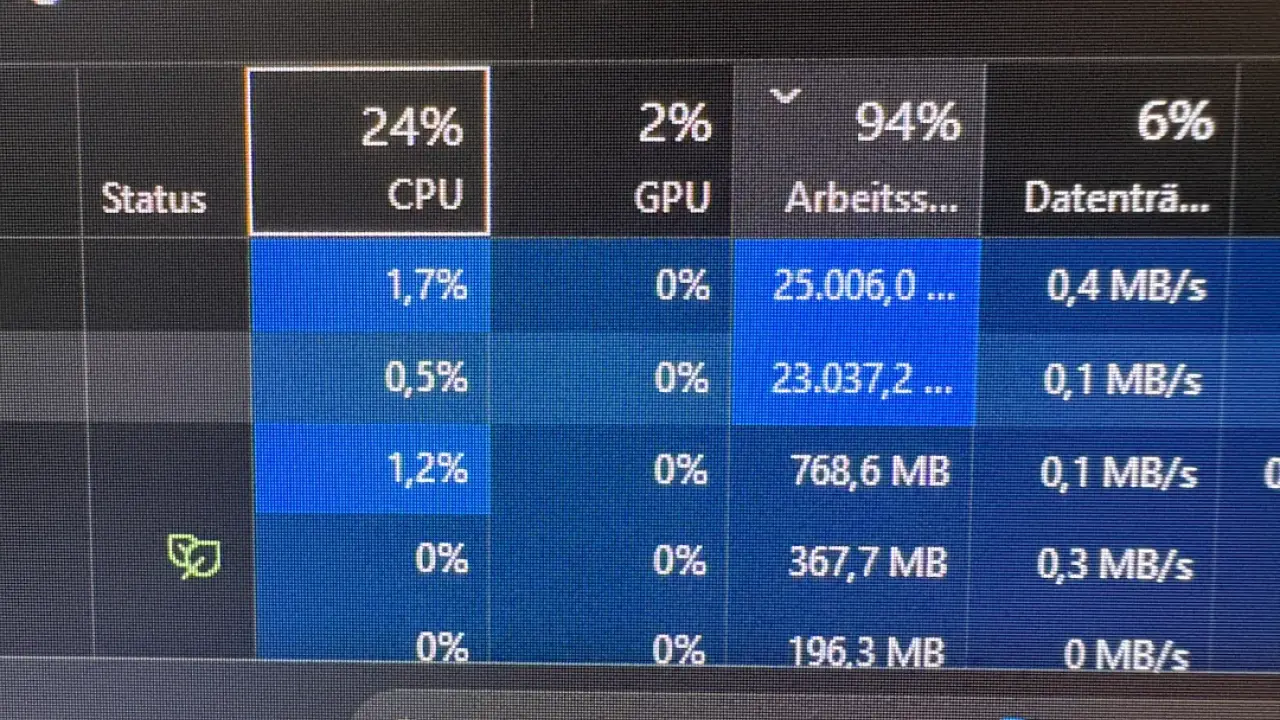
That's not an isolated case either, as complaints about memory leaks caused by the Phone link feature date as far back as 2023. Other reports describe the same service consuming 15 to 20GB of RAM roughly once a day, forcing users to manually end the process through Task Manager just to get their system responsive again. One user on Microsoft's Q&A forum said the issue pushes their PC to use over 90 percent of available RAM, and that it's become a regular occurrence rather than a one-off glitch.
So, if you’re using Windows 11’s Phone Link feature to sync data between your PC and your mobile phone, and you noticed unusually high memory usage, you now may know the cause.
Cross Device Service is the background component that powers Phone Link, handling things like clipboard sharing between devices, notification syncing, remote control, and app continuity through the Resume feature. When it works properly, it's meant to run quietly without much resource draw. When it doesn't, it appears to get stuck in some kind of loop that never resolves, gradually eating up more memory the longer it runs.
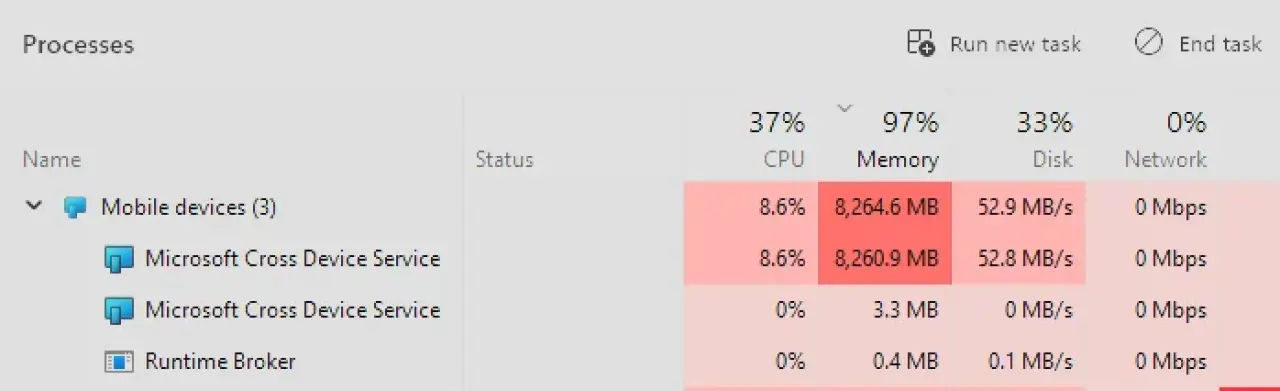
This issue was never officially confirmed by Microsoft, as we only learned about it from various forum and Reddit posts. But the complaints seem frequent enough, with similar symptoms, to conclude that this is an underlying issue for some users on Windows 11.
Microsoft support did offer a few troubleshooting steps for anyone hitting this, but these are mostly generic solutions, like making sure both Windows and Phone Link are fully updated. An additional solution could be disabling the Mobile Devices entry under Task Manager's Startup apps tab. It’s fair to say that trying these troubleshooting steps might not solve the problem for everyone.
So, for users who have already tried these solutions and still haven’t resolved the problem, the simplest fix may be to just disable Phone Link altogether and accept the loss of cross-device syncing rather than dealing with the memory drain.
Sources: Reddit post 1, Reddit post 2, Reddit post 3, Microsoft Q&A forum post








_(1)_small.jpg)










15 Comments
Load the comments and join the conversation!
Read the comments, ask the editors questions, show respect and join the conversation.