Google has announced the winners of its 48-hour Nano Banana Hackathon, hosted by Google DeepMind, which took place from September 6 to September 8. The search giant has selected 50 winners from 832 projects submitted during the competition and awarded non-monetary prizes totaling $400,000.
Each of the 50 winners selected for the 48-hour Nano Banana Hackathon bagged $5,000 in Gemini API credits, $1000 in Fal credits, and 11 million Eleven Labs credits worth approximately $2,000. Google also had a special technology prize for submissions with outstanding technical achievement using Eleven Labs or Fal.
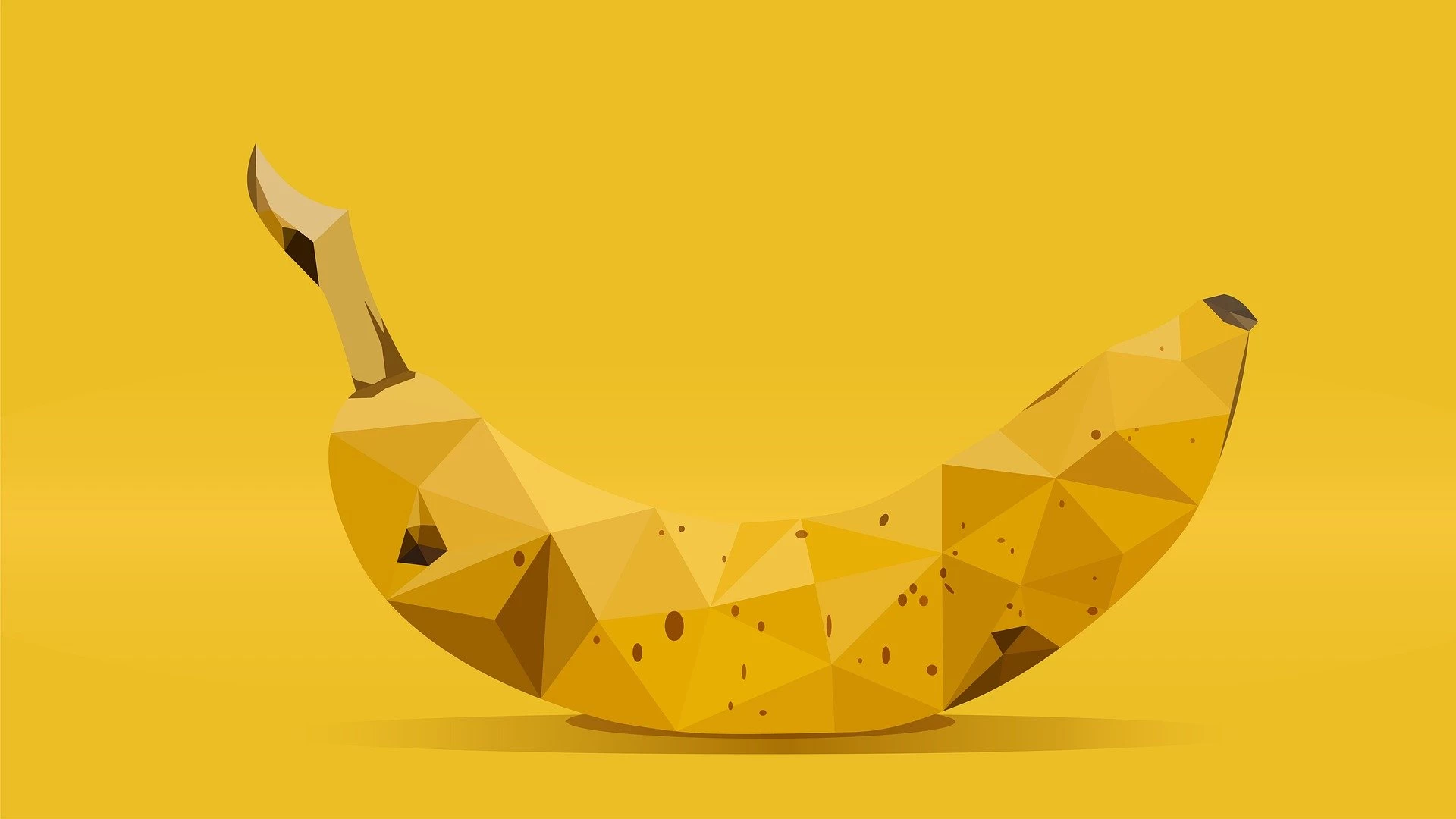
As the name suggests, participants were tasked with building a product, application, or demo using the Google Gemini 2.5 Flash Image, popularly known as Nano Banana. It's a new image generation and editing model that Google has developed, which improves the image editing experience in the Gemini app. You can turn a single photo into several creations or upload multiple images to combine ideas.
Going beyond simple text-to-image, the hackathon required participants to work on fresh ideas, utilize core strengths, and build applications that can enhance dynamic storytelling, leverage e-commerce, automate creative workflows, and create the next generation of natural language photo editors, according to Google DeepMind.
The search giant opened a special tier for the Gemini API, allowing 20 images per minute and 500 requests per project per day. Participants were required to host their project submissions on Kaggle with a public link and create a video demo for up to two minutes to flaunt the "wow" factor in their application.
Project submissions were judged with 10% weightage given to the quality of the video demo and 40% to the innovation and "wow" factor. Meanwhile, technical execution, functionality, and potential impact represented the rest.
LifeTrace Timeline (by Chris Tang) - Transforms raw location data into a personalized, hand-drawn visual diary, enabling reflection on daily experiences and creating cherished timeline memories. pic.twitter.com/IR2plPNxqP
— Google AI Developers (@googleaidevs) September 29, 2025
Google featured several winners in a social media post announcing the results. One application called LifeTrace Timeline turns raw location data into a personalized diary, enabling reflection on daily experiences.
ArtLens (by Mark Greenfield) - Bridges art history and modern AI by reimagining famous paintings as real-world scenes, offering a unique perspective on artistic inspiration in a beautiful and educational tool. pic.twitter.com/aSWL9QIyX8
— Google AI Developers (@googleaidevs) September 29, 2025
ArtLens combines modern AI and art history to transform famous paintings into real-world scenes. Another winner, ForgeOne, focuses on automated, quality-controlled creative workflows by implementing an AI system that critiques and refines its own creative output against professional scorecards.









0 Comments
Load the comments and join the conversation!
Read the comments, ask the editors questions, show respect and join the conversation.