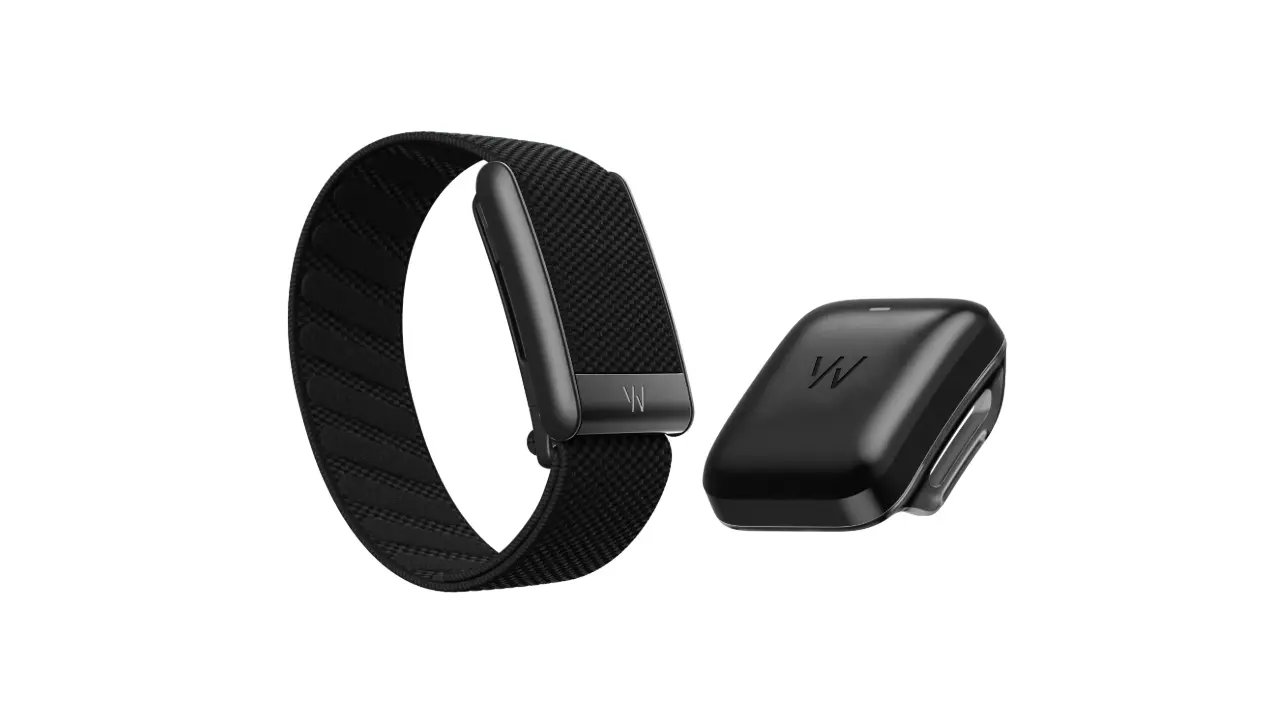
Google is reportedly working on a screenless fitness band to compete with companies like Whoop, which is currently eating its lunch in the screenless, hyper-specialized health trackers market. This new hardware is for people who like the idea of having a health monitor on their wrist without a second screen to possibly distract them.
According to Bloomberg, this device could be sold under the Fitbit brand and is expected to have "basic features," though what these are was not listed. These probably are things like continuous heart rate monitoring, heart rate variability (HRV) analysis, blood oxygen (SpO2) tracking, and skin temperature sensing.
NBA player for the Golden State Warriors, Steph Curry, teased the device in a 15-second sponsored video posted on Instagram showing him sporting a gray, fabric wristband with neon orange piping and a strap adjuster. The video ends with the text, "A new relationship with your health. Coming soon," followed by the Google logo.
The device is reportedly going to launch later this year and will be subscription-based, likely tying into the AI-powered Fitbit personal health coach Google introduced last year. The personal health coach features a conversational chat interface that allows users to ask questions like "Should I work out today?" and get a personalized answer based on their sleep and recovery data. More recently, last month, Google announced that the coach would gain a feature to pull in data from Continuous Glucose Monitors (CGMs).
Google finalized its deal to acquire Fitbit for $2.1 billion back in January 2021. The acquisition happened after years of Google struggling to make a dent in the wearables market with its own software (Wear OS). Taking over Fitbit's 28 million active users, its health-tracking algorithms, and its established hardware supply chain was the way to go. Since the acquisition, Google has slowly shifted its focus, killing popular brands like the Versa and the Sense while directing its design resources to its own Pixel Watch lineup.















0 Comments
Load the comments and join the conversation!
Read the comments, ask the editors questions, show respect and join the conversation.