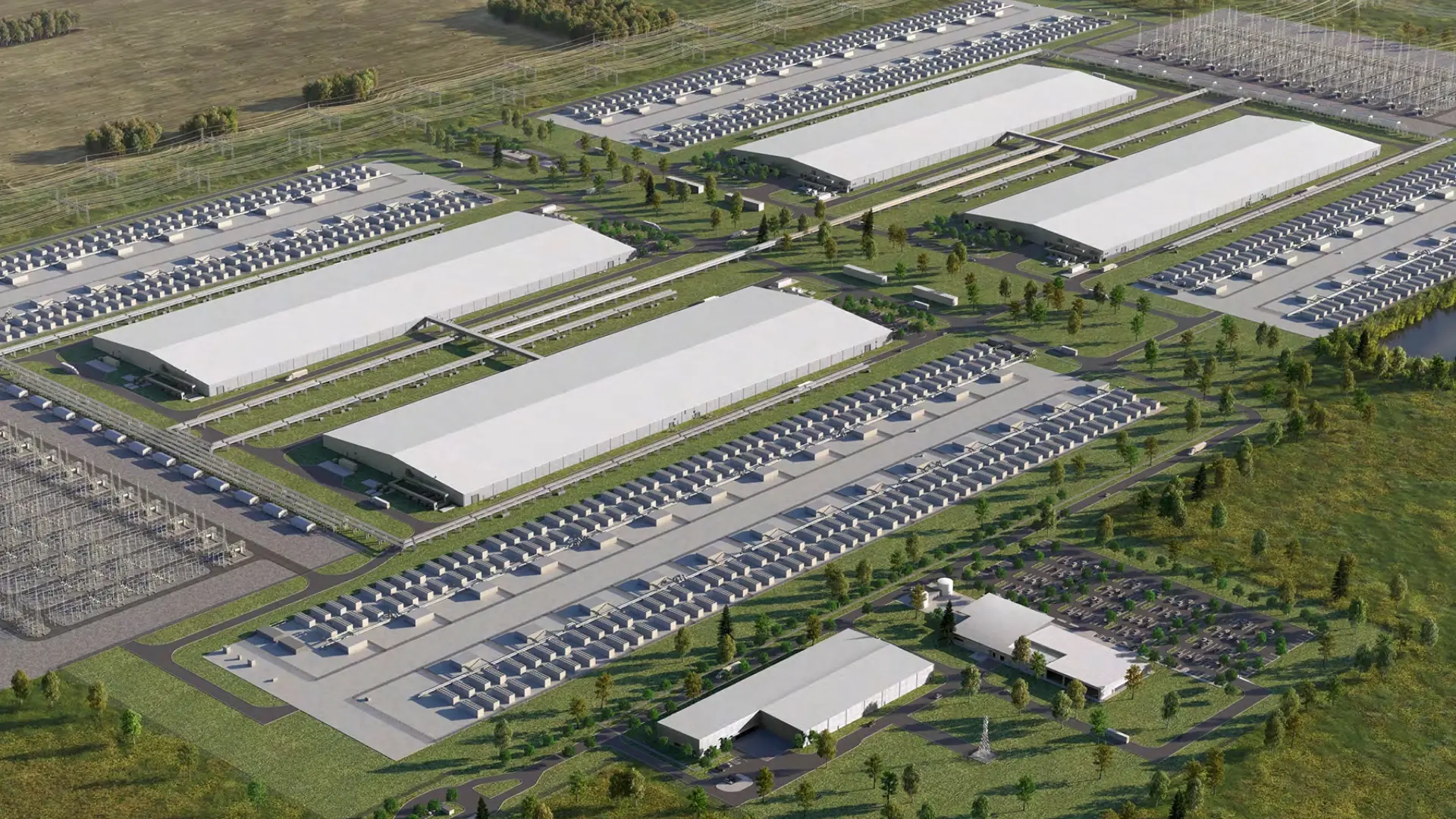
Meta has decided to build a new data center in Alberta, Canada, to help it power its AI services and products. It said that the new 1GW data center will be optimized for AI workloads and represents an investment of CAD $13 billion that will support over 3,000 construction workers at peak and more than 300 operational jobs.
The social media giant also said that it will invest around CAD $60 million in local infrastructure improvements, such as road and water infrastructure, that will benefit the local community (as well as Meta), and provide grants and funding to various local nonprofits. The firm noted that this is the first data center it has built in Canada and is the 33rd it has built globally.
Addressing fears about the energy grid, the company said that it will pay the full costs of its data center’s energy use so consumers are not negatively impacted. It will also fund new and upgraded energy infrastructure to help generate enough power. It says that it is working closely with Greenlight Limited Partnership, Altalink, Capitol Power, and the Alberta Electric System Operator to plan for and meet its energy needs in the future.
Data centers like this have also caused concerns around water usage. To address this, Meta says that it wants to be water positive by 2030, so it will restore more water than it consumes globally where it has owned operations. It said that its data centers also try to be as water-efficient as possible to reduce usage.
At this data center, it said it will use a closed-loop, liquid-cooled system with dry cooling, so there will be no operational water use in the cooling system. Water use at the site will be limited to domestic uses, fire protection safety, and equipment maintenance. It will also pay the full costs of water and wastewater service so that consumers aren’t negatively impacted. It will publish its water withdrawal and energy use on an annual basis at sustainability.atmeta.com.
While Meta says it is taking actions to reduce its water and energy impacts, residents in the area and the local government there still need to ensure that the energy-producing projects don’t get delayed; otherwise, it could lead to higher energy prices in the area.


















5 Comments
Load the comments and join the conversation!
Read the comments, ask the editors questions, show respect and join the conversation.