My first foray into the smartphone world started all the way back in May 2010. In fact, I posted in the member reviews section, detailing my dilemma, choices and decision. Admittedly, the HTC Smart wasn’t as smart a smartphone as other handsets at the time, but I wasn’t sold on spending hundreds of pounds on what was still just a mobile phone.

While I was making my decision, Microsoft was readying the launch of Windows Phone 7 in October 2010. I had been reading Neowin, avidly reading the coverage of what was going to be Microsoft’s iPhone and Android killer. As October approached, I decided to take the plunge into the phone market once more and started looking at potential replacements for my Smart.
I can't remember the exact date, but I know it was a wet, miserable Saturday in November when I walked out of an O2 store with a Windows Phone 7 device and my wallet a few hundred pounds lighter.
What and why?
It's clear, I chose a Windows Phone device. Rather than carry on with the ambiguity, I went with the HTC HD7. Though the hardware I chose isn’t what’s important, but why I chose the fledgling Windows Phone OS.

|
Chipset |
Qualcomm QSD8250 Snapdragon S1 |
|
CPU + GPU |
1GHz Scorpion + Adreno 200 |
|
RAM |
576MB |
|
Storage |
16GB |
|
Display |
4.3 inch 480x800 |
|
Camera |
5MP |
|
Connectivity |
Wi-Fi 802.11 b/g/n, Bluetooth 2.1, GPS, microUSB 2.0 |
|
Battery |
Li-Ion 1230 mAh |
|
Size + Weight |
122x86x11.2mm + 162g |
When I started looking to a smartphone, I make no secret about what devices I was looking at. Narrowing my choices down to three – the iPhone 4, HTC Desire or the HD7. It was a tough choice. The iPhone was, well, it was the iPhone; apps functionality and design in one fruity package. The Desire, it was different; chocolate brown and a decent OS in Android 2.1.
I set about making my decision, which ultimately started me on my Windows Phone journey. But why not the iPhone? Why not the Desire? Let me break it down:
|
|
Too expensive; £45 a month to get the phone for free over 24 months or £499 (I think) to buy outright. |
|
|
The Android ecosystem was just too fragmented; it still is. |


In hindsight, maybe I made the wrong choice. Look at the supportability of the iPhone 4 – iOS 7 was available as an official upgrade a full four years after the phone’s first launch. You don’t get that with Android. And the Desire, damn it was a popular, well respected handset! You can even get stable ROMs of Ice Cream Sandwich on the device if you have the know-how.
But why did I go with the HD7? Because it was different, and honestly, I didn’t see myself as an iOS or Android user. I was happy to be different and unique.
Year one
My first few weeks were standard fare; getting used to the size of the handset, getting used to using a good touch screen, trying not to blemish the handset in anyway, etc. But to be honest, I didn’t really know what to do with the device. It was more phone than I had ever been used to.
What did become very apparent, very quickly, was the lack of apps available. At the time, my wife was using a BlackBerry Torch and my friends were using either an iOS or Android handset, and they all had functionality or apps that I did not. But I wasn’t deterred, as every few weeks a new app appeared allowing me to get more from the device.
The first app I remember purchasing was Bejeweled Live. I’d been playing the Facebook version until then and found it an easy way to pass the time. Now, this isn’t to say I didn’t have other apps downloaded before this. I simply can’t recall what they were. Soon after, I was able to add a couple of budgeting apps, and Angry Birds.
In terms of functionality, it was perfect for me. I loaded a plethora of music on there, plugged my headphones, in and went walking or cycling. It was exactly what I wanted. I was able to watch (some) videos on it and regularly check the football (soccer) scores from the BBC website when there was mid-week games on. Also, the camera was a huge step up from all the previous devices I had owned. If anything I was spoilt.
All that said though, the stability and performance of the device was sometimes flaky. Between weird graphic glitches - where everything would display as text, requiring a reboot - to the loading time of Bejeweled and Angry Birds. It was a frustrating time. However, improvements were promised in the form of the NoDo, and Mango updates.
I can remember when I was able to get the Mango update. I was in work and read the report on Neowin about how you could trick the phone into getting it a little early. I passed the news onto a friend who, like me, was able to successfully update. Now I was impressed: improvements to IE, proper multitasking view, and the Facebook and Twitter integration was just a delight to use. But still, I wanted more.
Years two and three
It’s unfortunate I didn’t get to use Windows Phone 7.8 for myself. By the time it finally showed up on the HD7, I was on the HTC 8X. My wife took my HD7 as a replacement for her BlackBerry. And while I got to update it for her, she got to experience the last iteration of the Windows Phone 7 OS. I’d seen Mango/7.5 and felt the OS had matured to a point where it wasn’t going progress on existing hardware.
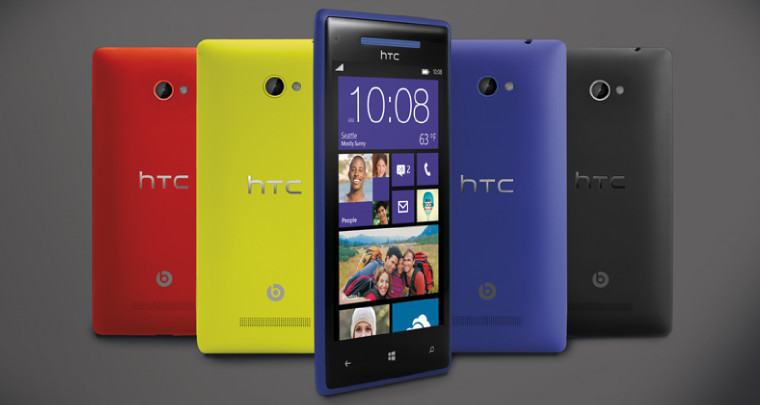
I ran with the HD7 until December 2012. I could have debated handsets the world over, but I was a Windows Phone user and fan; therefore, I decided on Windows Phone 8. It ended up being a coin toss between the HTC 8X and the Nokia Lumia 920.
In the end, based largely on the advice of a few Neowin colleagues, I went with the 8X. In the past three years, I consider myself to be one of the few lucky people whose handset didn’t die on them, as it is still working now. It’s proved to be a great backup, once again, for my wife, who recently had to get her Samsung Galaxy S5 repaired.
The OS was a big leap in terms of capabilities, the phone was a delight to use, and the functionality was just there (for me at least) out of the box. The app gap had started to close, with the majority of the major social media platforms all having native (and sometimes better) third party apps available. But I was waiting for Windows Phone 8.1, which I duly installed, when available, through the new Windows Preview for Developers programme.
While the core functionality remained the same, the interface changes were a welcome addition. I promptly added a background to the tiles and increased the tile number available. It was strange getting used to the screen with additional tiles, and by the time I'd installed Update 1, I was able to cut out scrolling on the Start screen completely with a combination of the additional tiles and app folders. I was content and I was able to get updates a little more regularly through the Developer Preview releases.
Year 4 to now
In November of 2014 I was due a new handset as my contract was up and I could switch if I wished. I’d seen the Nokia Lumia range scale both out and up with many different handset available. In the end, I decided upon the Lumia 930.

It is a shame the 8X couldn't be upgraded to Windows 10 Mobile, as I would have done it. And even though there isn't a definitive list, the most of the Lumia handsets out there (see here and here) seem to be getting Windows 10 Mobile pushed to them, eventually, as an update.
I chose the Lumia primarily for the camera and it would be supported for the next two years (approximately) – or at least that was my hope. The next Windows Phone version was rumored to be in the works and it wasn’t long before the rumors were proven true. What wasn’t clear though was where my less than two month old Lumia 930 sat on Microsoft’s Windows 10 for phones roadmap. I won’t deny being nervous.
By now I knew the 8.1 OS and what I wanted from it. Functionality only changed with the introduction of Cortana. She served me well. I was able to listen to texts while in the car by using my hands-free kit and make calls when I needed to by simply asking her. As I watched the Developer Preview become a Technical Preview and finally the Insider Preview, I waited for the app gap to close. But it never did, at least not the way I, other Windows Phone users, and ultimately Microsoft wanted and hoped.
Microsoft eventually confirmed the current crop of devices it would support and supply Windows 10 Mobile for, and the Lumia 930 was on the list, to my relief. However, it wasn’t until December 12th, 2015 that I took the plunge and went to Windows 10 Mobile. I’ve had little issues - only a couple of niggles - and while I’m only on the Slow Ring, I’ve had six Insider builds since then.
Functionality hasn’t really changed for me again. I do the same things on the Windows 10 OS as I did on Windows Phone 7 and 8.1. I read a few webpages for news, film trailers, and football scores. I play Bejeweled (still) as well as Sudoku and Solitaire. I send and receive mail and check Twitter and Facebook. I play my music while I’m out walking or cycling. Cortana still does what I want her to do. The improvements to Word and Excel over the 8.1 versions get a thumbs up from me, on which I started writing this article while waiting for my son at a birthday party.
Do I need a new five year plan?
I’ve been a Windows Phone user for more than five years now, and ultimately I’ve got a contract renewal coming up in November. The question I’ve been asking myself is, “what should I do then?”
It’s not an easy question to answer either. On one hand, I’ve invested five years into the Windows Phone platform and mobile OS, learning to use it and grown to love it. Additionally, I've been happy with the hardware I've owned, and pleasantly surprised when I’ve experienced other Windows Phone handsets.
On the other hand, should I continue to invest in a platform that never really got going? I mean, Android and iOS devices account for 95% of the smartphone market, and apps and functionality is available on these platforms from day one, mostly.

I guess the one thing that bothers me with Microsoft’s mobile strategy is the lack of support that they have from developers. While the Windows 10 ecosystem and the Universal App drive may change all that, it’s still a very foggy road to travel. I hate seeing apps available for Android and iOS, but not Windows Phone (or Windows 10 Mobile). With the above image taken from Snapchat's website, its nearly the perfect example of a hugely popular app not being available for Windows devices. I almost feel let down, both by the developers and to an extent Microsoft themselves.
It also doesn’t help that there is talk of developers and vendors pulling or retiring support for Windows Phone apps they have released. Apps from Bank of America, HERE, and MixRadio are key examples of popular apps having support, availability, or functionality yanked from users. It's an unfortunate time to be a Windows Phone user, especially if you are still waiting on the update to Windows 10 Mobile. Apps are, for want of a better phrase, dropping like flies, and unless the Universal App drive is able to provide a good, comparable replacement, there will be further dark days ahead.
But I’ll be patient, and wait to see what Microsoft is going to offer me. To be frank, I have to, as I'm tied into a contract until November. We’ve already heard Microsoft’s plan to retire the Lumia line, in favor of Surface phones. If anything, a Surface Phone is the next logical step in a Windows Mobile user’s journey.
What can Microsoft do?
I'm sure the folks at Microsoft ask themselves the same question. As a company, it has invested a huge amount of money and resources in the Windows Phone platform. And the folks on the ground who have built the platform and grew it to what it is today are sure to be wondering what else they need to do. But do you know what? I can’t answer this question, nor am I going to attempt to answer it.
What I will say is, Microsoft does have a head turner. Over the years, anytime I’ve had to use my phone in front of the uninitiated, they’ve seen the interface or the handset and said, ”What phone is that? that’s nice.” While I’m paraphrasing slightly, I have generally received good feedback from people who have seen my handset and played with the OS, when they’ve been curious. But is that enough to sway these users away from their tried and trusted platform? Evidently not.

So, that’s it. As some Windows Phone 8.1 devices start their journey to Windows 10 Mobile, this is my journey and experiences with Windows Phone and Windows Mobile. Am I any wiser for going through this? A little, but would it matter? If I had to go through the same journey again, starting tomorrow, I’d have the exact same problems – the iPhone would be too expensive and Android would be too fragmented. At least Windows 10 Mobile would provide me with much more functionality than Windows Phone 7 did those five-something years ago. And it still is strikingly different.










103 Comments
Load the comments and join the conversation!
Read the comments, ask the editors questions, show respect and join the conversation.