Last year, Samsung’s executives and employees had faced charges over leaking 10nm DRAM technology to China. The matter hasn’t cooled off yet, and Samsung has reportedly hit a pause on the mass production of its flagship 10nm DRAM, thereby settling down an intense competition in the advanced semiconductor space.
The Korean news outlet, IT Chosun, reported that Samsung was to start trial production for its 7th generation 10nm 1d DRAM, also referred to as “D1d” in the first quarter of this year, but has postponed indefinitely due to unfavourable cost-to-return ratio and low target yield.
This comes amid the confidence that Samsung Electronics Vice President of Memory development Hwang Sang-jun had raised by expressing that, “D1d will be the core DRAM in the HBM5E”, during the GTC 2026. But the halting of the production stutters and delays Samsung’s next-generation Artificial Intelligence (AI) memory roadmap.
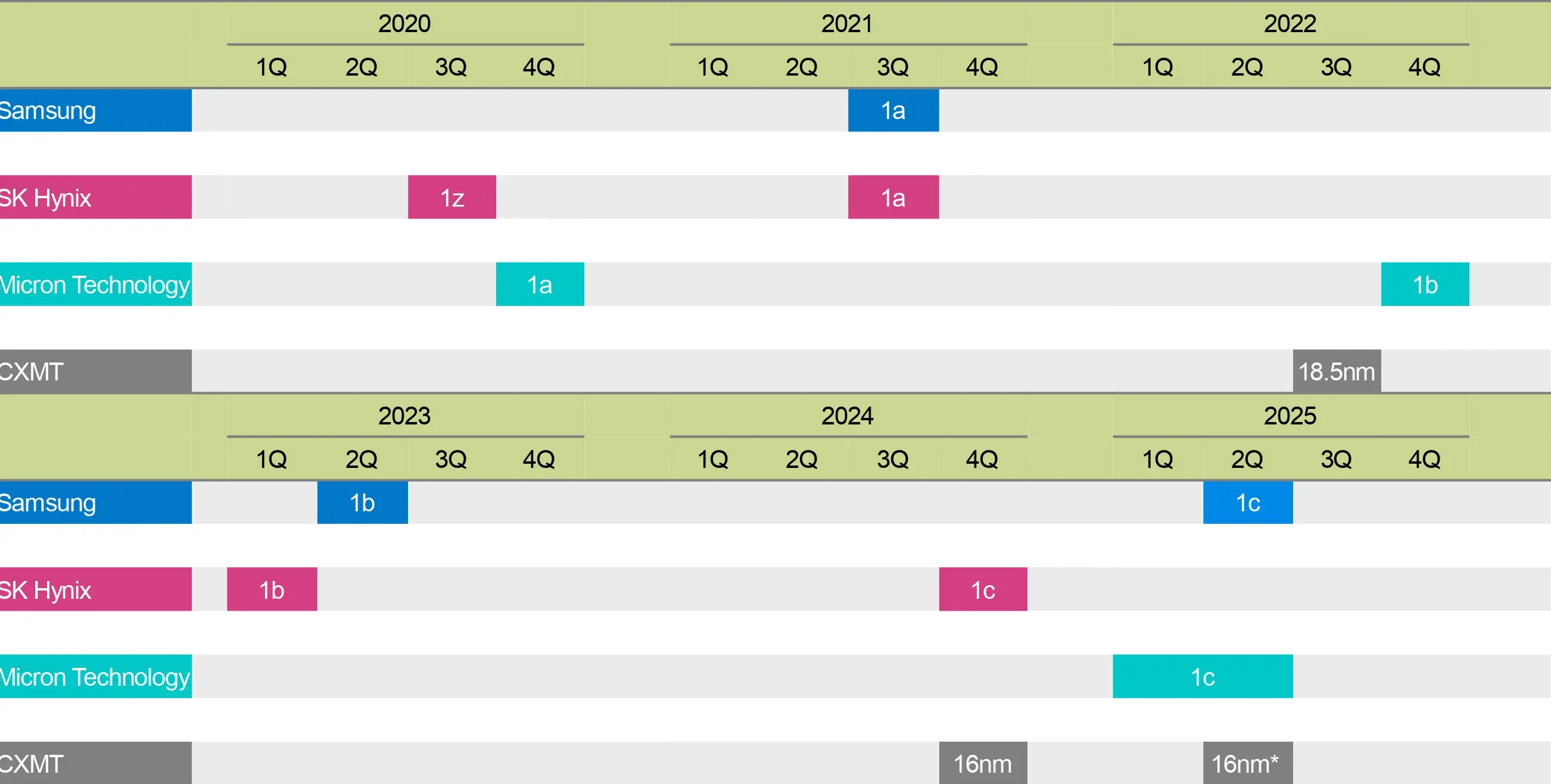
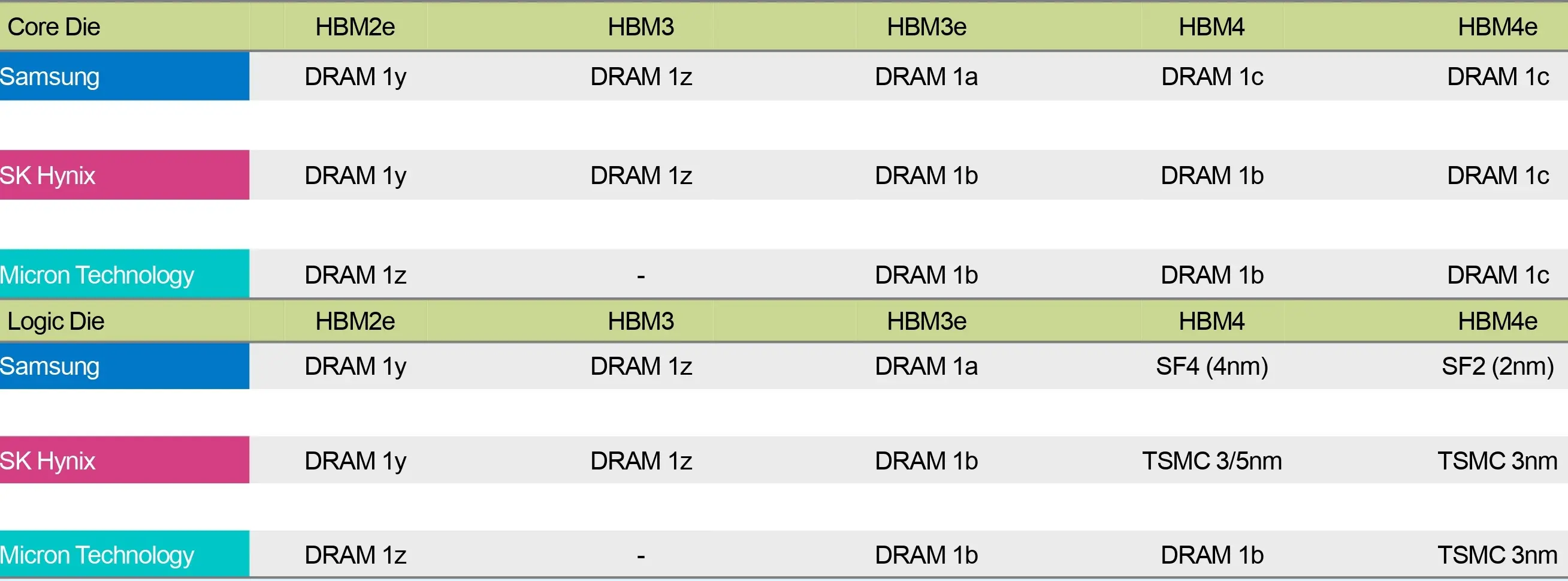
Talking about the nodes, "1d" is the successive generation of 10nm DRAM technology that follows the 6th Gen "1c" (started with D1x). The latest node is expected to play a foundational role in the upcoming high-bandwidth memory technologies, especially HBM5E, the 9th-generation high-bandwidth memory. The 1c DRAM was capable for memories from 6th-generation to 8th-generation, such as HBM4, HBM4E, HBM5, but a stable supply of D1d is required for HBM5E.
An internal source from Samsung Electronics said (originally in Korean, translated via Google Translate),
“On April 22, Samsung Electronics executives recently reviewed the yield and ROI of D1d and concluded that mass production was unsuitable, management's sober assessment was made that there were no customers who wanted or waited for the current level of D1d products along with insufficient yield”.
This delay has apparently also left almost 400 personnel idle, who were in the task force created for the D1d mass production, since the efforts are now limited to the development stage rather than full-scale production. Meanwhile, the technology gap between Samsung and its rival SK Hynix appears to be widening as the latter is ahead in D1d technology.
Source: IT Chosun














0 Comments
Load the comments and join the conversation!
Read the comments, ask the editors questions, show respect and join the conversation.