Apple's ambitions in the mapping space were not received particularly well when the company first announced Apple Maps alongside the release of iOS 6 back in 2012. What quickly followed was a flurry of backlash owing to Apple's sub-par solution, culminating in CEO Tim Cook's embarrassing recommendation that users switch to Google or Bing Maps.
Even after undergoing more than 2.5 million corrections in the next four years, Apple has still not been able to entirely redeem itself for the disastrous launch and the company has now decided to rebuild the entire product from scratch.
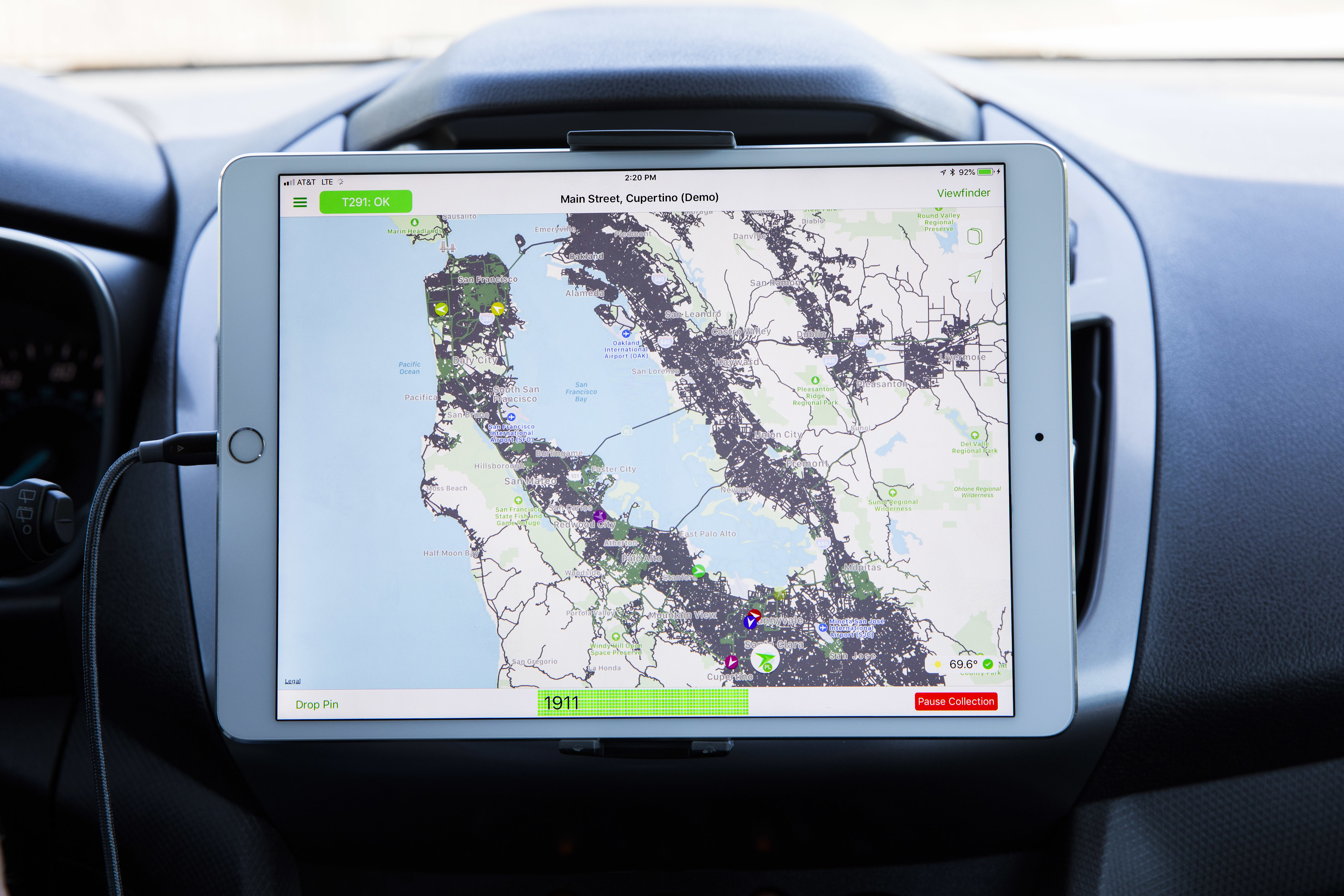
TechCrunch, which was given a sneak peek at the updated service by Apple, reports the revamped product will slowly roll out to users, starting with those enrolled in the iOS 12 beta. The company claims it has painstakingly collected the data itself over the years, and while only the San Francisco and Bay Area will be covered immediately, Apple plans to have all of Northern California supported by fall. The entire US will be added section-by-section by the end of the year, though that's where Apple's plans seem to stop, with no talk of improving service in other countries.
The data will come from two sources: iPhones and Apple's own mapping vans. With respect to privacy concerns regarding the former, the company assured TechCrunch it would only receive data while users' Maps app was open, and will ensure that only parts of the information are received in anonymous parcels.
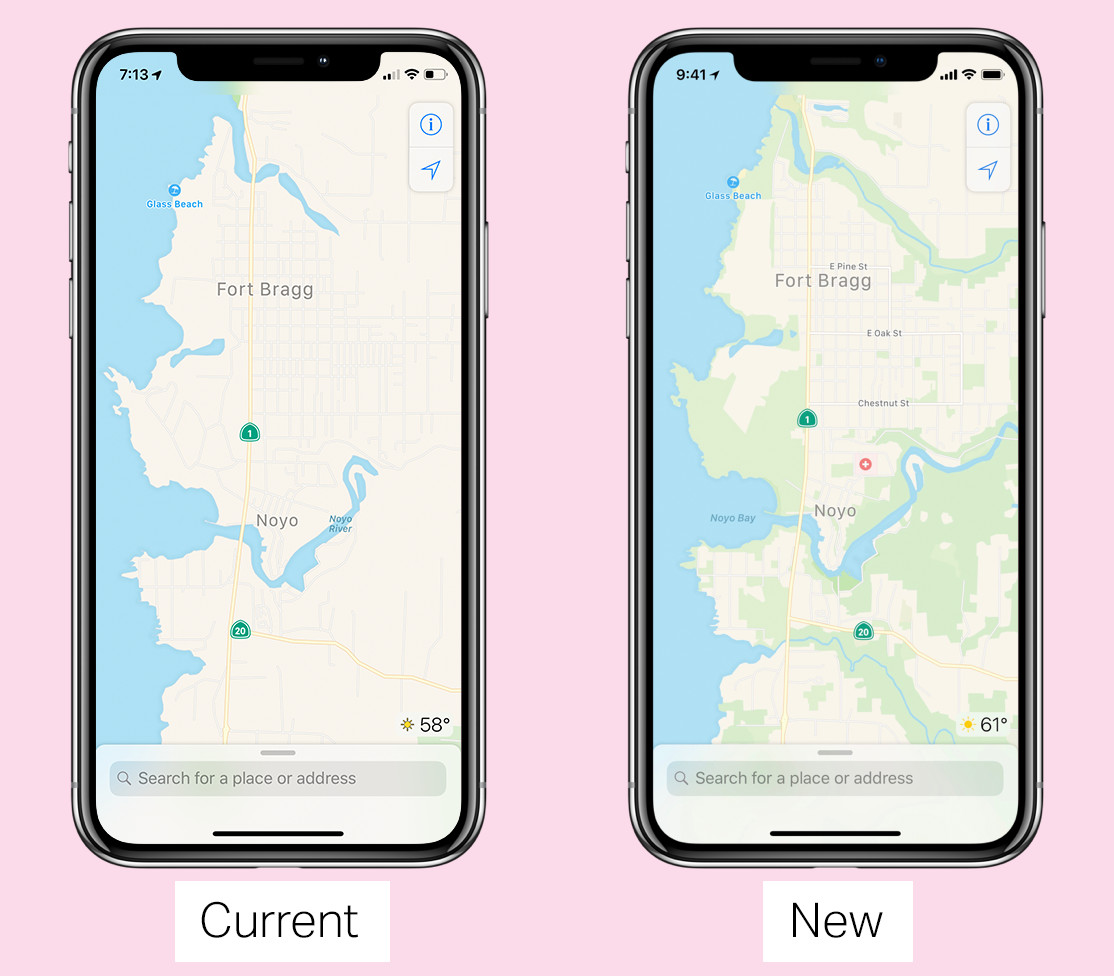
Apple is also tweaking how navigation data is displayed with the upcoming update. Mapping data will no longer be as sparse and bland as before, with better colour representation for areas with vegetation, and also visual distinctions between different types of roads.
The update may finally bring Apple's offerings on par with Google's, but there is still a long way to go before the Cupertino giant can pose as a serious contender to Google's dominance in navigation technology.
Source: TechCrunch via The Verge | Images via TechCrunch
















35 Comments
Load the comments and join the conversation!
Read the comments, ask the editors questions, show respect and join the conversation.